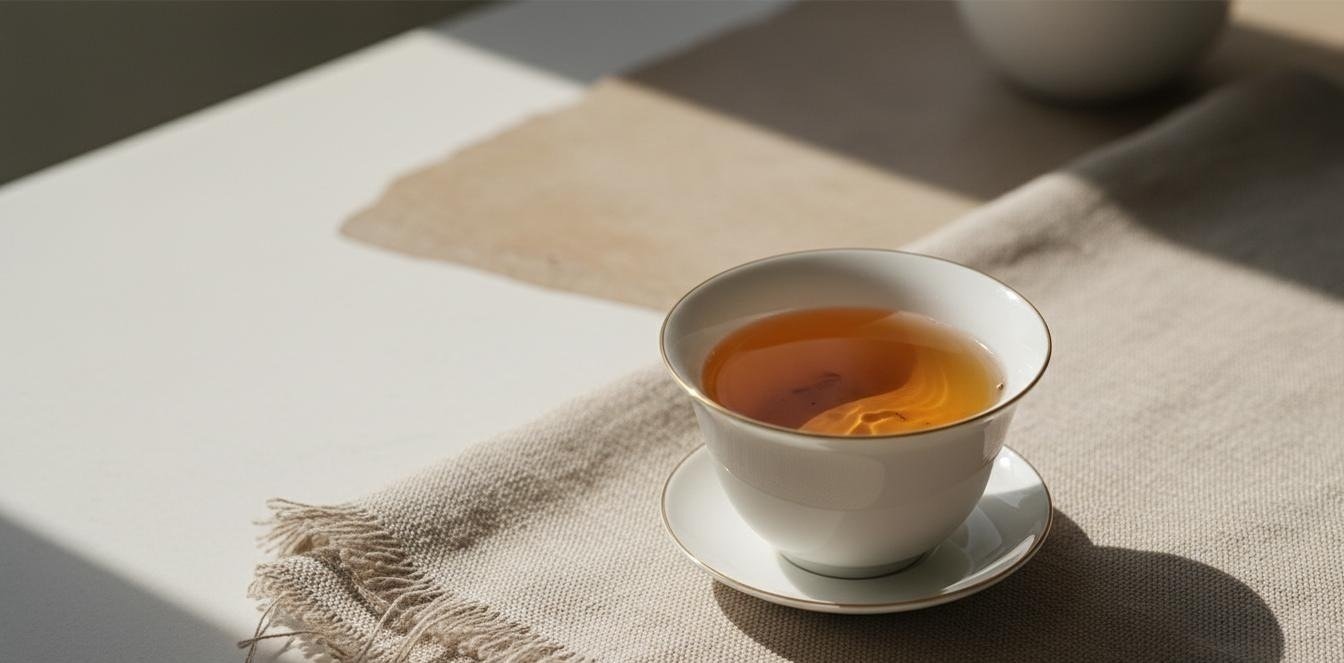
Brewing
Not a manual. A quiet invitation to slow down and pay attention.
Every cup begins with attention.
Brewing tea is not about perfection. It is about presence. The weight of the leaf in your hand. The sound of water reaching temperature. The moment the first steam rises. These small rituals are what transform drinking tea into experiencing it.
Gongfu Brewing
Gongfu cha — "tea with skill" — is the traditional Chinese method of brewing tea with precision and care. It uses a small vessel and generous leaf, producing multiple short infusions that reveal the tea's full character.
The method asks for patience. Each infusion is slightly different from the last. The first might be bright and floral; the fifth, honeyed and deep. You are not making one cup of tea — you are having a conversation with the leaf.
Water Temperature Guide
Green Tea
Preserves freshness. Prevents bitterness.
Oolong Tea
Reveals complexity. Balanced extraction.
Black & Pu-erh
Full extraction. Depth and warmth.
What You Need
You do not need much. A small vessel, a way to heat water, and a cup. Everything else is optional. The best teaware is the kind that gets out of the way and lets you focus on the tea.
Gaiwan or Small Pot
100–150ml capacity. The heart of gongfu brewing. Porcelain gaiwans are versatile and affordable. Yixing clay pots are ideal for a single tea type, developing character over time.
Variable Temperature Kettle
Gooseneck spout for controlled pouring. Temperature control for precision. The single most important investment after good tea.
Small Cups
30–50ml tasting cups. Small cups mean you finish while the tea is at its best temperature. They also slow you down.
Water Is Everything.
Tea is mostly water. The quality of your water will determine the quality of your cup more than any other variable — more than the teaware, more than the technique. Use fresh, filtered water. Avoid distilled water (it lacks minerals and produces flat tea) and avoid hard tap water (it muddies delicate flavors).
Each tea type asks for a specific temperature. Not because the rules matter in themselves, but because the right temperature reveals what the tea maker intended. Green tea at 80°C preserves its sweetness. Oolong at 95°C unlocks its complexity. Pu-erh at 100°C extracts its depth.
Tea & Time.
Morning
Green tea, white tea, light oolong. Fresh, awakening, gentle energy to start the day without overwhelm.
Afternoon
Fuller oolong, floral whites, aged whites. Complex teas that reward attention during a quiet break.
Evening
Ripe Pu-erh, roasted oolong, black tea. Warm, grounding teas for quieter moments as the day closes.
Clay or Porcelain?
Porcelain is neutral. It does not add or take away. This makes it the ideal vessel for exploring new teas — you taste the tea as the maker intended, without interference. A porcelain gaiwan is the most versatile tool in tea brewing.
Yixing clay is the opposite of neutral. Over years of use, it absorbs the character of the tea brewed within it. A well-seasoned Yixing pot becomes a partner in brewing, adding subtle depth and rounding the edges of the tea. The trade-off is dedication — a Yixing pot commits to one tea type for life.
For most people, a porcelain gaiwan is the right place to start. For those who have found their tea and want to deepen the relationship, a Yixing pot is a beautiful next step.
Continue the Ritual.
Discover teas curated for specific moments, or explore the quiet stories behind each cup.