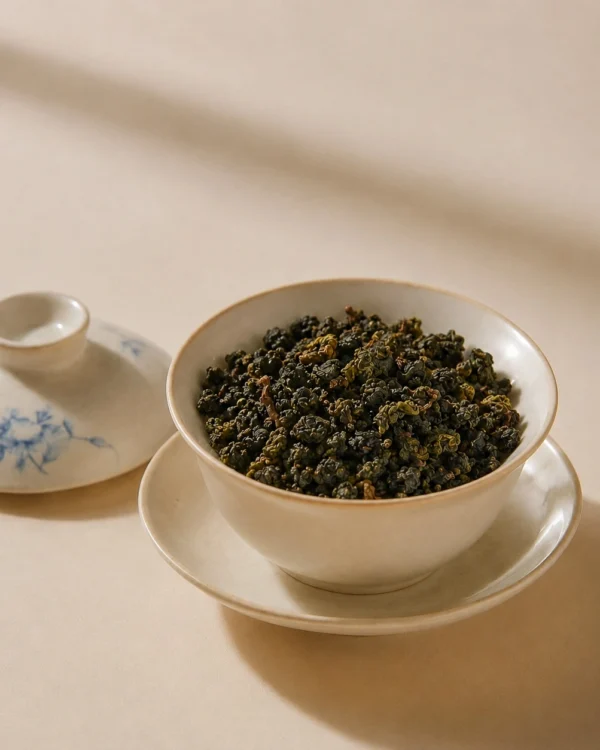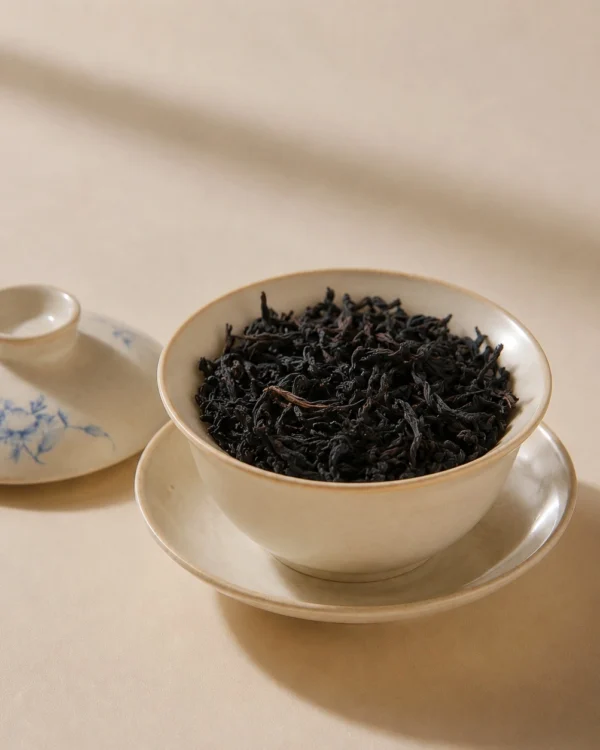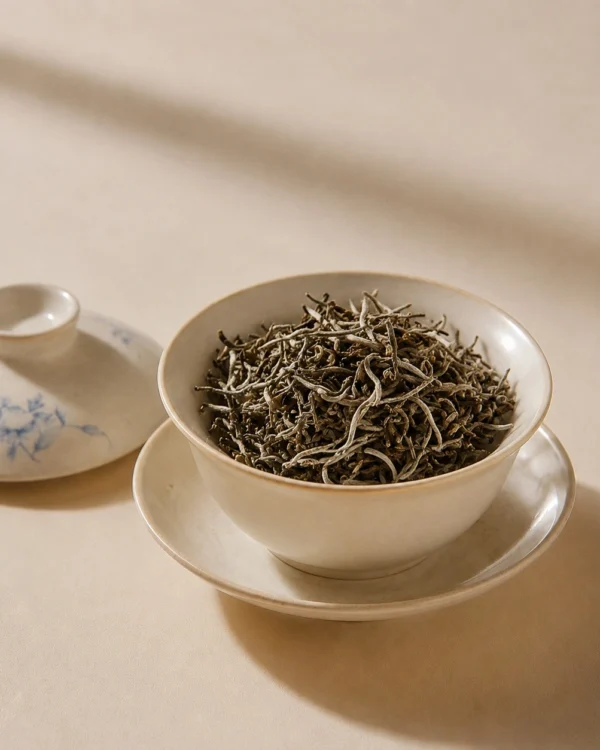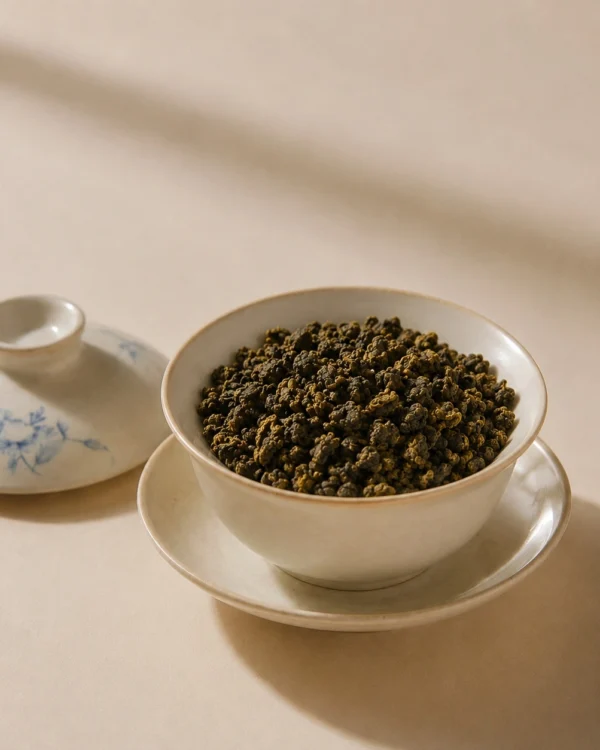
Oolong Tea
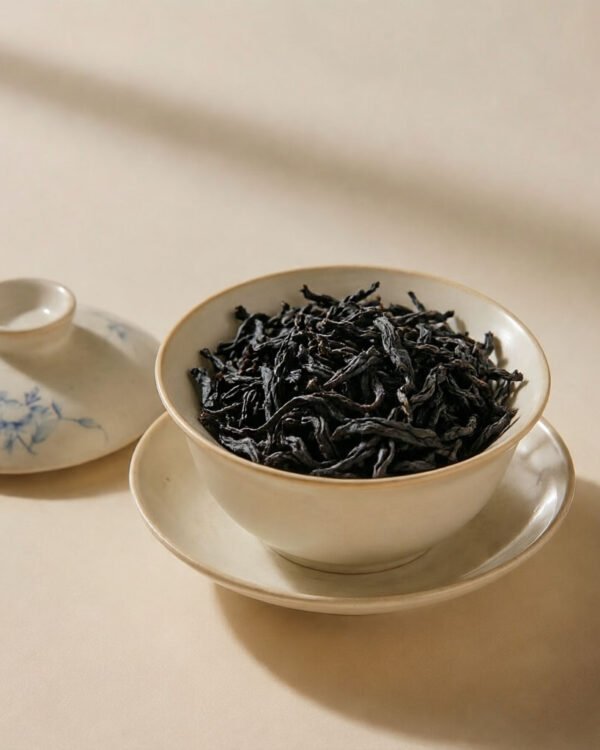
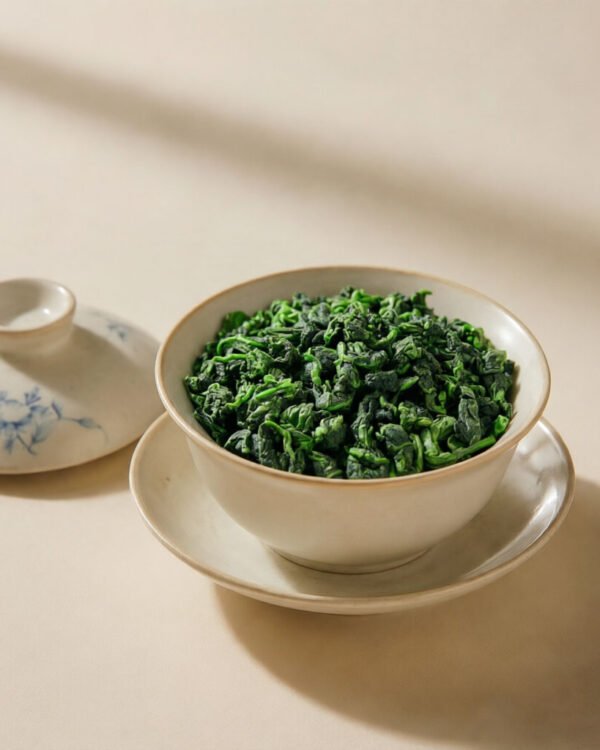
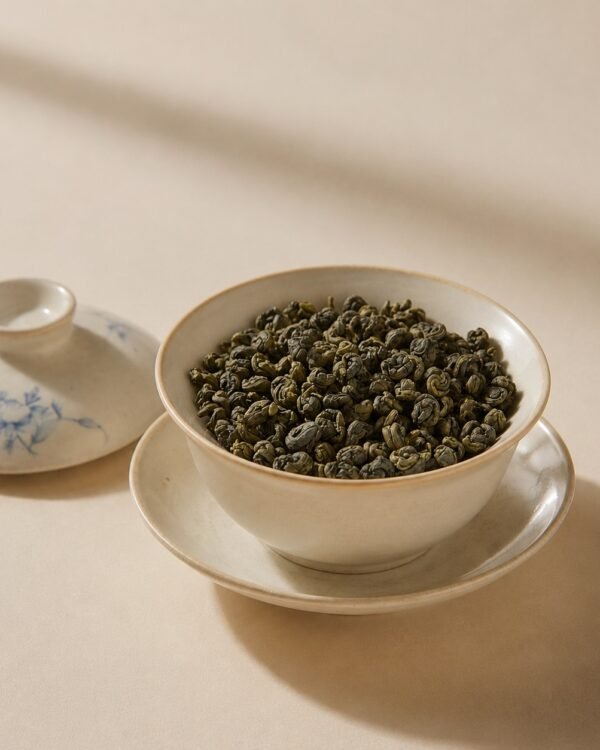
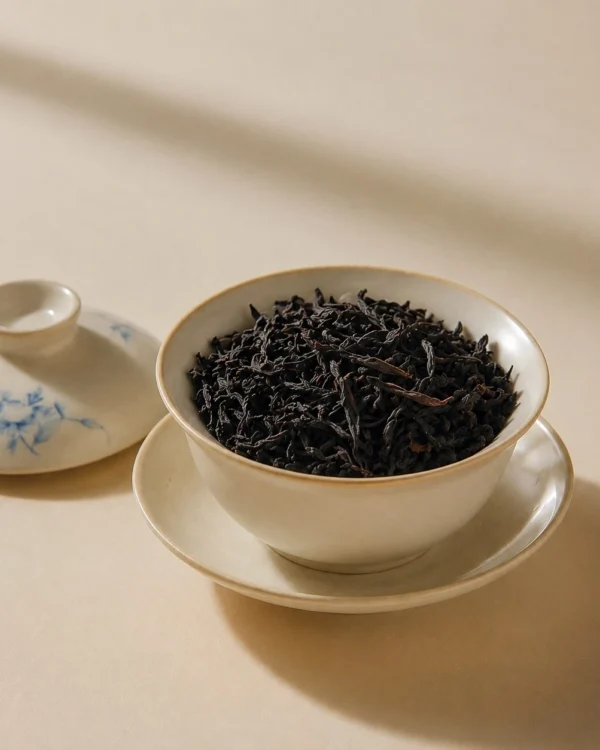
Oolong sits between green and black tea — partially oxidized, it captures the best of both worlds. From the mineral cliffs of Wuyi to the misty hills of Anxi, oolong offers the widest range of flavors in the tea world.
The Art of Partial Oxidation
Oolong tea sits in the beautiful middle ground between green and black. Partially oxidized, it captures the widest spectrum of flavor in the tea world. From the mineral cliffs of Wuyi to the misty hills of Anxi, oolong offers extraordinary range.
Quiet Questions
What is oolong tea?
Oolong tea is a partially oxidized Chinese tea that sits between green and black tea. The leaves are withered, bruised, and partially oxidized before firing, which gives oolong its extraordinary range — from bright and floral to deep and roasted. Each oolong reveals different layers with every infusion.
What does oolong tea taste like?
The flavor spectrum of oolong is remarkably wide. Light oolongs tend to be floral and creamy — think orchid and honey. Darker, roasted oolongs develop warmer notes of toasted grain, stone fruit, and caramel. The taste evolves across multiple infusions, with each steep revealing something new.
How to brew oolong tea?
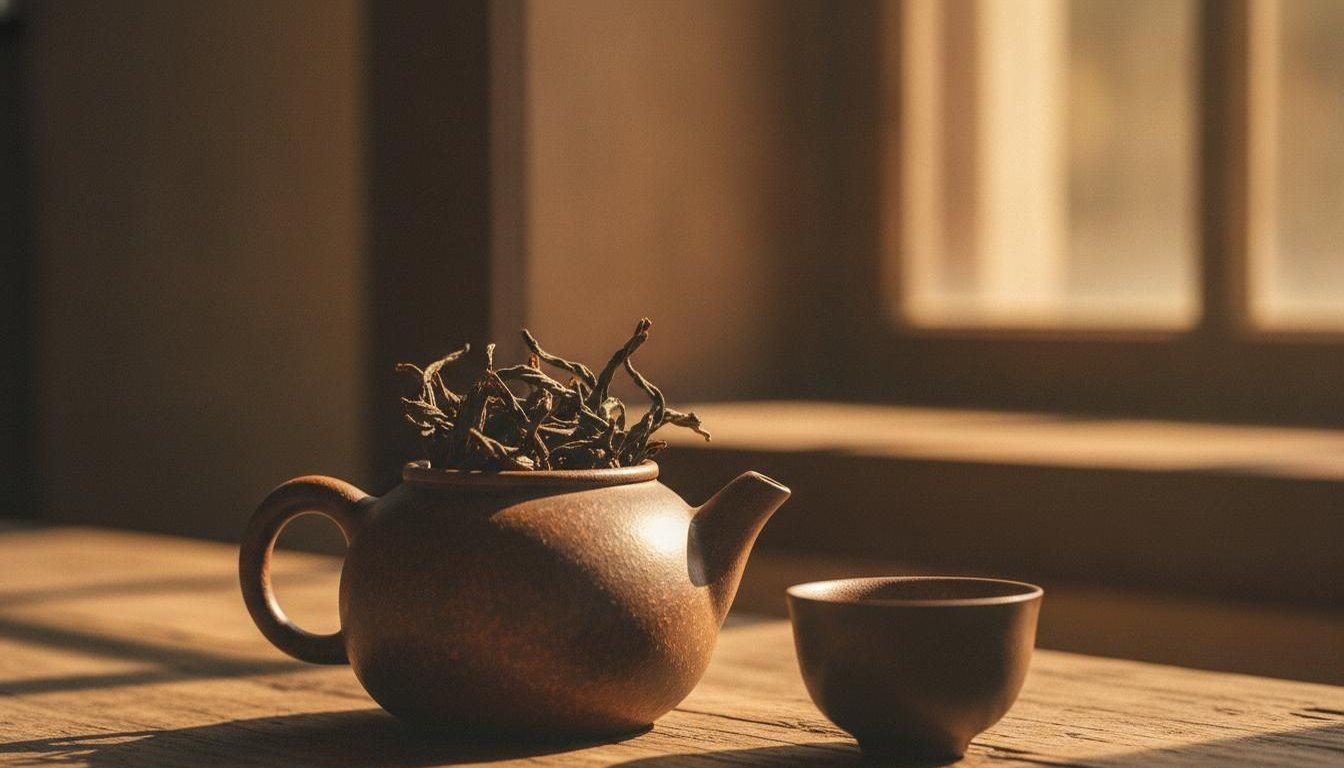
We recommend the gongfu method: use 5g of leaf per 100ml, water at 90–95°C, and short infusions starting at 45 seconds. Oolong is made for multiple steepings — often 5–7 rounds. A small gaiwan or teapot works best. The leaves will unfurl and tell their story gradually.
Does oolong tea have caffeine?
Yes, oolong tea contains caffeine — typically less than black tea but more than green tea. A standard cup contains 30–50mg. Because oolong is traditionally re-steeped multiple times with the gongfu method, each individual cup contains relatively little caffeine, spread gently across the session.