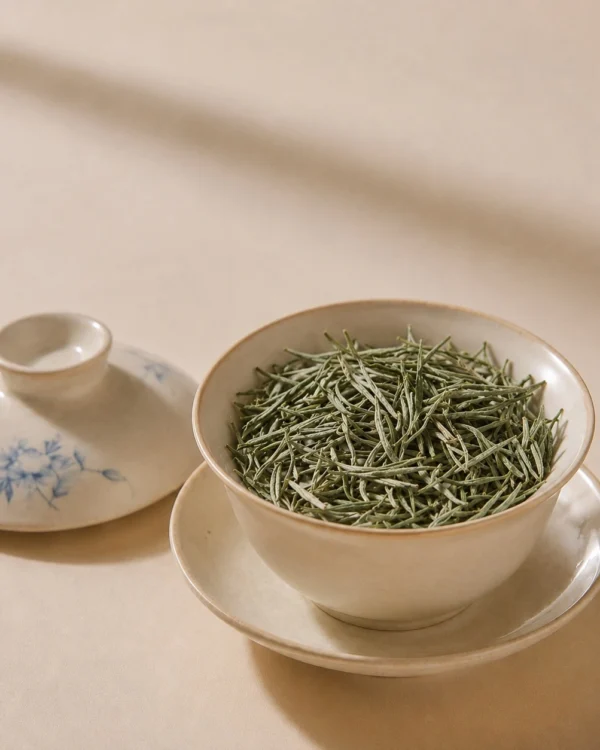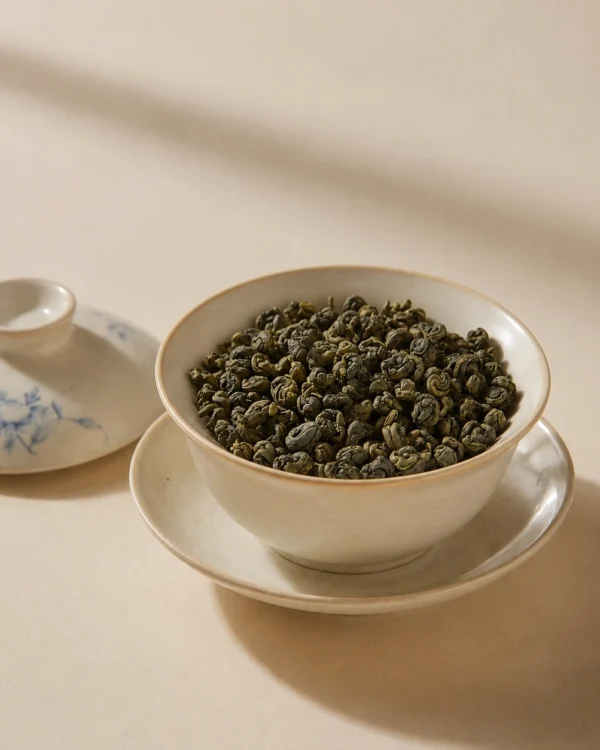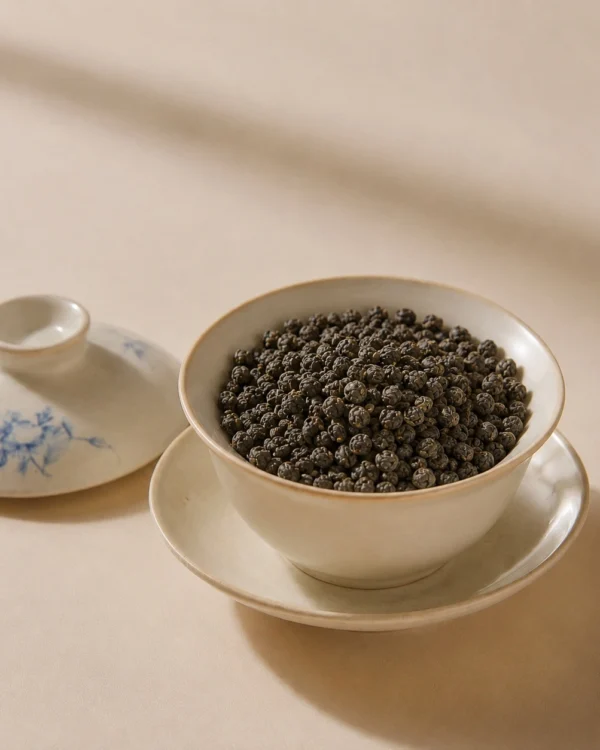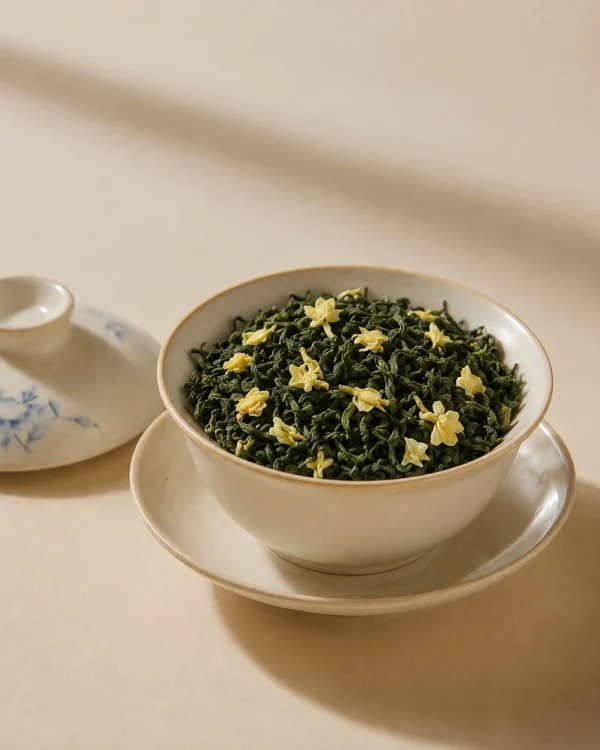
Green Tea
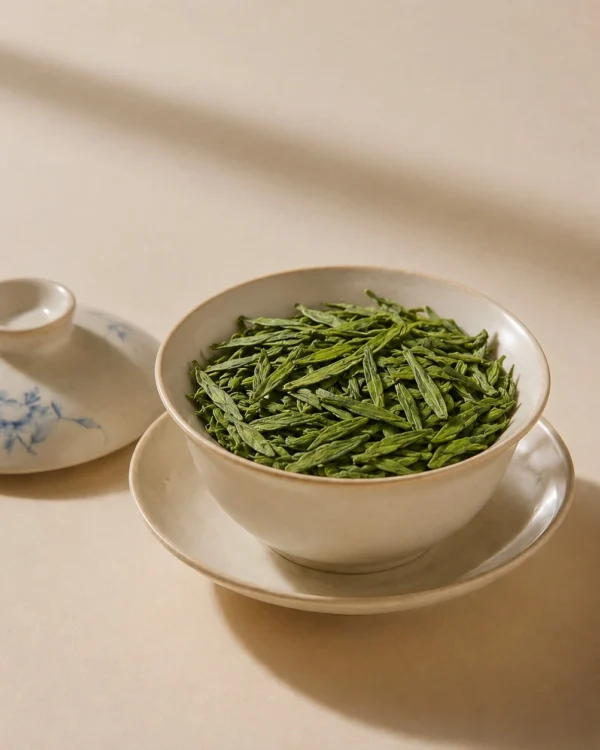
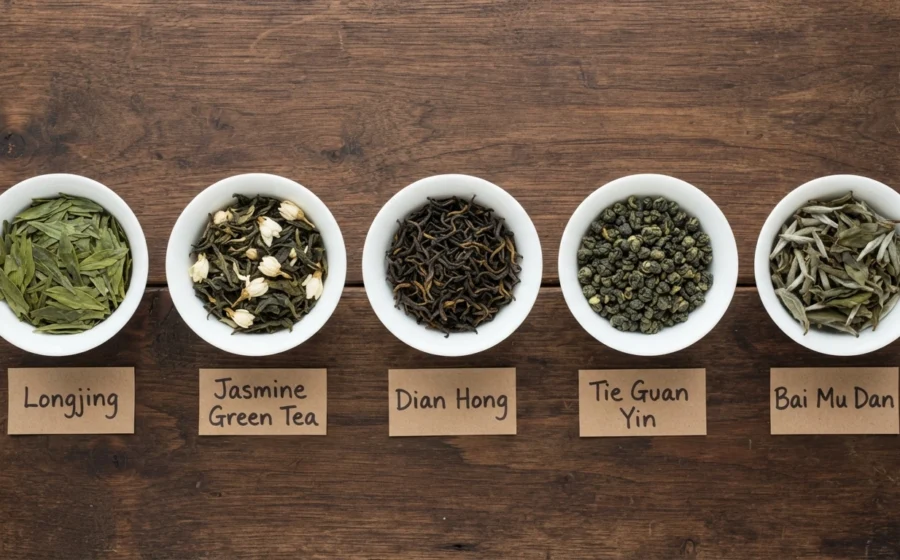
The oldest and purest form of tea. Green tea is unoxidized, preserving the fresh, vegetal character of the leaf. From the chestnut-sweet Longjing to the pine-smoked Lapsang, Chinese green teas are celebrated for their clarity and vitality.
The Freshness of the Leaf
The oldest and purest form of tea. Green tea is unoxidized, preserving the fresh, vegetal character of the leaf. From the chestnut-sweet Longjing to the pine-smoked varieties, Chinese green teas are celebrated for their clarity.
Quiet Questions
What is green tea?
Green tea is the least oxidized of the traditional tea types. After picking, the leaves are quickly heated — either pan-fired or steamed — to stop oxidation and preserve their fresh, vegetal character. Chinese green teas range from chestnut-sweet (like Longjing) to grassy and aromatic.
How to brew green tea?
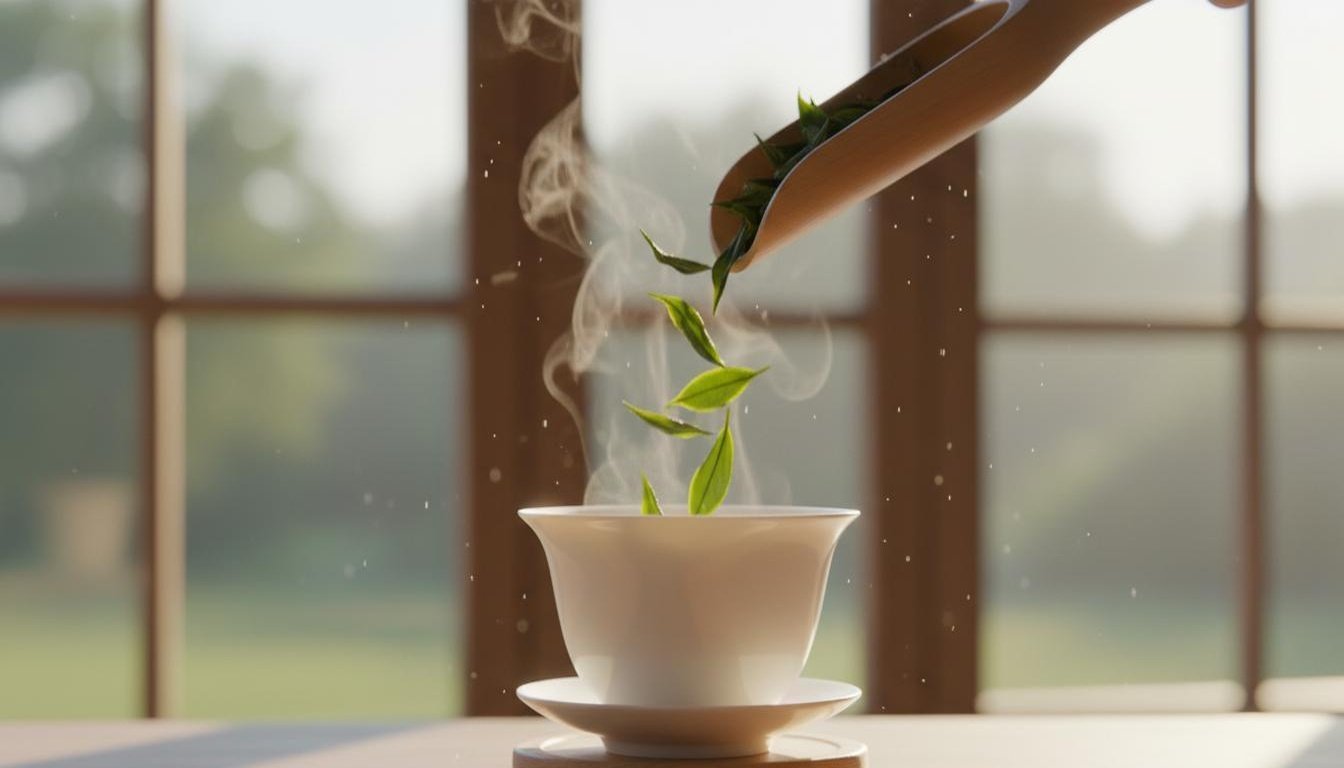
Use water at 80°C — never boiling. Steep 3g of leaf per cup for 1–2 minutes. A gaiwan works beautifully, but any vessel will do. The key is temperature: too hot, and the tea becomes bitter; just right, and the sweetness comes through. Green tea is best consumed in the first two infusions.
How long to steep green tea?
For most Chinese green teas, 1–2 minutes is ideal at 80°C. If using a gaiwan, you can do shorter infusions of 30–45 seconds and re-steep 2–3 times. Longer steeping will extract more tannins, leading to bitterness. Good green tea should taste fresh, clean, and naturally sweet.
Does green tea have caffeine?
Yes, green tea contains caffeine, though generally less than other traditional tea types. A typical cup of Chinese green tea contains 20–45mg. If you are sensitive to caffeine, try shorter steeping times or choose an earlier spring harvest, which tends to have gentler caffeine levels.