If you are new to oolong tea, one of the first questions that naturally comes up is simple: is it caffeinated? The short answer is yes. But what that actually means in practice is worth understanding in a bit more detail.
Yes, Oolong Tea Is Naturally Caffeinated
Oolong tea is naturally caffeinated. It is not caffeine-free, and it is not a herbal infusion. Every cup of traditional oolong tea contains caffeine that comes directly from the tea leaf itself.
This is not something added or processed in later. It is a natural part of all real tea made from the Camellia sinensis plant. Because of this, oolong tea will always contain some level of caffeine, whether it is light, floral, or heavily roasted.
Why Does Oolong Tea Contain Caffeine?
The reason is simple. Oolong tea comes from the same plant as green tea and black tea — the Camellia sinensis plant.
Caffeine is a natural compound found in the leaves of this plant. That means any true tea made from it will contain caffeine by default.
There is no artificial addition involved. It is simply part of the tea leaf’s natural chemistry.
How Much Caffeine Is in Oolong Tea?
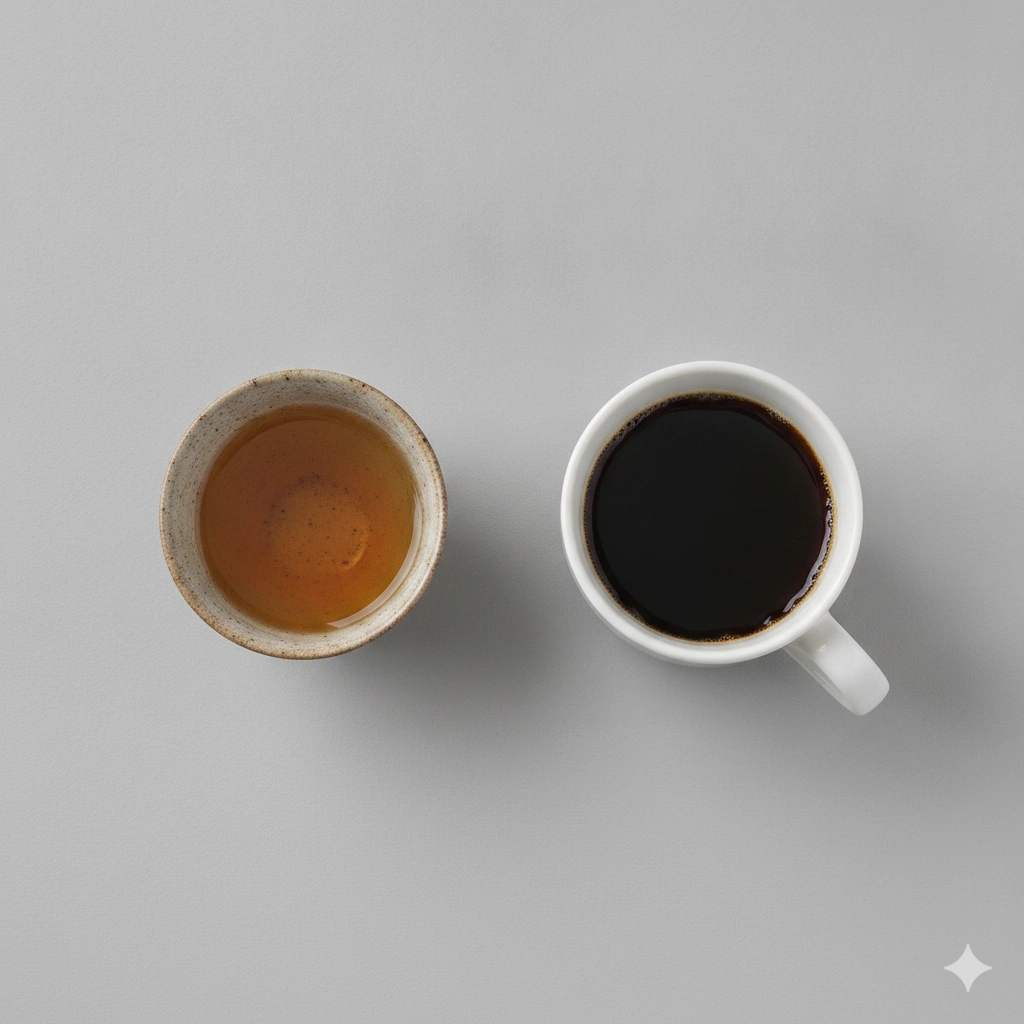
A typical cup of oolong tea (about 8 oz) contains approximately 30 to 50 milligrams of caffeine.
This is considered a moderate range. It is generally higher than most green teas, but still significantly lower than a standard cup of coffee.
The actual amount in your cup can vary depending on:
- how long you steep the tea
- water temperature
- amount of tea leaves used
- style of oolong (light or roasted)
In everyday brewing, the method you use often has more impact than the tea type itself.
Is Oolong Tea Strong or Mild?
In terms of caffeine strength, oolong tea sits in a balanced middle position.
It is usually stronger than green tea, slightly lighter than black tea, and significantly milder than coffee.
A standard cup of coffee often contains 80 to 100+ mg of caffeine, which is roughly double or more compared to oolong tea.
But beyond numbers, the experience is different. Oolong tea tends to feel smoother and more stable. Instead of a sharp energy spike, many people notice a gentle and steady lift in focus.
Can You Drink Oolong Tea Every Day?
Yes, oolong tea is well suited for daily drinking.
Because its caffeine level is moderate, it fits naturally into most daily routines. Many people enjoy it in the morning as a soft start, or in the afternoon when they want focus without overstimulation.
In our experience at Tea Passage, this is one of the most common reasons people continue drinking oolong tea long-term — it feels easy to integrate into everyday life.
Some people are more sensitive to caffeine and prefer lighter steeping or lighter oolong styles. Others find it works perfectly as a daily companion throughout the day.
What We Notice at Tea Passage
At Tea Passage, we often notice that people are surprised to learn that oolong tea contains caffeine.
There is often an assumption that tea feels very light compared to coffee. While oolong does contain caffeine, the way it is experienced is usually very different.
In practice, the energy from oolong tea feels smooth, balanced, and steady, rather than sharp or stimulating.
Light oolongs such as fresh Tie Guan Yin tend to feel more refreshing and uplifting. Roasted oolongs, such as traditional Wuyi rock teas, feel deeper, slower, and more grounding.
From our experience working with loose leaf oolong tea, it is less about how much caffeine is present and more about how that energy is delivered. For many people, this makes oolong tea a comfortable daily drink, especially in the afternoon when they want clarity without overstimulation.
Frequently Asked Questions (FAQs)
Oolong tea is naturally caffeinated because it is made from real tea leaves. It is not caffeine-free like herbal teas.
In most cases, yes. Oolong tea generally contains slightly more caffeine than green tea, although the difference is not large.
It depends on your sensitivity to caffeine. Since oolong tea does contain caffeine, drinking it late at night may affect sleep for some people. Lighter oolong teas with short steeping are usually gentler.
Yes. Its moderate caffeine level and smooth character make it suitable for everyday consumption, especially during mornings and afternoons.