If you are exploring oolong tea and wondering about its caffeine content, you are in the right place. The short answer is yes, oolong tea does contain caffeine. But there is much more to understand than a simple yes or no. This guide will walk you through exactly how much caffeine is in a typical cup, how it compares to other teas and coffee, and what brewing factors can change the caffeine level.
Yes, Oolong Tea Does Contain Caffeine
Oolong tea is made from the leaves of the Camellia sinensis plant, the same plant that gives us green and black tea. Caffeine is a natural compound found in these leaves. So every traditional oolong tea you brew will deliver a certain amount of caffeine.
The caffeine in oolong tea is often described as moderate. It is not as low as some people assume, but it is also nowhere near the intensity of a strong cup of coffee. This moderate nature is one of the reasons oolong tea is loved as a daily drinking companion — it offers a gentle lift without overwhelming the system.
How Much Caffeine Is in Oolong Tea?
A typical cup of oolong tea (about 8 ounces) contains approximately 30 to 50 milligrams of caffeine. That is a general range, and the exact amount can vary quite a bit.
Several things influence the final caffeine level in your cup:
- The specific type of oolong tea (for example, a light Tie Guan Yin versus a dark roasted Wuyi yancha)
- How much tea leaf you use
- How long you steep it
- The water temperature you choose
Because of these variables, your cup could land on the lower end around 20 mg, or stretch up toward 60 mg. This flexibility means you have a lot of control over your own caffeine experience with oolong tea.
Oolong Tea vs Green Tea vs Black Tea (Caffeine Comparison)
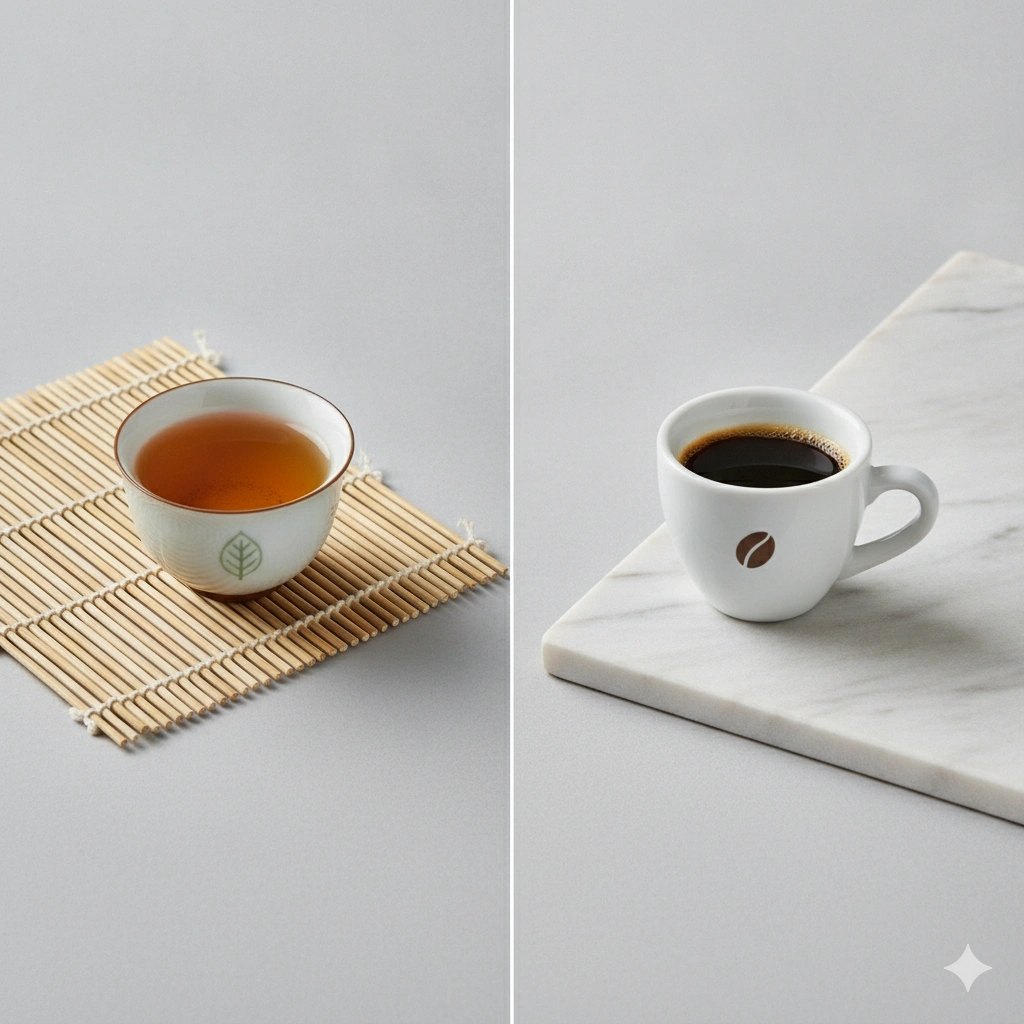
To understand where oolong sits in the tea family, it helps to compare it directly with green and black tea. While all three come from the same plant, their caffeine levels are not identical.
| Tea Type | Caffeine per 8 oz cup (approx.) |
|---|---|
| Green Tea | 20 – 35 mg |
| Oolong Tea | 30 – 50 mg |
| Black Tea | 40 – 60 mg |
Generally speaking, oolong tea tends to contain a bit more caffeine than green tea and a little less than black tea. It lives comfortably in the middle. Of course, these are averages — there are lightly oxidized oolongs that feel closer to a green tea, and heavily roasted ones that behave more like a mild black tea.
And when you compare oolong tea to coffee, the difference becomes even clearer. An average cup of brewed coffee carries 80 to 100 mg of caffeine or more. So oolong tea usually provides around half the caffeine of a standard coffee, making it a much gentler option.
What Affects Caffeine in Oolong Tea?
If you want to understand or adjust your caffeine intake, paying attention to a few key factors helps a lot.
- Oxidation level
The level of oxidation does not directly change the caffeine molecule itself, but it does affect how the leaf behaves during brewing. Lighter oolongs often give a slightly brighter, quicker caffeine release, while darker, roasted oolongs can feel smoother and more sustained. - Amount of tea leaf
The more leaf you use, the more caffeine ends up in your cup. Gongfu brewing, which uses a generous amount of leaf in a small vessel, produces a concentrated infusion. But because you re-steep the same leaves many times, the caffeine is spread across multiple small cups. - Brewing time
The longer the leaves sit in hot water, the more caffeine gets extracted. A quick 20-second gongfu steep releases less caffeine than a 3-minute Western-style steep. - Water temperature
Hotter water pulls out caffeine more efficiently. Using water just off the boil will give you a higher caffeine content than steeping at a cooler temperature.
Is Oolong Tea High in Caffeine?
When people ask this, they usually mean, “Will this make me jittery like coffee?” The answer is no. Oolong tea is not considered a high-caffeine beverage.
Its caffeine level sits in a moderate zone that many people find perfect for daytime focus. Because oolong tea also naturally contains the amino acid L-theanine, the energy it provides tends to feel calm and balanced rather than sharp or edgy. That is one reason why it is often turned to as a thoughtful coffee alternative, especially in the afternoon.
Conclusion
So, does oolong tea have caffeine? Absolutely — but it delivers that caffeine in a way that feels steady and manageable. A cup gives you a gentle lift with less of the spike and crash that some stronger drinks can cause.
Because oolong tea contains moderate caffeine and a naturally soothing character, many tea drinkers enjoy it as a balanced afternoon companion. It supports focus without the jitters, making it a welcoming alternative to a second cup of coffee.
If you are curious to experience this balance yourself, a quality Tie Guan Yin or a lightly roasted high mountain oolong is a wonderful place to start.
Frequently Asked Questions (FAQs)
Generally, yes. Most oolong teas have a slightly higher caffeine level than green teas, but the difference is not extreme. A typical oolong cup might carry 10 to 20 mg more caffeine than an average green tea.
It depends on your personal sensitivity to caffeine. Because oolong tea does contain caffeine, drinking it late in the evening may interfere with sleep for some people. If you are sensitive, it is better to enjoy oolong in the morning or early afternoon.
Not in terms of caffeine. A regular cup of coffee usually has about twice the caffeine of an oolong tea. So oolong provides a much milder energy lift.
Brewing time, water temperature, and leaf quantity all play a role. A longer steep, hotter water, and more tea leaves will yield a cup with higher caffeine. Shorter infusions and cooler water give you a lighter caffeine profile.