Oolong tea is a standalone category of Chinese tea, distinct from both green tea and black tea. It is made from the leaves of the Camellia sinensis plant and undergoes a unique process of partial oxidation, which places its flavor and character beautifully between unoxidized green tea and fully oxidized black tea.
This is not a blend or a hybrid — it is a fully independent tea category with its own centuries-old tradition, production techniques, and an incredibly diverse taste spectrum.
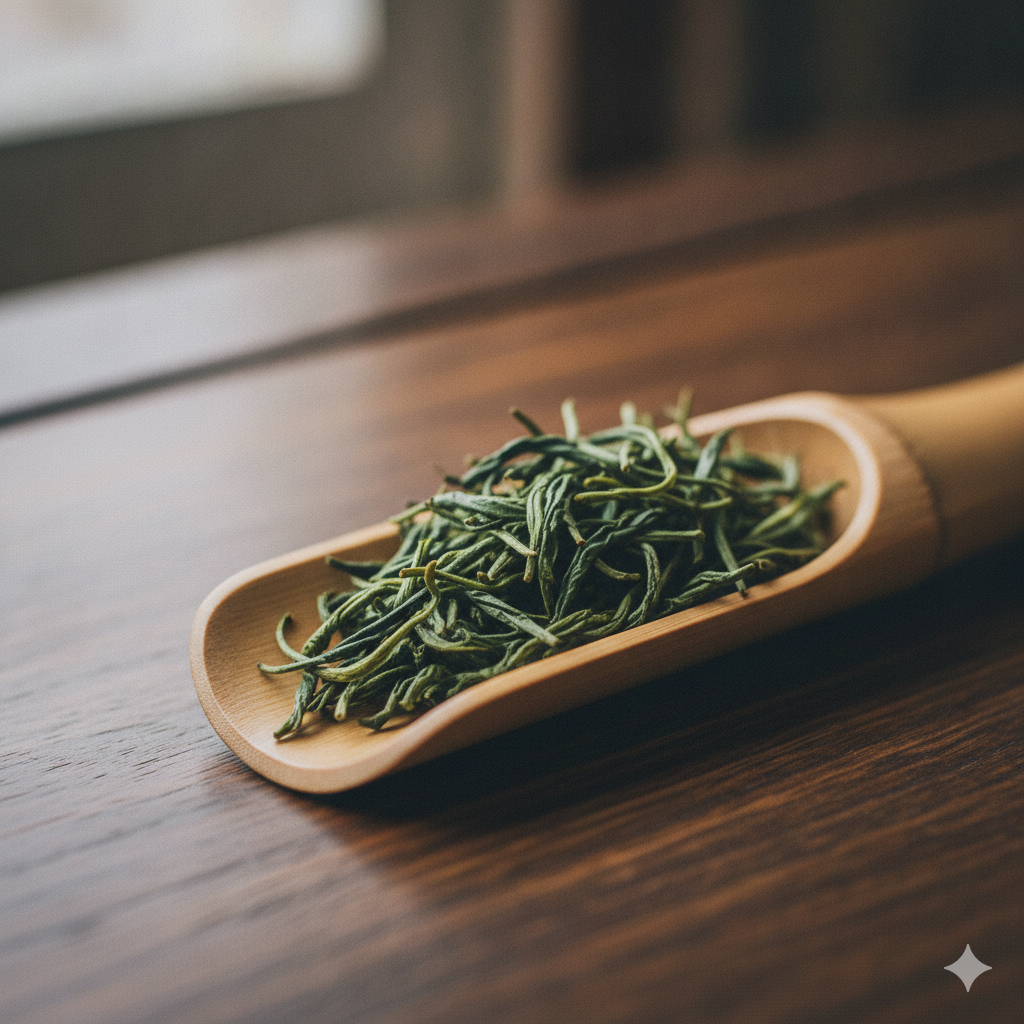
The name “oolong” literally means “black dragon” in Chinese, a poetic reference to the dark, twisted shape of the finished leaves. For someone exploring Chinese tea for the first time, understanding oolong means stepping into a world where a single leaf can express everything from spring flowers to roasted stone fruit, depending on how it is processed.
Is Oolong Tea Green Tea or Black Tea?
A common question is: “Is oolong tea green tea?” The answer is no.
Within the traditional Chinese tea classification system, there are six major categories:
- Green tea
- Yellow tea
- White tea
- Oolong tea
- Black tea (called red tea in China)
- Dark tea (Pu-erh)
Oolong tea is its own independent category.
Green tea is unoxidized, meaning the leaves are heated shortly after picking to preserve a fresh, vegetal character. Black tea is fully oxidized, producing deep, malty, and robust flavors.
Oolong sits intentionally between the two. Depending on the style, oxidation can range from lightly oxidized to heavily oxidized, creating an extremely wide flavor spectrum.
So the most accurate answer is:
Oolong tea is neither green tea nor black tea — it is a standalone tea category.
What Does Oolong Tea Taste Like?
The taste of oolong tea is one of its most fascinating features because there is no single flavor profile.
Instead, oolong tea exists on a spectrum:
Light Oolong (Green-style)
- Orchid-like floral aroma
- Fresh, sweet, and creamy texture
- Light and refreshing finish
Medium Oolong
- Honey, stone fruit, light floral notes
- Smooth body with balanced sweetness
- Gentle complexity
Dark Roasted Oolong
- Toasted nuts, caramel, cocoa
- Deep roasted aroma
- Mineral-rich, warming finish
Some oolongs, especially those from the Wuyi Mountains, are known for a unique mineral character often described as “rock rhyme” (yan yun) — a lingering, deep aftertaste prized by tea lovers.
This diversity is what makes oolong tea one of the most complex and rewarding tea categories in the world.
Types of Oolong Tea
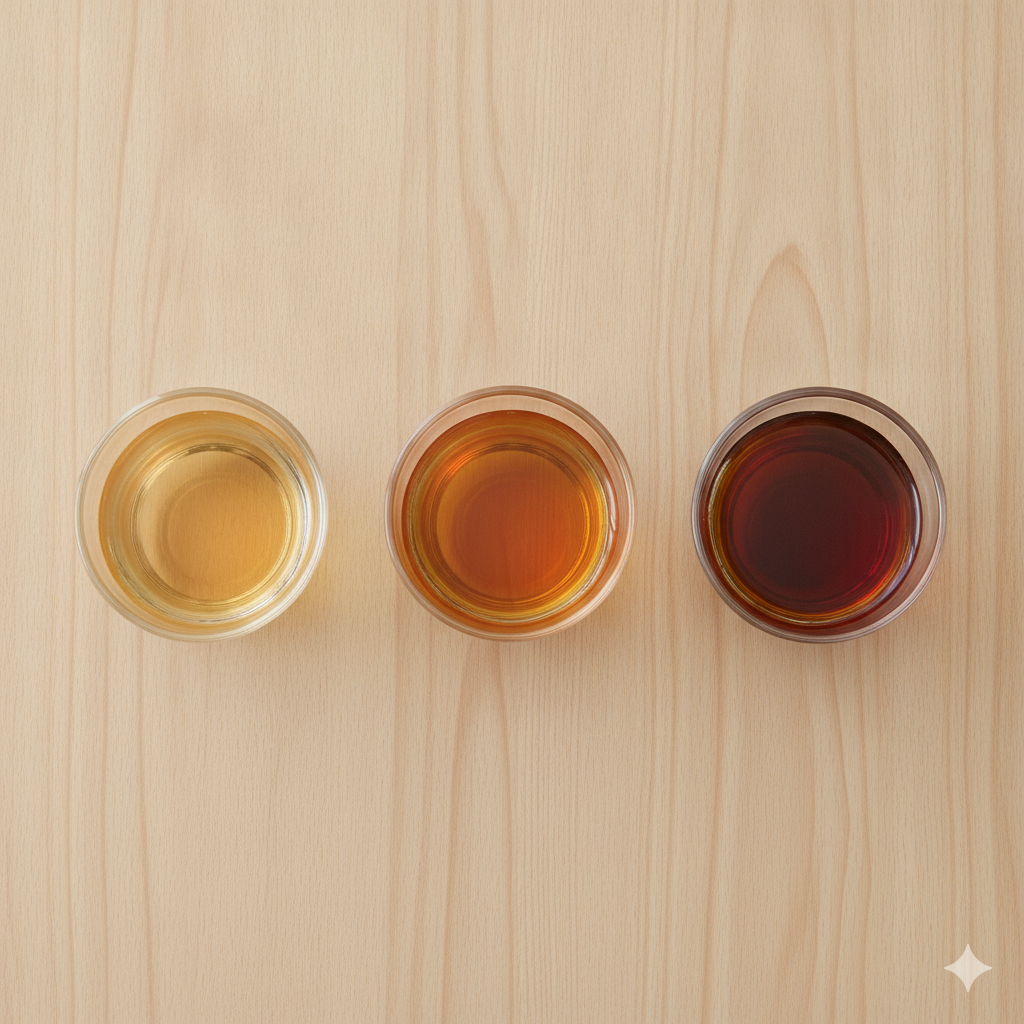
Oolong teas are often grouped by oxidation and roasting level:
Light Oolong
Lightly oxidized (around 10–20%), minimal roasting.
- Tie Guan Yin (Anxi, Fujian)
Famous for its orchid aroma, creamy texture, and smooth finish. - Taiwan High Mountain Oolong
Clean, crisp, and naturally sweet with a light floral character.
Medium Oolong
Medium oxidation (20–40%), balanced aroma and depth.
- Phoenix Dancong (Guangdong)
Naturally aromatic teas with profiles like honey orchid, almond, or ginger flower.
Dark Roasted Oolong
Heavily oxidized and traditionally roasted.
- Wuyi Rock Tea (Yancha)
Includes famous teas like Da Hong Pao, Rou Gui, and Shui Xian.
Known for roasted nuts, cocoa, dark fruit, and mineral complexity.
How to Brew Oolong Tea
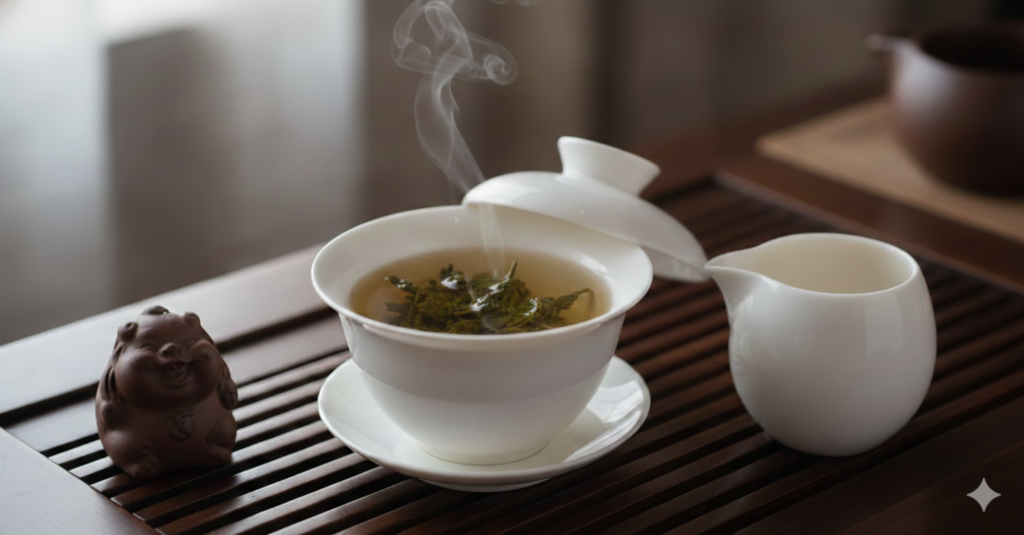
To fully experience oolong tea, brewing method matters.
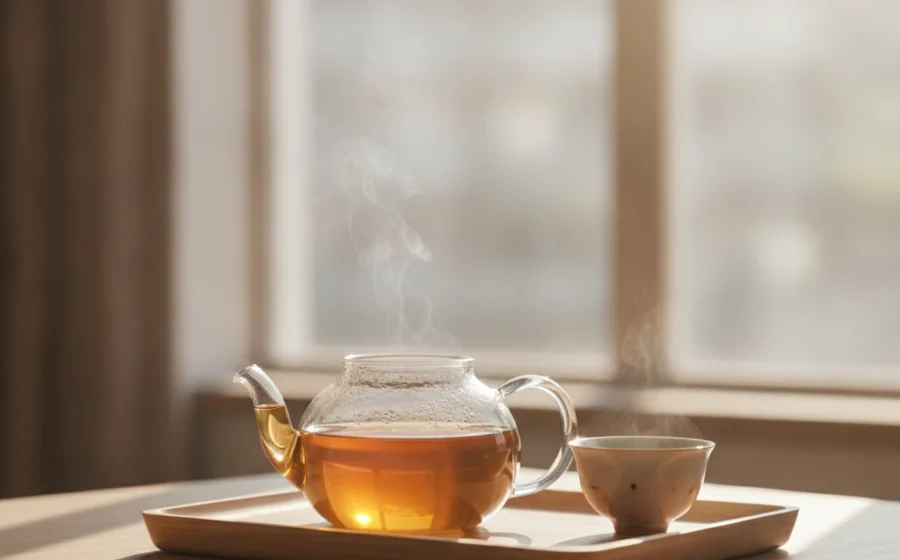
Gongfu Brewing (Recommended)
This traditional method reveals the full depth of oolong tea.
- Use 5–7g of tea leaves
- Add to a small teapot or gaiwan (100–120ml)
- Rinse quickly with hot water and discard
- Steep at ~95°C for 20–30 seconds
- Re-steep 6–10 times, increasing time gradually
Each infusion reveals a different layer of flavor.
Western Brewing
- 2g tea per 200ml water
- Steep for 2–3 minutes
- Simple and convenient for daily drinking
Best Oolong Tea for Beginners
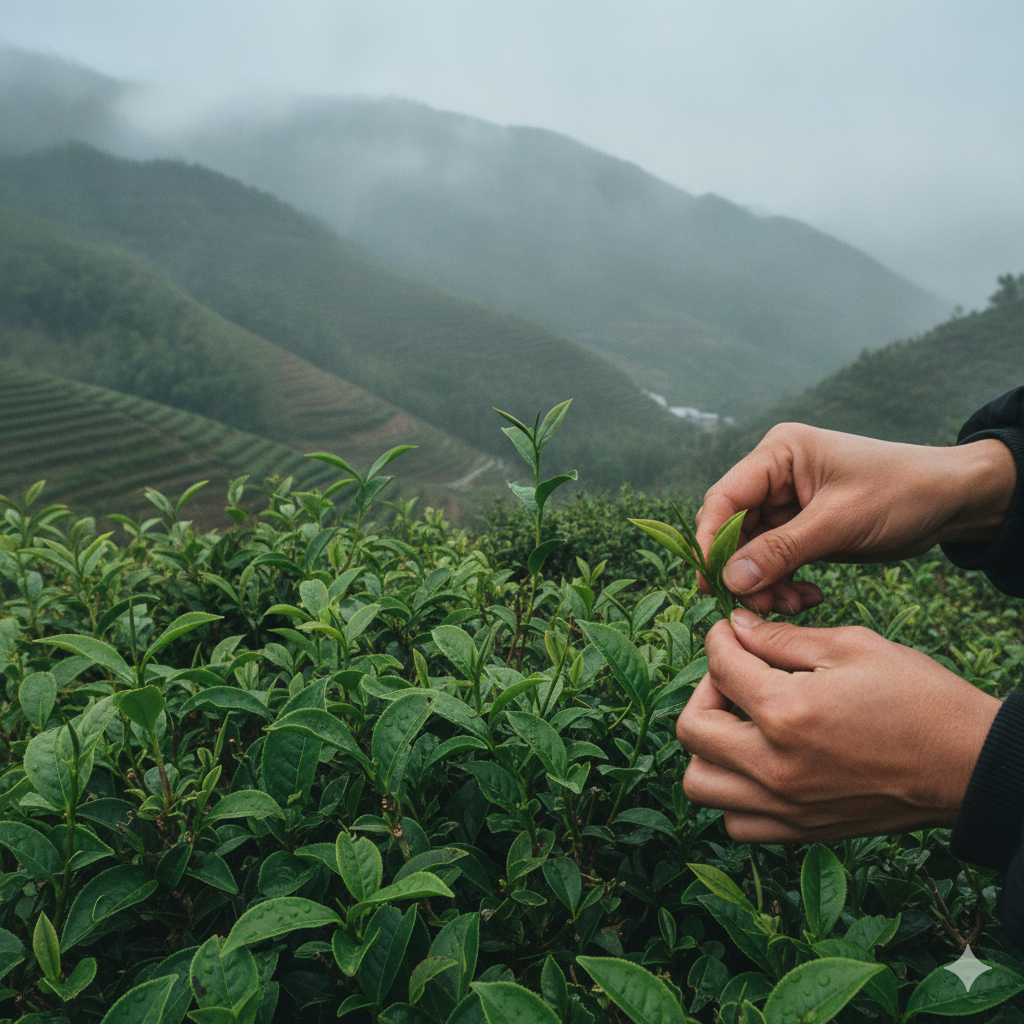
If you are new to Chinese tea, choosing the right starting point makes a big difference.
At Tea Passage, we typically recommend starting with a light, floral oolong.
Tie Guan Yin (Beginner Favorite)
Tie Guan Yin is one of the most beginner-friendly oolong teas.
It has a naturally floral aroma with orchid-like notes and a smooth, slightly creamy texture. Compared to heavily roasted oolong teas, it feels lighter, fresher, and easier to drink.
When brewed properly, the tightly rolled leaves slowly open and release a soft floral fragrance with a clean and sweet finish.
Because of its balanced profile, it is often the first oolong tea people try when exploring Chinese tea.
Once you are familiar with lighter styles, you can gradually explore deeper roasted oolongs such as Wuyi rock teas.
Conclusion
Oolong tea is not simply a midpoint between green and black tea — it is a complete and independent tea category with remarkable depth and variety.
From the delicate floral elegance of Tie Guan Yin to the rich, mineral complexity of Wuyi rock teas, oolong rewards curiosity at every level.
At Tea Passage, we focus on carefully selected loose leaf oolong teas that highlight traditional craftsmanship and authentic regional character.
Whether you are new to tea or expanding your palate, oolong tea offers a journey of discovery that continues with every cup.
👉 Explore our authentic Chinese oolong tea collection and find your first cup today.