Caffeine is one of the first questions people ask about oolong tea. Is it strong? Will it make me jittery? How does it compare to coffee? This guide answers all of that with clear comparisons and practical insights based on both tea science and our tasting experience at Tea Passage.
Does Oolong Tea Contain Caffeine?
Yes, oolong tea does contain caffeine. Every traditional oolong tea, whether light and floral or dark and roasted, naturally contains caffeine from the Camellia sinensis leaf.
It is not caffeine-free and not a herbal infusion. Instead, it sits in a moderate caffeine range, making it suitable for daily drinking.
How Much Caffeine Is in Oolong Tea?
A typical cup of oolong tea (8 oz) contains approximately 30 to 50 mg of caffeine.
This places it in the middle range among common drinks. It is generally stronger than green tea but milder than black tea and significantly lower than coffee.
The exact caffeine level varies depending on:
- tea variety
- leaf quantity
- brewing time
- water temperature
Because of these factors, your cup can feel lighter or stronger even when using the same tea.
Oolong Tea vs Green Tea vs Black Tea (Caffeine Comparison Table)
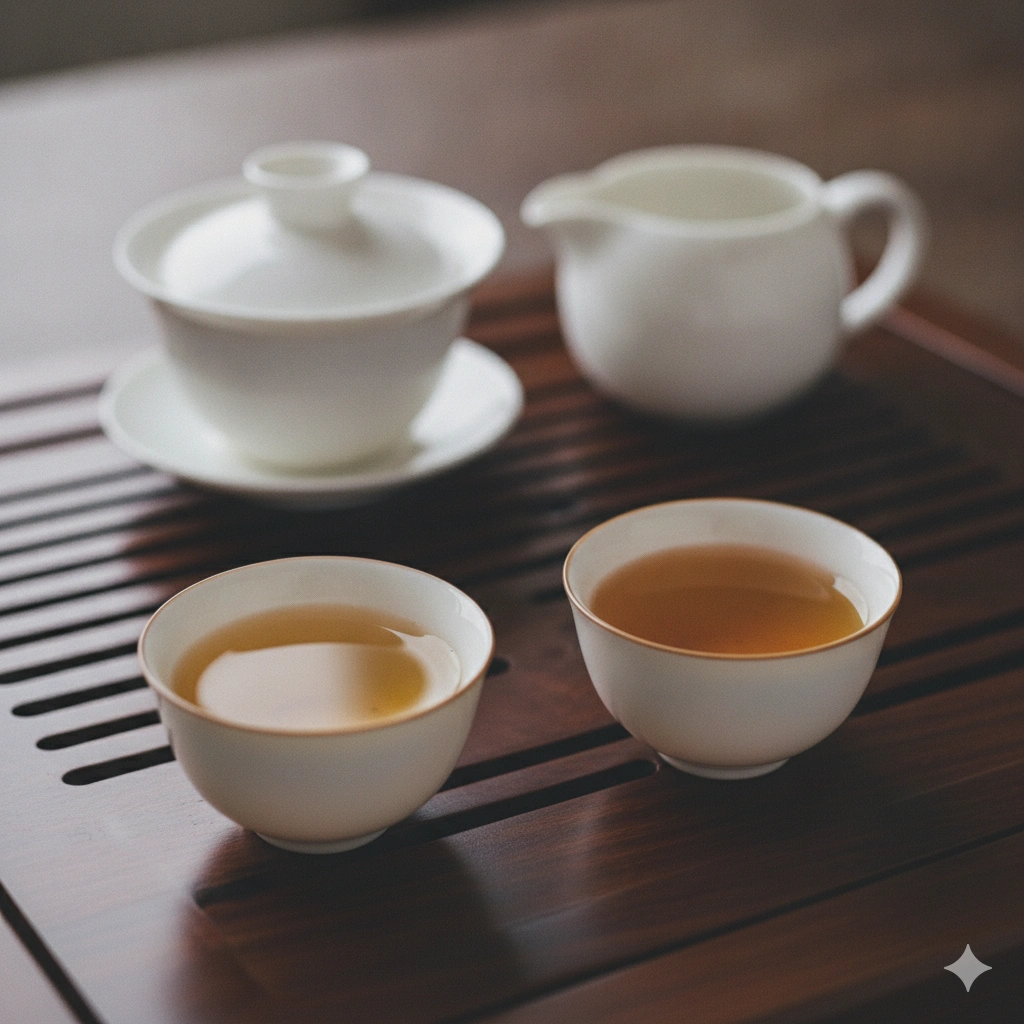
To understand where oolong sits in the caffeine spectrum, here is a simple comparison:
| Tea Type | Caffeine per 8 oz cup (approx.) |
|---|---|
| Green Tea | 20–35 mg |
| Oolong Tea | 30–50 mg |
| Black Tea | 40–60 mg |
| Coffee (reference) | 80–100+ mg |
Oolong tea sits comfortably between green and black tea. Compared to coffee, most oolong teas provide about half the caffeine, along with a much smoother energy profile.
What Affects Caffeine in Oolong Tea?
Several brewing and production factors influence how much caffeine ends up in your cup:
- Oxidation and roast level
Light oolongs often feel brighter and more immediate, while roasted oolongs release energy in a slower, smoother way. - Amount of tea leaf
More leaf increases caffeine concentration. Gongfu brewing uses more leaf but spreads extraction across multiple infusions. - Brewing time
A short steep (20–30 seconds) extracts less caffeine than a longer steep (2–3 minutes). - Water temperature
Hotter water increases extraction speed and overall caffeine release.
Which Oolong Tea Has the Most or Least Caffeine?
All oolong teas contain caffeine, but the perceived strength of energy can vary.
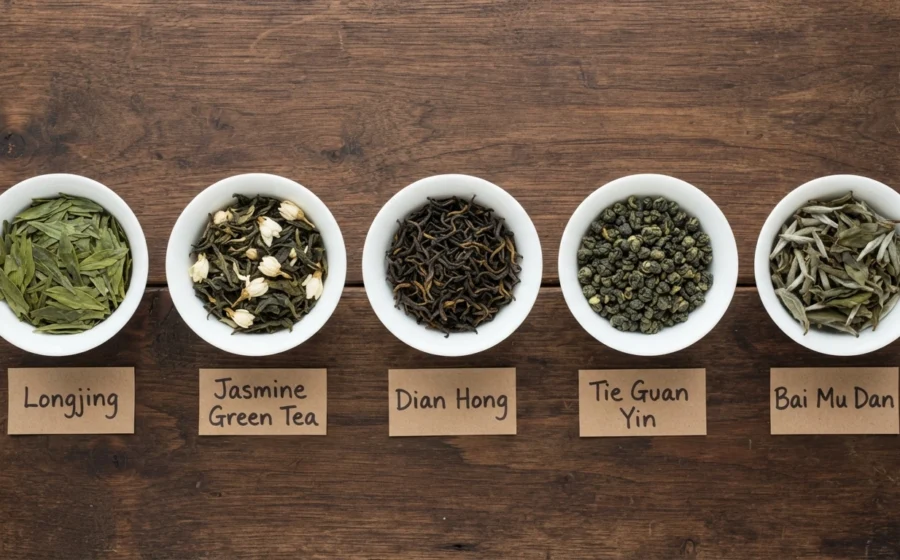
Light oolongs such as Tie Guan Yin or Taiwanese high mountain teas often feel more uplifting and quick in effect. Dark roasted oolongs like Wuyi rock teas tend to feel deeper, steadier, and more sustained.
In reality, caffeine differences between oolong types are not extreme. What changes more noticeably is how the tea energy feels, influenced by aroma, body, and roast level.
How to Control Caffeine in Oolong Tea
You can easily adjust caffeine levels through brewing:
- Use fewer leaves for a lighter cup
- Shorten steeping time for gentler extraction
- Lower water temperature slightly
- Choose lighter oolongs for evening drinking
These adjustments let you control your caffeine intake without changing teas completely.
Is Oolong Tea Good for Focus and Daily Drinking?
Oolong tea is often described as providing calm, steady focus rather than a sharp energy spike.
Many people find it useful for work, reading, or long afternoons because it supports concentration without the jittery feeling sometimes associated with coffee.
This makes oolong tea a strong candidate for a daily coffee alternative, especially when you want energy that feels smooth and balanced.
Tea Passage Tasting Experience: How Oolong Tea Feels in Real Life
At Tea Passage, we often notice that people are surprised by how balanced oolong tea feels compared to coffee. It is less about intensity and more about stability.
In our experience, lightly oxidized oolongs like Tie Guan Yin provide a gentle and steady lift, rather than a sudden caffeine spike. This is one reason many people begin switching to oolong tea for afternoon focus and replace their second coffee of the day.
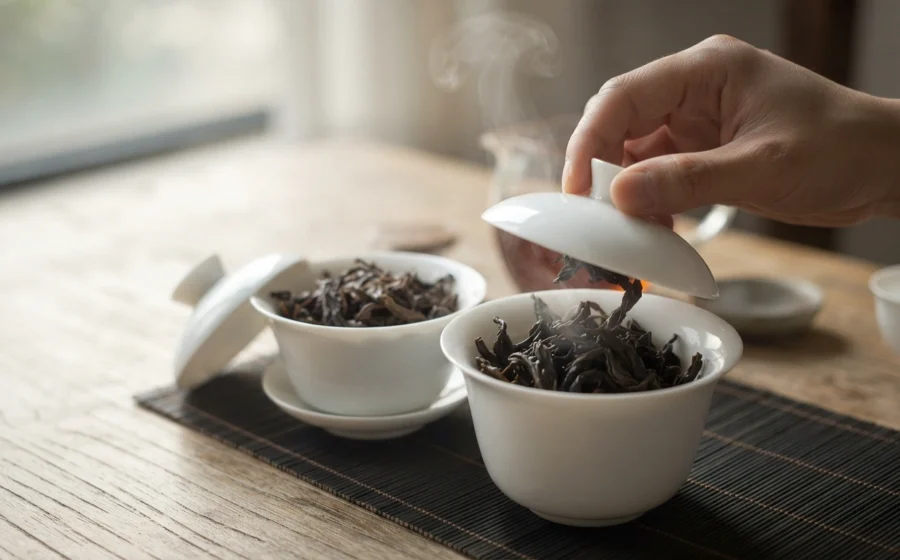
We also find that brewing method plays a major role in how caffeine feels. A short Gongfu steep produces a lighter, calmer experience, while longer infusions with roasted oolongs feel stronger and more energizing.
For us, oolong tea is not simply about caffeine levels. It is about how the energy feels in the body — smooth, clear, and sustained across time.
At Tea Passage, we select loose leaf oolong teas based on balance, aroma clarity, and overall drinking experience. Our goal is to help people explore Chinese tea in a simple and approachable way, starting from real taste rather than theory.
Frequently Asked Questions (FAQs)
Yes, in most cases oolong tea contains slightly more caffeine than green tea, typically around 10–15 mg more per cup.
It depends on your sensitivity. Since oolong contains caffeine, it may affect sleep if consumed late. Lighter oolongs with short steeping are generally more suitable if you drink tea in the evening.
No. Coffee contains significantly more caffeine than oolong tea. However, oolong provides a smoother and more balanced energy experience.
Yes. Longer steeping time, hotter water, and more tea leaves all increase caffeine extraction. Shorter, cooler brews reduce it.