Quick Answer
Cold brew tea is made by steeping tea leaves in cold or room-temperature water for several hours instead of using hot water. The process is simple: add tea leaves to water, place the container in the refrigerator for 6–12 hours, strain the leaves, and enjoy.
Because cold water extracts tea more slowly, the result is usually smoother, sweeter, and less bitter than traditionally brewed tea. It is an easy way to enjoy loose leaf tea, especially during warmer months when a hot cup of tea is not always what you want.
I used to think making iced tea meant brewing a pot of hot tea, waiting for it to cool, and then adding ice at the end.
The problem was that the tea often changed while I was waiting. The flavor became sharper, sometimes slightly bitter, and the fresh aroma I enjoyed when the tea was hot seemed to disappear. Making iced tea felt like turning a good cup of tea into something that was simply cold.
Cold brewing changed the way I think about tea.
There is no rush. No boiling water. No timer beside the kettle. You simply add tea leaves to water, place the jar in the refrigerator, and let time do the work. The next morning, you have a smooth, refreshing tea waiting for you.
What surprised me most was not just the convenience. It was the flavor. Cold brewed tea often feels softer and sweeter, allowing the natural character of the leaves to appear without the sharpness that can come from hotter temperatures.
This is not a guide about doing things the “correct” way. Tea does not need complicated rules. It is simply what I have learned from making cold brew tea at home, and why I think it is one of the easiest ways for beginners to enjoy loose leaf tea.
What Is Cold Brew Tea?
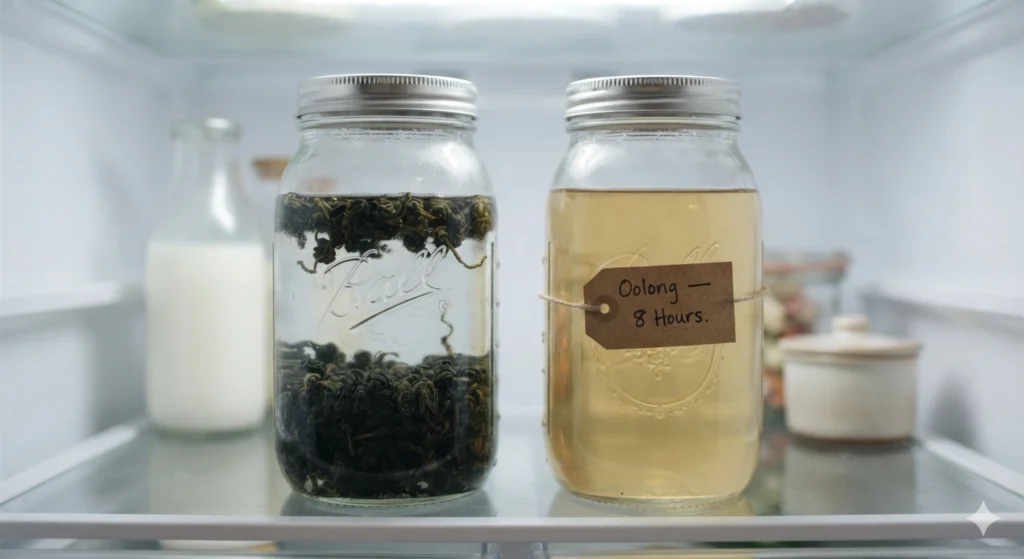
Cold brew tea is made by extracting tea leaves in cold or room-temperature water over several hours.
Unlike traditional tea brewing, which uses hot water to quickly release flavor compounds from the leaves, cold brewing relies on a slower extraction process. The lower temperature changes how the different components of the tea are released into the water.
Hot water is efficient. It quickly extracts aroma, caffeine, tannins, and other compounds from the leaves. This creates a stronger and more immediate flavor, but it also means delicate teas can become bitter if the water is too hot or the steeping time is too long.
Cold water works differently.
The slower extraction process gradually brings out the tea’s natural sweetness, floral notes, and softer flavors while reducing some of the bitterness and astringency that many beginners associate with tea.
The result is not simply hot tea that has been chilled. Cold brew tea has its own character.
A lightly oxidized oolong may become more floral and creamy. A jasmine green tea may taste sweeter and cleaner. A white tea may reveal gentle honey-like notes that are easy to miss when brewed with hotter water.
Cold brewing gives the leaves more time to open slowly.
Why I Like Cold Brew Tea
The first reason is simple: it fits into everyday life.
I do not need to stop what I am doing to prepare it. I can make a bottle in the evening, put it in the refrigerator, and forget about it. The next day, the tea is ready.
There is something satisfying about that small preparation. The tea is waiting quietly, changing slowly overnight, without requiring constant attention.
The second reason is the taste.
Cold brew tea feels gentler than hot brewed tea. The flavors are often smoother and more balanced. A Tie Guan Yin that might become sharp when brewed too hot can become softer, with a creamy texture and floral sweetness. Jasmine green tea can keep its fragrance while losing some of the bitterness that sometimes appears during longer hot brewing.
The cold water does not force the leaves open. It allows them to reveal themselves gradually.
The third reason is that cold brewing changes the way I experience tea during summer.
A hot cup of tea asks you to slow down for a few minutes. Cold brew tea does something different. It gives you that same moment of attention, but in a way that fits a warmer day.
Opening the refrigerator, pouring a glass, noticing the aroma, and taking a quiet sip becomes its own small ritual.
What Tea Is Best for Cold Brew?
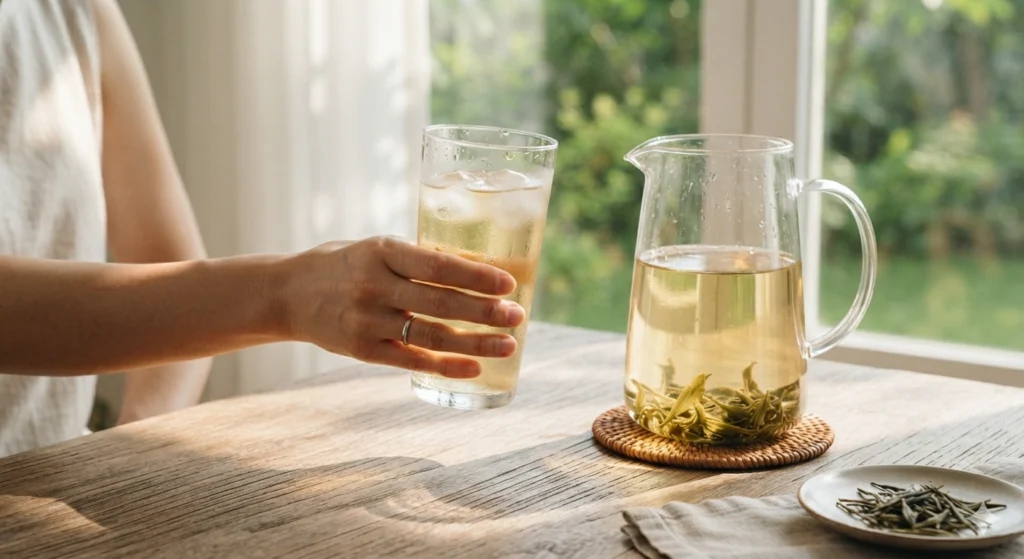
Not every tea produces the same result when cold brewed, but many loose leaf teas work beautifully with this method.
The best choices are usually teas with naturally clear aromas and balanced flavors. Since cold brewing highlights subtle characteristics, good quality leaves will always show more personality.
Green Tea
Green tea is one of the easiest places to start.
Chinese green teas such as Longjing and Jasmine Green Tea work especially well. Cold brewing brings out their fresh, sweet, and lightly floral character while keeping the cup clean and refreshing.
Longjing develops a gentle sweetness with its familiar chestnut-like aroma. Jasmine green tea becomes softer and more fragrant, with the floral scent feeling less sharp than in some hot brews.
Green tea usually needs around 4–8 hours of cold brewing.
Oolong Tea
Oolong is my favorite category for cold brewing.
The reason is the range of flavors oolong can offer. Depending on the style, you can discover floral, creamy, fruity, roasted, or mineral notes.
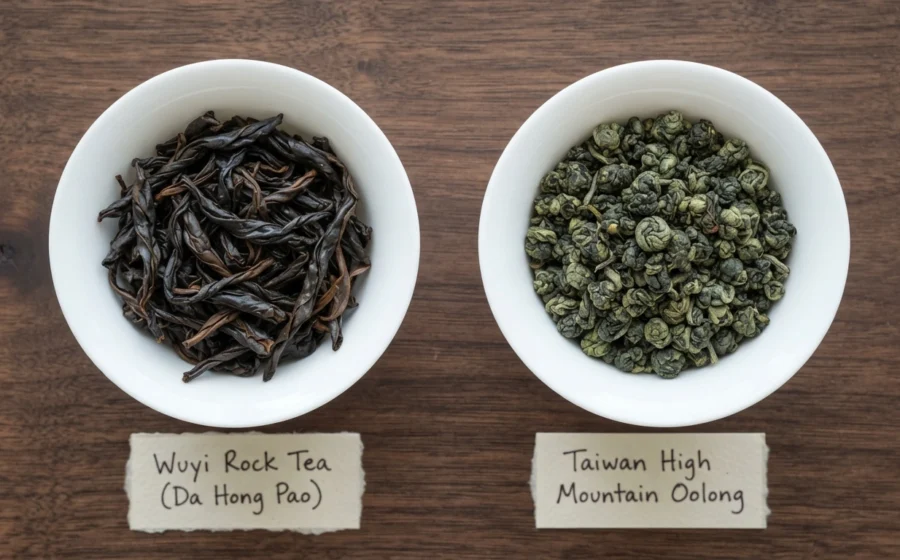
Light oolongs such as Tie Guan Yin and Taiwanese High Mountain Oolong are especially enjoyable. Cold water highlights their orchid-like fragrance, smooth texture, and natural sweetness.
More developed oolongs can also be interesting. A roasted oolong like Da Hong Pao becomes softer when cold brewed. The roasted character remains, but the warmth of the roast is balanced by a smoother, cleaner finish.
Oolong usually needs around 6–12 hours.
White Tea
White tea is another excellent choice for beginners.
Teas such as Bai Mu Dan and Shou Mei create a soft, gentle cold brew with notes of sweetness, flowers, and sometimes honey.
Because white tea is usually less aggressive than many other tea styles, it works naturally with the slower extraction of cold brewing.
A typical cold brew time is around 6–10 hours.
Black Tea
Black tea can also be cold brewed, especially if you enjoy a stronger and more traditional iced tea style.
Cold brewing softens the heavier character of black tea while keeping its deeper flavors. Depending on the tea, you may notice fruity, malty, or caramel-like notes.
Black tea usually requires a longer steeping time, around 8–12 hours.
Not every tea is equally suited for cold brewing. Some darker or heavily processed teas may not show their best qualities through this method. But for green tea, white tea, oolong, and black tea, cold brewing is a simple way to discover another side of the leaf.
The same tea can feel completely different depending on how you prepare it.
How To Make Cold Brew Tea (Step-by-Step)
Making cold brew tea does not require special equipment. A glass jar, good water, tea leaves, and time are enough.
The most important thing is to start with good quality loose leaf tea. Cold brewing does not hide the character of the leaves. Instead, it often makes the natural qualities of the tea more noticeable.
Step 1: Choose Your Tea
Loose leaf tea is usually the best choice for cold brewing.
Whole leaves have more space to slowly open in the water, allowing the flavors to develop gradually. Compared with tea bags, loose leaf tea usually produces a cleaner aroma and more layered taste.
A general starting ratio is:
5–8 grams of tea per 500 ml of water
You can adjust this depending on the tea and your preference.
Lighter teas may need slightly more leaf to create enough flavor, while stronger teas may require less.
Step 2: Add Cold Water
Use clean, filtered water if possible.
Water quality matters because cold brewing contains no high temperature to quickly extract flavors. The water itself becomes a larger part of the final taste.
Add the tea leaves directly into the container, then fill it with cold or room-temperature water.
Do not brew with hot water and then chill it.
The entire character of cold brew tea comes from the slow extraction process.
Step 3: Refrigerate and Wait
Place the container in the refrigerator and allow the tea to steep.
The timing depends on the tea style:
| Tea Type | Cold Brew Time |
|---|---|
| Green Tea | 4–8 hours |
| White Tea | 6–10 hours |
| Oolong Tea | 6–12 hours |
| Black Tea | 8–12 hours |
These times are only a starting point.
Tea is not a fixed formula. A shorter steep may highlight freshness and aroma. A longer steep may create a deeper, fuller flavor.
The easiest method is to taste your first batch and adjust the next one.
Step 4: Strain and Enjoy
Once the tea reaches the flavor you like, remove the leaves.
You can drink cold brew tea directly, pour it over ice, or add a small amount of lemon if you enjoy a brighter flavor.
Personally, I prefer drinking it without additions.
A well-made cold brew already has its own sweetness, aroma, and texture. Adding sugar often covers the qualities that make the tea interesting.
How Long Should You Cold Brew Tea?
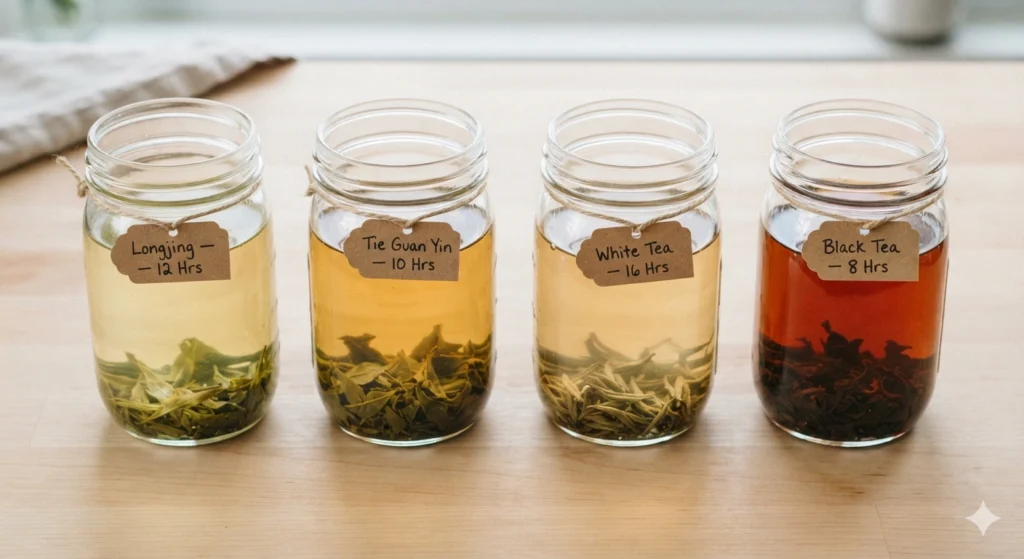
There is no single perfect steeping time.
Cold brewing is more forgiving than hot brewing, but time still changes the final cup.
A shorter steep usually creates a lighter, fresher tea with clearer aroma.
A longer steep creates a stronger infusion with more body.
For beginners, these ranges work well:
| Tea Type | Recommended Time |
|---|---|
| Green Tea | 4–8 hours |
| White Tea | 6–10 hours |
| Oolong Tea | 6–12 hours |
| Black Tea | 8–12 hours |
If the tea tastes too strong or slightly dry, reduce the steeping time.
If it tastes too weak, add more leaves or extend the brewing time.
The goal is not maximum extraction. The goal is balance.
Cold Brew Tea vs Hot Brewed Tea
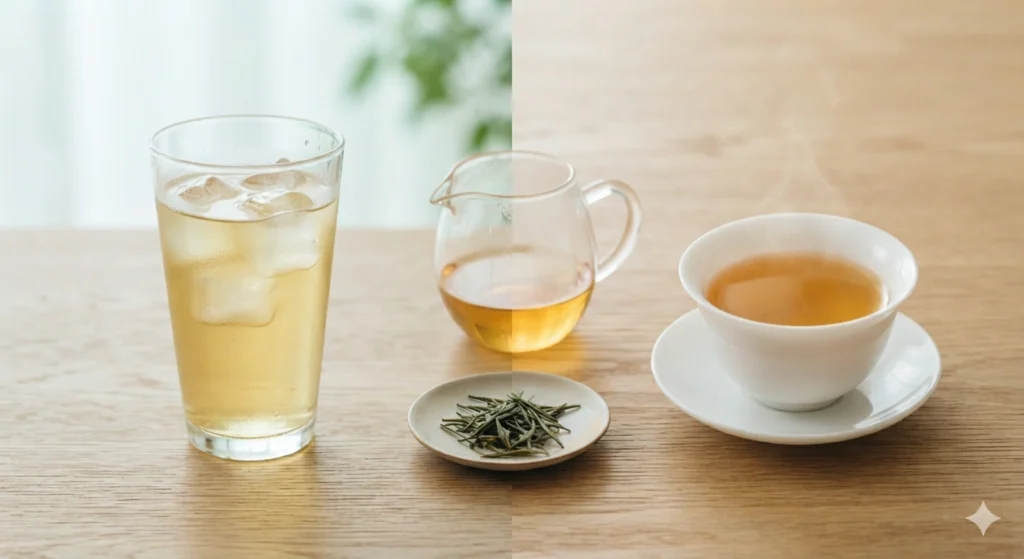
Cold brewing and hot brewing are not competing methods. They simply reveal different sides of the same tea.
| Aspect | Cold Brew | Hot Brew |
|---|---|---|
| Temperature | Cold water | Hot water |
| Time | Several hours | Several minutes |
| Flavor | Smooth, sweet, gentle | Strong, aromatic, immediate |
| Bitterness | Usually lower | More noticeable if over-steeped |
| Experience | Refreshing and relaxed | Focused and traditional |
Hot brewing is often better when you want to explore the full aroma of a tea immediately.
Cold brewing is different. It creates a softer expression of the leaf.
A floral oolong may feel more creamy. A green tea may become sweeter. A roasted tea may feel smoother and more integrated.
Neither method replaces the other.
For me, they serve different moments.
A warm Gongfu tea session belongs to a quiet morning or evening. A bottle of cold brew belongs to a summer afternoon when you want tea without slowing everything down.
Common Cold Brew Tea Mistakes
Using Too Much Tea
Because cold brewing takes longer, some people assume they need a large amount of leaves.
Usually, this is unnecessary.
Too much tea can create a concentrated flavor that feels heavy rather than refreshing.
Start with a moderate amount and adjust after tasting.
Brewing for Too Long
Longer does not always mean better.
Especially with green tea, excessive steeping can reduce freshness and make the flavor less lively.
If you are trying cold brew for the first time, taste the tea earlier than you expect. You may find that the best flavor appears before the maximum recommended time.
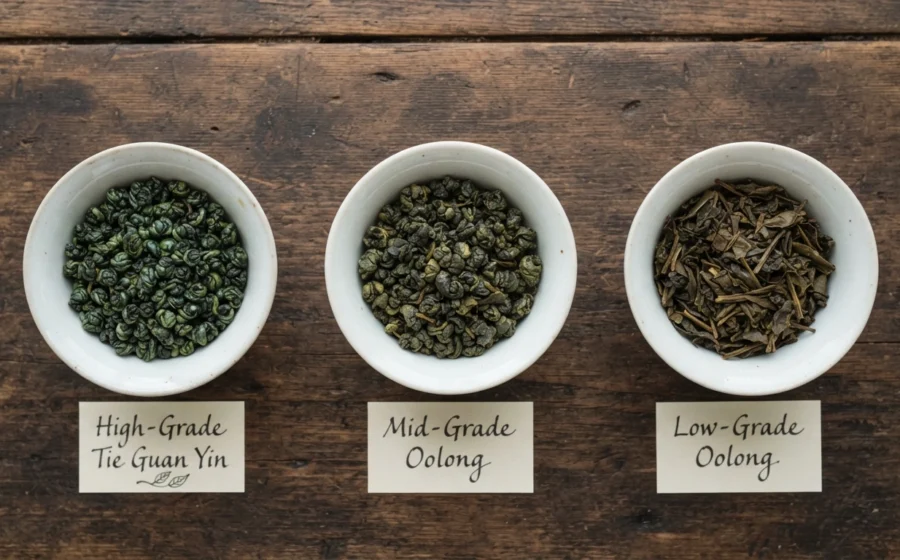
Using Low-Quality Tea
Cold brewing highlights the true character of the leaves.
A tea with poor aroma or weak structure will not suddenly become excellent when cold brewed.
In some cases, flaws become even easier to notice because the bitterness and strong flavors from hot brewing are no longer covering them.
Good tea creates good cold brew.
Can You Cold Brew Loose Leaf Tea?
Yes. Loose leaf tea is actually one of the best choices for cold brewing.
Whole leaves slowly absorb water and gradually release their aroma and flavor. This creates a smoother and more complete infusion.
Tea bags can also work, but they often release flavor faster because the leaves are broken into smaller pieces.
If using tea bags, you may need to adjust the amount and steeping time carefully to avoid an unbalanced taste.
For anyone exploring Chinese tea, loose leaf is usually the better experience.
The shape of the leaf, the aroma after warming, and the changes across multiple infusions are all part of understanding the tea.
How Long Does Cold Brew Tea Last?
Cold brew tea should always be stored in the refrigerator.
A practical guideline is to drink it within 3–5 days when kept in a sealed container.
For the best flavor, many tea drinkers prefer finishing it within a few days, while the aroma and freshness are still at their best.
I usually make a jar that lasts two or three days. That way, the tea stays fresh, and I can enjoy it at its best rather than letting it sit too long.
My Favorite Cold Brew Tea Experiences
Different teas reveal different personalities when cold brewed.
Tie Guan Yin is one of my favorites.
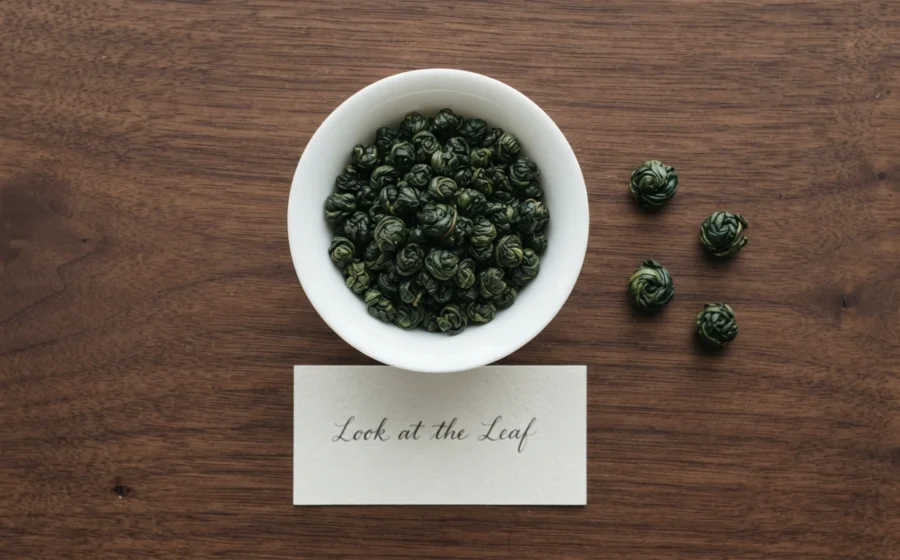
The rolled leaves slowly open in the water overnight. By morning, the tea becomes a pale golden color with a gentle orchid-like fragrance. The texture feels smooth and creamy, with a sweetness that stays at the back of the throat.
It is not a loud tea.
It is quiet, soft, and easy to return to.
Da Hong Pao creates a completely different experience.
The roasted character remains, but cold brewing softens the edges. The mineral depth becomes smoother, and the heavier roasted notes feel more balanced. It is a reminder that even a traditional roasted oolong can have a refreshing side.
Longjing is another tea I enjoy cold brewing.
The chestnut aroma becomes lighter, while the sweetness becomes more noticeable. Instead of the warm, comforting feeling of hot Longjing, cold brew Longjing feels clean and bright, like a spring afternoon in a glass.
This is one of the things I enjoy most about tea.
The same leaf can tell a different story depending on how you approach it.
Frequently Asked Questions
How long does cold brew tea last?
Cold brew tea usually lasts 3–5 days in the refrigerator when stored in a sealed container. For the best flavor, it is better to enjoy it while the aroma and freshness are still noticeable.
Can I cold brew tea overnight?
Yes. Overnight cold brewing is one of the easiest methods.
Add tea leaves and water before going to bed, place the container in the refrigerator, and the tea will usually be ready the next morning.
Is cold brew tea stronger than hot tea?
Not necessarily.
Cold brewing extracts tea differently. It usually creates a smoother and less bitter cup rather than a stronger one. The flavor may feel softer, even though the tea can still have good depth.
What is the best tea for cold brew?
It depends on your preference.
- Green tea: fresh and sweet
- Oolong tea: floral, creamy, and layered
- White tea: soft and honey-like
- Black tea: deeper and more robust
Oolong is especially enjoyable because its wide range of flavors gives cold brewing many possibilities.
Do I need special equipment to cold brew tea?
No.
A glass jar, tea leaves, water, and a refrigerator are enough.
Can I reuse cold brew tea leaves?
Some teas can be reused, although the second cold brew will usually be lighter.
For high-quality loose leaf oolong, experimenting with another infusion can be interesting because the tea may reveal different layers over time.
Cold brew tea is a slower way of making tea, but it is not a complicated one.
It asks for only a few things: good leaves, clean water, and patience.
What it gives back is a different relationship with tea. The aroma is softer. The sweetness is clearer. The leaf reveals itself gradually instead of all at once.
At Tea Passage, we believe tea is not only about preparation methods. It is about noticing the small details: the fragrance when the leaves open, the texture of the tea on the palate, and the quiet moment that follows each sip.
Sometimes the best way to understand a tea is simply to give it time.