Quick Answer
Phoenix Dancong is a family of Chinese oolong teas from the Phoenix Mountains in Chaozhou, Guangdong. Its varieties are often identified by distinctive aroma names, including Mi Lan Xiang (Honey Orchid), Ya Shi Xiang (Duck Shit Aroma), and Huang Zhi Xiang (Gardenia Aroma). These names describe the fragrances the teas evoke; they do not necessarily indicate added ingredients. Each variety can offer a different balance of floral notes, honeyed sweetness, fruitiness, and roasted character. For beginners, Mi Lan Xiang is a good starting point, while Ya Shi Xiang offers a more pronounced floral experience.
The names of Phoenix Dancong teas can seem unusual at first. Honey Orchid, Almond Aroma, Gardenia, and even Duck Shit Aroma sound more like perfume descriptions than tea varieties. Yet these names offer a useful introduction to one of the most aromatic and varied groups of Chinese oolong tea.
To understand Dancong, it helps to look beyond the names. The real differences emerge when you smell the dry leaves, taste the brewed tea, and notice how its aroma and texture change over several infusions.
What Makes Phoenix Dancong Different From Other Oolong Teas?
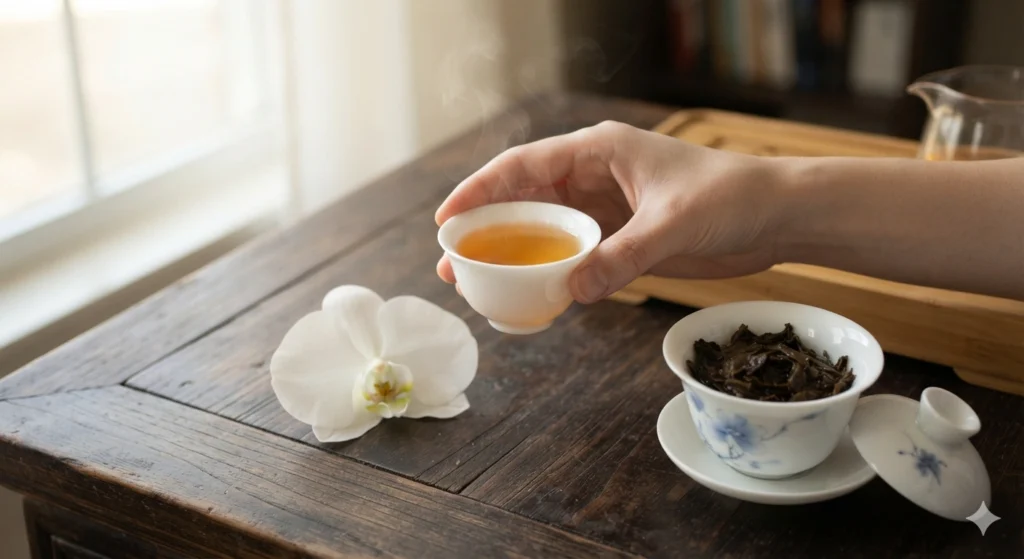
Phoenix Dancong comes from the Phoenix Mountains, also known as Fenghuang Shan, in Chaozhou, Guangdong Province, China. It belongs to the oolong family, but its range of recognizable floral and fruity aromas gives it a distinctive identity.
The name Dancong is often translated as “single bush.” Historically, the term is associated with selecting individual tea trees or particular tree lines for their distinctive characteristics. Today, commercial use of the name can be broader, so it should not automatically be taken to mean that every tea sold as Dancong comes from one individual tree.
Much of Dancong’s character comes from the interaction of cultivar, growing conditions, and processing. Different plants can develop different aromatic profiles, while oxidation and roasting also influence the finished tea. The result is a wide range of styles, from bright, floral cups to teas with deeper honeyed, fruity, nutty, or roasted notes.
Aroma names help tea drinkers describe these differences. However, they are not a guarantee that every batch will smell or taste exactly the same. Harvest conditions, processing, storage, and brewing all affect what appears in the cup.
The Main Types of Phoenix Dancong Tea
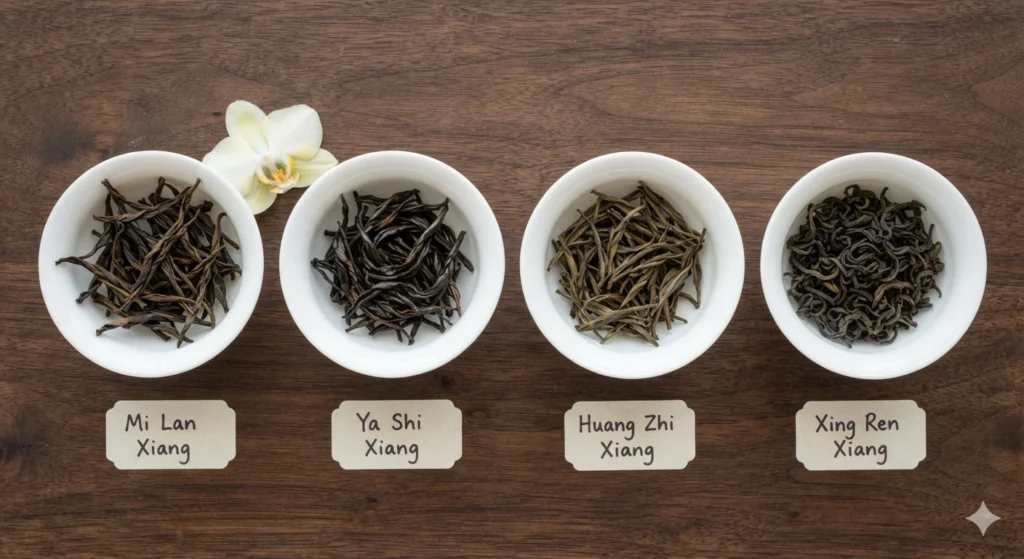
The varieties below are among the better-known names that tea drinkers may encounter. This is not a complete catalogue, and naming practices can vary among growers, sellers, and regional classification systems.
1. Mi Lan Xiang (Honey Orchid Aroma)
Typical aroma: Honeyed sweetness, floral notes, and sometimes ripe fruit.
Mi Lan Xiang is a popular starting point for exploring Phoenix Dancong. Its aroma often combines a honey-like sweetness with a soft floral character. Depending on the tea, you may also notice ripe-fruit notes and a rounded mouthfeel.
The balance between sweetness and fragrance makes Mi Lan Xiang approachable without making it one-dimensional. A well-brewed cup can feel smooth and full, with sweetness that lingers after you swallow.
When tasting it, pay attention to more than the first burst of aroma. Smell the warmed leaves, take a small sip, and notice how the sweetness develops across your palate. The finish can reveal details that are easy to miss when you focus only on fragrance.
For beginners, Mi Lan Xiang is often a sensible first Dancong to try. It offers a clear introduction to the category’s aromatic character without requiring you to identify every individual note.
2. Ya Shi Xiang (Duck Shit Aroma / Silver Flower Aroma)
Typical aroma: Pronounced floral fragrance, sometimes accompanied by creamy or mineral impressions.
Ya Shi Xiang is one of the most widely discussed Phoenix Dancong varieties, partly because of its memorable name. The name is associated with local stories, including the claim that a grower used an unappealing name to discourage others from stealing prized tea plants. The exact origin of the story can be difficult to establish, so it is best treated as a traditional anecdote rather than a verified historical account.
The name does not describe the taste. Ya Shi Xiang is commonly appreciated for its pronounced floral fragrance, which may be accompanied by gardenia-like, creamy, or mineral impressions. Its character varies from one tea to another, and a strong aroma alone does not establish quality.
You may also encounter the name Yin Hua Xiang (Silver Flower Aroma) in discussions of this tea. Naming and classification practices can vary, so it is safer to check the seller’s description rather than assume that every use of the two names follows one universal naming rule.
When brewed carefully, Ya Shi Xiang can feel layered rather than simply floral. Notice how the aroma rises from the cup, how the tea feels in your mouth, and whether a sweet aftertaste remains once the liquid is gone.
3. Huang Zhi Xiang (Gardenia Aroma)
Typical aroma: Bright floral notes reminiscent of gardenia, sometimes with honeyed undertones.
Huang Zhi Xiang is associated with the fragrance of gardenia flowers. Its aroma is often described as bright and lifted, with a clean floral quality that may be accompanied by gentle sweetness.
Compared with a richer or creamier Dancong, some examples of Huang Zhi Xiang can feel more delicate and refreshing. However, the distinction is not absolute: growing conditions and processing can produce noticeable differences between batches.
This variety may appeal to drinkers who enjoy floral teas but prefer a more focused fragrance over a heavier, more rounded impression. During a tasting, look for how the floral aroma carries through the sip and whether the finish remains clean and sweet.
4. Xing Ren Xiang (Almond Aroma)
Typical aroma: Nutty, gently sweet, and sometimes reminiscent of roasted almonds.
Xing Ren Xiang offers a different direction from the more overtly floral Dancong varieties. Its aroma may suggest almonds or other nuts, with a warm sweetness and a rounded texture.
The almond association describes a sensory impression, not an ingredient. The tea’s actual character depends on the leaves and how they were processed. Some examples may lean toward a fresh, sweet nuttiness, while others have a deeper or more roasted profile.
If you usually enjoy roasted oolongs, Xing Ren Xiang may be worth exploring. As you drink, notice whether the nutty impression appears mainly in the aroma or also comes through in the taste and finish. That distinction can help you describe the tea more precisely.
5. Zhi Lan Xiang (Orchid Aroma)
Typical aroma: Orchid-like florals, delicate sweetness, and a lingering fragrance.
Zhi Lan Xiang is associated with the scent of orchids. Depending on the tea, the floral character may feel delicate and airy or more concentrated and persistent.
Rather than judging it by intensity alone, pay attention to how the aroma integrates with the tea’s body. Does the fragrance remain clear as you sip? Does the liquor feel smooth, and does sweetness linger after swallowing?
For drinkers who enjoy floral teas, Zhi Lan Xiang offers another point of comparison with Mi Lan Xiang and Huang Zhi Xiang. Tasting them side by side can help you distinguish honeyed sweetness from brighter floral notes and a more focused orchid-like fragrance.
6. Gui Hua Xiang (Osmanthus Aroma)
Typical aroma: Sweet, floral notes reminiscent of osmanthus, sometimes with a fruity impression.
Gui Hua Xiang is associated with the fragrance of osmanthus blossoms. Its aroma is often described as sweet and floral, with a gentle fruit-like quality that can make the tea feel warm and inviting.
Some examples lean toward honeyed sweetness, while others have a lighter floral character. Rather than expecting every cup to taste the same, pay attention to the relationship between fragrance, sweetness, and the finish.
Gui Hua Xiang may appeal to drinkers who enjoy floral teas but prefer a softer profile over a sharply pronounced aroma.
7. Yu Lan Xiang (Magnolia Aroma)
Typical aroma: Fresh, clean florals reminiscent of magnolia.
Yu Lan Xiang takes its name from the fragrance of magnolia blossoms. Its aroma is often described as fresh and floral, sometimes with a delicate sweetness.
Compared with more honeyed or roasted styles, some examples may feel lighter and more refreshing. However, the name alone cannot tell you exactly how intense the aroma will be or how full the tea will feel.
If you enjoy delicate floral fragrances, Yu Lan Xiang is worth comparing with Zhi Lan Xiang. Smell the warmed leaves first, then taste the liquor slowly. Notice whether the floral character feels soft and airy or more concentrated, and how long it remains after each sip.
8. Jiang Hua Xiang (Ginger Flower Aroma)
Typical aroma: Distinctive floral notes, sometimes with a warm or spicy impression.
Jiang Hua Xiang is a less familiar name for many tea drinkers. It is associated with ginger flower, although the aroma of a particular tea may be more complex than the name suggests.
Depending on the batch, the fragrance may seem floral, warm, or slightly spicy. These descriptions are sensory impressions rather than fixed characteristics, so it is best to avoid expecting every Jiang Hua Xiang to have a strong ginger-like taste.
For experienced drinkers, this variety offers another way to explore the diversity of Phoenix Dancong. For beginners, it can be an interesting tea to try after becoming familiar with more widely available varieties such as Mi Lan Xiang.
Phoenix Dancong Types Compared
The table below summarizes common tasting descriptions. These are general guides, not guarantees: individual teas can differ according to their growing conditions, processing, storage, and brewing.
| Variety | Typical Aroma | General Flavor Impression | Who Might Enjoy It |
|---|---|---|---|
| Mi Lan Xiang | Honey, floral notes | Sweet, rounded, sometimes fruity | Beginners and drinkers who enjoy balanced flavors |
| Ya Shi Xiang | Pronounced floral fragrance | Layered, sometimes creamy or mineral | Those who enjoy expressive floral aromas |
| Huang Zhi Xiang | Gardenia-like florals | Bright, clean, sometimes honeyed | Drinkers who prefer a fresh floral character |
| Xing Ren Xiang | Almond, nutty notes | Warm, rounded, gently sweet | Fans of nutty or roasted tea profiles |
| Zhi Lan Xiang | Orchid-like florals | Delicate sweetness and lingering fragrance | Those who enjoy focused floral aromas |
| Gui Hua Xiang | Osmanthus-like florals | Sweet, floral, sometimes fruity | Drinkers who prefer softer floral notes |
| Yu Lan Xiang | Magnolia-like florals | Fresh, delicate, and floral | Those who enjoy lighter aromatic styles |
| Jiang Hua Xiang | Ginger-flower association | Floral, sometimes warm or spicy | Curious drinkers exploring less familiar styles |
Remember that aroma intensity is not the same as tea quality. A fragrant tea may be enjoyable, but balance, texture, sweetness, clarity, and the finish matter too.
Are Phoenix Dancong Aroma Names Actual Ingredients?
No. Names such as Honey Orchid, Almond Aroma, and Gardenia Aroma generally describe the scents that a tea evokes. They do not mean that honey, almonds, or flowers have been added to the leaves.
Phoenix Dancong’s aroma develops through the tea plant’s characteristics and the way the leaves are grown and processed. Cultivar, growing environment, oxidation, and roasting can all influence the final fragrance.
However, a variety name by itself cannot prove how a particular product was made. If you want tea without added flavorings, check the product description and ask the seller about its ingredients and processing. A clear, natural aroma that remains pleasant across several infusions can be a useful part of your tasting assessment, but it is not conclusive proof that no flavoring has been used.
Which Phoenix Dancong Is Best for Beginners?
For many beginners, Mi Lan Xiang is a good place to start. Its honeyed and floral profile is approachable, and it gives you a useful reference point for understanding other Dancong varieties.
After that, choose according to the flavors you already enjoy:
- Prefer pronounced florals? Try Ya Shi Xiang or Zhi Lan Xiang.
- Enjoy fresh, delicate floral notes? Explore Huang Zhi Xiang or Yu Lan Xiang.
- Prefer nutty, warmer flavors? Xing Ren Xiang may suit your taste.
- Enjoy sweet floral aromas? Gui Hua Xiang is worth trying.
- Want to explore something less familiar? Consider Jiang Hua Xiang.
You do not need to memorize every aroma name before you begin. Start with two varieties, taste them side by side, and make a few simple notes. Personal preference is more useful than following a universal ranking of teas.
How to Taste Different Phoenix Dancong Varieties
The most reliable way to understand the differences is to taste the teas yourself. Aroma descriptions provide a starting point, but the leaves and the liquor reveal details that a name cannot fully capture.
1. Smell the dry leaves
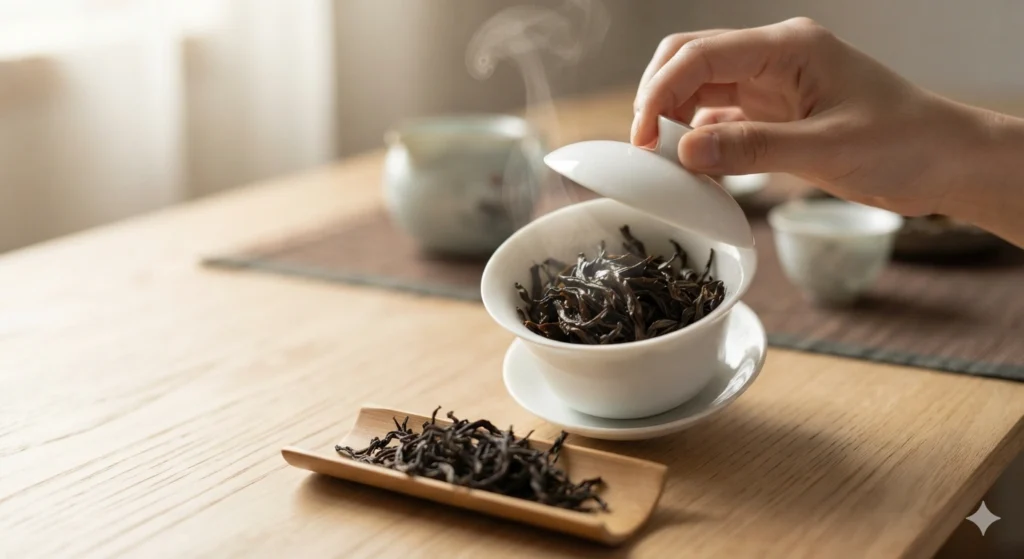
Look at the shape and color of the leaves, then smell them gently. Phoenix Dancong leaves are generally long and twisted, although their appearance varies. The dry-leaf aroma may hint at the tea’s character, but it is only the first part of the experience.
2. Warm the leaves
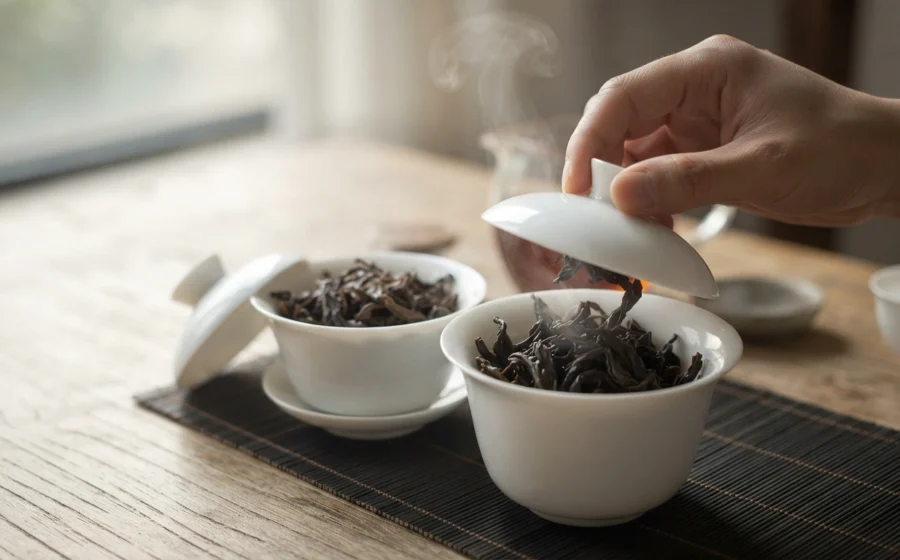
Place the leaves in a clean, dry gaiwan or teapot. Add hot water, then discard it if you use a brief warming rinse. Close the lid for a moment and smell the warmed leaves.
Heat can make the aroma easier to notice. Try describing what you smell in your own words before checking the variety’s advertised tasting notes. This helps you develop your palate instead of searching for a note simply because someone told you to expect it.
3. Pay attention to the first infusion
Brew the tea according to the seller’s guidance, adjusting the amount of leaf, water temperature, and steeping time to suit your equipment. Take a small sip and notice three things: aroma, mouthfeel, and finish.
Does the tea seem floral, honeyed, nutty, or roasted? Does it feel light and clean or round and full? After swallowing, does sweetness remain, or does the flavor fade quickly?
4. Compare the second and third infusions
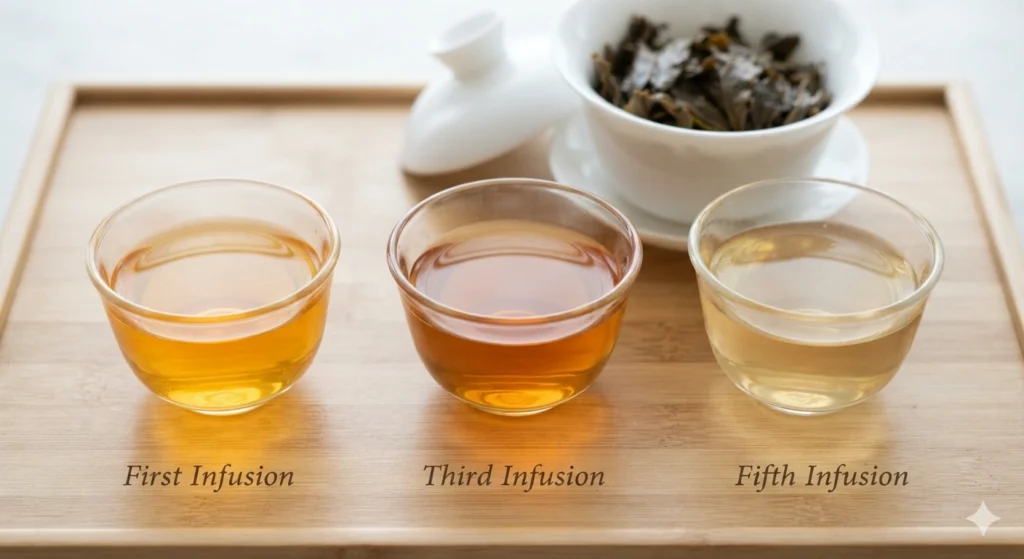
Do not judge a Dancong by the first infusion alone. As you brew again, the initial fragrance may soften, while sweetness, texture, or other flavor notes become easier to notice.
A good tea can remain balanced across multiple infusions, although the strength and character will change with each brew. There is no need to force a fixed number of infusions; stop when the tea no longer tastes enjoyable to you.
5. Taste two varieties side by side
A side-by-side tasting makes the differences easier to recognize. Compare Mi Lan Xiang with Ya Shi Xiang, for example, and ask yourself whether one seems more honeyed, more floral, or fuller in texture. Then try Huang Zhi Xiang alongside Zhi Lan Xiang and notice how their floral impressions differ.
Write down a few words after each cup. Over time, these personal notes will become more useful than memorizing a long list of aroma descriptions.
Frequently Asked Questions
What are the main types of Phoenix Dancong tea?
Commonly encountered varieties include Mi Lan Xiang (Honey Orchid), Ya Shi Xiang (Duck Shit Aroma), Huang Zhi Xiang (Gardenia), Xing Ren Xiang (Almond), Zhi Lan Xiang (Orchid), Gui Hua Xiang (Osmanthus), Yu Lan Xiang (Magnolia), and Jiang Hua Xiang (Ginger Flower). Naming systems and the varieties available can differ between producers and sellers.
Which Phoenix Dancong is best for beginners?
Mi Lan Xiang is a practical starting point because its honeyed and floral character is often approachable. If you prefer a more pronounced floral fragrance, Ya Shi Xiang may be a good next choice.
Is Duck Shit Aroma the same as Silver Flower Aroma?
Ya Shi Xiang is commonly known in English as Duck Shit Aroma, and Silver Flower Aroma (Yin Hua Xiang) is another name encountered in tea descriptions. Because naming and classification practices can vary, check the seller’s description rather than assuming that every label follows the same convention.
Are Phoenix Dancong teas artificially flavored?
The aroma names generally describe natural sensory characteristics rather than added ingredients. However, a variety name alone does not establish how a particular tea was processed. Check the product’s ingredient information and ask the seller if you want confirmation that no flavorings have been added.
Which Phoenix Dancong has the strongest aroma?
Ya Shi Xiang is often described as highly aromatic, but there is no reliable universal ranking for every batch. Aroma intensity depends on the tea and its preparation. A stronger fragrance does not automatically mean better quality; balance, texture, sweetness, and the finish also matter.
Are all Phoenix Dancong varieties made from different cultivars?
Many variety names are associated with particular cultivars or selected tea-tree lineages, but the relationship between a name and the material used can vary. The label alone does not guarantee that a commercial tea comes from one individual tree or a single cultivar.
Discover Phoenix Dancong Through the Cup
Phoenix Dancong is best understood through tasting rather than through names alone. Mi Lan Xiang may introduce you to honeyed sweetness, while Ya Shi Xiang and the other floral varieties offer different ways to explore fragrance, texture, and aftertaste.
As you compare them, take time to notice how the dry leaves smell, how the aroma changes when warmed, and how the tea develops from one infusion to the next. Those small differences are part of the pleasure of Chinese tea appreciation.
At Tea Passage, we approach tea as more than a list of flavors. We value the character of the leaf, the craft behind its processing, and the quiet experience of paying attention to what is in the cup. If you are ready to explore this aromatic family, begin with a variety that suits your taste and let the next infusion tell you something new.
Explore Our Phoenix Dancong Tea →
References and Sources
- 广东省地方标准 DB44/T 2816.4—2026: 单丛茶 第4部分:质量要求 — Provincial standard concerning Dancong tea quality requirements and classification.
- 潮州市地方标准 DB4451/T 1—2021: 地理标志产品 凤凰单丛(枞)茶 — Chaozhou geographic-indication standard for Fenghuang Dancong tea.
- 中国茶叶学会科普: 数一数乌龙茶的种质资源有哪些?② — Chinese Tea Society science article discussing oolong germplasm and Dancong aroma classifications.
- Liao Chang Xing Tea: What Are the Top 10 Aroma Profiles of Phoenix Dancong Oolong? — English-language overview of Dancong aroma names and representative varieties.
- TeaFYI: Dan Cong Oolong Guide — English-language introduction to Dancong oolong and its fragrance classifications.