Quick Answer
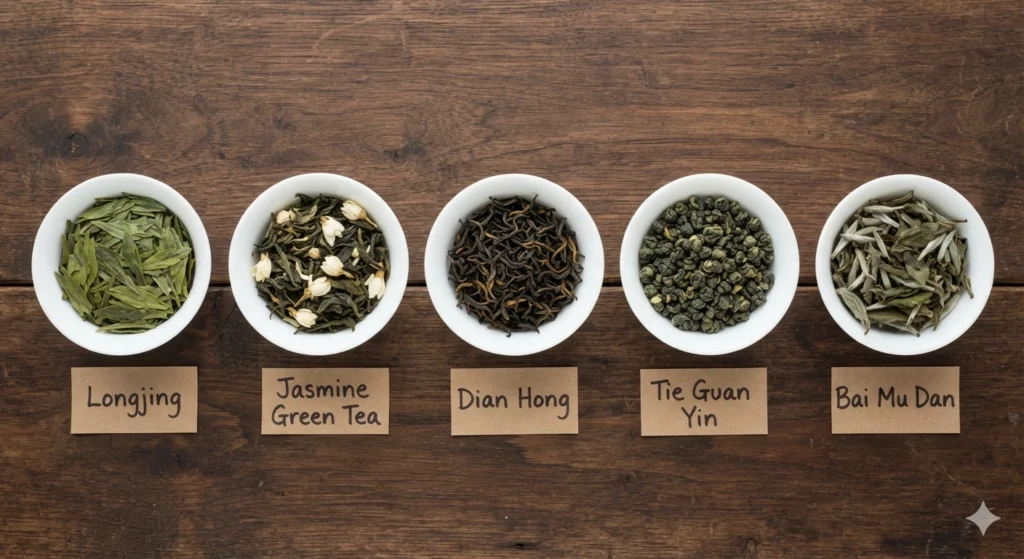
The best Chinese tea for beginners depends on the flavors you already enjoy. If you like floral aromas, start with jasmine green tea or a light Tie Guan Yin. If you prefer something warm, malty, and sweet, try a Chinese black tea such as Dian Hong. For fresh, nutty flavors, Longjing is a good choice, while Bai Mu Dan suits those who prefer a softer, more delicate cup. There is no single tea that suits everyone. Start with a flavor you enjoy, then explore other styles as your palate develops.
Chinese tea can seem overwhelming at first. There are six major tea categories—green, white, yellow, oolong, black, and dark—and each includes different varieties, origins, and processing styles. Terms such as oxidation, roasting, and cultivar may also feel unfamiliar when you are just starting out.
Fortunately, you do not need to learn everything before enjoying your first cup. Start with one tea, some hot water, and a few minutes to notice its aroma and flavor. You can learn the details along the way.
This guide introduces five approachable Chinese teas, explains what each one tastes like, and offers simple brewing advice. They are not ranked, and they are certainly not the only teas worth trying. Think of them as five starting points for discovering your own preferences.
Why Chinese Tea Can Feel Overwhelming at First
Chinese tea offers an enormous range of flavors. A green tea from Zhejiang can taste fresh and nutty, while an oolong from Guangdong may have a rich floral or fruity aroma. Although these teas come from the same plant, their processing methods create very different results.
For beginners, the easiest approach is to start with familiar flavors. If you enjoy flowers and fragrance, try a scented tea. If you usually drink breakfast tea, Chinese black tea may feel more familiar. If you prefer lighter, subtler flavors, consider white tea.
You do not need to memorize every tea category or brewing technique. Instead, brew the same tea a few times and notice how the aroma, texture, and finish change with different brewing conditions. That simple experience will teach you more than trying to understand every variety at once.
5 Best Chinese Teas for Beginners
1. Longjing (Dragon Well) Green Tea
What it tastes like
Longjing is a famous Chinese green tea known for its flat leaves and pan-fired character. It often has a warm, nutty aroma reminiscent of roasted chestnuts or toasted grain. The flavor is fresh and smooth, with a gentle sweetness when the tea is brewed well.
Who might enjoy it
Longjing is a good option if you enjoy clean, refreshing flavors with a little warmth. It may also appeal to people who already drink Japanese green tea and want to explore a different style of green tea.
A simple brewing starting point
- Water temperature: 75–80°C (167–176°F)
- Steeping time: 2–3 minutes
- Teaware: A glass cup, mug with a strainer, or small teapot
These are starting points rather than strict rules. If the tea tastes too bitter, try cooler water or a shorter steep.
What to notice when tasting
Before adding water, smell the dry leaves and look for a clean, fresh, lightly toasted aroma. After brewing, notice how the warm, nutty notes balance the tea’s freshness. Once you swallow, pay attention to the finish. A well-made Longjing can leave a gentle sweetness that lingers after the initial flavor fades.
2. Jasmine Green Tea
What it tastes like
Jasmine green tea usually starts with a green tea base that is scented with fresh jasmine flowers. The result combines floral fragrance with the fresh, gently vegetal character of green tea. Depending on the tea and scenting process, the flavor may be soft and sweet or more vivid and aromatic.
Who might enjoy it
Choose jasmine green tea if you enjoy floral aromas or want a tea whose fragrance is easy to recognize from the first sip. It is also widely available internationally, so beginners can often find it without searching for a specialist tea shop.
A simple brewing starting point
- Water temperature: 80–85°C (176–185°F)
- Steeping time: 2–3 minutes
- Teaware: A glass cup, mug with a strainer, or teapot
Very hot water and long steeping times can make the green tea base more bitter and distract from the floral aroma.
What to notice when tasting
Take a moment to smell the dry leaves before brewing. Once the water goes in, notice how the jasmine fragrance develops above the cup. As you sip, look for a balance between floral aroma and the underlying tea flavor.
Traditional jasmine tea is commonly made by scenting tea leaves with fresh jasmine flowers. However, production methods vary, so do not assume that every product uses the same process. A strong aroma alone does not guarantee quality; a pleasant, balanced cup matters more.
3. Chinese Black Tea: Dian Hong or Keemun
What it tastes like
Chinese black tea is known in Chinese as hong cha, meaning “red tea,” although the usual English name is “black tea.” Two well-known examples are Dian Hong from Yunnan and Keemun from Anhui.
Dian Hong often has a malty, honeyed character, sometimes with notes of dried fruit or cocoa. Keemun can be more delicate and aromatic, with a smooth body and complex fragrance. The exact profile depends on the tea and how it is processed.
Who might enjoy it
Chinese black tea is a natural starting point if you already enjoy breakfast tea or prefer warm, rounded flavors. It can be satisfying on its own, without milk or sugar, although you can prepare it according to your own taste.
A simple brewing starting point
- Water temperature: 85–90°C (185–194°F)
- Steeping time: 3–4 minutes
- Teaware: A mug, teapot, or cup with an infuser
If you prefer a stronger cup, adjust the leaf quantity or steeping time gradually rather than changing everything at once.
What to notice when tasting
Notice the aroma before your first sip. Depending on the tea, you may find honey-like sweetness, malt, dried fruit, or a gentle cocoa note. Then pay attention to the texture and finish. A good cup should feel balanced rather than unpleasantly harsh or drying.
If you are used to robust breakfast teas, try drinking Chinese black tea without additions at first. This makes it easier to notice its natural sweetness and individual character.
4. Light Oolong Tea: Tie Guan Yin
What it tastes like
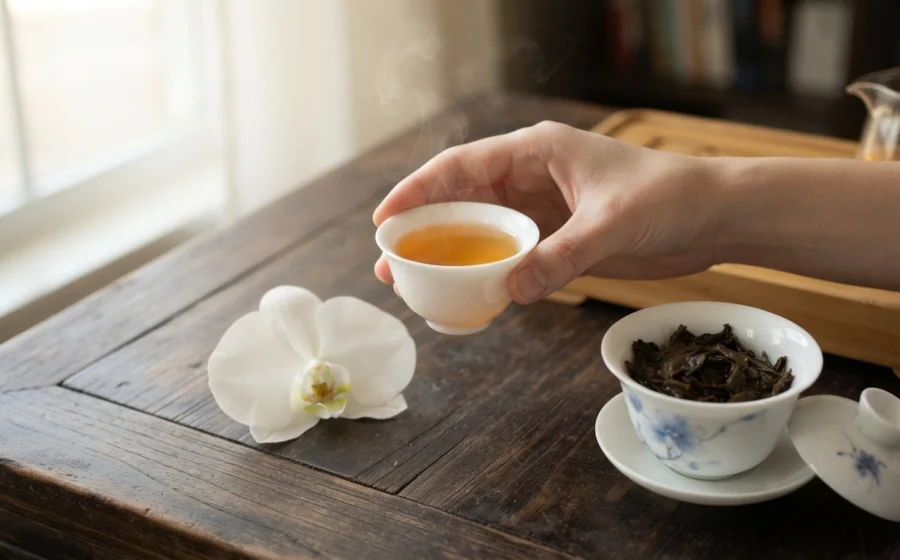
A lightly oxidized or lightly roasted style of Tie Guan Yin from Anxi, Fujian, can offer floral aromas, fresh vegetal notes, and a smooth, sometimes creamy texture. Orchid-like fragrance is often associated with this style, although individual teas vary.
Oolong is a broad category, however. Some oolongs are light and floral, while others are deeply roasted, fruity, woody, or mineral in character. Tie Guan Yin is one possible introduction, not a flavor profile that represents every oolong.
Who might enjoy it
Try a lighter Tie Guan Yin if you want a fragrant tea with more layers to explore. It can be especially rewarding if you enjoy noticing how a tea changes over several infusions.
A simple brewing starting point
- Water temperature: Around 90°C (194°F)
- Steeping time: 30–60 seconds for a small, concentrated infusion; longer if using a larger mug or teapot
- Teaware: A small teapot, gaiwan, or mug with an infuser
The appropriate steeping time depends on the amount of tea, the vessel, and the brewing method. Follow the seller’s instructions when available, then adjust to taste.
What to notice when tasting
Smell the warmed leaves between infusions and compare their aroma with the tea in your cup. The first infusion may seem fresh and floral, while later ones can reveal a rounder texture or different aromatic notes. Rather than looking for one perfect flavor, notice how the experience develops.
5. White Tea: Bai Mu Dan
What it tastes like
Bai Mu Dan, also called White Peony, is a Chinese white tea with a generally soft, delicate character. Depending on the harvest and processing, its flavor may suggest fresh hay, flowers, light fruit, or gentle honey-like sweetness.
White tea is often appreciated for its subtlety. Instead of delivering one powerful flavor, it can offer a more gradual experience as the tea cools and the aroma opens.
Who might enjoy it
Bai Mu Dan is worth trying if you prefer understated flavors or find heavily roasted teas too intense. It can also suit someone who wants to slow down and pay attention to small changes in aroma and texture.
A simple brewing starting point
- Water temperature: 85–90°C (185–194°F)
- Steeping time: 2–3 minutes
- Teaware: A mug, glass cup with a strainer, or teapot
White tea varies considerably, so these parameters are only a starting point. Try a slightly longer steep if the cup tastes too light.
What to notice when tasting
Give the tea a moment to cool before judging its flavor. Subtle sweetness and texture can become easier to notice when the tea is no longer very hot. White tea is not automatically healthier or lower in caffeine than other tea categories; its appeal lies in its particular flavor and character.
Which Chinese Tea Should You Try First?
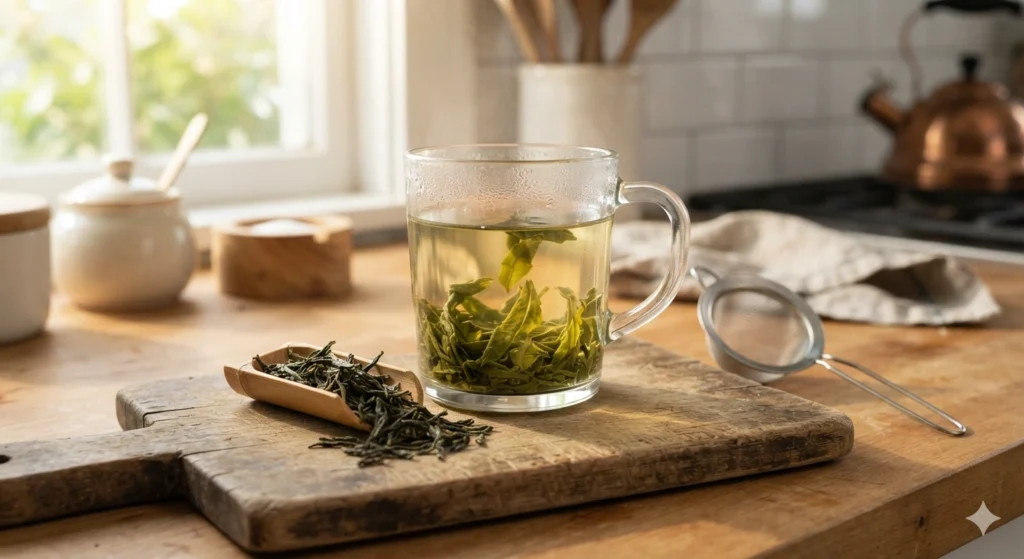
Use your existing taste preferences as a guide. You do not need to know much about tea to make a good first choice.
| If you prefer… | Try… | What you may enjoy |
|---|---|---|
| Floral and fragrant drinks | Jasmine green tea | Clear floral aroma with a fresh tea base |
| Fresh, nutty flavors | Longjing | Toasted notes, freshness, and a smooth finish |
| Warm, malty flavors | Dian Hong | Rounded sweetness and a fuller body |
| Delicate, aromatic tea | Keemun | Fragrance and a more refined, layered profile |
| Floral tea with changing infusions | Tie Guan Yin | Aromatic layers and evolving flavor |
| Soft, understated flavors | Bai Mu Dan | Gentle sweetness and a lighter texture |
These descriptions are general guides, not guarantees. Harvest, processing, storage, and brewing all influence the final cup. If possible, buy a small sample and taste it before committing to a larger bag.
How to Brew Chinese Tea as a Beginner
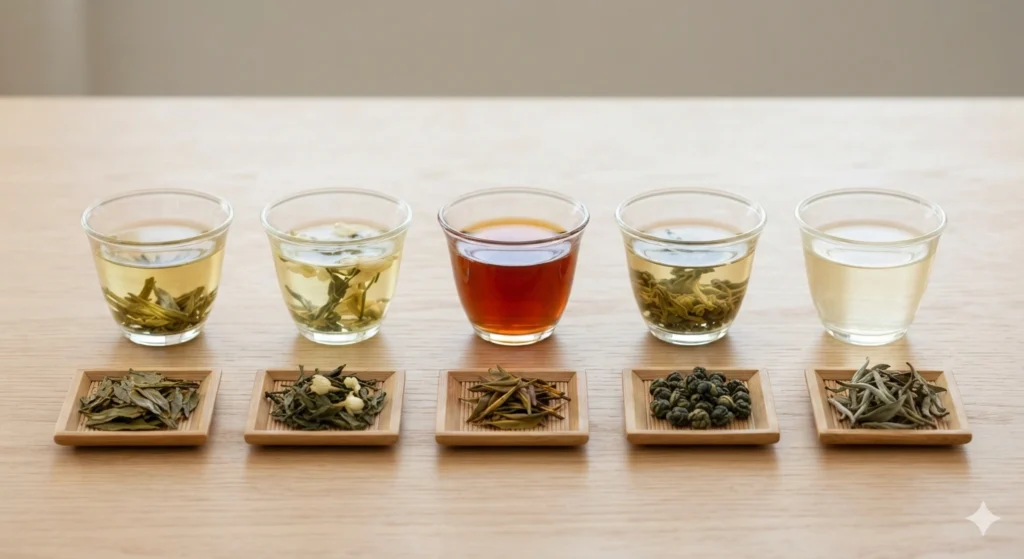
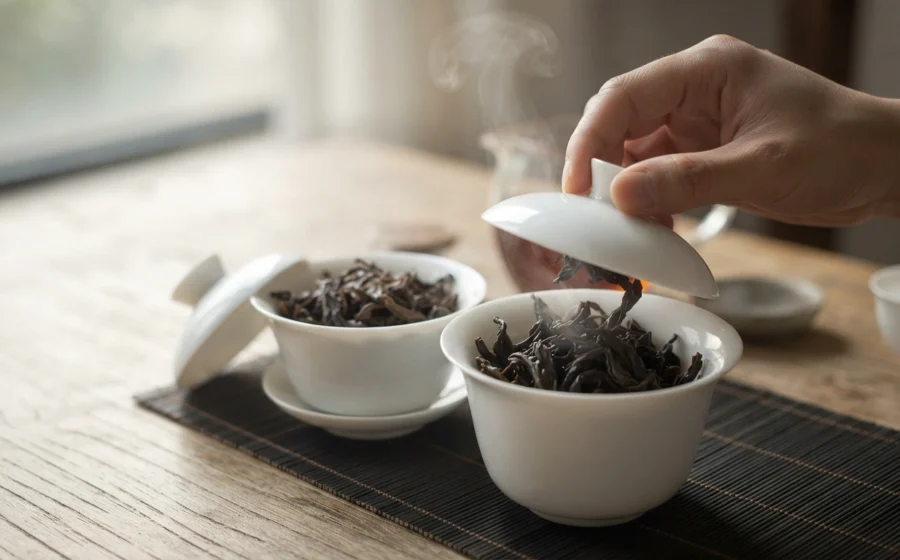
You do not need a gaiwan, a tea scale, or an expensive kettle to make a good cup. A regular mug, a simple teapot, or a glass with a strainer is enough to get started.
Begin with the temperature and steeping time suggested for your tea. Then adjust according to the result:
- If the tea tastes bitter: Try cooler water or a shorter steep.
- If the tea tastes weak: Add a little more leaf or steep slightly longer.
- If the aroma seems muted: Check whether the water is too hot or whether the tea has been stored for too long.
- If the flavor changes between cups: Notice the difference rather than assuming something has gone wrong.
As a broad starting point, many Chinese green teas benefit from water around 75–85°C (167–185°F), while many black teas and oolongs can be brewed at higher temperatures. White tea varies, so experiment within the tea’s recommended range. There is no single temperature rule that works for every tea.
When adjusting your brew, change one variable at a time. This helps you understand whether temperature, steeping time, or the amount of leaf makes the biggest difference.
What to Look for When Buying Your First Chinese Tea
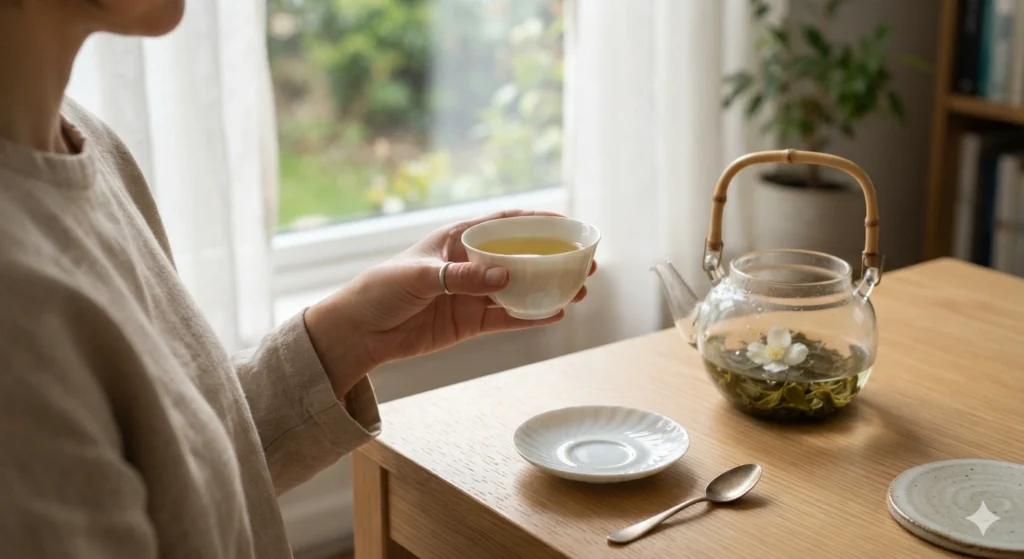
When buying loose-leaf tea, look for a seller that provides useful details, such as the tea type, origin, and available harvest information. Clear descriptions make it easier to understand what you are buying and compare different teas.
Start with a small quantity. A 25–50 gram sample can be enough to brew several cups, depending on the leaf quantity and brewing method. It also lets you explore your preferences without committing to a large bag.
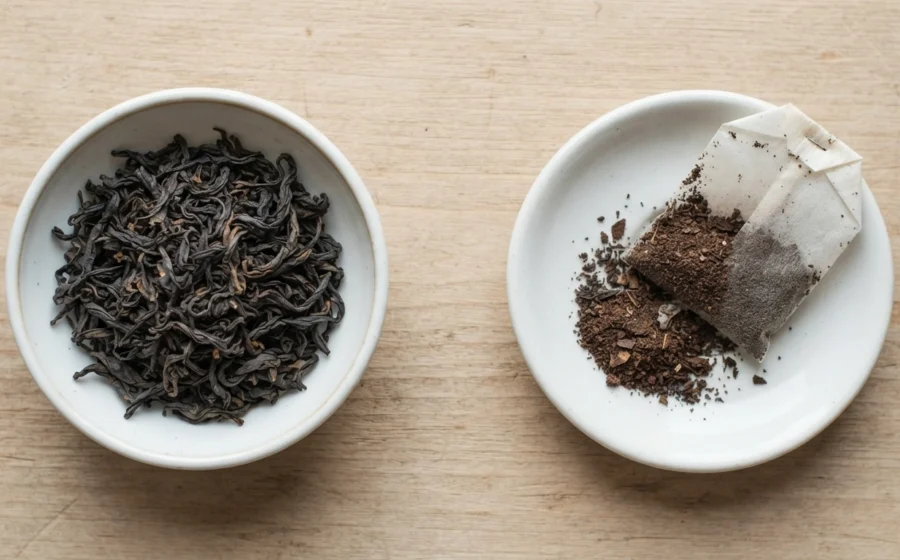
Loose-leaf tea gives you more control over the amount of leaf and makes it easier to observe the leaves as they unfurl. Tea bags can also be convenient, and their quality varies; you do not need to rule them out. If your goal is to explore the appearance, aroma, and changing flavor of Chinese tea, loose leaf is a useful place to start.
Finally, do not assume that a higher price guarantees a better first experience. A fresh, well-made everyday tea may be more enjoyable than an expensive, unusual variety whose flavor is unfamiliar to you. Choose according to your taste, budget, and curiosity.
Frequently Asked Questions
What is the best Chinese tea for beginners?
There is no single best choice for everyone. Jasmine green tea suits people who enjoy floral aromas, Longjing offers fresh and nutty flavors, and Dian Hong is a good option for those who prefer malty sweetness. Start with the flavor profile that sounds most appealing to you.
What is the mildest Chinese tea?
Bai Mu Dan can have a soft, delicate flavor, while some jasmine green teas are also easy to enjoy. However, “mild” can mean low bitterness, a light body, or a subtle aroma. The variety and brewing method both make a difference.
Is Chinese green tea good for beginners?
Yes. Longjing is one option because its pan-fired character can bring a smooth, nutty flavor. Use moderately warm water and avoid steeping for too long if you find green tea bitter.
Do I need special teaware to brew Chinese tea?
No. A mug, teapot, or glass with a strainer is enough. A gaiwan can make it easier to control short infusions and explore how a tea changes, but it is optional rather than essential.
Can I brew Chinese loose-leaf tea more than once?
Many loose-leaf teas can be infused more than once, particularly oolongs. The number of worthwhile infusions depends on the tea, the amount of leaf, and the brewing method. Taste each infusion and adjust the steeping time as needed.
Start With a Cup You Enjoy
Your first Chinese tea does not need to be the most famous or expensive. It simply needs to be a tea you enjoy drinking. Choose a flavor that feels familiar, brew it with a little care, and give yourself time to notice the aroma, texture, and finish.
At Tea Passage, we believe that learning about tea begins with tasting it. Notice how the warmed leaves smell, how the flavor develops as the cup cools, and what remains after each sip. With some teas, a second infusion reveals a different side of the leaves. These small discoveries can make an ordinary cup feel like the beginning of a longer journey.
There is no single right way to start. Begin with the tea that makes you curious about the next cup.
Explore Our Chinese Tea Collection →
References and Sources
- “知茶识 品茶味”——中国六大茶类是怎么分的? — A Chinese-language overview of the six major tea categories and how processing methods distinguish them.
- Effect of scenting process on the taste profile of jasmine green tea and the potent bitterness-enhancing compound in jasmine flowers — A Food Chemistry study on jasmine tea scenting and its effects on flavor.
- Chinese Black Tea (Hong Cha) — Guide — TeaFYI — An English-language overview of Chinese black tea varieties, flavor profiles, and brewing.
- Anxi Tie Guan Yin — Flavor and Aroma Profile — A product description with examples of the floral and creamy notes associated with Anxi Tie Guan Yin.