Brewing oolong tea can feel complicated at first. You may hear about gaiwans, Gongfu brewing, water temperatures, and multiple infusions.
But the truth is simple: brewing great oolong tea comes down to understanding your leaves and adjusting a few basic factors.
With the right method, even beginners can enjoy the full aroma, texture, and flavor that make oolong tea unique.
This guide covers two popular methods:
- Traditional Gongfu brewing
- Simple Western-style brewing
Both can create a wonderful cup of oolong tea.
What Is The Best Way To Brew Oolong Tea?
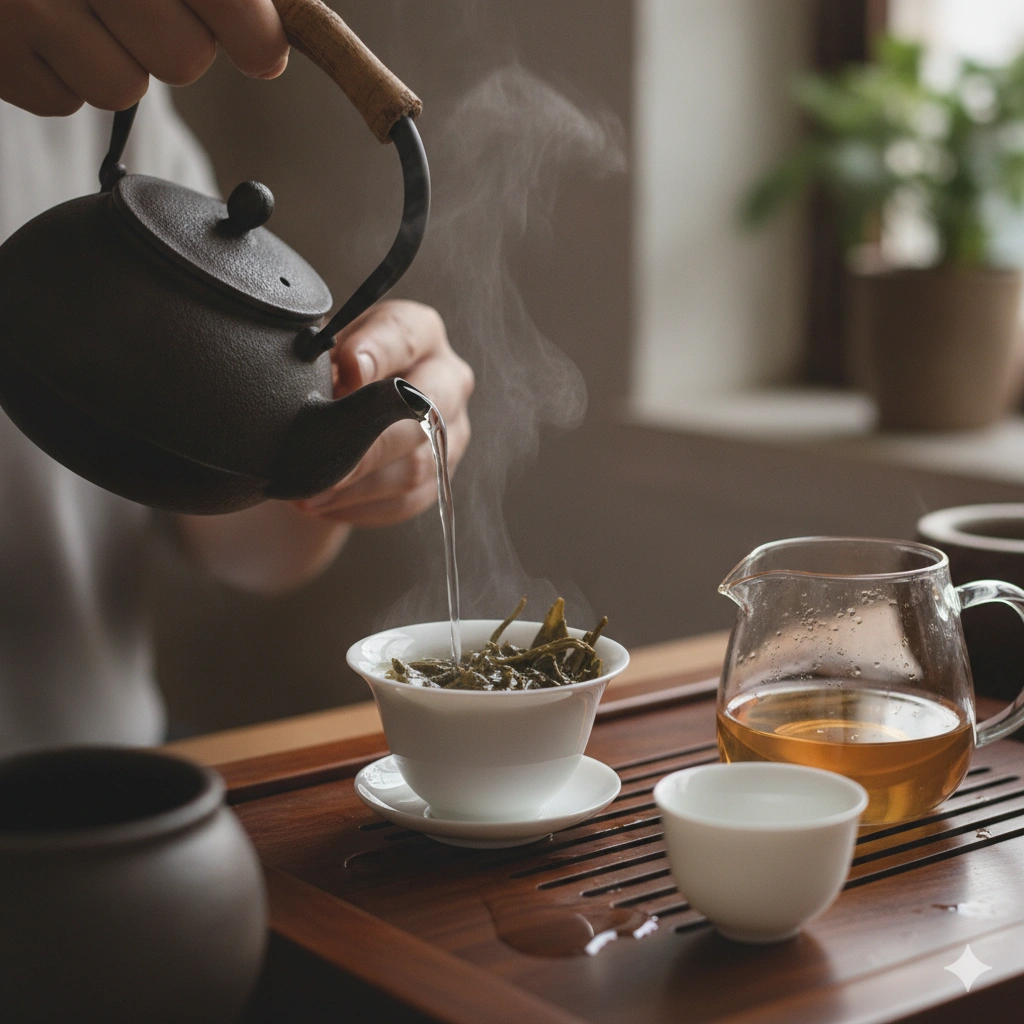
There is no single “correct” way to brew oolong tea.
The two most common methods are:
Gongfu brewing
A traditional Chinese method using a small teapot or gaiwan, more tea leaves, and short repeated infusions.
This method allows you to experience how the tea changes over multiple brews.
Western-style brewing
A simpler everyday method using more water, fewer leaves, and a longer steeping time.
It is convenient and works well when you want a quick cup.
At Tea Passage, we use both methods depending on the tea and the moment. Gongfu brewing helps reveal the details of a tea, while Western brewing makes enjoying oolong part of everyday life.
How To Brew Oolong Tea Gongfu Style
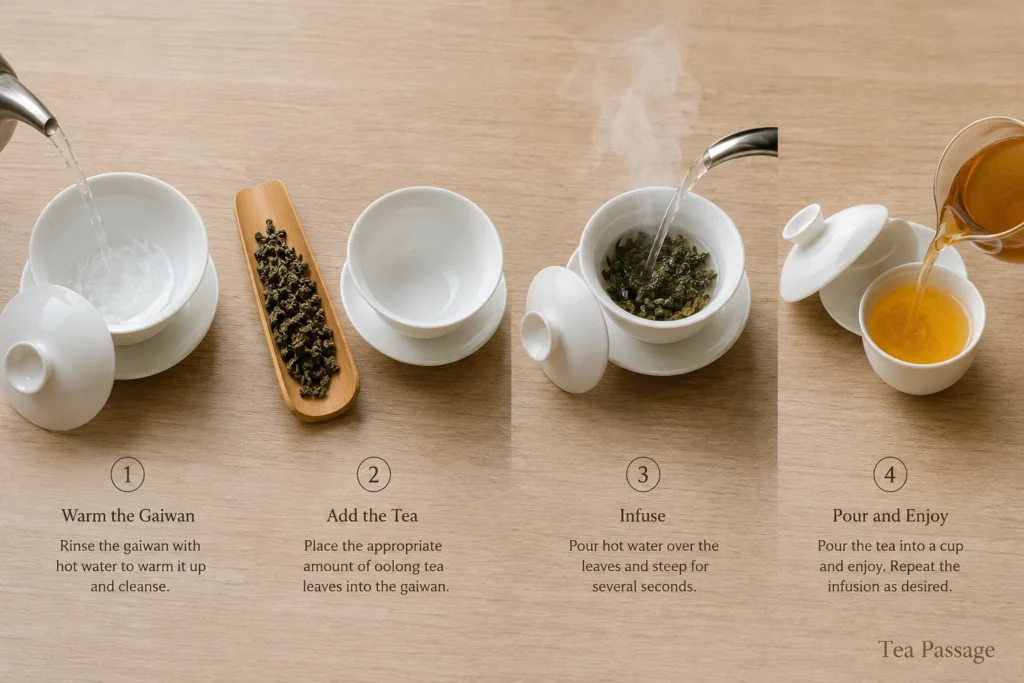
Gongfu brewing may look advanced, but the basic process is quite simple.
You only need:
- A gaiwan or small teapot
- Loose leaf oolong tea
- Hot water
Step 1: Warm Your Teaware
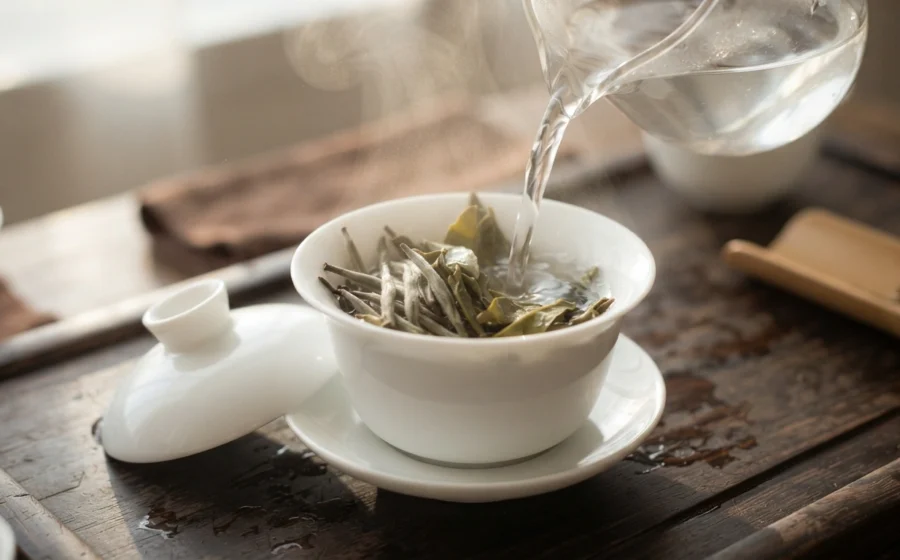
Pour hot water into your gaiwan or teapot, wait a few seconds, then discard the water.
This helps warm the vessel and keeps the brewing temperature more stable.
Step 2: Add Oolong Tea Leaves
For Gongfu brewing, use:
5–7 grams of oolong tea per 100–120ml vessel
Oolong leaves are usually tightly rolled or twisted, so they need enough space to open during brewing.
A higher leaf-to-water ratio is what allows Gongfu brewing to create concentrated flavor with short infusion times.
Step 3: Rinse The Leaves (Optional)
Pour hot water over the leaves and quickly discard the first infusion.
This helps the leaves open and prepares them for the following brews.
Step 4: Steep The Tea
Pour fresh hot water over the leaves.
A good starting point:
20–30 seconds for the first infusion
Then pour the tea completely out.
Avoid leaving the leaves sitting in water between brews, as this can make the tea stronger and more bitter.
Step 5: Repeat Multiple Infusions
Good quality loose leaf oolong can usually be brewed:
5–10 times
Each infusion reveals different characteristics.
Early brews often highlight aroma and freshness, while later brews may become softer, sweeter, and more rounded.
Oolong Tea Brewing Temperature
Water temperature has a big impact on oolong tea flavor.
Different styles respond differently:
| Oolong Type | Recommended Temperature |
|---|---|
| Light Oolong (Tie Guan Yin) | 85–95°C (185–200°F) |
| High Mountain Oolong | 90–95°C (195–200°F) |
| Dark Roasted Oolong (Da Hong Pao) | 95–100°C (200–212°F) |
Light oolongs often benefit from slightly cooler water to preserve their floral and fresh character.
Dark roasted oolongs usually handle hotter water because it helps release deeper roasted and mineral notes.
How Long Should You Steep Oolong Tea?
Steeping time controls the strength and balance of your tea.
For Gongfu brewing:
Start with 20–30 seconds
Adjust based on taste:
- Too light → steep slightly longer
- Too strong → shorten the next infusion
For Western-style brewing:
2–3 minutes is a good starting point
Remember that oolong is a living leaf. Small adjustments can completely change the cup.
How Much Oolong Tea Should I Use?
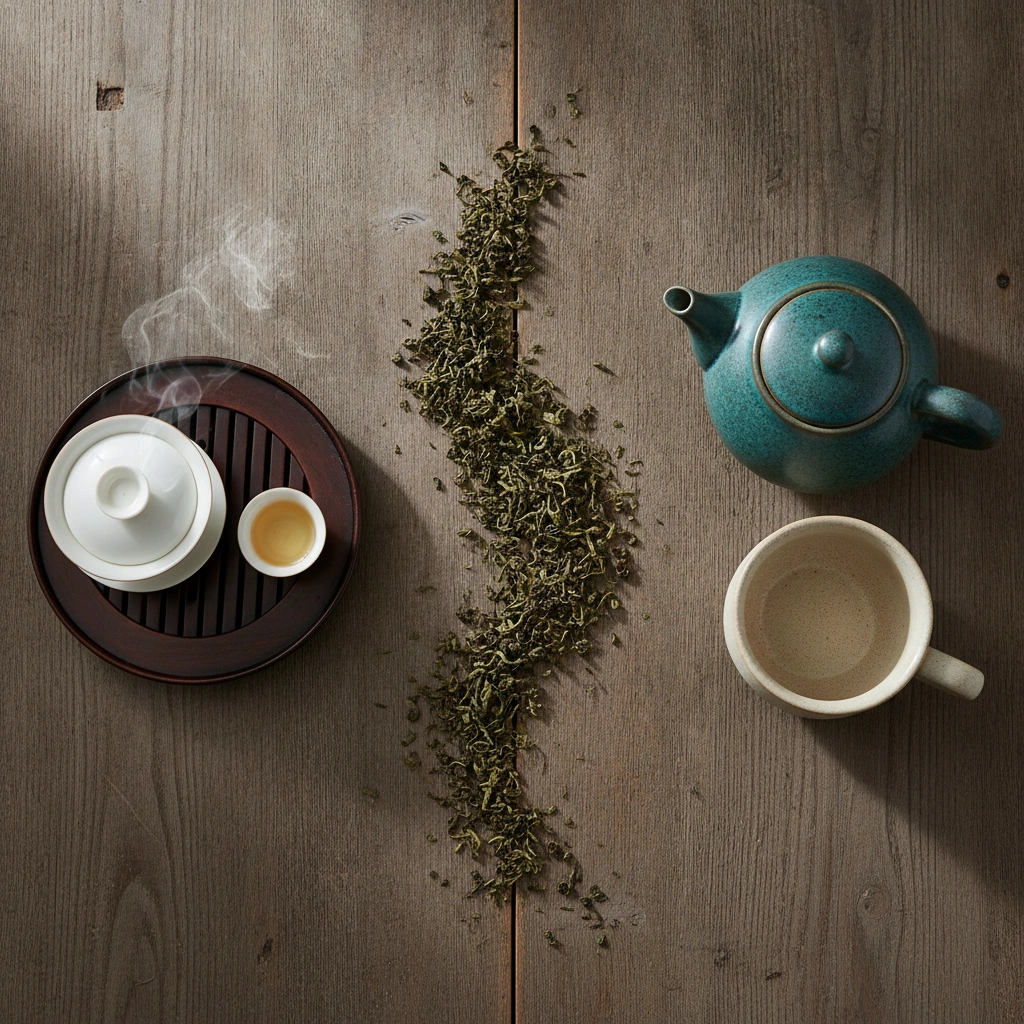
The amount depends on your brewing style.
| Brewing Method | Tea Amount |
|---|---|
| Gongfu Brewing | 5–7g per 100–120ml |
| Western Brewing | 2–3g per 200ml |
Gongfu brewing uses more leaves but shorter brewing time.
Western brewing uses fewer leaves but longer contact with water.
Both methods create different experiences.
Common Oolong Tea Brewing Mistakes
Using Too Little Tea
Too few leaves often create a weak and flat cup.
Oolong tea needs enough leaf volume to release its aroma and texture.
Steeping Too Long
Long steeping can overpower delicate oolongs and bring out bitterness.
Start shorter and adjust.
Using The Wrong Water Temperature
Light floral oolongs may lose their freshness with overly hot water.
Dark roasted oolongs may taste incomplete if the water is too cool.
Not Giving Leaves Enough Space
Oolong leaves expand significantly during brewing.
A larger vessel or proper infuser allows the leaves to fully open.
How Many Times Can You Reuse Oolong Tea Leaves?
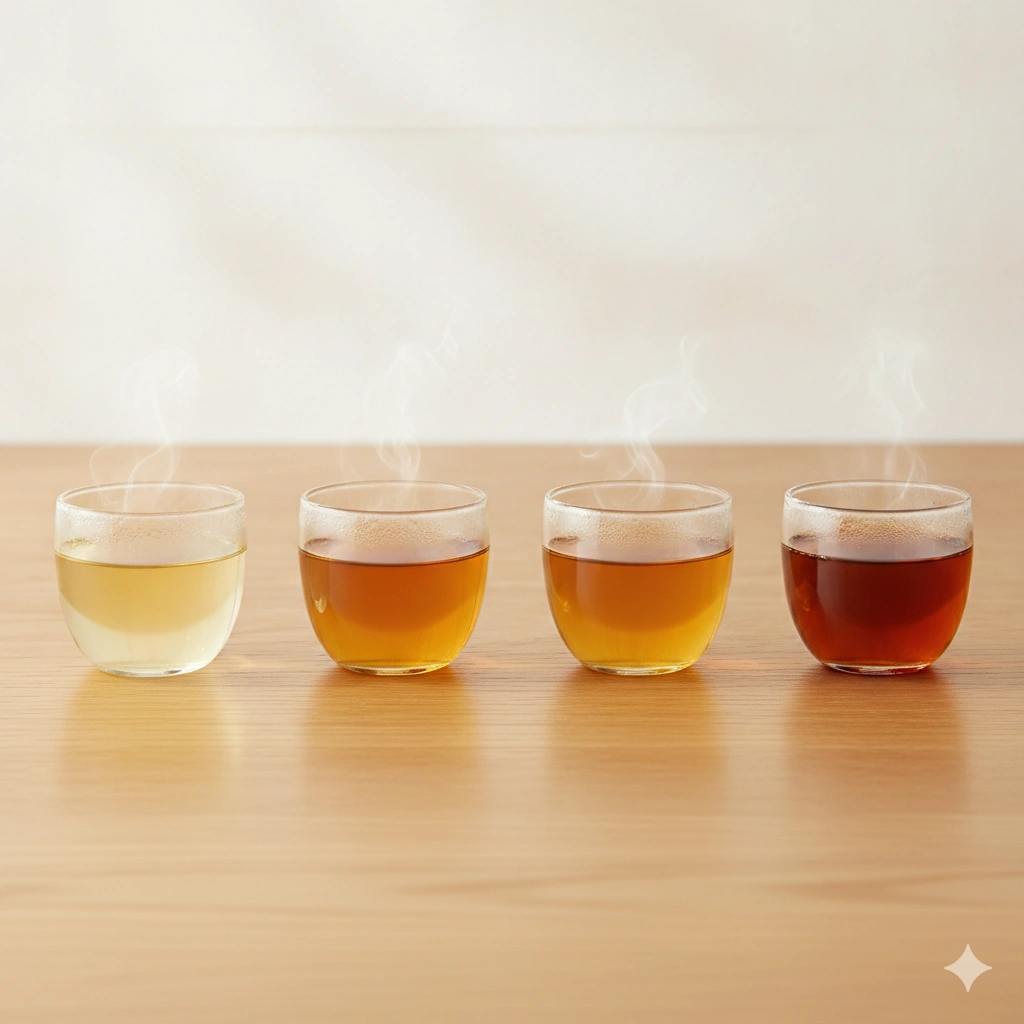
One of the unique pleasures of loose leaf oolong is watching the flavor evolve.
High-quality oolong tea can often be brewed:
5–10 times or more
The exact number depends on the tea style and leaf quality.
For example:
- Tie Guan Yin may become softer and sweeter through multiple infusions
- Da Hong Pao may gradually reveal deeper roasted and mineral notes
Each infusion is part of the experience.
Our Brewing Experience at Tea Passage
At Tea Passage, we have found that oolong tea does not have one universal brewing formula.
Each tea has its own personality.
For a floral Tie Guan Yin, we usually prefer slightly cooler water and shorter steeping times. This helps preserve the orchid-like aroma and smooth texture.
For a traditional Da Hong Pao, we prefer hotter water and a more patient approach. The roasted character becomes deeper, with richer notes and a longer finish.
Over time, we learned that brewing oolong is less about following strict rules and more about understanding the tea in front of you.
The best cup often comes from small adjustments — changing the temperature, adjusting the steeping time, and paying attention to how the flavor develops.
That is part of what makes loose leaf oolong tea enjoyable.
Frequently Asked Questions (FAQs)
Light oolongs usually work well around 85–95°C, while darker roasted oolongs can be brewed closer to 95–100°C.
For Gongfu brewing, start with 20–30 seconds. For Western brewing, 2–3 minutes is a good starting point.
Yes. A small teapot, infuser mug, or even a simple tea strainer can work. The most important factors are tea amount, water temperature, and steeping time.
High-quality loose leaf oolong can usually be brewed 5–10 times, with the flavor changing throughout each infusion.
Start Your Oolong Tea Journey with Tea Passage
Brewing oolong tea is not only about following a recipe — it is about discovering how each tea expresses its own character.
At Tea Passage, we offer carefully selected loose leaf Chinese oolong teas, including floral Tie Guan Yin and traditional roasted Da Hong Pao.
Each tea is chosen for its aroma, balance, and brewing experience, so you can enjoy authentic oolong tea at home.
Whether you prefer a light floral cup or a deeper roasted flavor, explore our collection and find the oolong tea that fits your daily ritual.