You already know what Dragon Well tea is. You know it’s a famous Chinese green tea with a nutty, chestnut-like flavor. But knowing what it is doesn’t tell you how to choose it.
When you browse Longjing tea, you’ll see wildly different prices. You’ll see terms like Mingqian and West Lake. This guide cuts through that confusion. It helps you pick a Dragon Well tea you’ll actually enjoy drinking.
What Is Dragon Well Tea
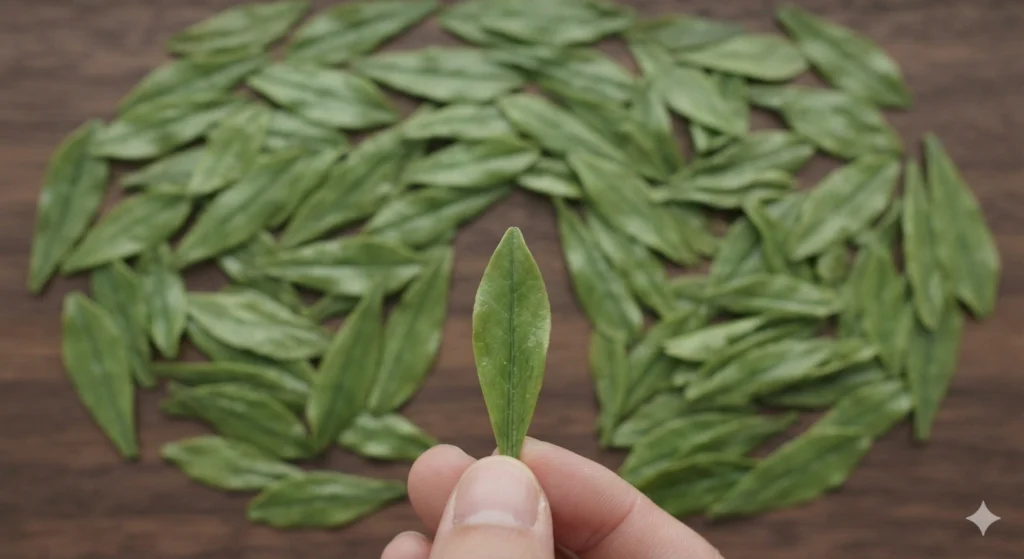
Dragon Well tea, or Longjing, is a premium green tea from Hangzhou, Zhejiang. The leaves are pan-fired by hand, which gives them a flat, smooth shape and a roasted chestnut aroma.
It’s not a separate tea category. It’s a green tea defined by its origin, craftsmanship, and flavor.
If you need a longer introduction, read our full guide on what Longjing tea is. Here, we focus on how to choose and buy it.
Why Dragon Well Tea Prices Vary So Much
Longjing prices can swing from affordable to extremely high. Four main factors explain the difference.
Origin. The best Longjing comes from the West Lake core area in Hangzhou. This region is small and protected. Its tea costs more because supply is limited and demand is high. Longjing from other parts of Zhejiang can still be good, but it’s usually cheaper.
Harvest time. Early spring leaves, picked before the Qingming Festival, are the most tender. These Mingqian teas are expensive because the yield is small. Later harvests are stronger and more affordable.
Processing skill. Authentic Longjing is pan-fired by experienced tea makers. Machine-processed tea is cheaper to produce. It lacks the depth and glossy look of hand-finished leaves.
Leaf grade. Whole, unbroken leaves cost more. Broken leaves and dust, often found in mass-market tins, taste harsher and flatter.
A very cheap Longjing is usually machine-processed, from a generic region, and picked late. An expensive one is hand-finished, from West Lake, and picked early. In between, there’s a wide range of good, honest tea.
How to Identify High-Quality Dragon Well Tea
You don’t need to be an expert. Look for these five markers.
Leaf shape. Good Longjing leaves are flat, smooth, and uniform. They should look like small pressed swords. The color is a vibrant pale green to jade green. A glossy surface signals careful pan-firing.
Aroma. Dry leaves should smell fresh and nutty, like roasted chestnuts. A stale or grassy smell points to poor storage or low quality.
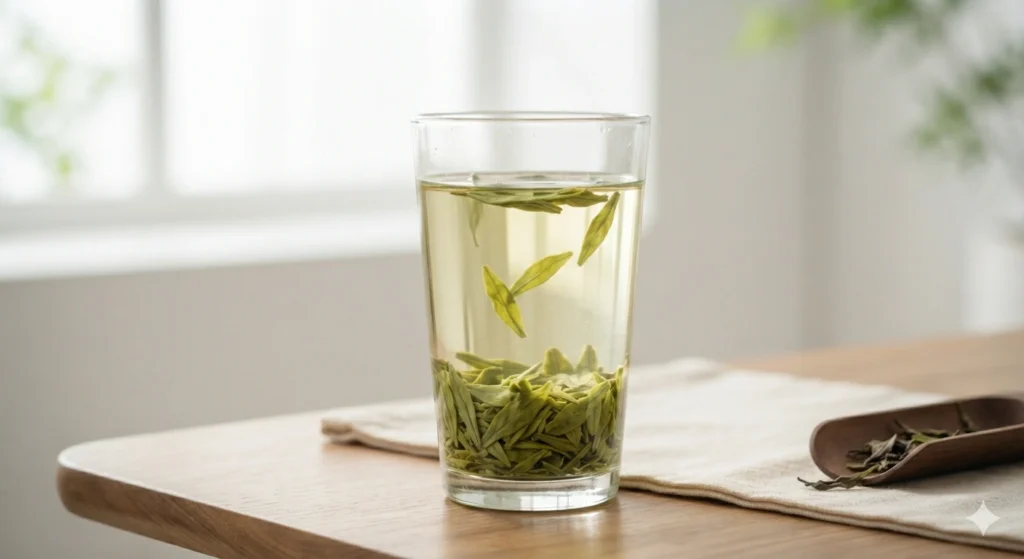
Liquor color. Brewed tea should be clear and pale golden-green. Cloudy or dark yellow tea often means lower-grade leaves.
Taste. This is the real test. Good Longjing is smooth, nutty, and gently sweet. It should leave a clean, sweet aftertaste. Bitterness usually means poor leaf quality or brewing that’s too hot.
Wet leaves. After brewing, the leaves should be whole and tender. Broken fragments and uneven colors are a sign of lower grade.
Dragon Well Tea Grades Explained
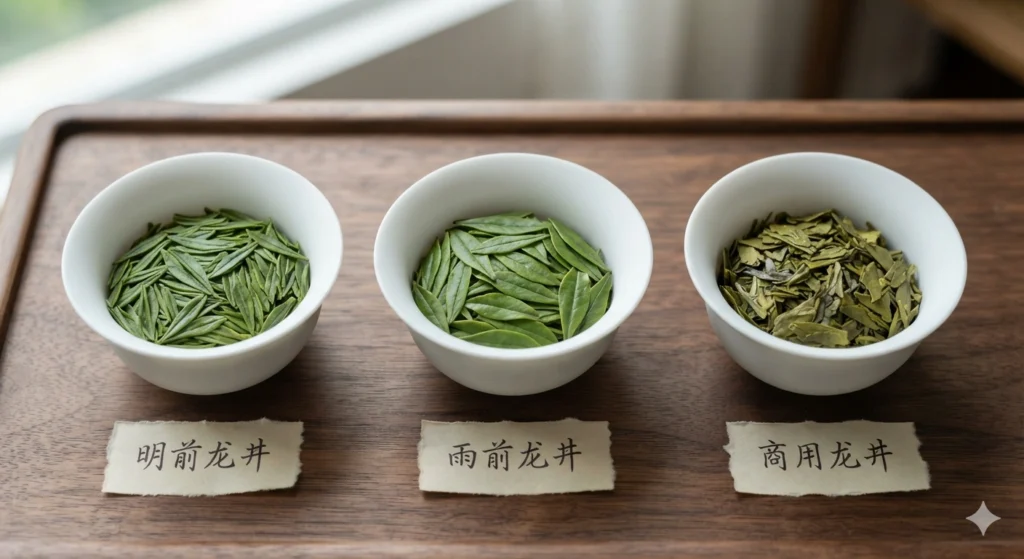
Grades are mainly based on harvest time and leaf quality. Here’s how the three main tiers compare.
| Grade | Harvest Time | Leaf Quality | Flavor | Price |
|---|---|---|---|---|
| Mingqian | Before Qingming (early April) | Small, tender, uniform buds | Delicate, sweet, refined | Highest |
| Yuqian | Before Grain Rain (mid-late April) | Slightly larger, still uniform | Full, nutty, robust | Moderate |
| Commercial | Late spring and beyond | Variable, often broken | Flat, sometimes bitter | Lowest |
Mingqian is the top tier. The buds are tiny and the flavor is incredibly delicate. It’s a tea to savor slowly. It’s also the most expensive.
Yuqian is the sweet spot for many drinkers. The flavor is fuller, the chestnut character is clear, and the price is much friendlier. It makes an excellent daily tea.
Commercial grade is widely available but often disappointing. The aroma is faint, the taste can be flat or astringent, and the leaves lack the refinement of higher grades.
Which Dragon Well Tea Should You Choose?
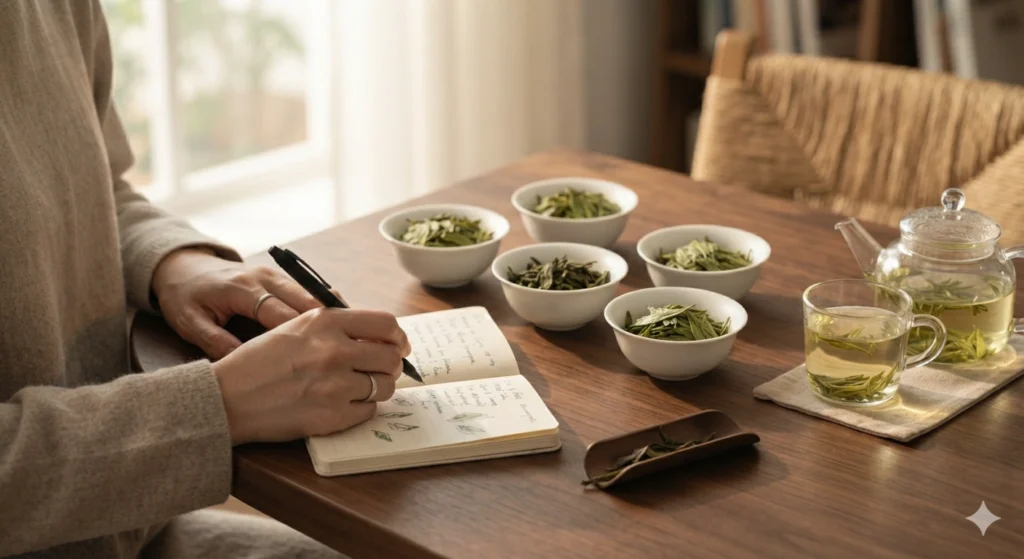
Your choice depends on how you plan to enjoy it.
Beginners. Start with a good Yuqian. It offers the true Longjing taste—nutty, smooth, sweet—without a high price. It’s also forgiving to brew.
Premium drinkers. If you want the most refined cup, choose Mingqian. The sweetness and clarity are unmatched. Brew it in a glass and watch the leaves dance.
Everyday drinkers. A mid-grade Yuqian or a well-sourced Zhejiang Longjing is ideal. It’s satisfying and easy to brew without much thought.
Our Dragon Well Tea at Tea Passage
At Tea Passage, we keep our approach simple. We look for Longjing that tastes the way good Longjing should: smooth, nutty, and sweet, with a clean finish.
We avoid the lowest commercial grades. Machine processing and late harvesting strip away what makes this tea special. We also don’t chase the rarest, most expensive Mingqian as a trophy.
Instead, we select Longjing from the honest middle and upper tiers. These teas reflect the region’s craftsmanship, brew well across multiple infusions, and feel worth what they cost.
When we taste a potential Longjing, we brew it in a simple glass cup with water around 80°C. The aroma should rise at once. The first sip should be gentle. The aftertaste should linger softly. If it passes those tests, it earns a place.
For us, Longjing is a tea for quiet mornings and calm afternoons. If you’ve never tried it, a well-chosen Longjing is one of the best introductions to Chinese green tea.
Frequently Asked Questions
What does Dragon Well tea taste like?
It tastes smooth, lightly nutty, and slightly sweet, with a roasted chestnut aroma and a clean, lingering finish. Good Longjing should not be bitter.
What is the difference between Mingqian and Yuqian Dragon Well?
Mingqian is harvested before the Qingming Festival. It’s more delicate, sweeter, and more expensive. Yuqian is harvested a little later. It’s fuller, more robust, and more affordable.
Is Dragon Well tea good for beginners?
Yes. It’s one of the smoothest and most approachable Chinese green teas, often recommended as a starting point.
How should I store Dragon Well tea?
Store it in an airtight container away from light, heat, and moisture. Refrigeration can help, but let the tea come to room temperature before opening to avoid condensation.
How many times can I steep Dragon Well tea?
Good quality Longjing can be steeped two or three times. The first infusion is the most aromatic. Later infusions become softer and sweeter.
Choosing a good Dragon Well tea doesn’t need to be complicated. At Tea Passage, we select Longjing for authenticity, flavor, and balance—so you can enjoy a genuine taste of this legendary tea with confidence.