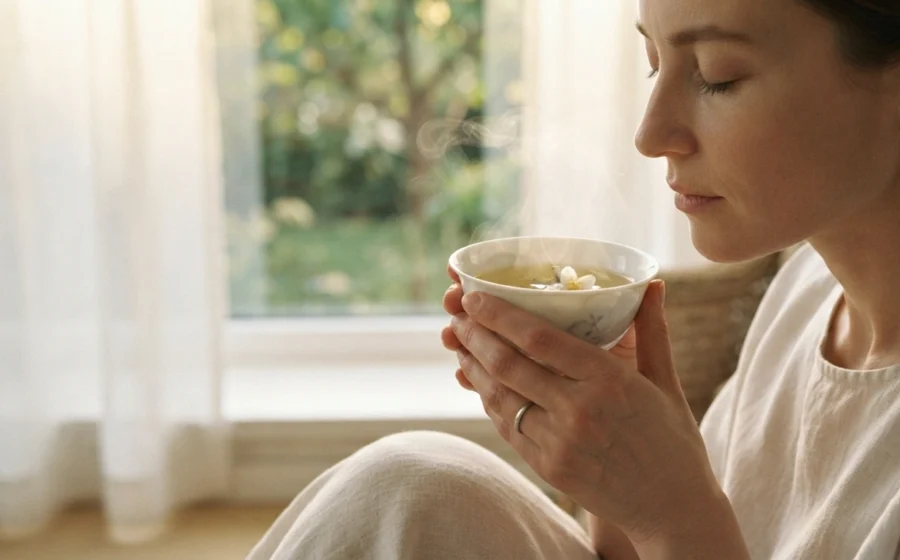
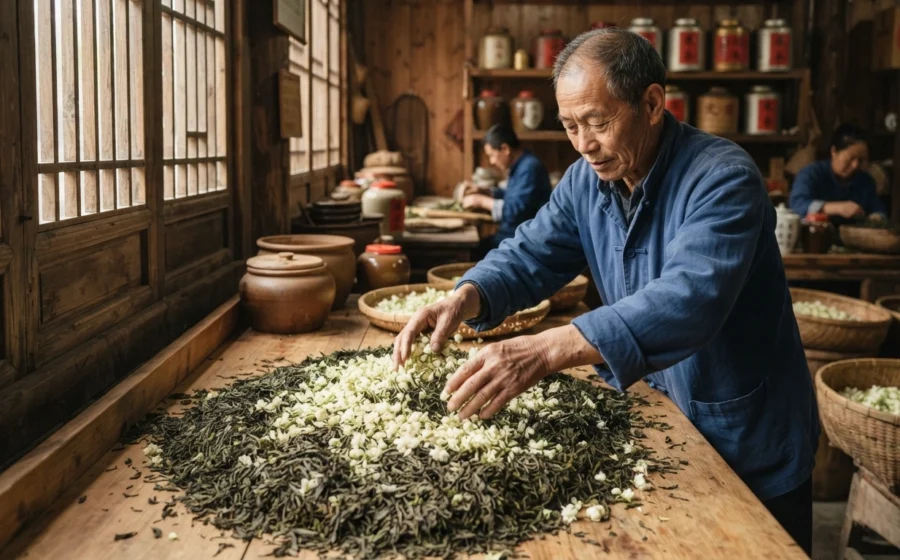
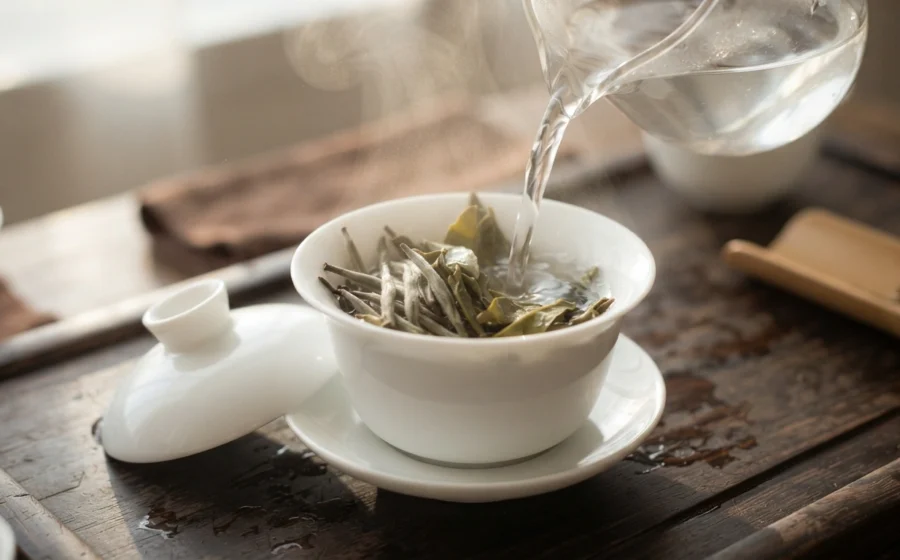
Yes, Longjing tea contains caffeine. Like all true teas made from the Camellia sinensis plant, Dragon Well tea naturally contains caffeine. However, the caffeine level is much lower than coffee, and the experience is usually smoother and more balanced.
If you are wondering whether Longjing tea can replace your morning coffee, whether it will affect your sleep, or how much caffeine is actually in a cup, this guide covers everything you need to know.
Does Longjing Tea Have Caffeine?
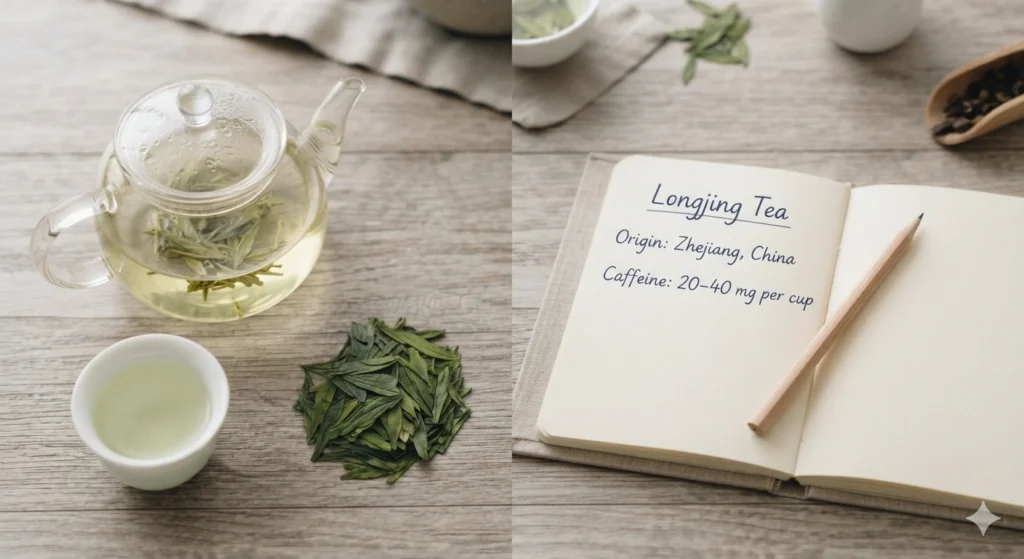
Yes, Longjing tea contains caffeine.
Longjing is a traditional Chinese green tea made from the leaves of the Camellia sinensis plant. Because it comes from the same plant as black tea, oolong tea, and other green teas, it naturally contains caffeine.
The only teas without caffeine are herbal infusions made from plants other than Camellia sinensis.
However, Longjing is considered a moderate-caffeine tea. It is not as strong as coffee, but it provides enough stimulation to help with focus and alertness.
For many tea drinkers, this balance is exactly what makes Longjing appealing: a gentle lift without overwhelming intensity.
How Much Caffeine Is In Longjing Tea?
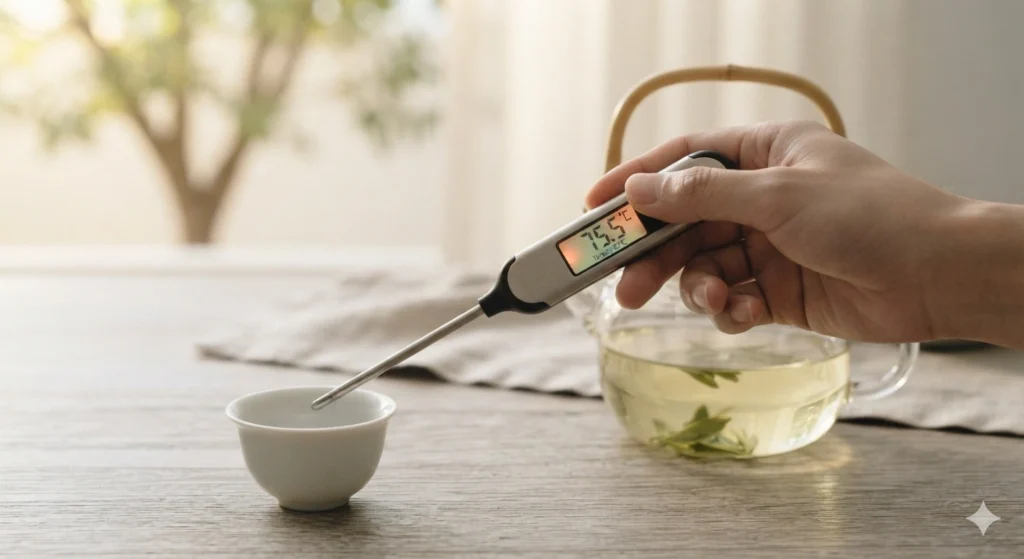
A typical cup of Longjing tea contains around 20–40 milligrams of caffeine per 8 oz (240 ml) serving.
The exact amount depends on several factors, including:
- How much tea leaf you use
- Water temperature
- Steeping time
- Harvest season
- Leaf quality
A simple comparison:
| Drink | Caffeine per 8 oz cup (approx.) |
|---|---|
| Longjing Tea | 20–40 mg |
| Green Tea | 20–45 mg |
| Black Tea | 40–70 mg |
| Brewed Coffee | 80–120 mg |
Compared with coffee, Longjing provides a much gentler caffeine experience. It is enough to help you feel more awake, but usually not enough to create the sharp stimulation associated with a strong cup of coffee.
Longjing Tea vs Coffee: Which Has More Caffeine?
Coffee contains significantly more caffeine than Longjing tea.
A standard cup of brewed coffee usually contains around 80–120 mg of caffeine, while Longjing tea generally contains around 20–40 mg.
But caffeine quantity is only part of the experience.
Coffee often delivers a faster and stronger stimulation. Longjing creates a softer feeling of alertness that develops more gradually.
Many people who switch from coffee to Longjing are not looking for the strongest energy boost. They are looking for something calmer:
- Clearer focus
- Less intensity
- A slower morning ritual
- A drink that can be enjoyed throughout the day
Longjing is not a replacement for coffee in terms of strength. It is a different kind of daily energy.
Why Does Longjing Tea Feel Different From Coffee?
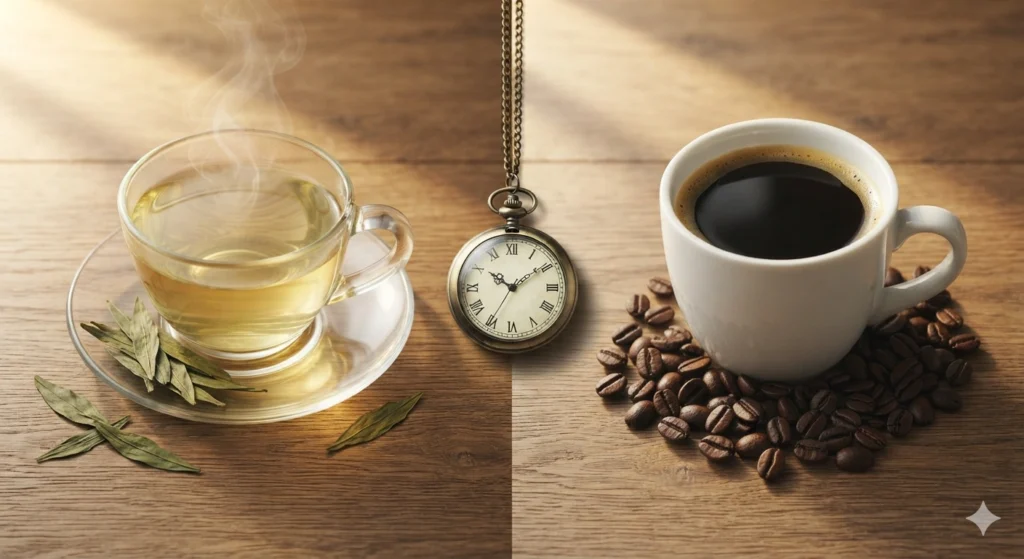
The difference comes from more than caffeine alone.
Longjing tea also contains L-theanine, a natural amino acid found in tea leaves. Together with caffeine, L-theanine contributes to the unique feeling many tea drinkers describe as calm focus.
Coffee is usually experienced through stimulation. Tea is often experienced through balance.
With Longjing, the experience includes:
- The aroma of roasted chestnut
- The smooth texture of the tea
- The slower process of brewing and drinking
- A gentle increase in alertness
This is why many people enjoy Longjing during work, reading, or quiet morning routines. The tea does not demand attention. It becomes part of the moment.
Does Longjing Tea Have More Caffeine Than Other Green Teas?
Longjing does not contain unusually high or low caffeine compared with other green teas.
Most green teas fall within a similar range, and the differences usually depend more on brewing method and leaf amount than the tea name itself.
| Green Tea | Caffeine per 8 oz cup (approx.) |
|---|---|
| Longjing | 20–40 mg |
| Biluochun | 20–35 mg |
| Huangshan Maofeng | 20–35 mg |
| Japanese Sencha | 25–45 mg |
The reason Longjing is famous is not because of caffeine. Its reputation comes from its craftsmanship, pan-firing process, smooth texture, and distinctive chestnut sweetness.
Caffeine is only one small part of the Longjing experience.
Does Mingqian Longjing Have Less Caffeine?
Many tea drinkers assume Mingqian Longjing has much less caffeine because it is made from young spring buds.
The reality is more subtle.
Mingqian Longjing, harvested before the Qingming Festival, is valued mainly for:
- Freshness
- Rarity
- Delicate aroma
- Smooth texture
- Sweet aftertaste
The caffeine difference between Mingqian and later harvest Longjing is usually not significant enough for most people to notice.
The main difference is not how much caffeine the tea contains, but how refined and elegant the overall flavor feels.
Can You Drink Longjing Tea At Night?
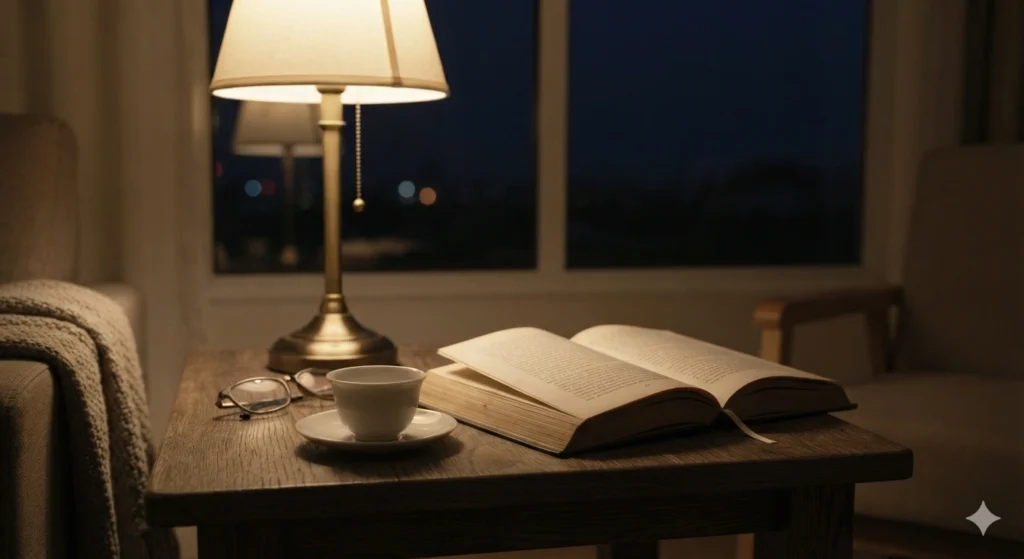
It depends on your sensitivity to caffeine.
Although Longjing contains less caffeine than coffee, it can still affect sleep for people who are sensitive.
If caffeine affects you easily, the best time to enjoy Longjing is:
- Morning
- Early afternoon
If you are less sensitive, an evening cup may not cause any problems.
There is no universal rule. The best approach is to understand your own response and adjust your tea timing accordingly.
Does Brewing Method Change Longjing Caffeine?
Yes. Brewing style affects how much caffeine is extracted into your cup.
Several factors increase caffeine extraction:
Higher water temperature
Hotter water releases more compounds from the tea leaves, including caffeine.
Longer steeping time
A longer infusion generally creates a stronger cup.
More tea leaves
Using more leaves increases both flavor intensity and caffeine content.
For a lighter cup:
- Use slightly cooler water
- Keep steeping time shorter
- Use a moderate amount of leaves
For a stronger morning cup:
- Use slightly warmer water
- Extend the steep slightly
- Increase the leaf amount
For the best flavor balance, see our guide on How To Brew Longjing Tea.
Our Experience With Longjing Tea At Tea Passage
At Tea Passage, we do not think about Longjing only in terms of caffeine numbers.
What matters more is the feeling it creates.
A morning cup of Longjing feels quiet and steady. The aroma rises gently, the chestnut sweetness appears slowly, and the energy feels natural rather than sudden.
Compared with coffee, it does not try to take over the morning. It simply creates a small moment of clarity before the day begins.
We also enjoy Longjing in the afternoon. A lighter brew creates a refreshing cup that helps maintain focus without feeling heavy.
That balance is what makes Longjing special. It is not the strongest tea. It is not designed to be. Its beauty comes from being easy to return to, day after day.
Frequently Asked Questions
Does Longjing tea have caffeine?
Yes. Longjing tea contains caffeine because it is made from Camellia sinensis, the same plant used to produce green tea, black tea, and oolong tea.
How much caffeine is in Longjing tea?
A typical cup contains around 20–40 mg of caffeine, depending on leaf quantity, brewing temperature, and steeping time.
Is Longjing tea stronger than coffee?
No. Coffee contains much more caffeine. A cup of coffee usually contains 80–120 mg, while Longjing contains around 20–40 mg.
Can Longjing tea replace coffee?
For some people, yes. Longjing provides a gentler caffeine experience and is a good choice for those who prefer a calmer daily drink.
Can Longjing tea keep you awake?
It depends on caffeine sensitivity. People who are sensitive may want to avoid drinking it late at night.
Is Longjing tea good for morning?
Yes. Its moderate caffeine level, smooth flavor, and gentle character make it an excellent morning tea.
Does Longjing tea have less caffeine than black tea?
Generally, yes. Black tea usually contains more caffeine than Longjing because it is often brewed stronger and with longer extraction.
Longjing tea is not about chasing the strongest caffeine boost. Its appeal comes from balance — moderate energy, smooth flavor, and a peaceful daily ritual.
At Tea Passage, we select Longjing tea for its freshness, craftsmanship, and natural sweetness. Whether you enjoy it in the morning or during a quiet afternoon break, Dragon Well tea offers a different way to experience energy.