Longjing tea is famous for its history, craftsmanship, and distinctive chestnut-like flavor. But beyond its taste and cultural importance, many people choose Longjing because it fits naturally into a balanced daily lifestyle.
The benefits of Longjing tea are not dramatic or medicinal. They are subtle: a smoother source of energy, a moment of calm during a busy day, and a traditional beverage made from a leaf naturally rich in beneficial compounds.
This guide explores the real benefits of Longjing tea, what science tells us about green tea compounds, and why Dragon Well tea has remained a daily favorite for centuries.
Does Longjing Tea Have Health Benefits?

Longjing tea belongs to the green tea family, which means it naturally contains several compounds that have been widely studied for their potential role in supporting overall wellness.
The most important compounds include:
- Catechins — natural antioxidants found in green tea
- L-theanine — an amino acid associated with calm alertness
- Caffeine — a natural stimulant that provides gentle energy
These compounds are part of what makes tea unique. However, Longjing should be viewed as a healthy beverage choice, not as a medicine or treatment.
The value of Longjing comes from enjoying it as part of a broader lifestyle: a balanced diet, mindful routines, and daily moments of relaxation.
Rich In Natural Antioxidants
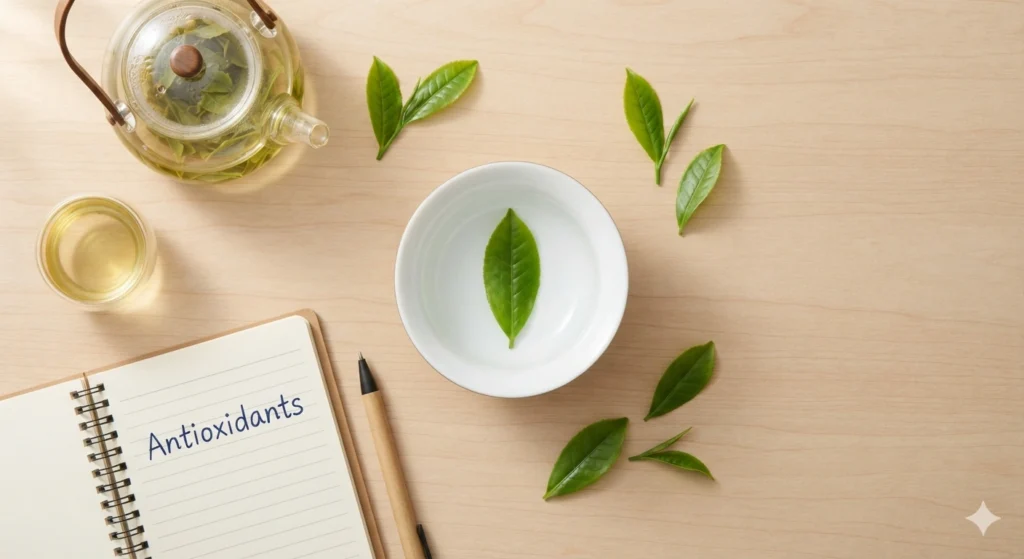
One of the most recognized benefits of green tea is its natural antioxidant content.
Longjing contains catechins, a type of polyphenol that has been studied for its ability to help protect cells from oxidative stress, a natural process that occurs in the body every day.
What makes Longjing interesting is not only what it contains, but how it is made.
Unlike steamed Japanese green teas, traditional Longjing is pan-fired shortly after harvesting. The leaves are heated in a wok to stop oxidation, preserving the fresh green character while creating the tea’s famous smooth texture and roasted chestnut aroma.
The antioxidants are only one part of the experience. What makes Longjing special is the combination of:
- Natural green tea compounds
- Gentle sweetness
- Smooth mouthfeel
- A comforting daily ritual
The benefit is not simply what is inside the leaf. It is also the enjoyment that encourages people to drink it consistently.
Provides Calm Energy Without The Coffee Crash
One of the most practical benefits of Longjing tea is its balanced energy.
A typical cup of Longjing contains around 20–40 mg of caffeine, which is significantly lower than a standard cup of coffee, usually around 80–120 mg.
But caffeine is only part of the story.
Longjing also contains L-theanine, an amino acid naturally found in tea leaves. Together, caffeine and L-theanine create a different type of experience compared with coffee.
Many tea drinkers describe Longjing energy as:
- Clear rather than intense
- Steady rather than sudden
- Focused rather than restless
It does not create the same strong stimulation that coffee often provides. Instead, it offers a gentler lift that fits naturally into mornings, work sessions, and quiet afternoons.
For people who enjoy coffee but find it too strong, Longjing can be an appealing alternative.
Supports Focus And Mental Clarity

Another reason many people enjoy Longjing tea is the feeling of calm concentration it provides.
The combination of caffeine and L-theanine has been studied for its relationship with attention and mental performance. While tea cannot make someone smarter or eliminate tiredness, many people find that it supports a comfortable state of focus.
Longjing is especially suited for moments that require steady attention:
- Reading
- Writing
- Studying
- Creative work
- Long periods of concentration
There is also something beyond the chemistry of the leaf.
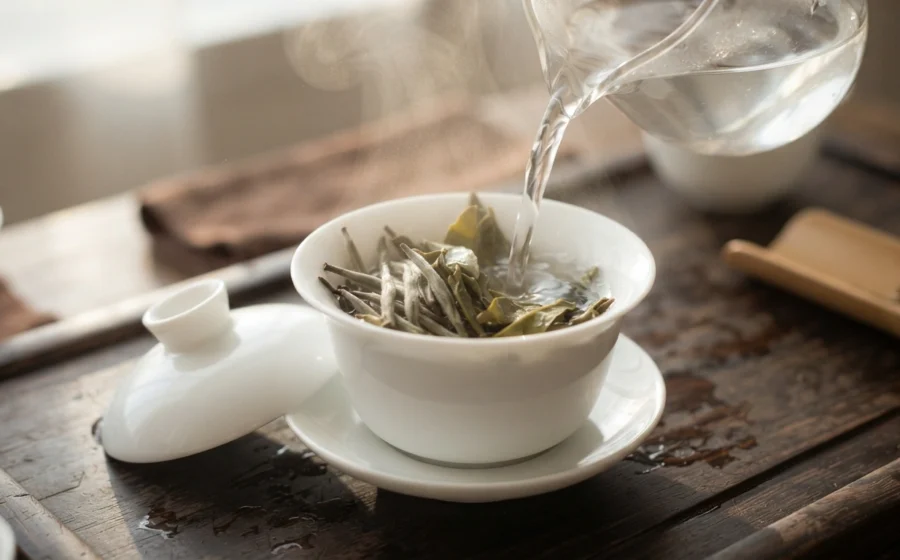
Preparing Longjing requires a slower rhythm. Watching the flat leaves unfold in a glass, waiting for the aroma to rise, and taking a few quiet minutes before starting work creates a small pause in the day.
That ritual itself is part of why tea has remained meaningful for generations.
May Support A Comfortable Feeling After Meals
In Chinese tea culture, drinking tea after meals has been a long-standing tradition.
Many people enjoy Longjing after eating because of its:
- Light and refreshing character
- Clean finish
- Warm, comforting nature
A cup of tea after a meal can feel pleasant and refreshing, especially compared with heavier drinks.
However, it is important to be clear: Longjing tea is not a digestive medicine and should not be viewed as a treatment for digestive problems.
Its value comes from the overall experience — a simple habit that brings comfort and balance to daily life.
Longjing Tea Benefits Compared With Other Green Teas
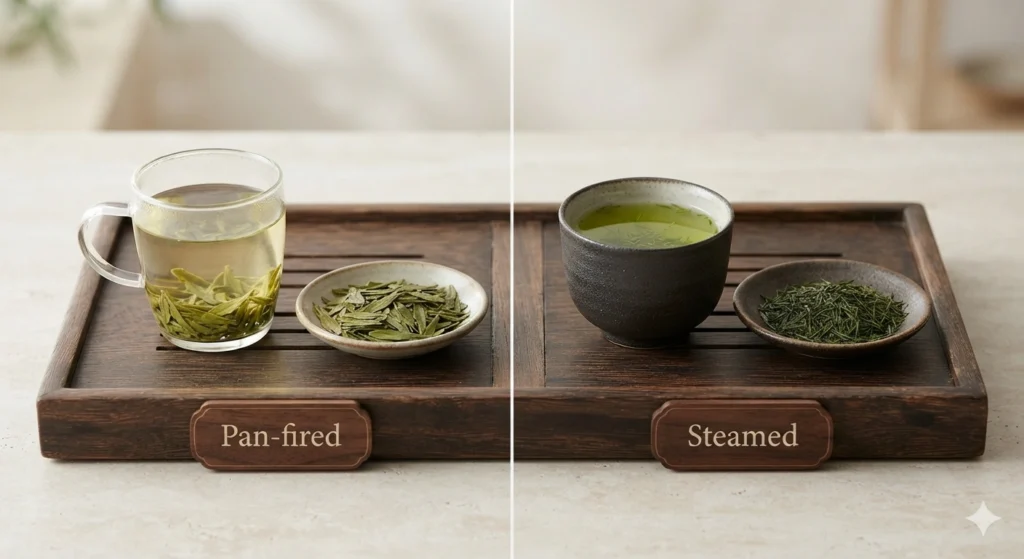
Longjing is a green tea, so it shares many of the same basic benefits as other green teas. The main difference comes from processing and flavor.
| Aspect | Longjing | Japanese Sencha |
|---|---|---|
| Processing | Pan-fired | Steamed |
| Flavor | Chestnut, sweet, smooth | Fresh, grassy, umami |
| Mouthfeel | Soft and rounded | Bright and brisk |
| Experience | Warm and calming | Fresh and energetic |
Both contain natural green tea compounds and can be part of a healthy lifestyle.
The difference is in character.
Longjing offers a softer, warmer experience with roasted chestnut notes. Sencha tends to be brighter, greener, and more vegetal.
Neither is healthier. They simply represent different styles of green tea.
Is Longjing Tea Good For Daily Drinking?
Yes. Longjing is one of the best Chinese teas for everyday drinking.
There are several reasons:
Moderate Caffeine
Longjing provides enough caffeine for gentle alertness without being as intense as coffee.
Smooth Flavor
Unlike some green teas that can become bitter or grassy, well-made Longjing has a naturally sweet and rounded character.
Easy Brewing
A simple glass cup is enough. You do not need complicated equipment or a formal tea ceremony.
Multiple Infusions
Good Longjing leaves can usually be brewed several times, with each infusion revealing slightly different flavors.
This makes Longjing not just a tea to taste occasionally, but a tea that can become part of a daily routine.
Our Experience With Longjing Tea At Tea Passage
At Tea Passage, Longjing is a tea we return to often.
It is not the loudest or most dramatic tea. It does not rely on intensity. Instead, its appeal comes from balance.
On quiet mornings, a glass of Longjing feels like the right beginning. The flat leaves slowly open in the water. The aroma of roasted chestnut rises gently. The first sip is smooth, slightly sweet, and refreshing.
What we appreciate most is how naturally it fits into everyday life.
It provides enough energy to begin the day, but it never feels overwhelming. It creates a small moment of attention before everything becomes busy.
Longjing does not promise miracles.
It offers something simpler: a well-crafted tea, a calm ritual, and a daily habit that has been appreciated for centuries.
Frequently Asked Questions
Does Longjing tea have health benefits?
Longjing tea contains natural compounds found in green tea, including catechins, polyphenols, caffeine, and L-theanine. It can be part of a healthy lifestyle but is not a medicine.
Is Longjing tea good for weight loss?
Longjing contains caffeine and catechins, which have been studied in relation to metabolism. However, drinking tea alone does not cause weight loss. A balanced diet and active lifestyle remain the most important factors.
Can I drink Longjing tea every day?
Yes. Many people drink Longjing daily because of its moderate caffeine level, smooth flavor, and easy brewing style.
Does Longjing tea have antioxidants?
Yes. Like other green teas, Longjing contains natural antioxidants, including catechins and polyphenols.
Is Longjing tea healthier than coffee?
They provide different experiences. Longjing offers moderate caffeine combined with L-theanine, creating a smoother feeling for many people. Coffee provides stronger stimulation. Neither is automatically healthier.
What is the best time to drink Longjing tea?
Many people enjoy Longjing in the morning or early afternoon because of its moderate caffeine content. If you are sensitive to caffeine, avoid drinking it too close to bedtime.
Longjing tea offers a quiet kind of benefit: gentle energy, natural compounds, and a moment of calm in a busy day.
At Tea Passage, we select Longjing that represents what makes Dragon Well tea special — smooth flavor, careful craftsmanship, and a tea experience that fits naturally into everyday life.