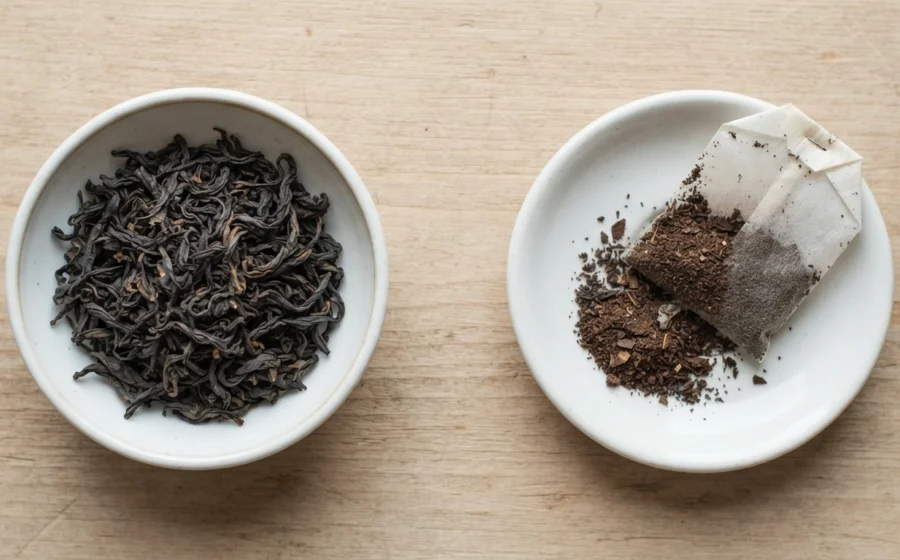
You bought a good Dahongpao tea. The dry leaves smell warm and roasted, with hints of nuts, cocoa, and stone. But after brewing, the result feels disappointing. The tea tastes bitter, flat, or lacking the depth you expected.
In most cases, the problem is not the tea.
Dahongpao is a Wuyi Rock Tea with a very different personality from lighter green teas or floral oolongs. It needs higher heat, enough leaves, and careful timing to reveal its character.
When brewed correctly, Dahongpao changes completely. The roasted aroma becomes deeper, the texture becomes smoother, and the tea develops a lasting sweetness with every infusion.
This guide explains how to brew Dahongpao properly, from water temperature and tea ratio to steeping time and common mistakes.
What Makes Dahongpao Different From Other Teas?
Dahongpao is not a tea that responds well to casual brewing.
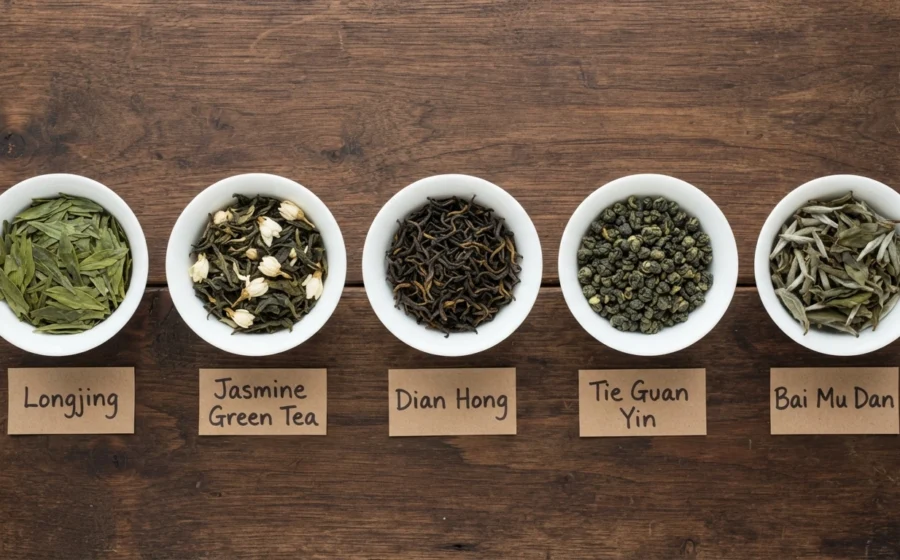
Unlike green teas such as Longjing, which require a gentler approach, Dahongpao belongs to the darker side of oolong tea. It is shaped by oxidation and traditional roasting, creating a deeper and warmer flavor profile.
The leaves are usually tightly twisted and heavily roasted. This process develops the tea’s signature notes:
- roasted nuts
- dark cocoa
- warm wood
- mineral sweetness
The roasting also changes how the leaves release flavor. They need enough heat to fully open and release their aroma.
Using cooler water may protect delicate teas, but with Dahongpao it often creates the opposite result. The leaves remain closed, and the tea loses much of its depth.
Another important characteristic is yan yun, often translated as “rock rhyme.”
This is the mineral quality associated with Wuyi Rock Tea. It is not an obvious flavor like sweetness or floral aroma. Instead, it appears gradually through multiple infusions.
The first cup may show the roasted character.
Later cups reveal more:
- sweetness
- minerality
- smooth texture
- lingering aftertaste
This is why Dahongpao is usually brewed Gongfu style. Short, repeated infusions allow the tea to unfold slowly.
Best Teaware For Brewing Dahongpao
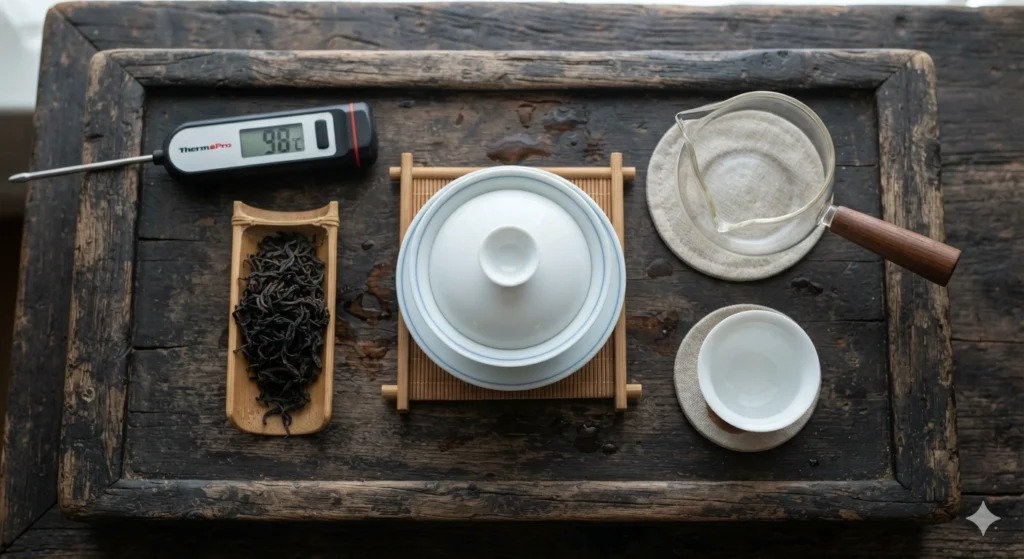
The choice of teaware affects how Dahongpao expresses itself.
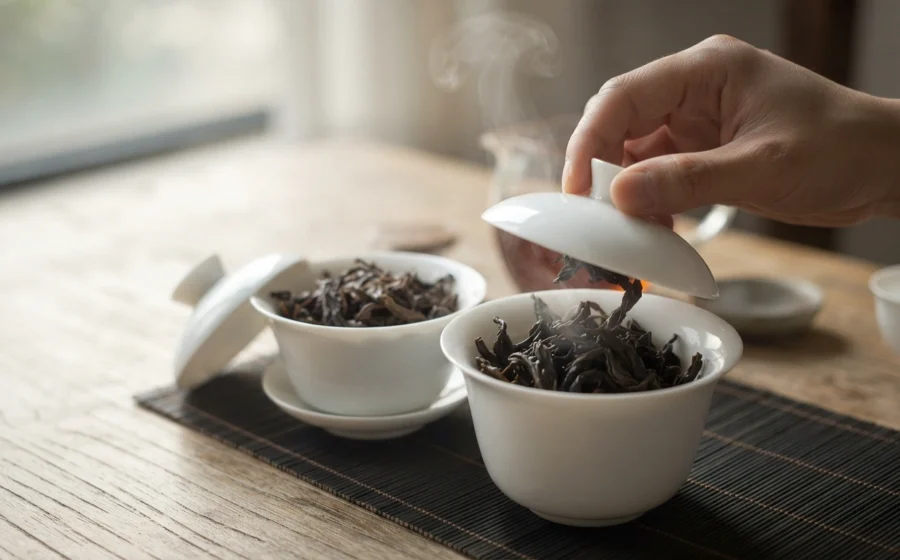
Gaiwan: The Best Choice For Beginners
A porcelain gaiwan is the easiest way to start brewing Dahongpao.
It allows precise control over:
- steeping time
- leaf expansion
- aroma evaluation
The neutral porcelain surface also preserves the tea’s original character without adding extra flavor.
A 100–120 ml gaiwan works well for most brewing sessions.
You can observe how the dark twisted leaves gradually open, which is part of understanding the tea.
Yixing Teapot: For Regular Dahongpao Drinkers
A small Yixing clay teapot is another traditional option.
Because unglazed clay absorbs tea oils over time, many experienced drinkers dedicate a teapot specifically to Wuyi Rock Teas.
Over repeated use, the pot can develop a relationship with the tea and create a slightly rounder texture.
However, this is not necessary for beginners.
A good gaiwan will help you understand Dahongpao more clearly before moving into specialized teaware.
Avoid Large Mugs And Tea Infusers
Large mugs are convenient, but they are not ideal for Dahongpao.
The leaves need space to expand. When they are trapped inside a small infuser, they cannot fully open, and the flavor becomes weaker.
You may still get a pleasant drink, but you will miss the layered experience that makes Dahongpao special.
Dahongpao Brewing Parameters
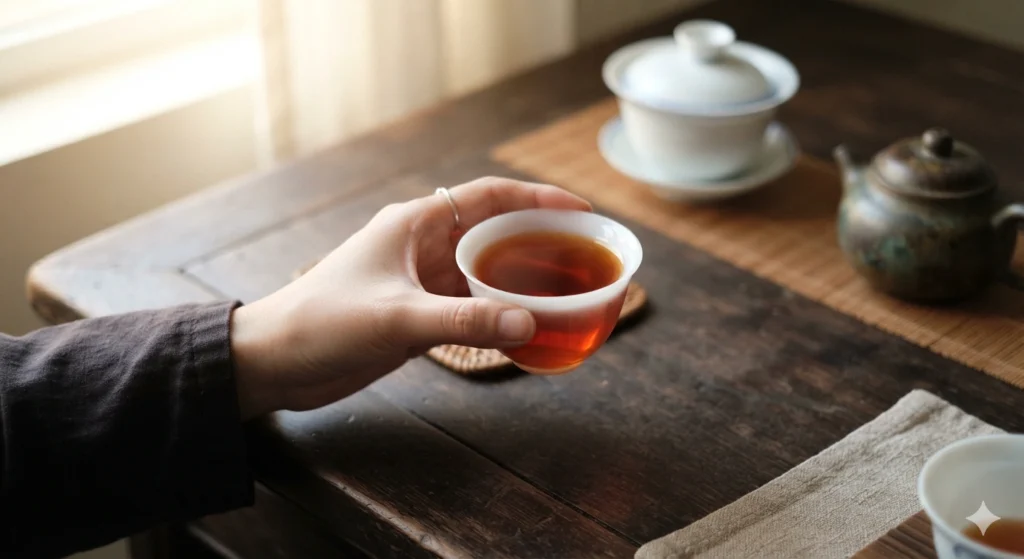
These numbers provide a reliable starting point.
| Brewing Parameter | Recommendation |
|---|---|
| Tea Amount | 5–7 grams |
| Vessel Size | 100–120 ml |
| Water Temperature | 95°C–100°C (200°F–212°F) |
| First Infusion | 10–15 seconds |
| Later Infusions | Increase gradually by 5–10 seconds |
The most important point is water temperature.
Dahongpao can handle near-boiling water because of its roasting and dense leaf structure. High heat helps release the deeper aromas hidden inside the leaves.
Do not treat Dahongpao like a delicate green tea.
It is a tea built around warmth.
If you do not have a gaiwan, you can still brew Dahongpao using a larger cup or teapot.
For a Western-style method:
- Use around 3–4 grams of tea
- Use 250 ml water
- Brew for 1–2 minutes
This method is simpler, but it will produce fewer layers and fewer enjoyable infusions compared with Gongfu brewing.
Step-by-Step: How To Brew Dahongpao Tea
Step 1: Warm Your Teaware
Before brewing, pour hot water into your gaiwan or teapot.
Let it sit for a few seconds, then discard the water.
This simple step helps maintain brewing temperature and prepares the vessel for the tea.
Step 2: Add Dahongpao Tea Leaves
Add 5–7 grams of Dahongpao leaves into your warmed vessel.
For a 100 ml gaiwan, the leaves should fill around one-quarter to one-third of the space.
Do not use too little tea.
A low leaf ratio often produces a weak cup without the body and depth that Dahongpao is known for.
Step 3: Rinse The Tea (Optional)
A quick rinse is common when brewing Wuyi Rock Tea.
Pour hot water over the leaves and immediately discard it.
This helps:
- remove surface dust
- loosen tightly twisted leaves
- prepare the first infusion
For very high-quality Dahongpao, some drinkers skip this step. Both approaches are acceptable.
Step 4: First Infusion
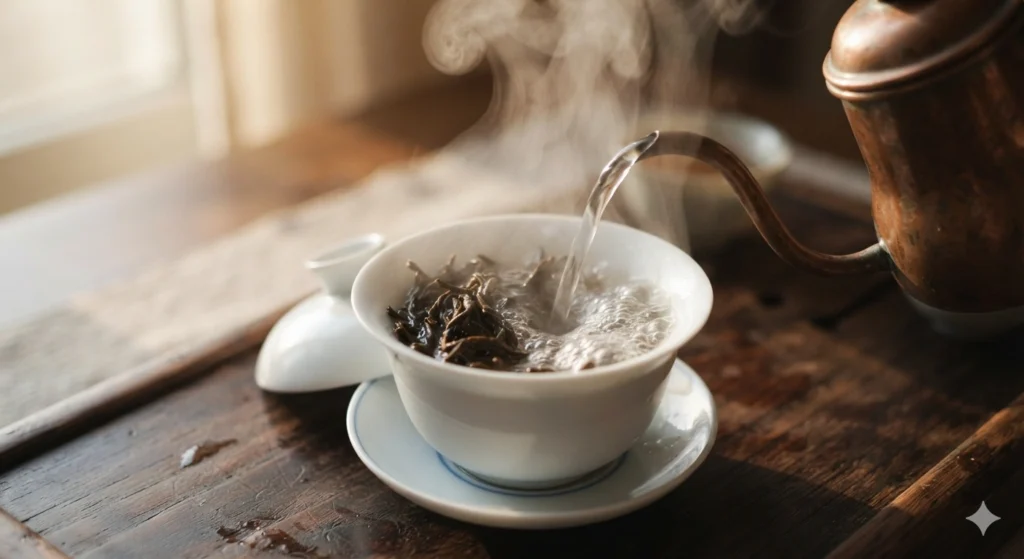
Pour water at 95°C–100°C over the leaves.
Steep for around 10–15 seconds.
Pour the tea completely into a fairness pitcher or cups.
Do not leave water sitting with the leaves between infusions. This can quickly increase bitterness.
The first infusion should reveal the main character of Dahongpao:
- roasted aroma
- smooth body
- gentle sweetness
A well-made Dahongpao should feel rich, not harsh.
Step 5: Adjust Later Infusions
Dahongpao reveals itself slowly.
The second infusion is usually slightly longer, around 15–20 seconds. The third infusion can extend to 20–30 seconds, depending on how strong you prefer the tea.
A good rule is to increase the steeping time gradually rather than making large jumps.
Example:
| Infusion | Steeping Time |
|---|---|
| 1st | 10–15 seconds |
| 2nd | 15–20 seconds |
| 3rd | 20–30 seconds |
| 4th–6th | Adjust according to taste |
Each infusion brings out something different.
The early infusions usually highlight the roasted aroma:
- toasted nuts
- cocoa
- warm wood
The middle infusions often reveal more sweetness and texture:
- smoother mouthfeel
- mineral notes
- lingering aftertaste
Later infusions become softer and calmer, with less roast and more of the tea’s natural sweetness.
This gradual transformation is one of the reasons people enjoy Dahongpao. You are not simply drinking the same flavor repeatedly. You are following the tea as it changes.
How Many Times Can You Steep Dahongpao Tea?
A good Dahongpao can usually be steeped 6 to 10 times.
Higher-quality Wuyi Rock Tea from skilled producers can often continue beyond that.
The first infusion is not always the best one.
Many beginners stop too early because they expect the strongest flavor immediately. But Dahongpao often becomes more balanced after the first few steeps.
A typical progression looks like this:
First few infusions
- strongest roasted aroma
- deeper fragrance
- fuller body
Middle infusions
- sweeter
- smoother
- more mineral character
Later infusions
- softer texture
- gentle sweetness
- clean finish
When the leaves finally lose their character and the tea becomes thin or watery, the session has naturally come to an end.
Common Mistakes When Brewing Dahongpao
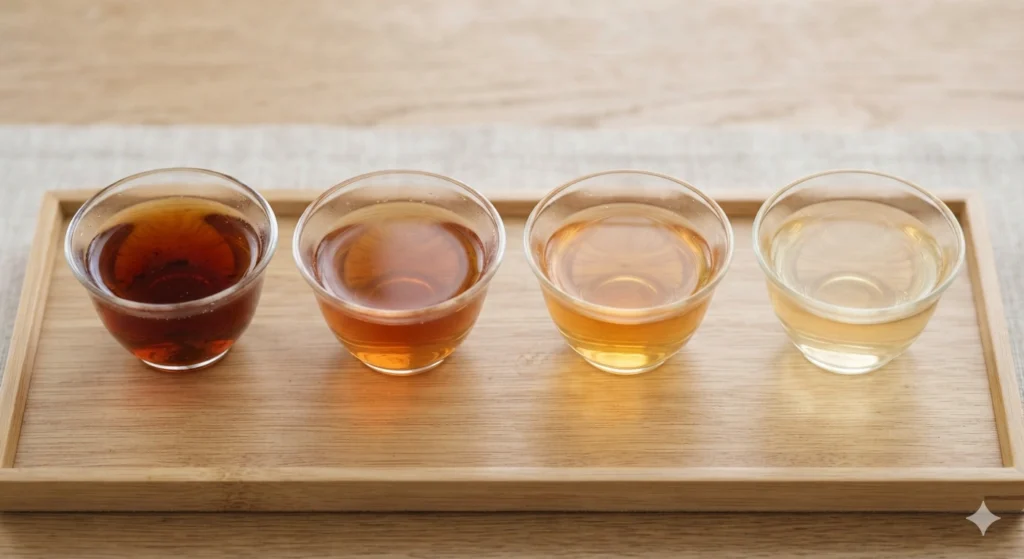
Dahongpao is not difficult to brew, but several common mistakes can prevent it from showing its best side.
Using Water That Is Too Cool
This is one of the biggest mistakes.
Many people are used to lowering water temperature for green tea, but Dahongpao needs heat.
Water below 90°C often fails to extract the roasted depth and mineral character from the leaves.
The result is usually:
- weak aroma
- flat taste
- thin body
For Dahongpao, hotter water usually creates a better experience.
Steeping Too Long
A common misunderstanding is that stronger tea requires longer steeping.
With Dahongpao, this often creates bitterness instead.
The Gongfu method relies on:
- more leaves
- less time
- multiple infusions
A 15-second infusion with enough leaves can produce more complexity than a three-minute steep with fewer leaves.
Using Too Few Leaves
Dahongpao needs a relatively high leaf-to-water ratio.
Using only a small amount of leaves in a large pot usually produces a weak and empty cup.
The tea may smell interesting when dry but fail to deliver depth after brewing.
If the tea tastes thin, increase the amount of leaves before increasing the steeping time.
Brewing Dahongpao Like Green Tea
This is another frequent mistake.
Green tea brewing focuses on protecting freshness and avoiding bitterness:
- lower temperature
- shorter leaf exposure
- lighter extraction
Dahongpao works differently.
It needs:
- hotter water
- more leaf
- repeated short infusions
The goal is not to preserve delicate freshness.
The goal is to unlock depth.
How To Make Dahongpao Tea Less Bitter
A properly brewed Dahongpao should be smooth, roasted, and sweet.
If your tea tastes bitter or harsh, adjust these factors:
Shorten The Steeping Time
This should be your first adjustment.
Reduce the next infusion by a few seconds and see how the flavor changes.
Small changes can make a noticeable difference.
Check Your Tea Amount
Too many leaves in a small vessel can create an overly concentrated cup.
Try reducing the leaf amount slightly.
Adjust Water Temperature Carefully
Although Dahongpao likes hot water, extremely aggressive boiling for too long can sometimes emphasize bitterness in lower-quality teas.
Try slightly reducing the temperature if needed, but keep it above 90°C.
Consider Tea Quality
Sometimes the brewing method is not the problem.
Lower-quality Dahongpao may have:
- excessive roast
- uneven processing
- rough bitterness
- weak aftertaste
A well-made Dahongpao should feel balanced.
The roast should support the tea, not cover it.
Dahongpao Brewing Compared With Other Teas
Different teas require different brewing styles.
| Tea | Temperature | Brewing Style |
|---|---|---|
| Dahongpao | 95°C–100°C | Short Gongfu infusions |
| Longjing | 75°C–85°C | Gentle glass brewing |
| Tie Guan Yin | 90°C–95°C | Floral Gongfu brewing |
| Black Tea | 90°C–95°C | Longer western-style infusion |
Compared with Longjing, Dahongpao requires more heat and produces a much deeper flavor.
Compared with Tie Guan Yin, it is less floral and more roasted.
Compared with Phoenix Dancong, it is less focused on intense fragrance and more focused on warmth, texture, and mineral depth.
Each tea has its own rhythm.
Dahongpao is about slowing down and noticing the changes.
Our Dahongpao Brewing Experience At Tea Passage
At Tea Passage, Dahongpao was one of the teas that taught us the importance of brewing style.
The first time we tried it, the tea smelled impressive but tasted heavier than expected. We used too much time and not enough attention. The roast dominated, and the sweetness disappeared.
The change came when we simplified the process.
More leaves.
Hotter water.
Shorter infusions.
The difference was immediate.
The roasted aroma became warmer instead of overwhelming. The texture became smoother. The mineral sweetness appeared gradually, especially in later cups.
Since then, Dahongpao has become a tea we return to when we want something grounding.
It is not a tea for rushing.
It rewards patience.
A quiet afternoon, a warm gaiwan, and several small cups are often enough to understand why Wuyi Rock Tea has been appreciated for generations.
Frequently Asked Questions
How long should I steep Dahongpao tea?
For Gongfu brewing, start with around 10–15 seconds for the first infusion. Increase gradually by 5–10 seconds for later infusions.
What temperature should Dahongpao tea be brewed at?
Dahongpao is best brewed with water around 95°C–100°C. Near-boiling water helps release its roasted and mineral characteristics.
Should I rinse Dahongpao tea?
A quick rinse is optional but commonly used for Wuyi Rock Tea. It helps open tightly twisted leaves and prepares them for brewing.
How many times can Dahongpao be steeped?
Good Dahongpao can usually be brewed 6–10 times. Premium teas may continue producing flavor beyond that.
Can I brew Dahongpao in a mug?
Yes, although a gaiwan or small teapot will reveal more complexity. A mug works for convenience but will provide fewer layers of flavor.
Why does my Dahongpao taste bitter?
Bitterness usually comes from steeping too long, using too many leaves, or using lower-quality tea. Adjust brewing time first before changing other factors.
Final Thoughts
Brewing Dahongpao is not about complicated techniques.
It is about understanding what the tea needs.
Give it enough heat. Give the leaves enough space. Keep the infusions short. Let the tea gradually reveal itself.
A good Dahongpao does not need to be forced.
With the right approach, it offers exactly what makes Wuyi Rock Tea special: roasted warmth, mineral depth, smooth texture, and a long, quiet sweetness.
At Tea Passage, we select Dahongpao that reflects the character of Wuyi Mountain — a tea shaped by rock, fire, and time.