Introduction
Dahongpao tea is famous for its history, its Wuyi Mountain origin, and its legendary reputation. But beyond the stories, the most important question is simple:
What does Dahongpao actually taste like?
Unlike light and floral oolong teas, Dahongpao offers a deeper experience. It is warm, roasted, and mineral-rich, with flavors of toasted nuts, dark sweetness, and the distinctive “rock character” that defines Wuyi rock tea.
For those who enjoy coffee, dark chocolate, roasted nuts, or aged spirits, Dahongpao often feels familiar while still offering something completely different.
This guide explores the complete Dahongpao taste profile, including its aroma, mouthfeel, sweetness, mineral notes, and how it compares with other famous oolong teas.
What Does Dahongpao Tea Taste Like?
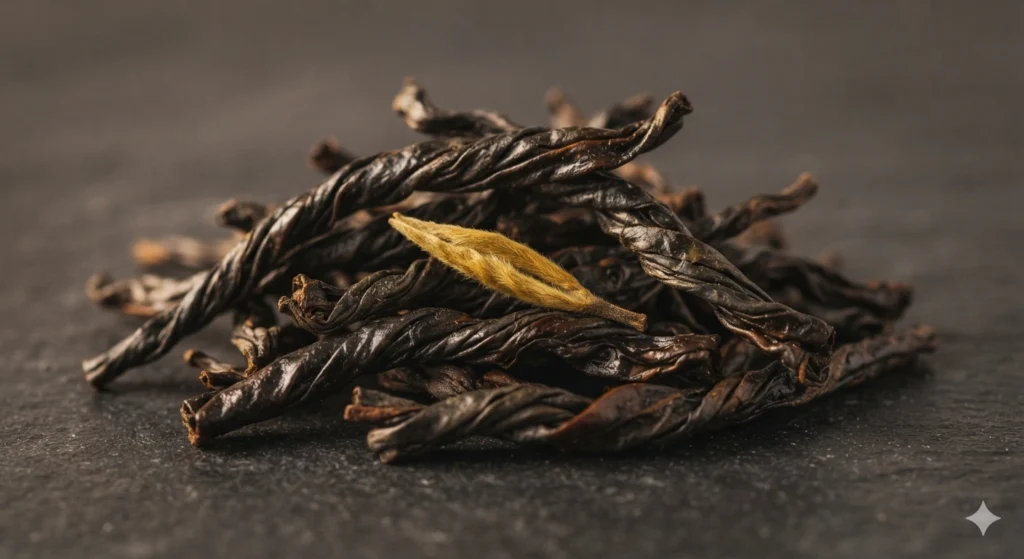
Dahongpao tastes roasted, nutty, mineral, and smooth, with a full body and a long-lasting sweet finish.
The first impression is usually the roasted aroma. You may notice notes similar to:
- Toasted nuts
- Roasted grains
- Cocoa
- Warm wood
As you continue drinking, the deeper character appears. The tea develops a mineral sensation known as yan yun (rock rhyme), a signature quality of Wuyi rock teas.
The finish is where Dahongpao becomes memorable. After swallowing, a gentle sweetness remains in the throat, creating the lingering feeling that Chinese tea drinkers call hui gan (returning sweetness).
Dahongpao is not a bright or refreshing tea like green tea. It is a tea with warmth, depth, and presence.
The Main Flavor Notes Of Dahongpao
Dahongpao’s flavor comes from three main characteristics:
- Roasted aroma
- Mineral rock character
- Natural sweetness
Together, these create the unique taste that makes Wuyi rock tea famous.
1. Roasted Nut Aroma
The first thing most people notice about Dahongpao is its roasted fragrance.
This aroma comes from the traditional roasting process. Tea makers carefully roast the leaves, sometimes multiple times, to develop deeper flavors and improve balance.
A good Dahongpao should smell like:
- Roasted almonds
- Toasted grains
- Cocoa
- Warm spices
It should not smell burnt or smoky.
A heavy charcoal smell usually indicates poor roasting rather than quality. The best Dahongpao has a smooth roasted character that supports the tea instead of overpowering it.
2. Mineral Rock Character (Yan Yun)
The defining feature of Dahongpao is its mineral quality.
Known as yan yun, this sensation is what separates Wuyi rock tea from many other oolongs.
It is difficult to describe as a single flavor. Instead, it feels like:
- The freshness of mountain spring water
- The clean taste of stone after rain
- A deep, grounding sensation on the palate
This character comes from the Wuyi Mountain environment.
The tea plants grow among rocky cliffs and mineral-rich soil. The combination of soil, climate, and traditional processing creates a flavor that cannot easily be copied elsewhere.
Yan yun is not an added flavor.
It is the taste of the place where the tea grows.
3. Natural Sweetness
Although Dahongpao is known for roasting, a good example should never taste harsh.
Underneath the roasted notes is a soft sweetness similar to:
- Caramel
- Dried fruit
- Roasted chestnut
The sweetness usually appears after swallowing rather than immediately.
This lingering sweetness is one reason experienced tea drinkers enjoy Dahongpao. Each sip leaves a cleaner and sweeter feeling instead of becoming tiring.
4. Smooth And Full Mouthfeel
Dahongpao has a fuller body compared with many green teas and lighter oolongs.
The texture is:
- Smooth
- Rounded
- Slightly coating
It fills the mouth without feeling heavy.
A well-made Dahongpao should feel warm and comfortable, with a balance between roast, sweetness, and mineral depth.
Is Dahongpao Bitter?
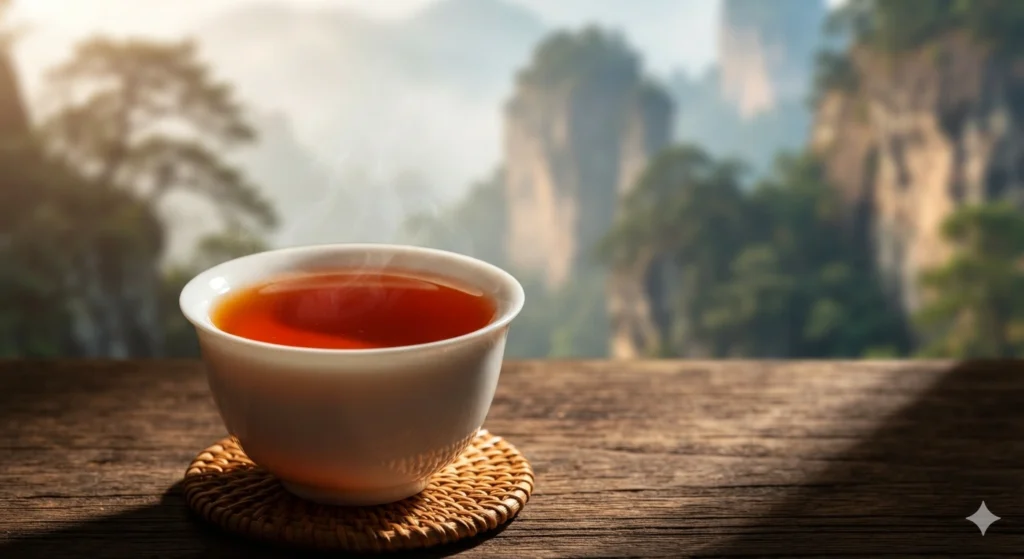
A good Dahongpao should not taste bitter.
The roasted flavor may feel strong, but it should be smooth rather than sharp.
If your Dahongpao tastes bitter, the most common reasons are:
Brewing Too Long
Dahongpao works best with short Gongfu-style infusions.
A first infusion of around 10-15 seconds is usually enough.
Long steeping extracts excessive tannins and hides the tea’s sweetness.
Poor Quality Tea
Lower-quality Dahongpao may have:
- Harsh roasting
- Flat flavor
- Excessive bitterness
- Little mineral character
A good Dahongpao should become smoother with each infusion, not more unpleasant.
Incorrect Water Temperature
Unlike green tea, Dahongpao needs hotter water.
Water around 95°C-100°C helps release its roasted aroma and deeper flavors.
Using cooler water often creates a flat and weak cup.
How Dahongpao Taste Changes With Quality
Not all Dahongpao tastes the same.
The flavor can change significantly depending on:
- Tea origin
- Tea tree age
- Harvest season
- Roasting skill
- Storage conditions
A cheaper Dahongpao may still have roasted notes, but it often lacks the depth and balance that make Wuyi rock tea special.
Premium Dahongpao
High-quality Dahongpao usually has a more layered and balanced taste.
You may notice:
- Clear roasted nut aroma
- Smooth mineral character
- Natural sweetness
- Long-lasting aftertaste
The roast feels integrated into the tea rather than sitting on top of it.
Each infusion reveals something different. Early steeps often highlight the roasted fragrance, while later steeps bring out sweetness and mineral depth.
Premium Dahongpao feels calm and complete.
Mid-Grade Dahongpao
For daily drinking, mid-grade Dahongpao often provides the best value.
It usually offers:
- Pleasant roasted aroma
- Good body
- Some mineral character
- A clean finish
The flavor may not be as complex as premium tea, but it can still provide a satisfying Wuyi rock tea experience.
For most beginners, this is the best place to start.
Lower-Quality Dahongpao
Lower-quality Dahongpao often shows problems such as:
- Burnt roast flavor
- Flat aroma
- Thin body
- Short aftertaste
Instead of tasting like warm roasted nuts and minerals, it may simply taste smoky or bitter.
Good Dahongpao should never feel like drinking charcoal. The roasting should create complexity, not hide flaws.
Dahongpao Taste Compared With Other Oolong Teas
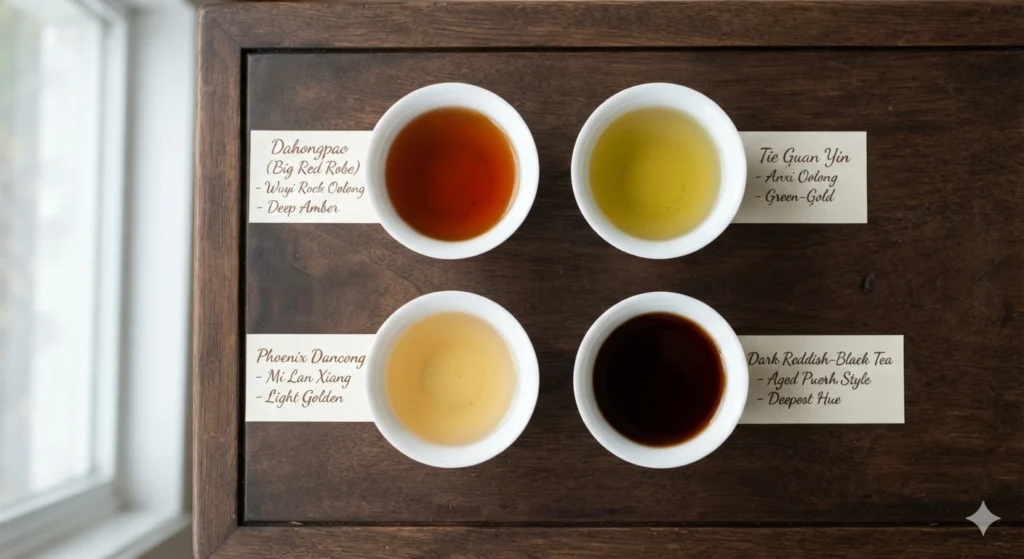
Dahongpao belongs to the darker, roasted side of the oolong family.
Here is how it compares with other famous Chinese oolongs:
| Tea | Main Taste Characteristics |
|---|---|
| Dahongpao | Roasted, mineral, nutty, deep |
| Tie Guan Yin | Floral, creamy, fresh |
| Phoenix Dancong | Floral, fruity, highly aromatic |
| Oriental Beauty | Honey-like, sweet, smooth |
Dahongpao vs Tie Guan Yin
Tie Guan Yin is much lighter and more floral.
It often tastes like:
- Orchid
- Fresh flowers
- Cream
- Fresh green leaves
Dahongpao is the opposite:
- Roasted instead of fresh
- Warm instead of bright
- Mineral instead of floral
Choose Tie Guan Yin if you enjoy light and refreshing flavors.
Choose Dahongpao if you prefer deeper and more comforting flavors.
Dahongpao vs Phoenix Dancong
Both are famous Chinese oolongs, but they express themselves differently.
Phoenix Dancong is known for powerful aromas:
- Orchid
- Honey
- Fruit
- Flowers
Dahongpao focuses more on:
- Roast
- Mineral depth
- Texture
- Long finish
Dancong attracts you with fragrance.
Dahongpao keeps you interested through depth.
Who Will Like Dahongpao Tea?
Dahongpao is especially suitable for people who enjoy:
Coffee Alternatives
If you like coffee but want something smoother, Dahongpao can be a great choice.
The roasted flavor provides a familiar warmth, while the tea offers a gentler energy experience.
Dark And Roasted Flavors
People who enjoy:
- Dark chocolate
- Roasted nuts
- Toasted grains
- Aged spirits
often appreciate Dahongpao immediately.
Slow Tea Experiences
Dahongpao is not a tea you usually drink quickly.
It rewards people who enjoy:
- Multiple infusions
- Paying attention to changing flavors
- Quiet tea moments
The tea becomes more interesting when you slow down and notice how it changes.
Who May Not Like Dahongpao?
Dahongpao may not be the best choice if you prefer:
- Very fresh green tea flavors
- Strong floral aromas
- Light and delicate teas
For example, someone who loves Longjing or fresh jasmine green tea may find Dahongpao too roasted at first.
A lighter oolong such as Tie Guan Yin may be a better introduction.
How To Experience Dahongpao’s Flavor Better
The best way to understand Dahongpao is through Gongfu brewing.
Use:
- 5-7g tea leaves
- 100-120ml gaiwan or small teapot
- 95°C-100°C water
Start with short infusions:
- First steep: 10-15 seconds
- Second steep: 15-20 seconds
- Increase gradually afterward
The flavor changes across each infusion:
Early steeps
- Strong roasted aroma
- Warm and rich character
Middle steeps
- More sweetness
- Stronger mineral notes
Later steeps
- Softer texture
- Cleaner finish
This gradual evolution is one of the reasons Dahongpao is loved by experienced tea drinkers.
Our Experience With Dahongpao At Tea Passage
At Tea Passage, Dahongpao is the tea we choose when we want something grounding.
It is different from lighter teas that immediately impress with fragrance. Dahongpao reveals itself slowly.
The first thing we notice is the roasted aroma. It feels warm and familiar, like toasted nuts and a quiet fireplace. The first sip brings a smooth texture, followed by the mineral character that stays gently on the palate.
What makes Dahongpao special is not one single flavor.
It is the balance between roast, sweetness, texture, and depth.
It is a tea that feels steady and comforting, the kind of tea you return to when you want a slower moment.
Frequently Asked Questions
What does Dahongpao tea taste like?
Dahongpao tastes roasted, nutty, and mineral-rich, with notes of toasted nuts, cocoa, and a sweet lingering finish.
Is Dahongpao a strong-tasting tea?
Yes, compared with lighter oolongs, Dahongpao has a deeper and fuller flavor. However, good Dahongpao should be smooth rather than harsh.
Why does Dahongpao taste roasted?
The roasted flavor comes from traditional processing. Tea makers roast the leaves carefully to develop deeper aromas and improve balance.
Does Dahongpao taste like coffee?
It does not taste like coffee, but both share roasted flavor characteristics. Dahongpao is smoother, more layered, and less intense.
Is Dahongpao bitter?
A properly brewed Dahongpao should not be bitter. Bitterness usually comes from over-steeping, poor-quality tea, or incorrect brewing methods.
Is Dahongpao good for beginners?
Yes, especially for beginners who enjoy roasted and deeper flavors. People who prefer fresh floral teas may prefer lighter oolongs first.
Dahongpao is a tea shaped by rock, fire, and time. Its flavor is not about intensity alone, but about balance: roasted warmth, mineral depth, and a sweetness that slowly appears with every infusion.
At Tea Passage, we choose Dahongpao for the character that makes Wuyi rock tea unique — a tea with depth, patience, and a story that unfolds one cup at a time.