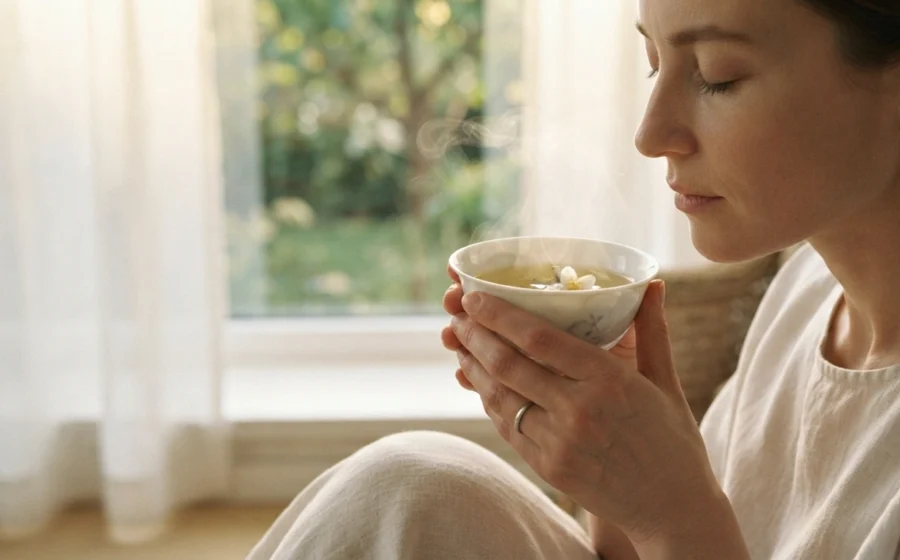
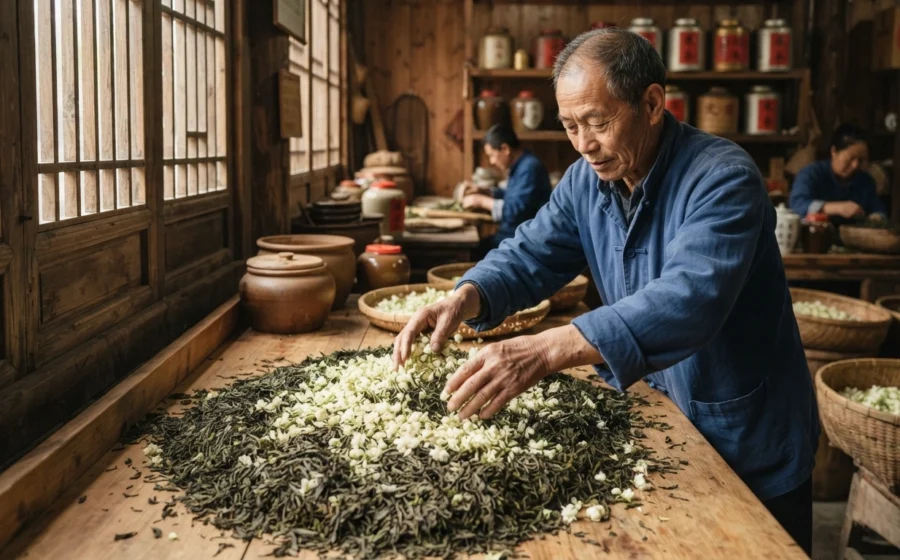
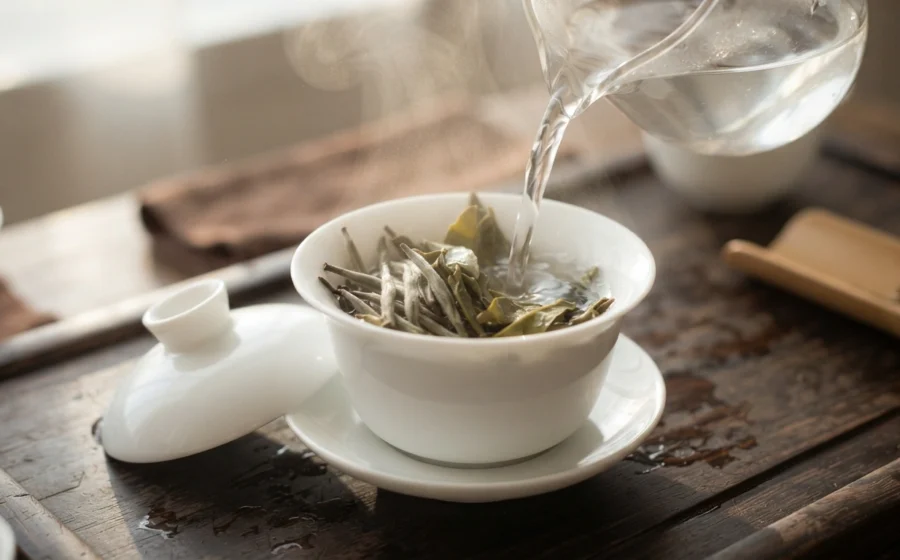
Two of China’s most famous oolong teas often appear in discussions among tea lovers: Phoenix Dancong and Dahongpao.
Both come from famous mountain regions. Both are carefully crafted traditional teas. Both are known for complexity and character.
But the drinking experience could not be more different.
Dancong is famous for fragrance.
It delivers intense floral aromas, fruity notes, and a constantly changing flavor experience.
Dahongpao is famous for depth.
It offers roasted warmth, mineral character, and a smooth, grounding feeling.
Neither tea is better. They simply represent two different sides of Chinese oolong.
This guide explains the differences between Dancong and Dahongpao, helping you decide which tea matches your taste.
What Is Dancong Tea?
Phoenix Dancong is a traditional oolong tea from Phoenix Mountain in Guangdong, China.
The name Dancong means “single bush.” Historically, tea makers harvested and processed leaves from individual tea trees separately because each tree could produce a unique aroma profile.
This tradition created a wide range of Dancong varieties, each known for a different fragrance:
- Honey Orchid
- Gardenia
- Almond
- Ginger Flower
- Duck Shit Aroma (Ya Shi Xiang)
Unlike scented teas, Dancong’s aroma is completely natural. The floral and fruity notes come from the tea cultivar, growing environment, and skilled processing.
The biggest characteristic of Dancong is its aromatic intensity.
When brewed, the fragrance often appears before the first sip. The room fills with floral notes, and each infusion reveals something slightly different.
If you enjoy jasmine tea, floral wines, aromatic coffee, or expressive flavors, Dancong is likely to appeal to you.
What Is Dahongpao Tea?
Dahongpao, also known as Big Red Robe, is a famous Wuyi Rock Oolong from the Wuyi Mountains in Fujian province.
Unlike Dancong, which focuses on fragrance, Dahongpao is built around roast, texture, and mineral depth.
The tea undergoes traditional roasting, often using charcoal, which creates flavors of:
- Roasted nuts
- Cocoa
- Toasted grains
- Warm stone
Dahongpao is also known for yan yun, often translated as “rock rhyme.”
This refers to the mineral character created by the unique environment of Wuyi Mountain. The rocky soil, cliffs, and misty climate influence the tea’s final flavor.
Where Dancong feels bright and expressive, Dahongpao feels calm and grounded.
It is the kind of tea many people enjoy with quiet moments, reading, or slow afternoons.
Dancong vs Dahongpao: Quick Comparison
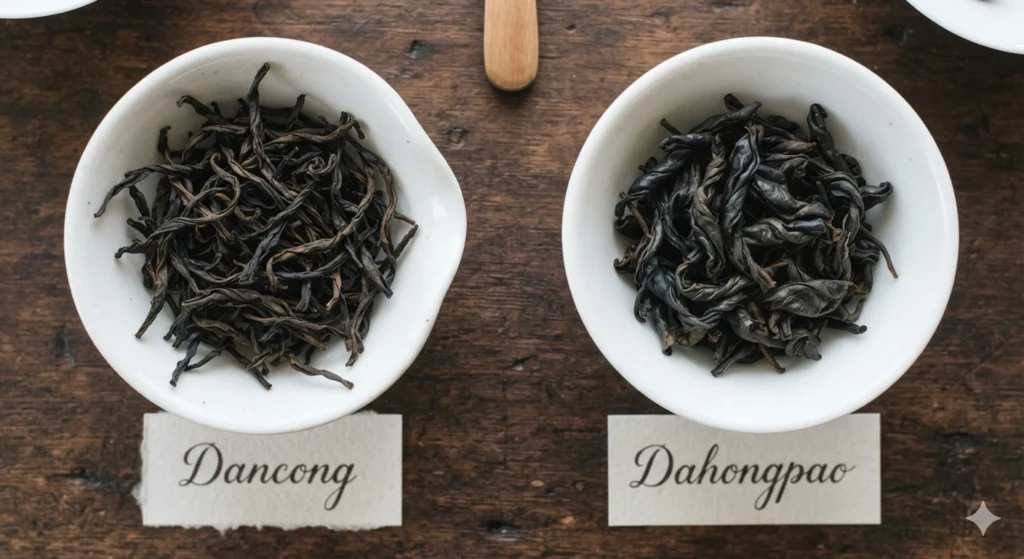
| Aspect | Dancong | Dahongpao |
|---|---|---|
| Origin | Phoenix Mountain, Guangdong | Wuyi Mountain, Fujian |
| Tea Type | Phoenix Dancong Oolong | Wuyi Rock Oolong |
| Main Character | Floral and aromatic | Roasted and mineral |
| Aroma | Orchid, honey, fruit | Nuts, cocoa, warm stone |
| Body | Smooth and evolving | Full and warming |
| Roast Level | Light to medium | Medium to heavy |
| Best For | Aroma lovers | Roasted tea lovers |
The difference becomes obvious once you taste them side by side.
Dancong attracts you through fragrance.
Dahongpao keeps you coming back through depth.
Dancong vs Dahongpao: Flavor Difference
The biggest difference between these two teas is the way they express flavor.
Dancong: Floral, Bright, and Expressive
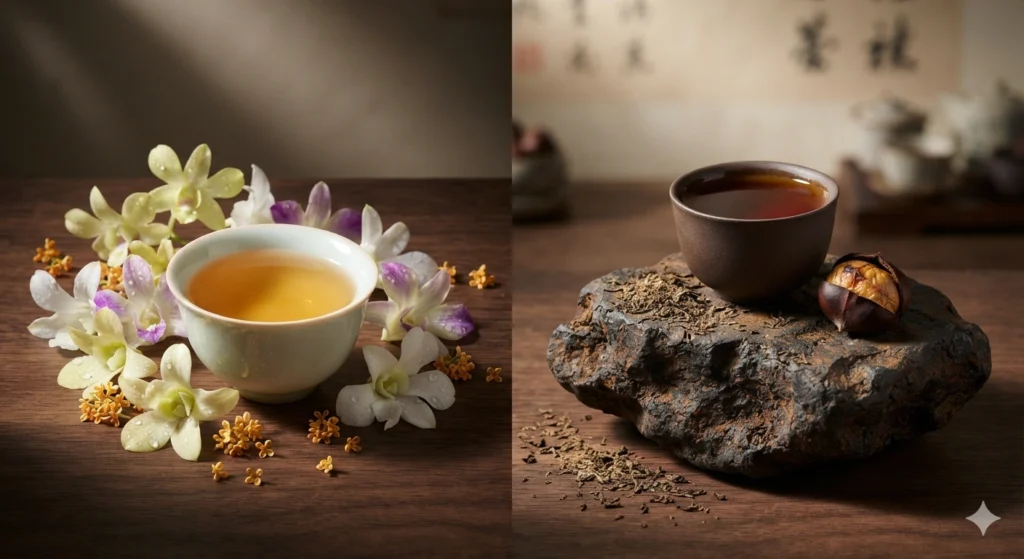
Dancong tastes like a mountain garden.
The first impression is usually aromatic:
- Orchid
- Honey
- Fresh flowers
- Ripe fruit
The texture is smooth and silky, with a sweet aftertaste that stays in the mouth.
As you continue brewing, the flavor changes. Early infusions highlight fragrance. Later infusions reveal more sweetness, creaminess, and mineral notes.
Dancong is a tea that feels alive. It changes quickly and rewards attention.
Dahongpao: Roasted, Deep, and Grounding
Dahongpao feels completely different.
The first sip brings:
- Toasted nuts
- Dark cocoa
- Roasted grains
- Mineral sweetness
The body is fuller than Dancong, with a warmer and heavier mouthfeel.
Instead of jumping out immediately, Dahongpao reveals itself slowly. The roasted flavor softens through later infusions, while the mineral character becomes clearer.
It is less about excitement and more about depth.
Dancong vs Dahongpao: Which One Is Better For Beginners?
For beginners, the better choice depends on what kind of flavors you already enjoy.
There is no universally “better” tea. The two teas simply offer different experiences.
Choose Dancong If You Like:
Floral and Fragrant Teas
If you enjoy teas with a strong aroma, Dancong is usually the more exciting choice.
Its fragrance is the main attraction. A good Dancong can fill the room with floral notes before you even taste it.
You may enjoy Dancong if you already like:
- Jasmine tea
- Floral herbal teas
- Light, aromatic oolongs
- Fruity and sweet flavors
It feels bright, expressive, and memorable.
A Tea That Changes With Every Infusion
Dancong is ideal for people who enjoy exploring tea slowly.
The first infusion may highlight flowers and fragrance.
The second may reveal sweetness.
Later infusions may bring out creaminess and mineral notes.
The tea feels like a conversation that changes over time.
Choose Dahongpao If You Like:
Roasted and Rich Flavors
Dahongpao is a better match if you enjoy deeper flavors.
Its roasted character is closer to:
- Roasted nuts
- Dark chocolate
- Toasted grains
- Coffee
- Aged spirits
It feels warmer and more comforting than Dancong.
A Fuller Tea Experience
Dahongpao has a stronger body and a heavier mouthfeel.
Many drinkers enjoy it after meals, during quiet afternoons, or when they want a tea that feels substantial.
It does not rely on intense aroma to impress. Instead, it creates a feeling of warmth and depth.
Dancong vs Dahongpao: Brewing Differences
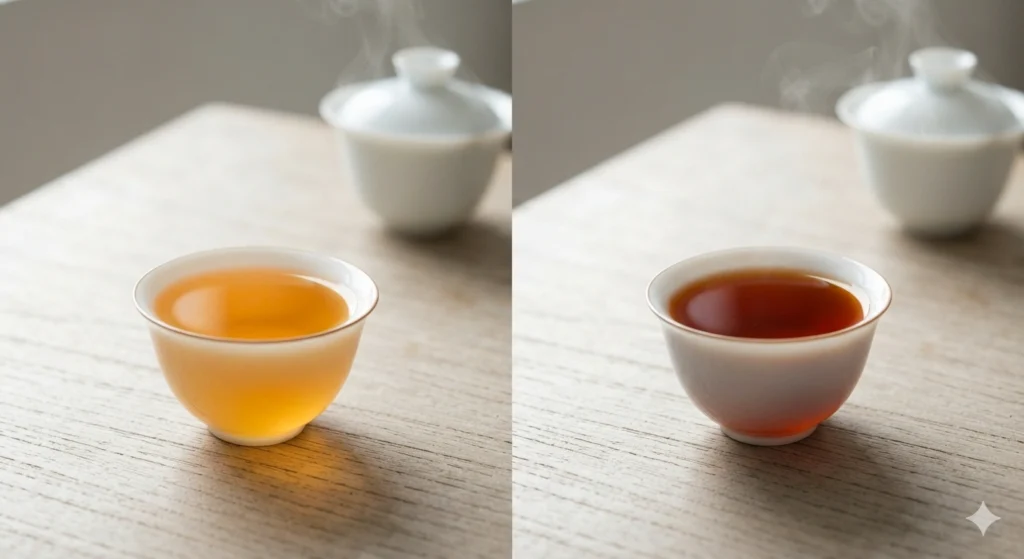
Both teas are best brewed using Gongfu style, but they respond differently.
| Dancong | Dahongpao | |
|---|---|---|
| Water Temperature | 95°C-100°C | 95°C-100°C |
| Tea Amount | 5-7g / 100ml | 5-7g / 100ml |
| First Infusion | 5-10 seconds | 10-15 seconds |
| Main Focus | Aroma extraction | Balance of roast and body |
| Infusions | 6-10+ | 6-10+ |
Dancong requires more attention because its aroma can disappear or become sharp if over-brewed.
Dahongpao is usually more forgiving. The roasting gives it a rounder character and makes it easier for beginners to handle.
Dancong vs Dahongpao: Which Tea Has More Caffeine?
Both Dancong and Dahongpao contain caffeine because both come from the Camellia sinensis plant.
The caffeine level depends on:
- Leaf grade
- Brewing method
- Amount of tea used
- Steeping time
In practical terms, there is no major difference between them.
Because Gongfu brewing uses a high amount of leaves, both teas can provide noticeable energy.
If you are sensitive to caffeine, enjoy smaller servings or avoid drinking strong tea late in the evening.
Which Tea Has Better Aging Potential?
Both teas can age, but they age differently.
Aging Dancong
Traditional Dancong can develop more rounded sweetness and deeper fruit notes over time.
However, freshness is very important for highly aromatic Dancong. Younger teas often show the strongest floral character.
Many tea drinkers prefer Dancong when its fragrance is still vivid.
Aging Dahongpao
Dahongpao has a stronger relationship with aging because of its roasting process.
Well-stored Dahongpao can become:
- Softer
- Smoother
- Sweeter
- More integrated
The roasted edges gradually mellow, creating a deeper and more balanced flavor.
This is one reason Wuyi Rock Tea has such a strong aging tradition.
Dancong vs Dahongpao: Price Difference
Both teas have a wide price range.
The price depends on:
- Origin
- Harvest season
- Tree age
- Processing skill
- Roast quality
Generally:
| Quality Level | Dancong | Dahongpao |
|---|---|---|
| Entry Level | $20-$40 / 50g | $20-$40 / 50g |
| Good Daily Tea | $40-$80 / 50g | $40-$100 / 50g |
| Premium | $100+ / 50g | $100+ / 50g |
For beginners, there is no need to start with the most expensive version.
A well-made mid-range tea is usually enough to experience what makes each style special.
Dancong or Dahongpao: Which One Should You Buy?
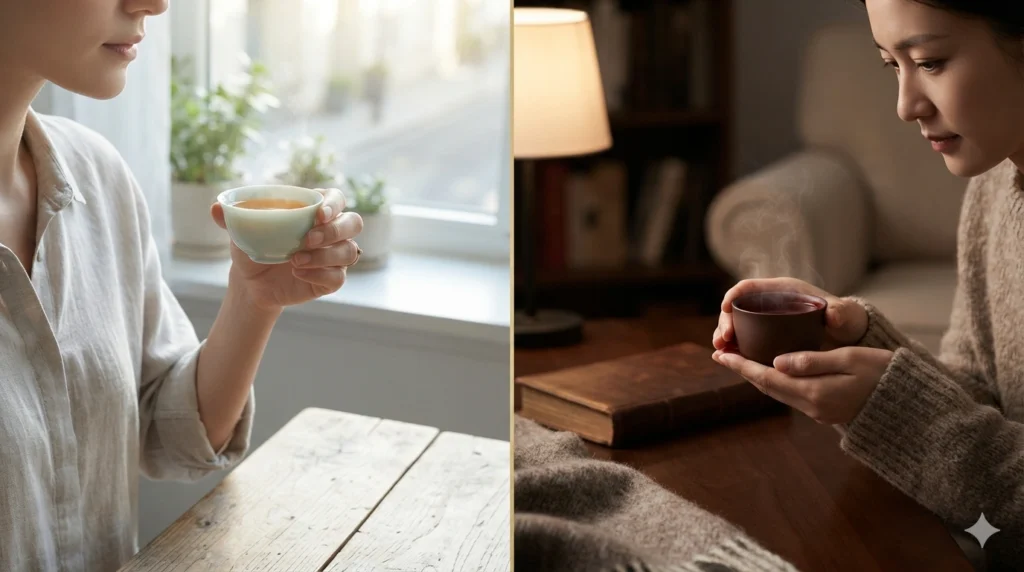
Choose Dancong if you want:
- Strong floral aroma
- Complex fragrance
- A tea that changes with every infusion
- A more expressive drinking experience
Choose Dahongpao if you want:
- Roasted warmth
- Fuller body
- Mineral depth
- A calmer, grounding tea experience
If you are completely new to Chinese oolong, Dahongpao may feel slightly easier because its roasted character is familiar.
If you are curious about aroma and want something memorable from the first cup, Dancong may surprise you more.
Our Experience With Dancong And Dahongpao At Tea Passage
At Tea Passage, we see Dancong and Dahongpao as two completely different expressions of Chinese tea craftsmanship.
Dancong is the tea we reach for when we want curiosity and discovery.
The fragrance changes every time. One day it feels floral and bright. Another day, the sweetness and mineral notes become more noticeable.
Dahongpao is the tea we choose when we want something steady.
Its roasted aroma, smooth texture, and deep finish create a slower experience. It feels like a tea for quiet evenings and thoughtful moments.
Both represent something important about Chinese oolong.
Dancong shows the beauty of aroma.
Dahongpao shows the beauty of depth.
Neither replaces the other. They simply offer different paths into the world of tea.
Frequently Asked Questions
Is Dancong better than Dahongpao?
Neither tea is objectively better. Dancong is better for people who enjoy floral aromas and complexity. Dahongpao is better for those who prefer roasted, deeper flavors.
Which is stronger, Dancong or Dahongpao?
Both can be strong depending on brewing style. Dancong feels stronger aromatically, while Dahongpao feels stronger in body and roasted character.
Is Dahongpao easier to drink than Dancong?
For many beginners, yes. Dahongpao’s roasted flavor is more familiar and forgiving. Dancong requires more attention to appreciate its aroma.
Which tea has more aroma, Dancong or Dahongpao?
Dancong usually has the stronger aroma. Its floral fragrance is one of the main reasons it is famous.
Can I drink Dancong and Dahongpao every day?
Yes. Both are suitable for daily drinking when brewed properly. Many tea drinkers rotate between them depending on their mood.
Dancong and Dahongpao represent two different sides of Chinese oolong.
One is floral, expressive, and constantly changing.
The other is roasted, deep, and quietly powerful.
At Tea Passage, we believe the best tea is not about finding the “best” variety. It is about discovering the tea that matches your own taste, your own rhythm, and your own moments.