Why Is Dahongpao Famous?
Among the many Chinese teas known around the world, few have the reputation of Dahongpao.
Known as Big Red Robe in English, Dahongpao is one of China’s most famous Wuyi rock oolong teas. It is admired not only because of its flavor, but also because of the place where it grows, the craftsmanship behind it, and the centuries of history connected to its name.
So why has Dahongpao remained famous for so long?
The answer comes down to four things:
- Its unique Wuyi Mountain origin
- Traditional charcoal roasting
- A legendary cultural history
- A flavor profile unlike most other teas
What Makes Dahongpao Different From Other Teas?
Dahongpao is not famous simply because it has a famous name.
Its reputation begins with the environment where it is grown and the way it is produced.
Wuyi Mountain: The Origin Of Rock Tea
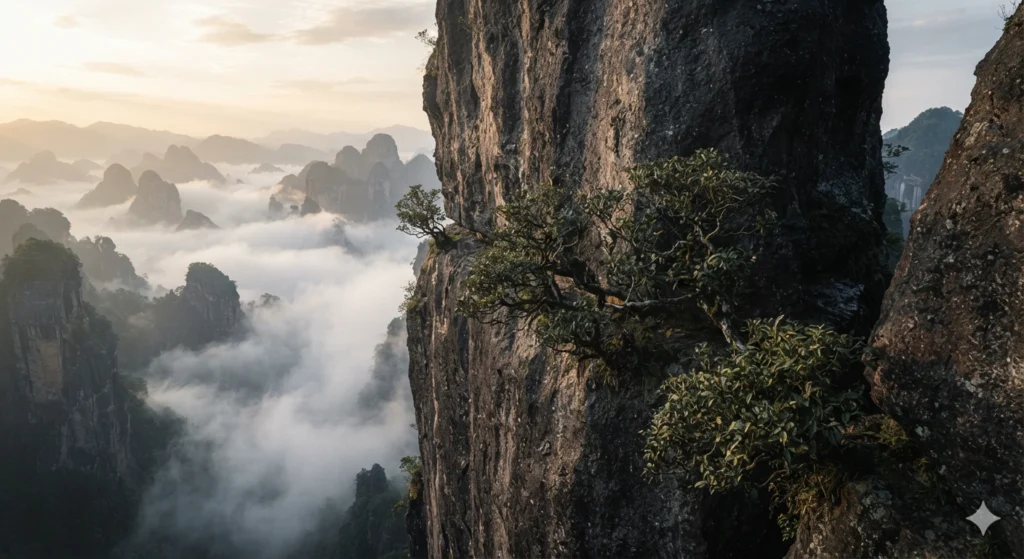
Dahongpao comes from the Wuyi Mountains in northern Fujian, China.
This region is famous for its dramatic landscape of cliffs, valleys, mist, and mineral-rich soil. Unlike tea gardens with wide open fields, many Wuyi tea bushes grow between rocks and along steep mountain slopes.
This unique environment creates what tea drinkers call yan yun, or “rock rhyme.”
Yan yun is not a single flavor. It describes the mineral depth, texture, and lingering character that Wuyi rock teas are known for.
You may notice it as:
- A deeper mouthfeel
- A mineral sweetness
- A long-lasting aftertaste
Dahongpao is considered the most famous example of this Wuyi rock tea character.
Traditional Charcoal Roasting Creates Its Famous Flavor
Another reason Dahongpao stands out is its roasting process.
Unlike lighter oolongs that focus on fresh floral aromas, Dahongpao is traditionally roasted to develop a deeper and warmer character.
The roasting process creates notes such as:
- Roasted nuts
- Dark cocoa
- Toasted grains
- Warm wood
Good Dahongpao should not taste burnt or smoky.
The purpose of roasting is not to hide the tea’s natural character. Instead, it brings out more depth, sweetness, and structure.
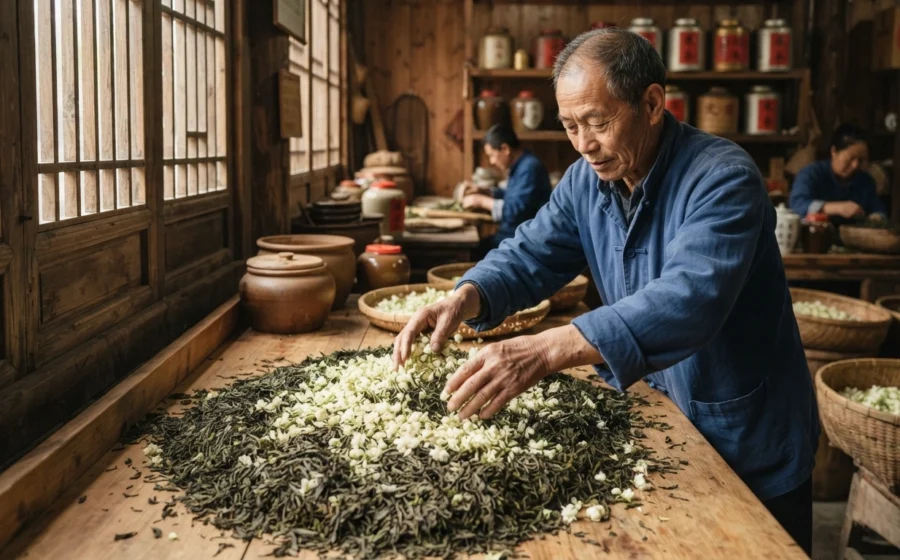
A skilled tea maker carefully controls the heat and timing because even small differences can change the final flavor.
Dahongpao Doehind The Name “Big Red Robe”
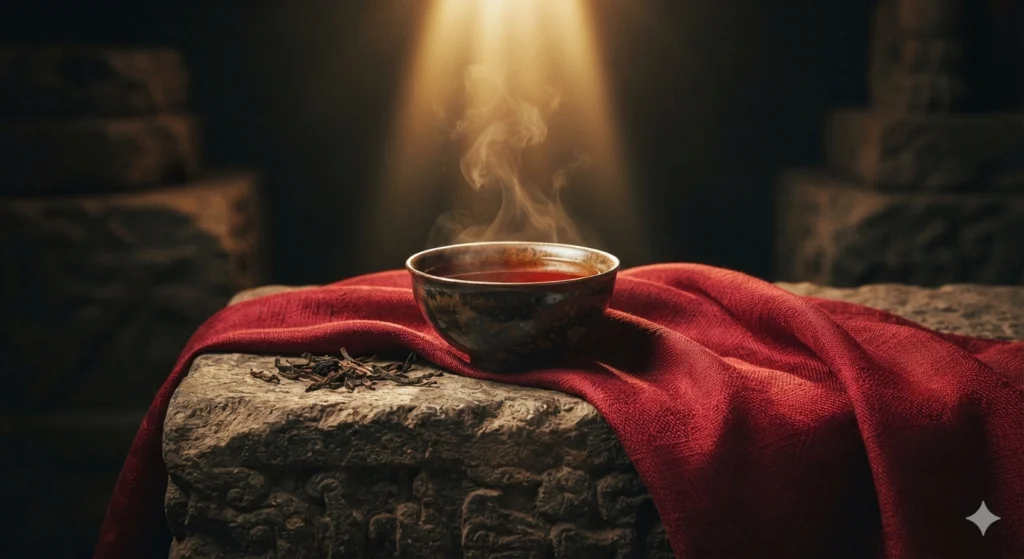
The name Dahongpao comes with one of the most famous stories in Chinese tea culture.
According to legend, during the Ming Dynasty, a scholar became seriously ill while traveling to take the imperial examination.
A monk from Wuyi Mountain gave him tea made from leaves taken from a special tea bush. After drinking the tea, the scholar recovered and continued his journey.
He later passed the examination and returned to thank the monk.
As a symbol of gratitude, he placed his red imperial robe over the tea bush.
From this story came the name:
Dahongpao — Big Red Robe.
The story has been passed down for generations. Whether every detail is historically accurate matters less than what it represents.
The legend connects Dahongpao with:
- Respect
- Tradition
- Craftsmanship
- Appreciation for nature
It also helped transform Dahongpao from simply a tea into a cultural symbol.
Why Is Dahongpao Considered A Luxury Tea?
Dahongpao’s reputation and price come from several factors.
It is not expensive simply because of its name.
1. Limited Growing Area
The Wuyi Mountain tea region is protected and limited in size.
The most valued Wuyi rock teas come from the central areas known as Zhengyan, where the relationship between soil, climate, and tea trees is considered exceptional.
Because the land cannot easily be expanded, high-quality Dahongpao remains limited.
2. Skilled Processing
Making Dahongpao requires experience.
The process includes:
- Careful picking
- Withering
- Oxidation
- Rolling
- Multiple roasting stages
The roasting process especially requires skill.
A tea maker must balance heat, timing, and moisture carefully. Too much roasting can cover the tea’s natural aroma. Too little roasting can leave the flavor incomplete.
3. Historical Reputation
Dahongpao has been valued for centuries.
It has appeared in:
- Tea ceremonies
- Cultural events
- Premium gifts
Its reputation has grown through generations of tea drinkers who appreciate its history and craftsmanship.
The Original Dahongpao Mother Trees
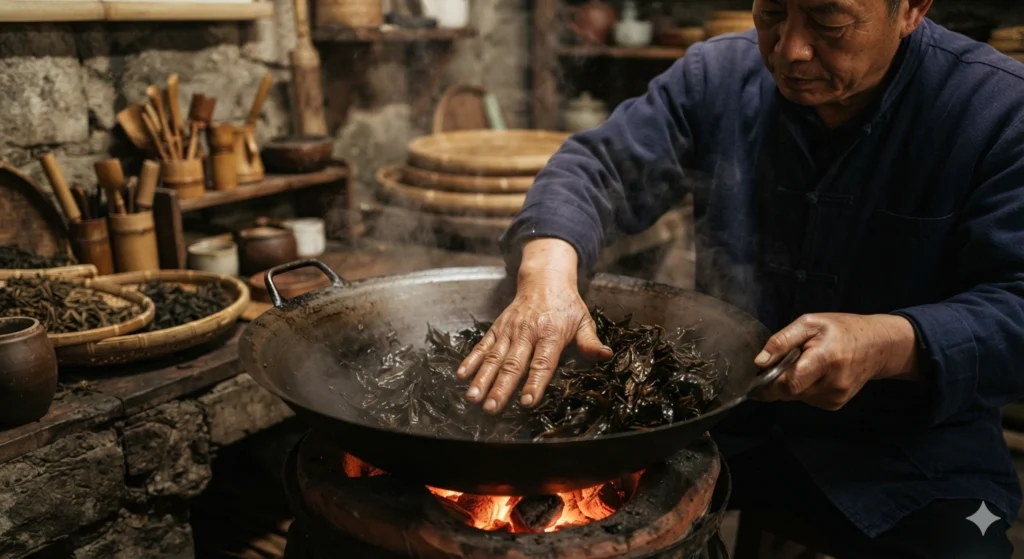
One reason Dahongpao became famous is because of the legendary original mother trees growing on Wuyi Mountain.
These ancient tea bushes are located on a rocky cliff in the Wuyi Mountains and have been protected for generations. Because of their historical importance, the tea produced from these original trees is considered extremely rare.
Today, the original mother tree tea is not commercially available.
Most Dahongpao sold today comes from carefully propagated plants grown from the original genetic lines, or from blends of high-quality Wuyi rock teas made in the traditional Dahongpao style.
This distinction is important.
When people talk about Dahongpao today, they are usually referring to a tea that represents the flavor style and craftsmanship of the original tea, rather than tea directly picked from those ancient bushes.
The legend of the mother trees adds to Dahongpao’s cultural importance, but the quality of modern Dahongpao still depends on:
- Growing location
- Tea maker skill
- Roasting technique
- Leaf quality
A famous name alone does not guarantee a great tea.
What Does Dahongpao Taste Like?
The flavor of Dahongpao is one of the biggest reasons it remains famous.
Unlike lighter oolongs that focus on fresh flowers and bright aromas, Dahongpao offers a deeper and warmer experience.
A well-made Dahongpao usually has:
| Character | Description |
|---|---|
| Aroma | Roasted nuts, cocoa, warm wood, mineral notes |
| Taste | Rich, smooth, slightly sweet |
| Body | Full, rounded, and coating |
| Finish | Long-lasting sweetness with mineral depth |
The first impression is usually the roast.
You may notice flavors similar to:
- Toasted nuts
- Dark chocolate
- Roasted grains
- Warm stone
But underneath the roasted character is a natural sweetness and mineral quality that keeps the tea balanced.
A good Dahongpao should never taste simply smoky or burnt. The roast should support the tea, not overpower it.
Why Do Tea Drinkers Love Dahongpao?
Dahongpao attracts tea drinkers because it offers something many teas do not: a sense of depth.
Some teas impress immediately with strong fragrance.
Dahongpao works differently.
It slowly reveals itself through multiple infusions:
- Early steeps show roasted warmth and structure
- Middle steeps reveal sweetness and texture
- Later steeps become softer and more mineral
This makes it a tea that many experienced drinkers return to repeatedly.
It is not about a single impressive first sip. It is about the entire experience.
Dahongpao vs Other Famous Chinese Teas
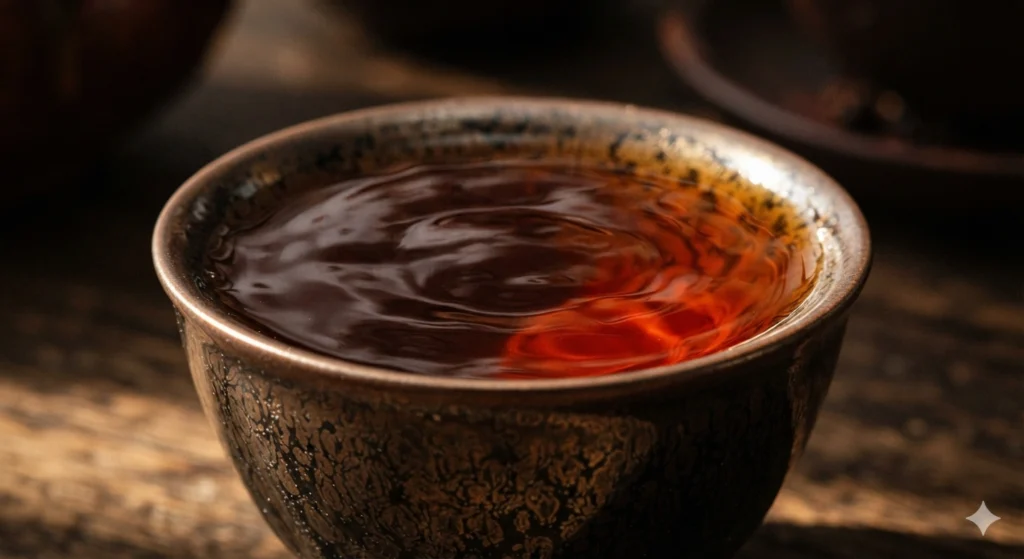
Chinese tea has many famous varieties, but each represents a different style.
| Tea | Flavor Character |
|---|---|
| Dahongpao | Roasted, mineral, deep, warming |
| Longjing | Fresh, chestnut, clean, delicate |
| Tie Guan Yin | Floral, creamy, elegant |
| Phoenix Dancong | Fruity, floral, highly aromatic |
Dahongpao vs Longjing
Longjing is known for freshness.
It has:
- Chestnut aroma
- Light sweetness
- Spring-like freshness
Dahongpao is the opposite direction.
It is:
- Warmer
- Deeper
- More roasted
Longjing feels like a spring morning.
Dahongpao feels more like a quiet evening.
Dahongpao vs Tie Guan Yin
Tie Guan Yin is famous for floral and creamy notes.
It is usually:
- Lighter
- More refreshing
- More immediately approachable
Dahongpao has more body and a stronger roasted character.
If Tie Guan Yin feels like fresh flowers, Dahongpao feels closer to roasted nuts and warm wood.
Dahongpao vs Phoenix Dancong
Phoenix Dancong is known for powerful aromas.
Many Dancong teas have:
- Orchid notes
- Fruit aromas
- Intense fragrance
Dahongpao is less about explosive aroma and more about depth, texture, and lingering sweetness.
Is Dahongpao Worth Trying?
Dahongpao is worth trying if you enjoy:
- Roasted flavors
- Rich and smooth teas
- Coffee alternatives
- Dark chocolate or nutty flavors
- Traditional Chinese tea culture
It is especially appealing to coffee drinkers because the roasted character feels familiar, while the tea provides a gentler experience.
However, Dahongpao may not be the best first choice if you prefer:
- Very light green teas
- Fresh floral flavors
- Bright and refreshing styles
For beginners, lighter oolongs such as Tie Guan Yin may feel easier at first.
But for those who enjoy deeper flavors, Dahongpao often becomes a favorite because it offers complexity without being aggressive.
How To Choose A Good Dahongpao
Because Dahongpao has such a famous reputation, beginners can easily become confused by prices and labels.
A good Dahongpao should focus on quality rather than marketing.
Look for:
Clear Origin Information
A trustworthy seller should explain:
- Where the tea comes from
- Harvest season
- Processing method
Balanced Roasting
Good Dahongpao should have:
- A warm roasted aroma
- Smooth texture
- Natural sweetness
Avoid teas that only taste smoky or burnt.
A Pleasant Aftertaste
One of the signs of quality Wuyi rock tea is the finish.
After swallowing, you should notice:
- Sweetness returning
- Mineral depth
- A clean mouthfeel
This lingering quality is part of what tea drinkers call hui gan.
Why We Love Dahongpao At Tea Passage
At Tea Passage, Dahongpao is a tea we choose when we want something slower and more grounding.
It is not usually the first tea of the morning.
It is the tea for a quiet afternoon, when there is time to sit down and pay attention.
When brewed, the first thing we notice is the aroma.
The roasted fragrance feels warm and familiar, with hints of nuts and minerals. The first sip is rich but smooth, with the roast balanced by a natural sweetness.
As the infusions continue, the tea becomes softer. The sweetness grows clearer, and the mineral character stays quietly in the background.
That is what makes Dahongpao special.
It is not famous only because of an old story.
It is famous because generation after generation of tea drinkers continue to find something worth returning to.
Frequently Asked Questions
Why is Dahongpao tea famous?
Dahongpao is famous because of its Wuyi Mountain origin, traditional charcoal roasting, legendary history, and unique roasted mineral flavor.
Is Dahongpao the most expensive tea in the world?
No.
The original mother tree Dahongpao is extremely rare and not commercially sold. Modern Dahongpao varies widely in price depending on origin, craftsmanship, and quality.
Why is Dahongpao called Big Red Robe?
According to legend, a Ming Dynasty scholar placed his red robe over a tea bush after the tea helped him recover from illness. The story became the origin of the name Big Red Robe.
What does Dahongpao taste like?
Dahongpao tastes roasted, smooth, and slightly sweet, with notes of toasted nuts, cocoa, warm wood, and mineral depth.
Is Dahongpao a green tea or black tea?
Neither.
Dahongpao is an oolong tea. It is partially oxidized and heavily roasted, giving it a flavor profile between lighter green teas and fully oxidized black teas.
Is Dahongpao good for beginners?
Yes, especially for people who enjoy roasted, rich flavors. Beginners who prefer fresh and delicate teas may prefer lighter oolong styles first.
Dahongpao is famous because it represents something rare in tea: a connection between place, craftsmanship, history, and flavor.
At Tea Passage, we believe the best way to understand Dahongpao is not through its reputation alone, but through the experience of drinking it slowly.