Many tea drinkers first discover Wuyi tea through Dahongpao.
One cup is often enough to create curiosity. The roasted aroma, the deep sweetness, and the mineral character feel completely different from lighter green teas or floral oolongs.
But Dahongpao is only one part of the Wuyi tea world.
Behind this famous tea is a much larger tradition built around the Wuyi Mountains of Fujian, China. A place where steep cliffs, rocky soil, traditional craftsmanship, and centuries of tea culture have created some of the most distinctive oolong teas in the world.
This guide will introduce what Wuyi tea is, why it is famous, the different types you should know, and how to choose the right one for your taste.
What Is Wuyi Tea?

Wuyi tea refers to teas produced in and around the Wuyi Mountains in northern Fujian, China.
When people outside China talk about Wuyi tea, they are usually referring to Wuyi rock tea, known in Chinese as Yancha (岩茶).
These teas belong to the oolong family. They are partially oxidized, placing them between green tea and black tea. However, oxidation alone does not define Wuyi tea.
The most important factor is the place where it grows.
The Wuyi Mountains have a unique environment:
- rocky cliffs
- mineral-rich soil
- misty valleys
- dramatic temperature changes between day and night
Tea bushes grow slowly among these conditions, developing flavors that are difficult to reproduce anywhere else.
This is why Wuyi tea is often described as a tea shaped by stone, fire, and time.
Why Is Wuyi Mountain Famous For Tea?
The Wuyi Mountains are one of China’s most important tea regions because the landscape itself becomes part of the tea.
Unlike flat tea gardens where plants grow in deep soil, many Wuyi tea bushes grow between rocks and cliffs. Their roots spread through mineral-rich ground, absorbing characteristics from this unique environment.
Tea makers believe this creates a special quality known as yan yun, or rock rhyme.
Yan yun is difficult to translate directly. It is not one specific flavor like chocolate or fruit.
Instead, it is a feeling:
A mineral depth that stays after each sip.
A clean, lingering finish.
A sense of structure and balance that makes the tea feel grounded.
This is the signature character that separates Wuyi rock tea from many other oolongs.
What Is The Difference Between Wuyi Tea And Yancha?
These two terms are closely connected, but they are not exactly the same.
Think of Wuyi tea as the larger category.
Within it, Yancha (rock tea) is the most famous and prestigious group.
The relationship looks like this:
Wuyi Tea
│
└── Yancha (Rock Tea)
        │
        ├── Dahongpao
        ├── Rou Gui
        └── Shui Xian
Wuyi tea describes tea from the Wuyi region.
Yancha specifically refers to traditional Wuyi oolong teas grown in rocky areas and usually processed with roasting techniques.
When tea lovers discuss classic Wuyi tea, they are usually talking about Yancha.
The Famous Types Of Wuyi Tea
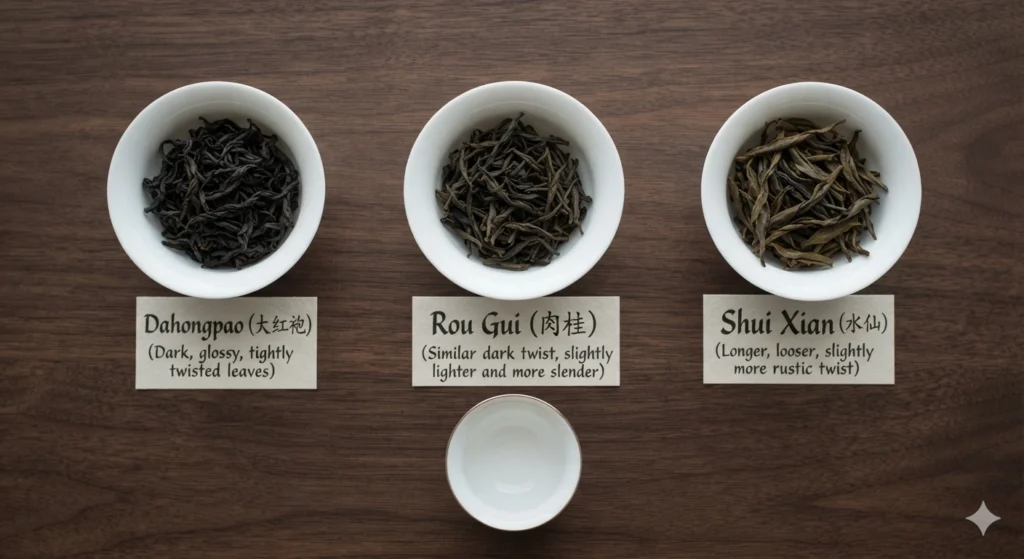
Wuyi tea includes many traditional varieties, but three names appear most often.
Dahongpao (Big Red Robe)
Dahongpao is the most famous Wuyi tea.
It represents the classic image of Wuyi rock tea: roasted, deep, and mineral.
A well-made Dahongpao often carries notes of:
- roasted nuts
- dark cocoa
- dried fruit
- warm stone
The flavor is rich but balanced. Instead of a strong first impression that disappears quickly, Dahongpao develops slowly across multiple infusions.
For many tea drinkers, it is the tea that introduces them to the world of Wuyi.
Rou Gui
Rou Gui means “cinnamon” in Chinese, and its aroma explains the name.
Compared with Dahongpao, Rou Gui is usually more expressive and aromatic. It often has:
- warm spice notes
- cinnamon-like fragrance
- a fuller aroma
It is one of the most popular Wuyi teas today, especially among drinkers who enjoy teas with a stronger fragrance and personality.
If Dahongpao feels like quiet depth, Rou Gui feels more like a vivid first impression.
Shui Xian
Shui Xian is one of the most approachable Wuyi teas.
Its character is softer and smoother, often showing:
- woody sweetness
- gentle roasted notes
- a relaxed body
Some Shui Xian teas are aged, which can create an even smoother and rounder character.
Because it is forgiving and easy to enjoy, Shui Xian is often recommended as a starting point for people exploring Wuyi tea.
Other Traditional Wuyi Teas
Beyond the famous three, Wuyi is home to many historic varieties.
Tie Luo Han (Iron Arhat) is known for its powerful mineral character and traditional style.
Bai Ji Guan (White Cockscomb) is lighter and more delicate, with a unique appearance and softer flavor profile.
These teas are less common but represent the incredible diversity of Wuyi tea culture.
What Does Wuyi Tea Taste Like?
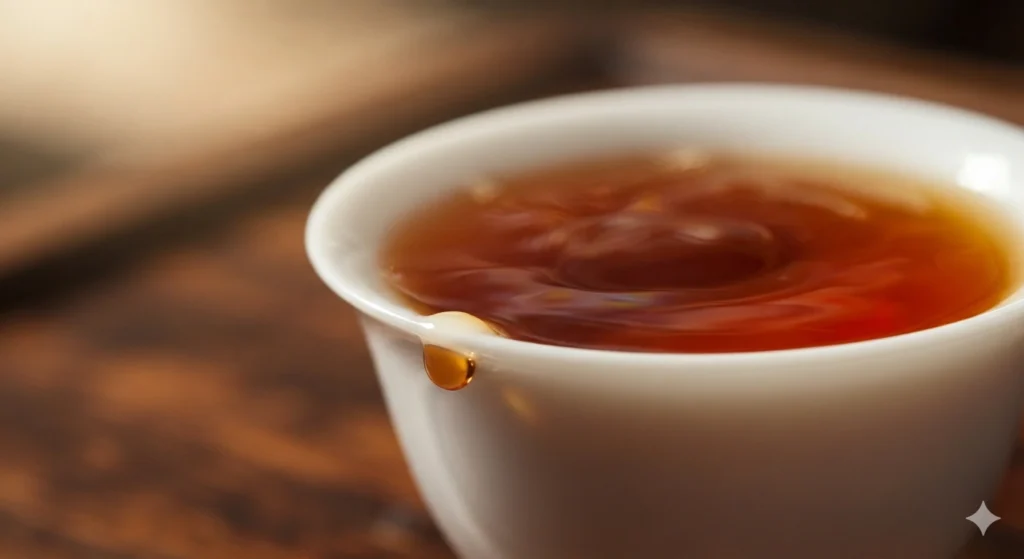
Wuyi tea does not have one single flavor.
Each variety has its own personality, but many share several characteristics:
- roasted warmth
- mineral depth
- smooth texture
- long-lasting sweetness
The roasting process creates comforting notes such as:
- toasted nuts
- cocoa
- baked grains
Underneath the roast is the mineral character of the Wuyi mountains, creating a balanced and layered experience.
A good Wuyi tea should not taste burnt or harsh.
Instead, the flavor should gradually unfold:
The first infusion reveals aroma.
The middle infusions bring sweetness and body.
Later infusions become softer, smoother, and more mineral.
This gradual evolution is one of the reasons people love Wuyi tea.
Wuyi Tea Compared With Other Oolong Teas
| Tea | Character |
|---|---|
| Wuyi Tea | Roasted, mineral, deep, grounding |
| Tie Guan Yin | Floral, creamy, fresh |
| Phoenix Dancong | Highly aromatic, fruity, expressive |
| Taiwanese Oolong | Soft, smooth, elegant |
Compared with Tie Guan Yin, Wuyi tea feels darker and more structured.
Compared with Phoenix Dancong, it is less about explosive fragrance and more about depth.
Wuyi tea does not try to impress immediately.
It rewards patience.
Is Wuyi Tea Good For Beginners?
Wuyi tea has a reputation for being complex, but that does not mean it is only for experienced tea drinkers.
The key is choosing the right style.
Wuyi tea is especially suitable for people who enjoy:
- roasted flavors
- coffee
- dark chocolate
- toasted nuts
- aged spirits
The warm, rich character of rock tea often feels familiar to people who prefer deeper flavors.
However, if you usually drink very light green teas or fresh floral teas, Wuyi tea may feel stronger at first. The roasted character and mineral depth can be quite different from teas like Longjing or Jasmine Green Tea.
For beginners, we recommend starting with:
Shui Xian
A softer and more relaxed Wuyi tea.
It offers the classic roasted and mineral character of Yancha while remaining smooth and easy to drink.
Banyan Dahongpao
A balanced introduction to the world of rock tea.
It provides the traditional Dahongpao experience without the intensity or price of top-tier Zhengyan teas.
Rou Gui
A good choice if you enjoy aromatic teas.
Its warm spice notes make it immediately memorable.
The best way to explore Wuyi tea is not to chase the rarest tea first. Start with a balanced example, learn what you enjoy, and let your taste guide the next step.
How To Brew Wuyi Tea
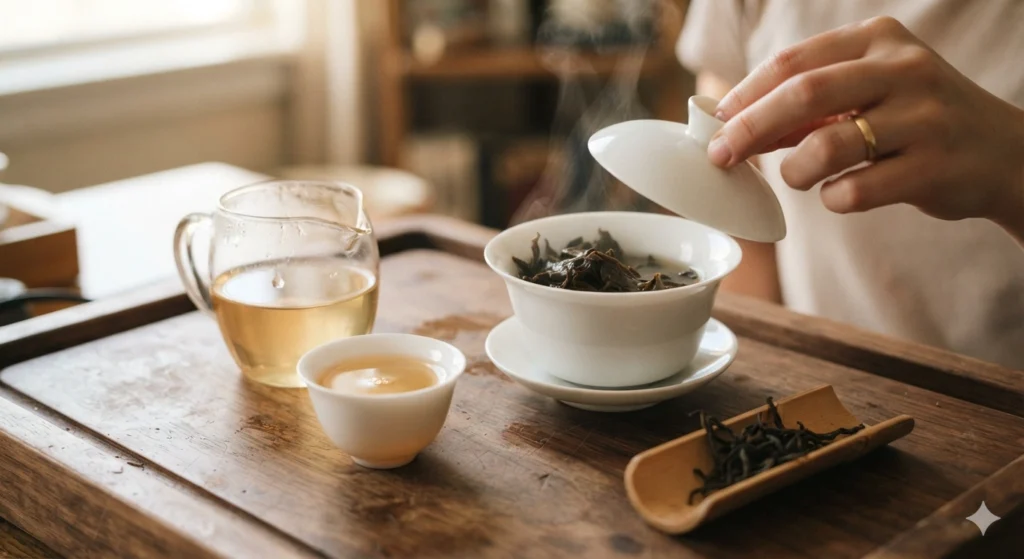
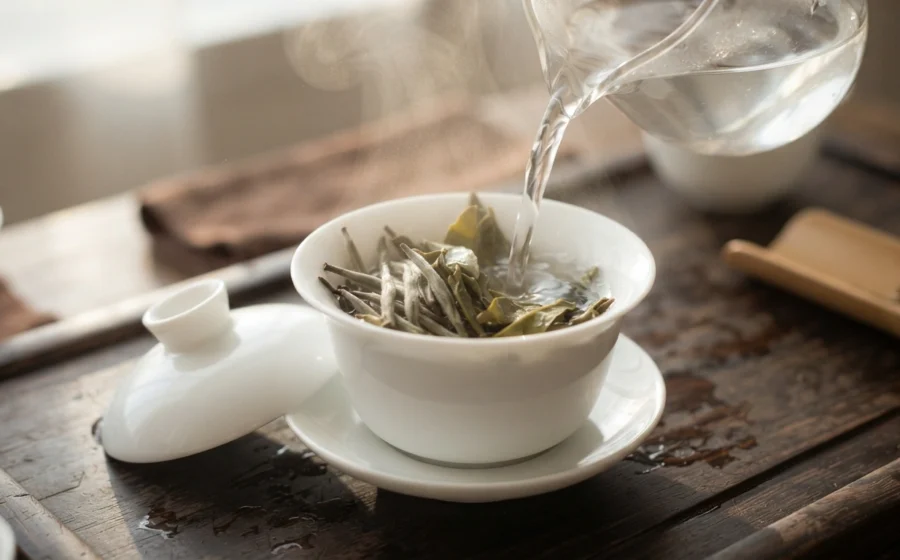
Wuyi tea is traditionally brewed using the Gongfu tea method.
This style uses more leaves, less water, and short repeated infusions. Instead of making one large cup, you experience how the tea changes over time.
For most Wuyi teas, start with:
| Brewing Parameter | Recommendation |
|---|---|
| Tea Amount | 5-7 grams |
| Vessel Size | 100-120 ml gaiwan or small teapot |
| Water Temperature | 95°C-100°C |
| First Infusion | 10-15 seconds |
| Later Infusions | Gradually increase time |
Wuyi tea leaves are relatively strong and heavily processed compared with green teas. They respond well to high temperatures.
Do not worry about using hot water.
The heat helps release:
- roasted aromas
- mineral notes
- deeper sweetness
The first few infusions usually show the strongest roasted character.
As you continue brewing, the tea becomes softer. The sweetness becomes clearer, and the mineral quality becomes more noticeable.
A good Wuyi tea can easily provide:
- 6-10 infusions
- sometimes even more with higher-quality teas
The changing character from one infusion to the next is part of what makes Yancha special.
Why Is Wuyi Tea Expensive?
Wuyi tea prices vary dramatically.
A basic Wuyi oolong and a premium Zhengyan Yancha can have a very large price difference.
The reason comes down to several factors.
Limited Growing Area
The most prized Wuyi teas come from the Zhengyan area, the core rocky region of the Wuyi Mountains.
This area is small.
Unlike many agricultural products, tea production cannot simply expand by planting more land. The most valuable growing conditions are naturally limited.
Traditional Processing
Making high-quality Wuyi tea requires significant skill.
The process includes:
- hand picking
- withering
- oxidation control
- rolling
- roasting
The charcoal roasting process is especially important.
A skilled tea maker may roast the leaves multiple times over several months, carefully adjusting heat and timing to develop the right balance.
Too little roast, and the tea lacks depth.
Too much roast, and the natural character of the leaves disappears.
Aging And Storage
Some Wuyi teas, especially traditional Shui Xian, improve through careful aging.
Proper storage allows the roast to soften and the flavor to become smoother and more integrated.
This additional time increases both rarity and value.
However, expensive does not always mean better.
For most drinkers, a well-made Banyan Wuyi tea offers a better balance between quality and price than extremely rare collector teas.
The best tea is not always the most expensive one.
It is the one that matches your taste.
How To Choose Your First Wuyi Tea
Choosing your first Wuyi tea depends on the flavors you already enjoy.
If You Like Roasted And Deep Flavors
Choose:
Dahongpao
It is the classic introduction to Wuyi rock tea.
Look for:
- balanced roast
- smooth texture
- sweet finish
Avoid teas that taste heavily burnt. Good Dahongpao should feel warm and layered, not smoky or harsh.
If You Like Strong Aromas
Choose:
Rou Gui
Its cinnamon-like fragrance makes it one of the easiest Wuyi teas to recognize.
It is a good choice for people who enjoy:
- floral teas
- aromatic coffees
- spiced flavors
If You Want An Everyday Tea
Choose:
Shui Xian
It is smooth, forgiving, and comfortable for regular drinking.
It may not have the dramatic reputation of Dahongpao, but many tea drinkers appreciate it as a daily companion.
If You Already Love Oolong Tea
Explore:
Zhengyan Yancha
These teas reveal more complexity:
- deeper mineral character
- longer aftertaste
- more changes between infusions
They are the kind of teas that reward slow attention.
How To Identify Good Wuyi Tea
When choosing Wuyi tea, focus less on expensive packaging and more on the actual tea.
Dry Leaves
Good Wuyi tea usually has:
- tightly twisted leaves
- clean appearance
- natural aroma
The smell should suggest:
- roasted nuts
- sweetness
- warmth
A strong burnt smell is usually a warning sign.
Aroma
When hot water touches the leaves, the fragrance should rise naturally.
A quality Wuyi tea often reveals several layers:
- roast at first
- sweetness underneath
- mineral depth afterward
The aroma should feel integrated, not artificial.
Taste
A good Wuyi tea should have:
- smooth texture
- balanced roast
- gentle sweetness
- lingering finish
Bitterness or harsh dryness usually suggests problems with processing, storage, or brewing.
Aftertaste
One of the most important qualities of Wuyi tea is the finish.
After swallowing, a good tea continues to leave an impression.
The sweetness remains.
The mineral character stays.
The tea feels complete.
This lingering quality is one of the reasons Wuyi tea has been appreciated for centuries.
Wuyi Tea Buying Mistakes To Avoid
Choosing Only By Price
A higher price does not automatically mean a better experience.
Some expensive teas are valuable because of rarity, not because they match your personal taste.
Buying The Strongest Roast
Many beginners assume darker roast means better quality.
It does not.
A heavy roast can hide flaws in the leaves.
The best Wuyi tea has balance:
The roast supports the tea.
It does not cover it.
Believing Every “Authentic Dahongpao” Claim
The original mother tree Dahongpao is extremely rare and not commercially available.
Most market Dahongpao comes from carefully propagated descendants or blends created in the Dahongpao style.
A trustworthy seller should explain:
- origin
- processing
- tea style
Transparency matters more than impressive names.
Our Wuyi Tea Experience At Tea Passage
At Tea Passage, Wuyi tea is the kind of tea we reach for when we want to slow down.
It is not a tea for rushing between tasks.
It belongs to quieter moments.
We warm the gaiwan.
The dry leaves release a warm roasted aroma.
The first pour brings notes of nuts, stone, and gentle sweetness.
The tea feels grounded from the first sip.
But the most interesting part happens over time.
The first infusion is about aroma.
The middle infusions reveal sweetness and texture.
Later infusions become softer, calmer, and more mineral.
That gradual transformation is what makes Wuyi tea special.
It does not reveal everything immediately.
It asks you to stay for another cup.
Frequently Asked Questions
What is Wuyi tea?
Wuyi tea refers to teas produced in the Wuyi Mountains of Fujian, China. The most famous category is Yancha, or Wuyi rock tea, known for its roasted flavor and mineral character.
Is Wuyi tea the same as Yancha?
Not exactly.
Wuyi tea is the broader category of tea from the Wuyi region. Yancha specifically refers to traditional rock oolong teas grown in the rocky areas of Wuyi.
What is the most famous Wuyi tea?
Dahongpao (Big Red Robe) is the most famous Wuyi tea. Rou Gui and Shui Xian are also among the most popular varieties.
What does Wuyi tea taste like?
Wuyi tea usually has roasted, mineral, and warming flavors, with notes of nuts, cocoa, wood, and a long sweet finish.
Is Dahongpao a Wuyi tea?
Yes.
Dahongpao is one of the most famous Yancha varieties from the Wuyi Mountains.
Is Wuyi tea good for beginners?
Yes.
Shui Xian and Banyan Dahongpao are especially good starting points because they offer classic Wuyi character while remaining approachable.
Wuyi tea is more than a type of oolong.
It is a tradition shaped by landscape, craftsmanship, and time.
At Tea Passage, we choose Wuyi teas that represent the true character of this region: balanced roasting, clear mineral depth, and a lingering sweetness that rewards slow attention.
Whether you begin with Dahongpao, Rou Gui, or Shui Xian, exploring Wuyi tea is an invitation to experience one of China’s most remarkable tea traditions.