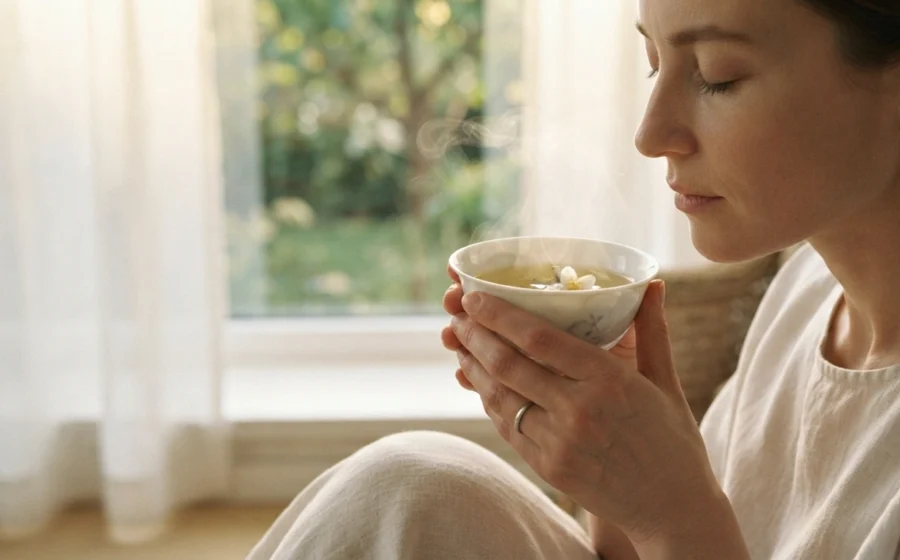
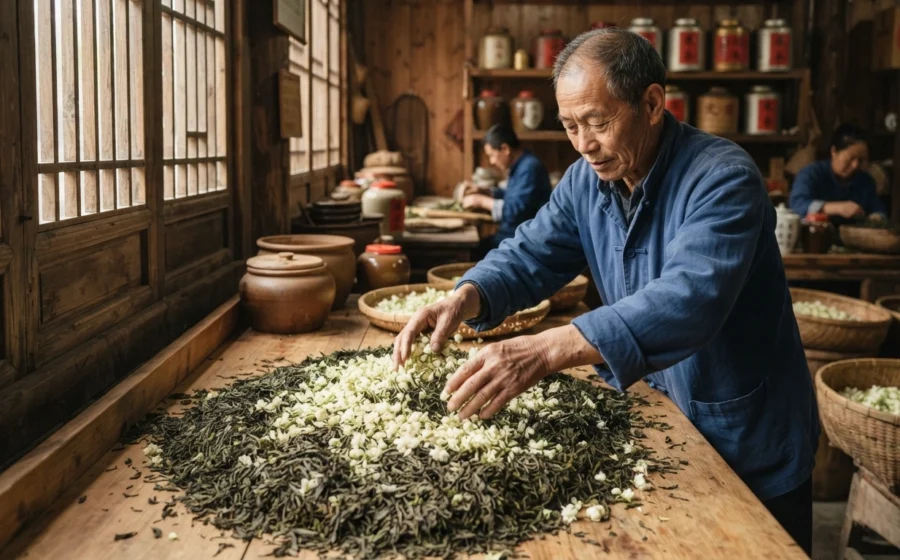
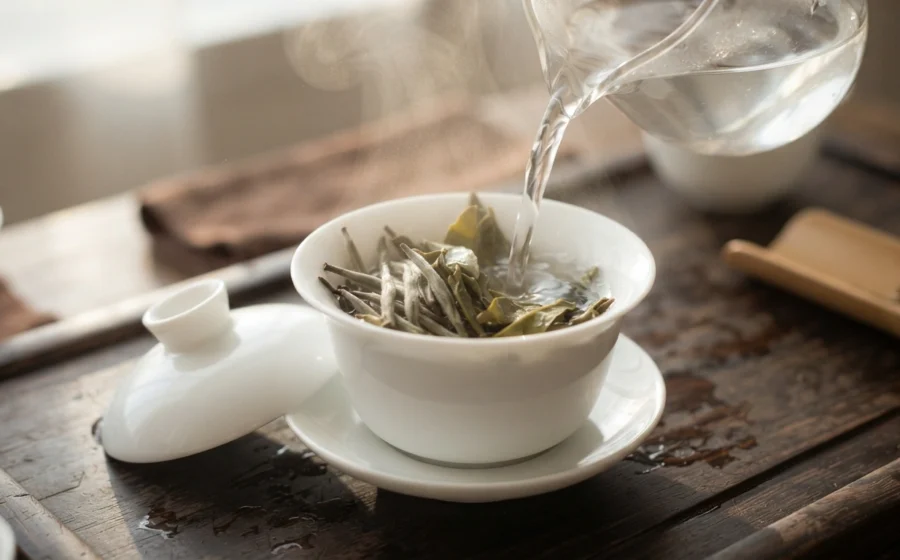
White tea is one of China’s most delicate and least processed tea styles. Made from young tea buds and leaves, it is gently withered and dried without rolling or heavy oxidation.
Unlike green tea, which is quickly heated to preserve freshness, or oolong tea, which is shaped and oxidized to create stronger flavors, white tea relies on simplicity. The character of the tea comes from the leaf itself, the growing environment, and the skill of the tea maker.
The result is a tea with a soft floral aroma, natural sweetness, and a clean, lingering finish. It is subtle, but not simple. With high-quality white tea, every cup reveals more with patience and attention.
What Is White Tea?
White tea is a lightly processed tea made from the young buds and tender leaves of the Camellia sinensis plant.
The production process is intentionally minimal:
- Fresh tea buds and leaves are picked.
- The leaves are slowly withered to reduce moisture.
- They are dried gently to preserve their natural character.
Unlike green tea, white tea is not pan-fired to stop oxidation. Unlike oolong tea, it is not rolled or heavily shaped. The leaves are allowed to transform naturally through time, air, and careful drying.
This minimal processing creates white tea’s signature style: soft aroma, delicate sweetness, and a smooth mouthfeel.
Good white tea does not rely on strong roasting, fragrance, or intense processing. Its beauty comes from the quality of the leaf itself.
Why Is It Called White Tea?
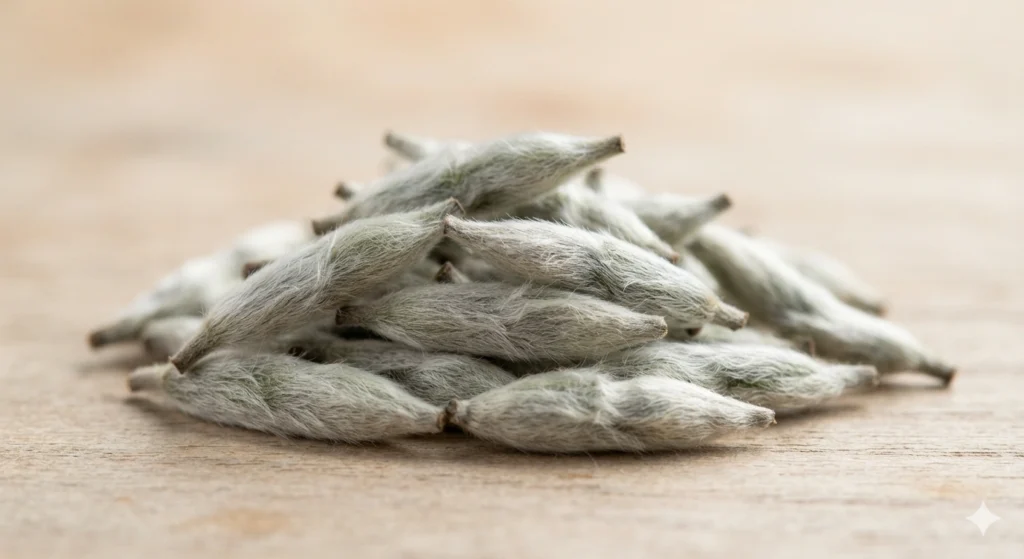
The name “white tea” comes from the appearance of the young tea buds, not the color of the brewed tea.
High-quality tea buds are covered with fine silver-white hairs called bai hao in Chinese. These tiny hairs protect the developing buds and create the characteristic silvery appearance seen in teas like Bai Hao Yinzhen (Silver Needle).
When brewed, white tea is not actually white. The liquor is usually pale gold, light amber, or a soft apricot color depending on the variety and age of the tea.
The name refers to the leaf, not the cup.
Where Does White Tea Come From?
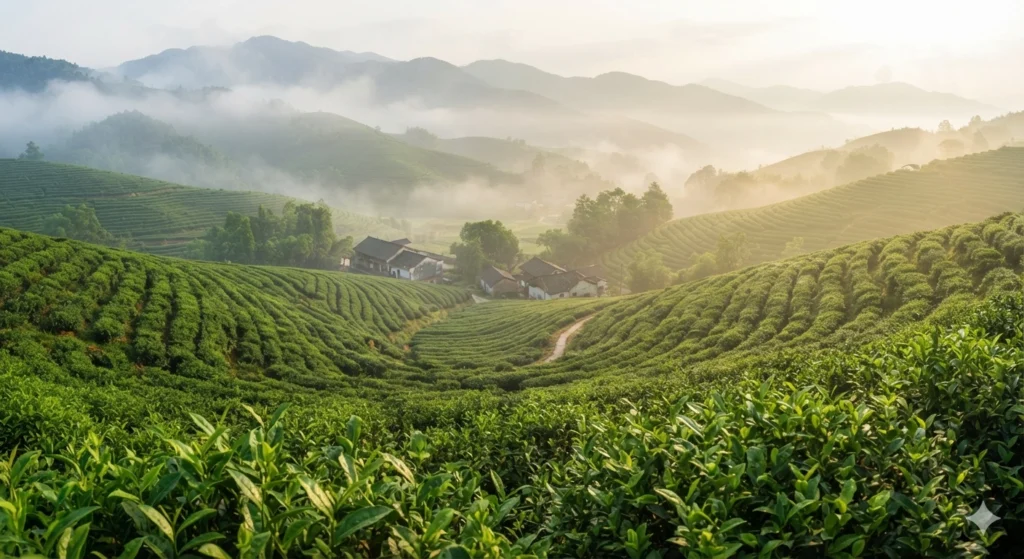
White tea is most closely associated with Fujian province in southeastern China, especially the regions of Fuding and Zhenghe.
These mountain areas provide ideal conditions for white tea production:
- Cool, misty climates
- Mountain-grown tea gardens
- Rich, well-drained soil
- Traditional tea-making methods passed through generations
Fuding White Tea
Fuding is the most famous white tea region in China. It is especially known for Silver Needle (Bai Hao Yinzhen), made from plump, unopened tea buds.
Fuding white teas are often described as:
- Floral
- Sweet
- Silky
- Elegant
They are known for their clean aroma and refined character.
Zhenghe White Tea
Zhenghe produces white teas with a deeper personality.
Compared with Fuding teas, Zhenghe white tea often has:
- More body
- Stronger sweetness
- Slightly richer flavors
Both regions are important parts of Chinese white tea history, and each expresses a different side of the tea style.
How Is White Tea Made?
White tea production looks simple, but the process requires experience and precision.
1. Picking
The best white teas are harvested in early spring when the young buds are at their peak.
For premium teas like Silver Needle, only unopened buds are selected. The timing matters because the tenderness of the buds directly affects the final flavor.
2. Withering
After picking, the leaves are spread out on bamboo trays and allowed to lose moisture slowly.
During this stage, natural chemical changes occur inside the leaves. The tea develops sweetness, aroma, and complexity without aggressive processing.
The tea maker does not force the flavor. They guide the transformation.
3. Drying
After the withering process is complete, the leaves are gently dried.
Unlike many other tea styles, white tea does not undergo:
- Rolling
- Shaping
- Heavy roasting
- Strong oxidation control
The finished leaves remain close to their original form, preserving the natural appearance of the tea buds and leaves.
White Tea vs Green Tea: What Is The Difference?
White tea and green tea are both lightly processed, but they create completely different experiences.
| White Tea | Green Tea | |
|---|---|---|
| Processing | Withered and dried | Heated to stop oxidation |
| Flavor | Soft, floral, honey-like | Fresh, vegetal, bright |
| Body | Smooth and silky | Crisp and refreshing |
| Character | Gentle and evolving | Fresh and immediate |
Green tea highlights freshness. White tea highlights natural sweetness and texture.
Neither is better. They simply express different sides of the tea plant.
What Does White Tea Taste Like?
White tea is known for its gentle but layered flavor.
The exact taste depends on the variety, harvest season, and whether the tea is aged.
Young White Tea
Fresh white teas, especially Silver Needle, often have notes of:
- Honey
- Fresh flowers
- Melon
- Light herbs
- Fresh hay
The texture is soft and silky, with a clean sweetness that develops after each sip.
Bai Mudan (White Peony)
Because Bai Mudan contains both buds and leaves, it has a fuller flavor.
Typical notes include:
- Floral sweetness
- Light fruit
- Fresh nuts
- Gentle vegetal tones
It is often considered the most balanced introduction to white tea.
Aged White Tea
White tea changes over time.
After several years of aging, the flavor becomes deeper:
- Dried fruit
- Wood
- Herbs
- Warm sweetness
The tea becomes rounder and smoother, with a richer body than young white tea.
Types Of White Tea
White tea is not one single style. It is a family of teas with different characteristics.
Bai Hao Yinzhen (Silver Needle)
Silver Needle is the highest-grade traditional white tea.
It is made entirely from young tea buds covered with silver-white hairs.
Flavor profile:
- Delicate floral aroma
- Honey-like sweetness
- Light, silky body
- Clean finish
Silver Needle is ideal for drinkers who enjoy subtle and refined teas.
Bai Mudan (White Peony)
Bai Mudan combines young buds with tender leaves.
It offers more structure and flavor than Silver Needle while remaining approachable.
Flavor profile:
- Floral sweetness
- Soft fruit notes
- Smooth body
- Balanced finish
For most beginners, Bai Mudan is the best place to start.
Shou Mei
Shou Mei uses more mature leaves harvested later in the season.
Compared with Silver Needle and Bai Mudan, it has:
- Stronger body
- More affordable pricing
- Nutty and fruity notes
It is an excellent everyday white tea and a popular choice for aging.
Gong Mei
Gong Mei sits between Bai Mudan and Shou Mei in style.
It usually contains more mature leaves but still maintains some sweetness and floral character.
White Tea Buying Guide: How To Choose A Good White Tea
Choosing white tea can feel confusing at first. Unlike teas with clear categories and strong flavors, white tea is often subtle. The differences between a good tea and an average one are not always obvious from the dry leaves alone. They appear in the aroma, texture, sweetness, and how the tea develops across multiple infusions.
The best white tea is not necessarily the most expensive. It is the one that matches your taste and gives you a clear expression of what white tea should be: natural, gentle, and quietly complex.
What Makes A Good White Tea?
Several factors determine the quality of white tea.
Origin
The origin of white tea matters because the environment shapes the character of the leaves.
Fuding and Zhenghe in Fujian are the two most famous white tea regions in China. Both produce excellent teas, but their styles are slightly different.
Fuding white tea is usually known for elegance and sweetness. The buds are often plump and covered with thick white hairs, producing a softer, more floral cup with a clean finish.
Zhenghe white tea tends to have a stronger body and deeper character. The tea may show more woody, nutty, or grain-like notes because of differences in climate, cultivars, and processing traditions.
Neither style is automatically better. Fuding often appeals to those who enjoy delicacy and refinement, while Zhenghe attracts drinkers who prefer a fuller, more structured tea.
Harvest Standard
White tea quality is closely connected to what part of the plant is harvested.
The highest-grade white teas use young buds. These buds contain more fine hairs, which protect them during growth and give Silver Needle its famous appearance.
As more leaves are included, the flavor becomes fuller and more affordable.
A simple way to understand the difference:
| Grade | Material | Character |
|---|---|---|
| Silver Needle | Only unopened buds | Delicate, sweet, floral |
| Bai Mudan | Buds + young leaves | Balanced, fuller, beginner-friendly |
| Gong Mei | More mature leaves with some buds | Richer, slightly fruity |
| Shou Mei | Larger mature leaves | Stronger, deeper, everyday tea |
Higher grade does not always mean better taste. Some experienced tea drinkers actually prefer Bai Mudan or Shou Mei because the additional leaves create more body and complexity.
Aging Potential
One unique feature of white tea is that it can improve with age.
Fresh white tea is bright, floral, and refreshing. Over several years, the tea slowly changes. The aroma becomes deeper, the texture becomes smoother, and new flavors develop.
Young white tea often has notes of:
- Fresh flowers
- Honey
- Melon
- Fresh hay
Aged white tea may develop:
- Dried fruit
- Herbs
- Wood
- Sweet medicinal notes
This is why Chinese tea drinkers often describe aged white tea as “one year tea, three year medicine, seven year treasure.” The phrase reflects cultural appreciation rather than a medical claim.
Aging quality depends on the original tea and storage conditions. Poor-quality tea does not become excellent simply because it becomes old.
Fresh White Tea vs Aged White Tea
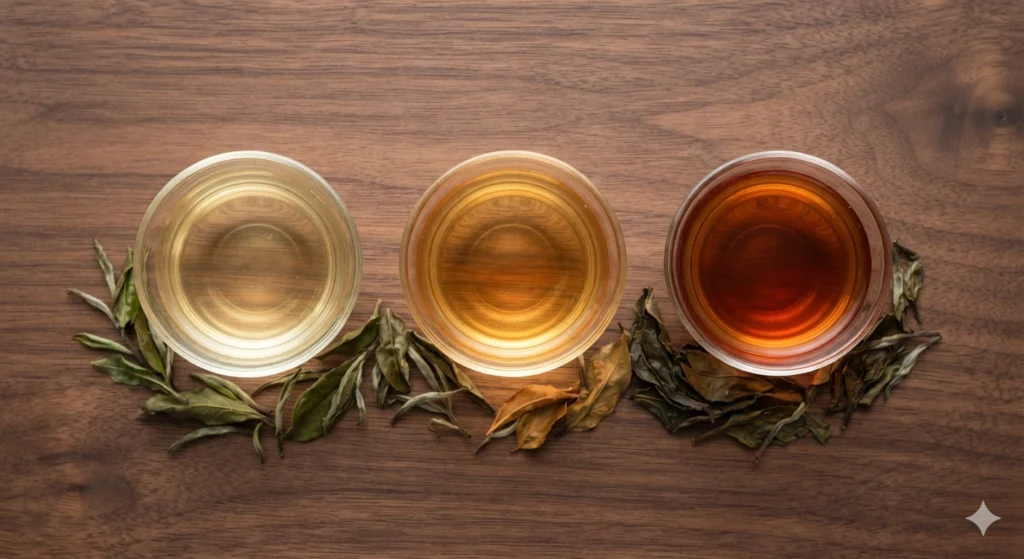
Both fresh and aged white tea have their own appeal.
| Fresh White Tea | Aged White Tea | |
|---|---|---|
| Aroma | Floral, fresh, bright | Fruity, woody, deeper |
| Taste | Light, sweet, refreshing | Smooth, mellow, warming |
| Body | Clean and silky | Round and rich |
| Best For | Daily drinking, spring tea lovers | Those who enjoy mature flavors |
Fresh white tea is like a spring garden. It feels lively and delicate.
Aged white tea is like dried fruit and old wood. It feels calmer and more layered.
Neither is superior. They represent different expressions of the same tea.
Best White Tea For Different Drinkers
The “best” white tea depends on what you are looking for.
Best White Tea For Beginners
Bai Mudan (White Peony) is usually the easiest starting point.
It has enough complexity to be interesting but remains gentle and forgiving. The combination of buds and leaves creates a balanced flavor: floral sweetness from the buds and body from the leaves.
It is also easier to brew than Silver Needle because it has a stronger structure.
Best White Tea For A Delicate Experience
Choose Silver Needle (Bai Hao Yinzhen).
Silver Needle is the purest expression of white tea. Made only from young buds, it offers a soft texture, elegant aroma, and subtle sweetness.
It is ideal for drinkers who enjoy refined flavors and slow tea sessions.
Best Everyday White Tea
Choose Shou Mei.
Shou Mei is often overlooked because it is made from more mature leaves, but that does not mean it lacks quality. Good Shou Mei has depth, sweetness, and excellent value.
It is practical for regular drinking and responds well to aging.
Best White Tea For Experienced Tea Drinkers
Explore aged white tea or high-quality Silver Needle.
Experienced drinkers often appreciate the evolution of white tea: how the same leaves can transform from floral and bright into something deeper and more complex over time.
How To Tell If White Tea Is High Quality
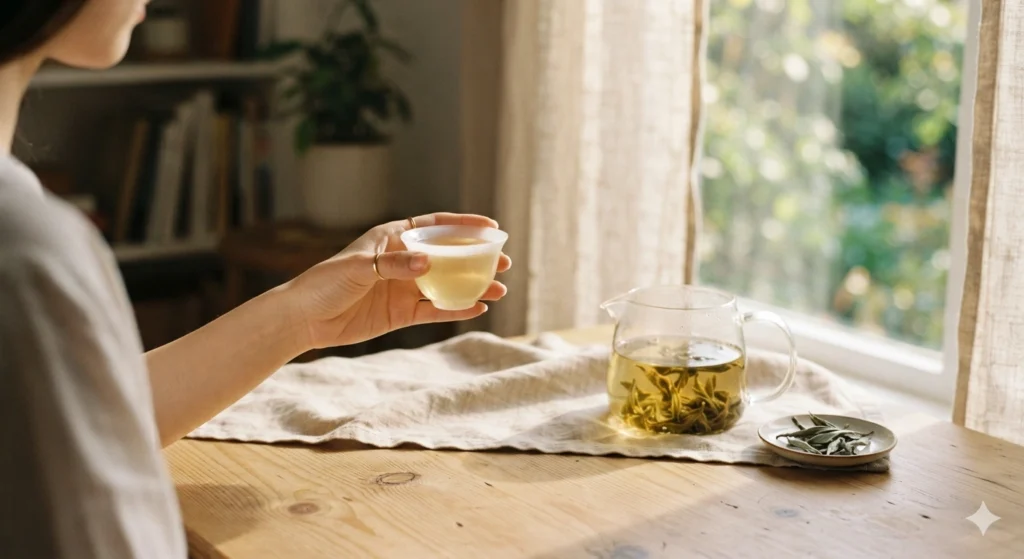
A few simple observations can help you evaluate white tea.
Dry Leaves
Good white tea should look natural and intact.
Silver Needle should have thick, silvery buds with visible white hairs. Bai Mudan should contain a healthy balance of buds and leaves.
Avoid tea that looks overly broken, dusty, or artificially uniform.
Aroma
The dry aroma should be clean and natural.
Good white tea may smell like:
- Fresh hay
- Flowers
- Honey
- Dried fruit
It should not smell:
- Musty
- Sour
- Artificially sweet
- Strongly roasted
White tea should never need heavy aroma to impress. Its beauty comes from subtlety.
Taste
A quality white tea should have:
- Gentle sweetness
- Smooth texture
- Clean finish
- No harsh bitterness
The flavor may be quiet, but it should not be empty.
A good white tea often leaves a sweet feeling in the mouth after swallowing. This lingering sweetness is one of its most enjoyable qualities.
Wet Leaves
After brewing, look at the leaves.
High-quality white tea leaves should:
- Open naturally
- Maintain their structure
- Feel soft and flexible
Leaves that appear broken, dark, or lifeless may indicate lower quality processing or storage problems.
How Much Does Good White Tea Cost?
White tea prices vary significantly depending on grade, origin, and harvest.
| Price Range (50g) | Quality Level |
|---|---|
| $15 – $30 | Everyday white tea, usually Shou Mei or basic Bai Mudan |
| $30 – $80 | Good quality Bai Mudan or standard Silver Needle |
| $80+ | Premium Silver Needle, special harvests, aged white tea |
For most beginners, the best value is usually found in the middle range.
A good Bai Mudan offers an authentic white tea experience without the high price of premium Silver Needle.
The most expensive tea is not always the most enjoyable. A tea that matches your personal preference will always be the better choice.
Common Mistakes When Buying White Tea
Choosing Only By Grade
Many beginners assume Silver Needle is always better because it is the highest grade.
But white tea is about preference, not ranking alone. Some people prefer the fuller flavor of Bai Mudan or the deeper character of aged Shou Mei.
Buying Very Cheap Silver Needle
Premium Silver Needle requires careful harvesting and contains only young buds. Extremely cheap Silver Needle often does not represent the traditional standard.
A realistic price usually reflects the labor involved.
Assuming Older Means Better
Age can improve white tea, but only when the original tea is good and storage is proper.
Old does not automatically mean valuable.
Brewing White Tea Like Green Tea
White tea is delicate, but it does not need extreme caution.
Many beginners use water that is too cool and extract too little flavor.
Good white tea can handle warmer water, especially Bai Mudan and Shou Mei.
Our White Tea Selection At Tea Passage
At Tea Passage, we approach white tea differently from teas that rely on intensity.
White tea is not about powerful aroma or bold flavors. It is about balance, texture, and the quiet details that appear when you slow down.
We look for white teas with clear origin, careful processing, and natural sweetness. Whether it is a delicate Silver Needle, a balanced Bai Mudan, or a mature Shou Mei, we choose teas that express the character of Fujian white tea honestly.
The best white tea is not the tea with the loudest personality. It is the tea you want to return to.
A cup you brew when the day slows down.
A tea that does not demand attention, but rewards it.
Frequently Asked Questions
What is the best white tea for beginners?
Bai Mudan (White Peony) is usually the best starting point. It has a balanced flavor, gentle sweetness, and is easy to brew.
Is Silver Needle better than Bai Mudan?
Not necessarily. Silver Needle is a higher grade made only from buds, but Bai Mudan often has more body and complexity because it includes young leaves.
Does white tea improve with age?
Yes, properly stored white tea can develop deeper flavors over time. Fresh white tea is floral and bright, while aged white tea becomes smoother and richer.
What does white tea taste like?
White tea tastes soft, floral, and naturally sweet. Common notes include honey, melon, fresh hay, dried fruit, and wood depending on the age and style.
Which white tea should I buy first?
For most beginners, Bai Mudan is the best choice. It offers the clearest introduction to white tea without requiring a large investment.
Is expensive white tea worth it?
Premium white tea can offer greater refinement, but price does not always equal enjoyment. A well-made mid-range white tea can provide an excellent experience.
White tea represents one of the simplest and most patient traditions in Chinese tea. Made with minimal processing, it preserves the natural character of the leaf and rewards those who take time to notice the details.
At Tea Passage, we believe white tea is not about chasing intensity. It is about discovering the beauty of subtlety.