Among Chinese white teas, White Peony tea holds a unique position. It is not the rarest white tea, nor the most expensive. Yet for many tea drinkers, it represents the perfect balance between elegan
Known as Bai Mudan (白牡丹) in Chinese, White Peony is made from both young tea buds and tender leaves. This gives it more body than Silver Needle, while keeping the soft sweetness and floral character that define regly rink , define sly , defines whil. approachable enough for beginners discovering Chinese tea for the first time.
If Silver Needle is a tea of delicacy and patience, White Peony is a tea of balance. It offers enough complexity to explore, yet enough comfort to drink every day.
This guide explains everything you need to know about White Peony tea, including its origin, production process, flavor profile, differences from other white teas, brewing methods, and how to choose a high-quality B high.
What Is White Peony Tea?
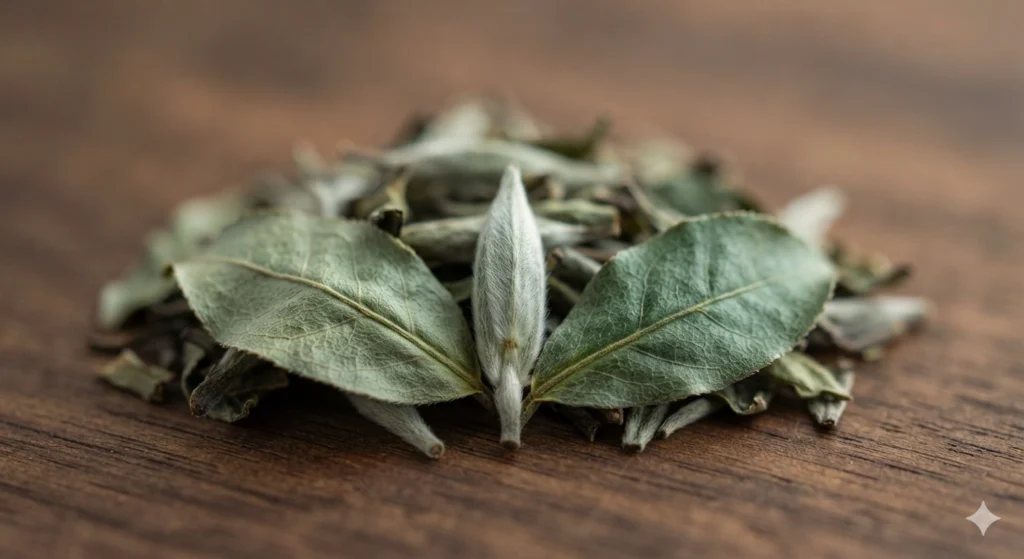
White Peony tea, or Bai Mudan , is a traditional Chinese white tea made from one young tea bud and two tender leaves . This picking standard is what gives the tea its signature appearance and balanced flavor.
The tea bud contributes sweetness, floral notes, and a delicate texture. The young leaves add structure, depth, and a fuller mouthfeel. Together, they create a tea that sits between the refined elhouance of Silvered elcharegance of Needle 或a.
Like all white teas, White Peony is minimally processed. After harvesting, the leaves are naturally withered and dried. There is:
- No pan-firing
- No steaming
- No rolling
- No intentional oxidation
The goal is not to transform the leaf, but to preserve its natural character.
Because of this gentle processing, White Peony reflects the qualities of its environment more clearly than heavily processed teas. The final flavor is shaped by the tea cultivar, the mountain climate, the harvest season and the harvest the tea smaker, the harvest.
Why Is It Called White Peony?
The name Bai Mudan , meaning “White Peony,” comes from the appearance of the dried leaves.
A well-made White Peony contains silvery buds surrounded by green leaves. When the tea is viewed closely, the shape resembles a blooming peony flower: the pale buds forming the center, with leaves spreading.
The name is not related to the flavor. White Peony does not taste like flowers in a literal sense. Instead, the name reflects the tea’s elegant appearance and the traditional Chinese appreciation of natural beauty.
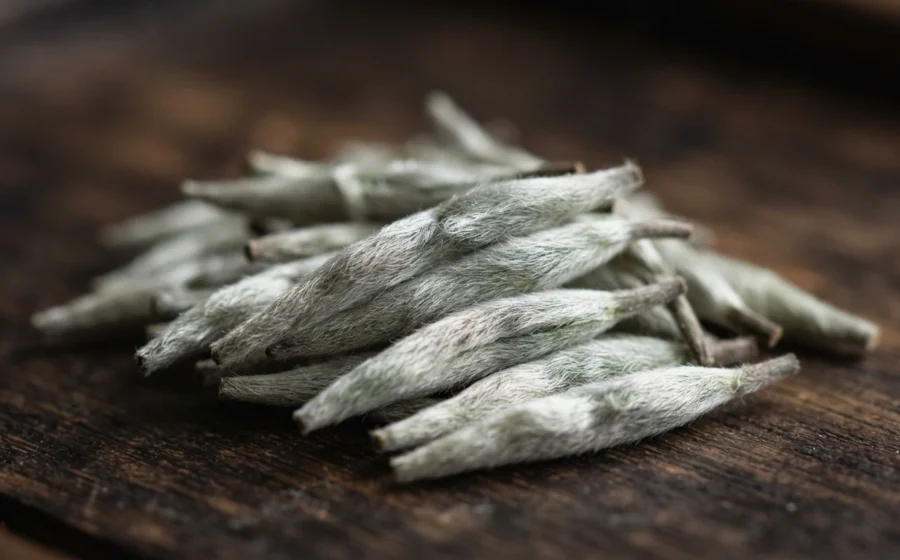
The fine white hairs covering the buds, known as bai hao , are also an important characteristic of quality white tea. They give the tea its silvery appearance and indicate that young, tender material wasused.
Where Does White Peony Tea Come From?
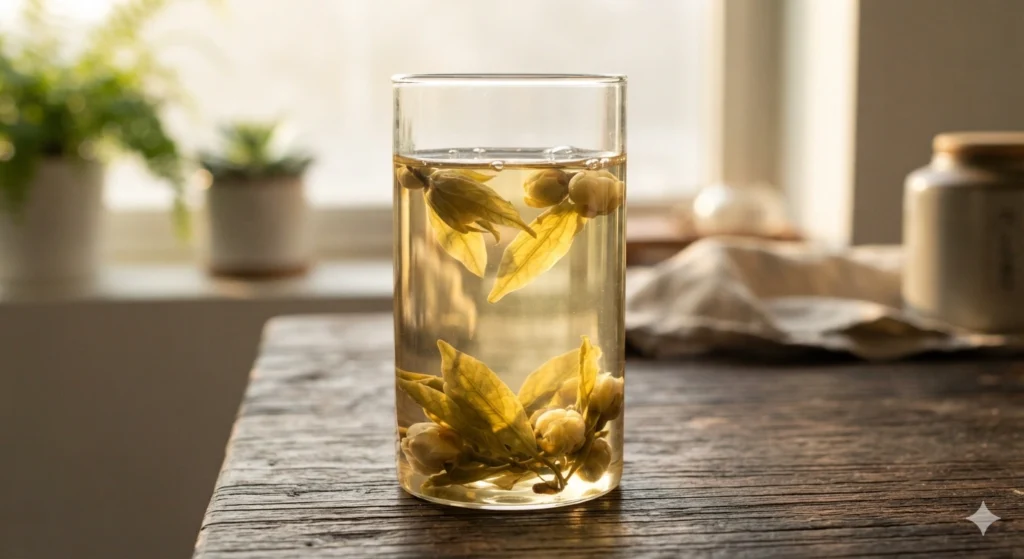
White Peony tea originates from Fujian Province in southeastern China , the birthplace of traditional Chinese white tea.
Within Fujian, two regions are especially famous for producing Bai Mudan:
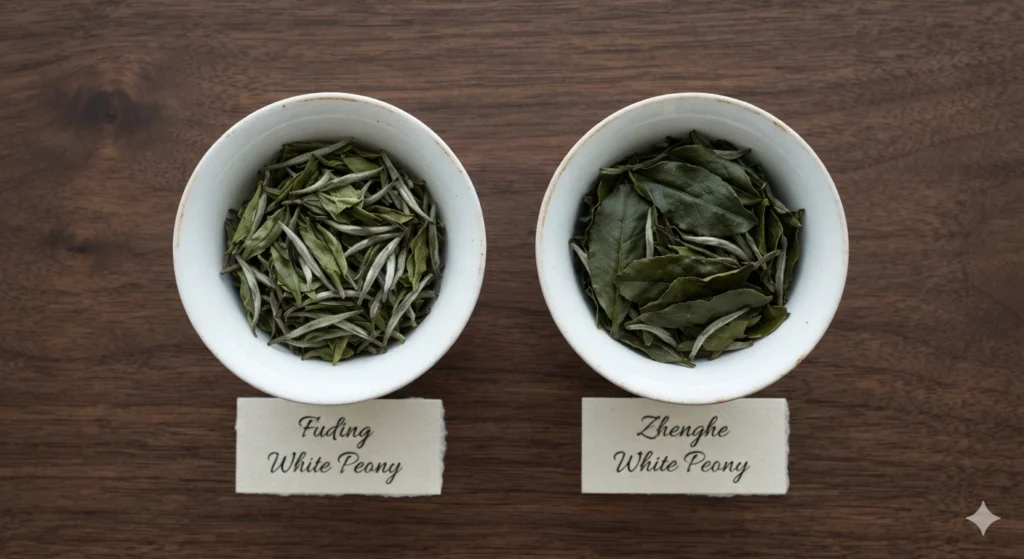
Fuding White Peony
Fuding is considered the most recognized origin for white tea. The region’s cool, misty mountains and traditional tea-growing environment create ideal conditions for producing delicate white teas.
Fuding Bai Mudan is known for:
- Soft floral aromas
- Natural sweetness
- Light honey notes
- Smooth and elegant texture
For many beginners, Fuding White Peony represents the classic expression of the style.
Zhenghe White Peony
Zhenghe produces a different style of Bai Mudan. Compared with Fuding tea, Zhenghe White Peony often has:
- Larger leaves
- Fuller body
- Deeper sweetness
- Slightly stronger character
The flavor can feel more mature and structured, appealing to drinkers who prefer a tea with more presence.
| Origin | Character |
|---|---|
| Fuding | Floral, sweet, delicate, elegant |
| Zhenghe | Fuller, deeper, more robust |
Neither style is automatically better. They represent different expressions of White Peony, and many tea lovers enjoy exploring both.
How Is White Peony Tea Made?
White Peony production follows the same philosophy as traditional white tea: minimal intervention and careful handling .
The process begins with spring harvesting. Tea pickers select leaves at the right stage of growth, usually choosing one unopened bud with two young leaves.
Timing is extremely important. If harvested too early, the leaves may lack flavor and body. If harvested too late, the leaves become thicker and lose the softness that defines premium White Peony.
After picking, the leaves are spread on bamboo trays and left to wither.
During withering:
- Moisture slowly leaves the leaves
- Natural chemical changes occur
- Aromas gradually develop
- The flavor becomes smoother
The tea maker carefully monitors temperature, airflow, and humidity throughout this process.
Once the leaves reach the desired condition, they are dried at a low temperature to preserve stability.
Unlike green tea, there is no heat fixation. Unlike oolong tea, there is no rolling or shaping. The finished leaves remain close to their natural appearance, which is one of the defining characteristics of white tea.
What Does White Peony Tea Taste Like?
White Peony offers one of the most balanced flavor profiles in the white tea family.
It has more body than Silver Needle, but it remains gentle and refined. The flavor is naturally sweet, smooth, and layered.
Common tasting notes include:
| Flavor Note | Description |
|---|---|
| Honey | Soft natural sweetness with a smooth finish |
| Floral | Gentle spring flower aroma |
| Melon | Light fruity freshness |
| Hay | Clean dried grass character |
| Nuts | Subtle warmth, especially in aged tea |
The first sip is usually smooth and approachable. Unlike green teas that often begin with freshness or vegetal notes, White Peony develops slowly. The sweetness appears naturally, and the finish ony develops and comfortable.
A good Bai Mudan does not rely on intensity. Its appeal comes from balance.
The tea feels:
- Fuller than Silver Needle
- Lighter than many oolongs
- More refined than everyday leaf teas
This makes it one of the easiest Chinese teas to return to regularly.
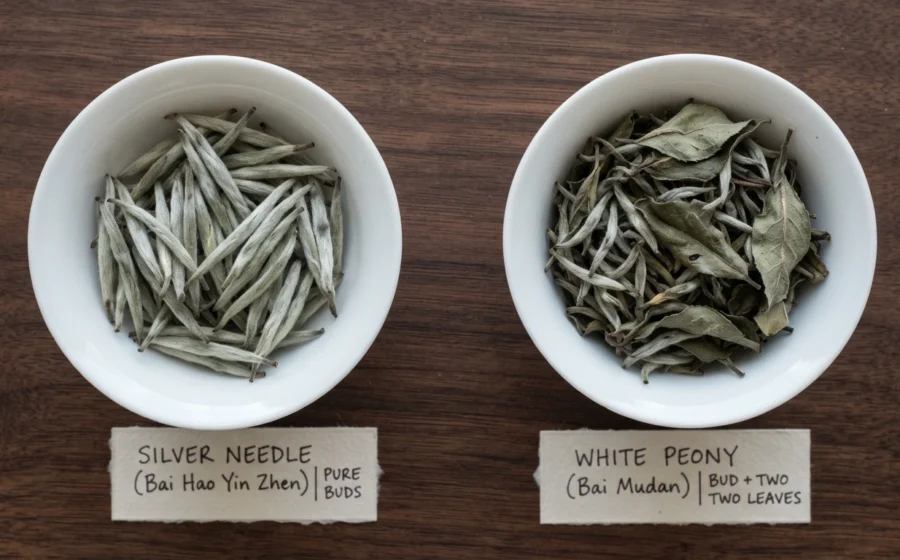
White Peony vs Silver Needle
The comparison between White Peony and Silver Needle is one of the most common questions among white tea drinkers.
| Aspect | White Peony | Silver Needle |
|---|---|---|
| Material | One bud + two leaves | Buds only |
| Flavor | Fuller, sweeter, balanced | Delicate, refined |
| Body | Round and smooth | Light and silky |
| Price | More accessible | Higher |
| Best For | Daily drinking, beginners | Slow tasting, experienced drinkers |
Silver Needle is often considered the more prestigious tea because it uses only unopened buds. Its character is elegant, subtle, and refined.
White Peony, however, is often more practical. The leaves add complexity and structure, making the tea easier to understand and enjoy.
For someone discovering white tea for the first time, White Peony is usually the better starting point. It shows the beauty of the category while offering enough flavor to make the experience memorable.
White Peony vs Shou Mei
White Peony and Shou Mei represent two different styles within the white tea family.
| Aspect | White Peony | Shou Mei |
|---|---|---|
| Material | Young buds and leaves | More mature leaves |
| Flavor | Sweet, floral, balanced | Stronger, nuttier |
| Body | Medium and smooth | Fuller and heavier |
| Aging | Good | Excellent |
Shou Mei is harvested later in the season and uses more mature leaves. It often develops stronger flavors, especially after aging, with notes of wood, dried fruit, and herbs.
White Peony sits between Silver Needle and Shou Mei. It offers refinement without being too delicate, and richness without becoming heavy.
For many tea drinkers, this middle position is exactly what makes Bai Mudan special. It provides the best balance of elegance and accessibility.
Is White Peony Tea Good For Beginners?
White Peony is one of the best choices for people who are new to Chinese white tea.
Unlike some teas that require experience to appreciate, Bai Mudan is naturally approachable. It has enough flavor to feel satisfying, but it remains changegentle and forving. It is difficult to brewoor p small moall sft the tea unpleasant.
為 beginners, White Peony offers a clear introduction to what makes white tea special:
- Natural sweetness
- Soft floral aromas
- Smooth texture
- A clean, refreshing finish
It is also a good choice for experienced tea drinkers who want an everyday tea that does not demand complete attention.
Silver Needle is beautiful, but its subtlety can sometimes be difficult for newcomers to fully appreciate. White Peony provides more structure, making it easier to understand the character of white tea before exploring delice.
How To Brew White Peony Tea
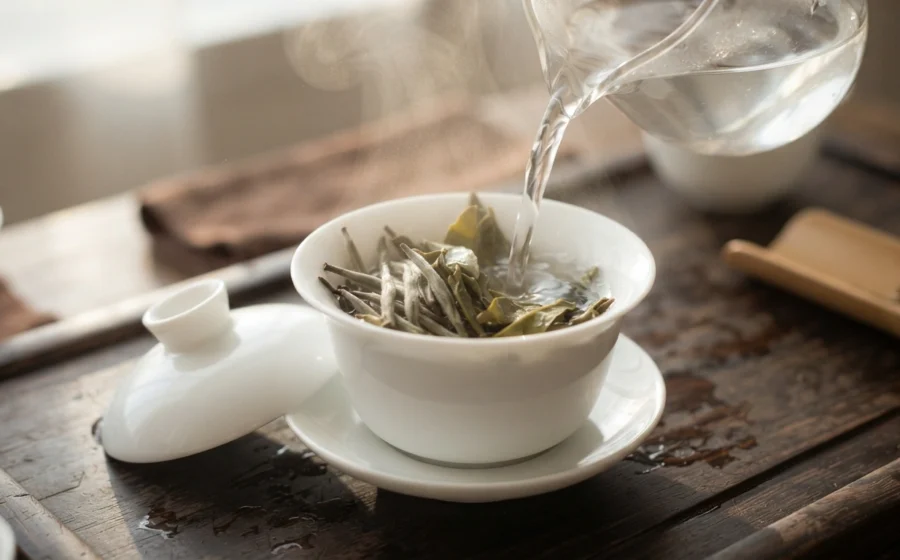
One of the advantages of White Peony is its flexibility. It works well with both traditional Gongfu brewing and simple Western-style preparation.
Gongfu Brewing
For a more detailed tasting experience:
- Tea amount: 5 grams
- Vessel: 100–120ml gaiwan
- Water temperature: 90°C–95°C
- First infusion: 20–30 seconds
Increase the steeping time gradually with each infusion.
A good White Peony can usually be brewed 5–7 times, with each infusion revealing something different.
The early infusions highlight floral sweetness and freshness. Later infusions often bring out deeper honey, fruit, and subtle woody notes.
Western-Style Brewing
For a larger cup:
- Tea amount: 3 grams
- Water: 250ml
- Temperature: 90°C–95°C
- Steeping time: 2–3 minutes
White Peony is forgiving compared with many green teas. Slightly hotter water or a longer steep usually creates a fuller cup rather than unpleasant bitterness.
This makes it an excellent everyday tea for people who want quality without complicated preparation.
How To Choose High-Quality White Peony Tea
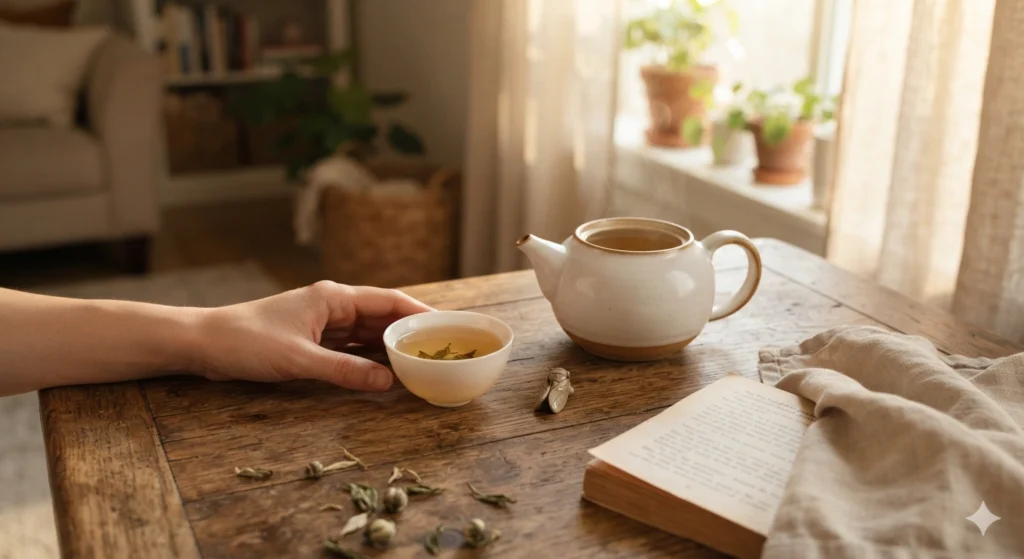
Choosing good White Peony is mainly about observing the leaves, aroma, and taste.
Look At The Dry Leaves
High-quality Bai Mudan should contain:
- Visible silver buds
- Whole young leaves
- Natural green and silver colors
- A loose, intact appearance
Avoid tea that looks:
- Broken into small pieces
- Extremely dusty
- Completely brown without explanation
A beautiful White Peony should look like a collection of natural leaves, not processed fragments.
Smell The Dry Tea
Fresh, well-made White Peony usually has a gentle aroma.
Look for notes such as:
- Fresh hay
- Flowers
- Honey
- Light fruit
Avoid tea with:
- Musty smells
- Artificial fragrance
- Flat or stale aromas
White tea depends heavily on natural character. Strong added aromas are usually a sign that the original leaf quality is not the focus.
Taste The Tea
A good White Peony should feel:
- Smooth
- Naturally sweet
- Clean on the finish
- Balanced
The sweetness should come gradually from the tea itself.
There should not be:
- Harsh bitterness
- Heavy astringency
- Artificial flavors
The aftertaste is especially important. Quality Bai Mudan often leaves a gentle sweetness that remains after swallowing.
How Much Does White Peony Tea Cost?
White Peony offers some of the best value in the white tea category.
Compared with Silver Needle, it provides more flavor complexity at a more accessible price because it uses both buds and leaves rather than only the most selective buds.
Prices vary depending on:
- Origin
- Harvest season
- Leaf grade
- Cultivar
- Processing quality
- Aging time
A general guide:
| Grade | Price Range | Character |
|---|---|---|
| Everyday White Peony | Affordable | Simple sweetness, good daily tea |
| Premium Daily Grade | Mid-range | Better aroma, smoother body |
| High-End Bai Mudan | Expensive | Exceptional clarity and complexity |
For most drinkers, a good-quality daily White Peony offers the best balance. There is no need to start with the most expensive tea to experience what makes Bai Mudan special.
Fresh White Peony vs Aged White Peony
White Peony can be enjoyed both fresh and aged, and the experience is quite different.
Fresh White Peony
Fresh Bai Mudan highlights:
- Floral aromas
- Fresh sweetness
- Light fruit notes
- Clean, bright character
It represents the energy of the spring harvest.
Aged White Peony
With years of proper storage, White Peony gradually changes.
The tea develops:
- Dried fruit sweetness
- Woody notes
- A warmer body
- A deeper, smoother character
Aged white tea is highly valued in Chinese tea culture, but it is not necessarily better than fresh tea. They simply represent different stages of the tea’s evolution.
For beginners, fresh White Peony is usually the best place to start. Once you understand its original character, aged versions become much easier to appreciate.
Best White Peony Tea For Beginners
If you are buying White Peony for the first time, look for:
Fuding Bai Mudan From A Spring Harvest
Fuding is the most recognized origin for White Peony, and spring harvest tea usually offers the clearest expression of the style.
A good beginner White Peony should have:
- Visible silver buds
- Sweet floral aroma
- Smooth texture
- Clean aftertaste
Avoid chasing extremely rare or expensive versions at the beginning.
The goal is not to find the most valuable tea. The goal is to understand what good White Peony tastes like.
Start with a reliable tea, learn its character, and explore from there.
Our White Peony Experience At Tea Passage
At Tea Passage, White Peony is the tea we often recommend when someone asks:
“What Chinese tea should I try first?”
It represents what we love about white tea. It is elegant without being distant, refined without feeling complicated.
We often brew it in the late morning or afternoon, when the day has slowed down but there is still plenty happening. The dry leaves carry a gentle aroma of hay and flowers. After brewing, the tea opens dually , openbecom
Unlike stronger teas that immediately fill the room with aroma, White Peony reveals itself slowly.
The first cup is smooth.
The second cup is sweeter.
The later infusions become softer and deeper.
For us, White Peony represents the quieter side of tea culture. It does not ask for a special occasion. It simply creates a small moment of calm in an ordinary day.
Frequently Asked Questions
What is White Peony tea?
White Peony tea, also called Bai Mudan, is a traditional Chinese white tea made from one young bud and two tender leaves. It is known for its balanced flavor, natural sweetness, and floral character.
Is White Peony the same as Bai Mudan?
Yes. White Peony is the English name for Bai Mudan, which is the Chinese name of this white tea style.
Is White Peony better than Silver Needle?
Not necessarily. They offer different experiences.
Silver Needle is more delicate, refined, and made entirely from buds. White Peony has more body, stronger flavor, and is often easier for beginners to enjoy.
What does White Peony tea taste like?
White Peony tastes smooth, sweet, and floral, with notes of honey, fresh hay, melon, and sometimes subtle nutty flavors. It has a fuller body than Silver Needle while remaining gentle.
Is White Peony tea good for beginners?
Yes. White Peony is one of the most beginner-friendly Chinese teas because it is flavorful, easy to brew, and naturally smooth.
How do you brew White Peony tea?
For Gongfu brewing, use around 5 grams of tea with 90°C–95°C water and steep for 20–30 seconds initially. For Western brewing, use about 3 grams per 250ml and steep for 2–3 minutes.
Is White Peony expensive?
White Peony is generally more affordable than Silver Needle. While premium versions can be expensive, many excellent daily-drinking Bai Mudan teas are accessible.
Can White Peony tea be aged?
Yes. Properly stored White Peony can develop deeper flavors over time, including dried fruit, wood, and warmer sweetness.
Final Thoughts
White Peony represents the balance point of Chinese white tea.
It has the elegance of Silver Needle, the accessibility of an everyday tea, and enough complexity to continue exploring over time. It is gentle without being simple, refined without being distant.
At Tea Passage, we choose White Peony teas that express the natural sweetness, clarity, and comfort that define this classic Fujian tea.
Whether you are taking your first step into white tea or looking for a reliable daily companion, Bai Mudan is a tea worth returning to.
Explore Our White Peony Tea Collection →