The best Longjing tea is not always the most expensive one.
For many beginners, choosing Longjing can feel confusing. You see names like West Lake Longjing, Mingqian Longjing, Yuqian Longjing, and different price ranges that can vary dramatically. Some teas cost $20 per 50g, while others can reach hundreds of dollars. What actually makes one Longjing better than another?
The answer comes down to a few important factors: origin, harvest season, processing quality, and personal taste preference.
A great Longjing does not need to be the rarest or most expensive tea. It should have the qualities that define this famous Chinese green tea: a clean chestnut aroma, smooth texture, gentle sweetness, and a refreshing finish.
This guide explains how to choose the best Longjing tea, what different grades mean, how much you should expect to pay, and which Longjing is best for beginners.
What Makes A Longjing Tea The Best?
When people talk about the “best” Longjing tea, they are usually talking about a combination of four things:
- Growing region
- Harvest time
- Tea maker’s skill
- Freshness and storage
A famous name alone does not guarantee quality. A well-made Longjing from a less famous area can sometimes provide a better drinking experience than an expensive tea with poor storage or processing.
Origin: West Lake Longjing vs Other Longjing
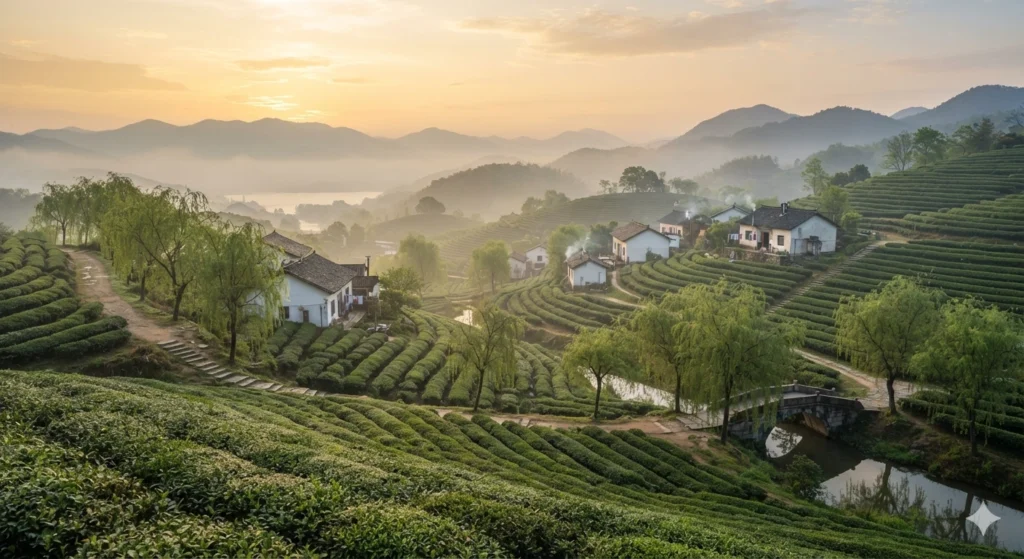
The most prestigious Longjing comes from the West Lake region of Hangzhou, Zhejiang province.
This area is considered the birthplace of authentic Dragon Well tea. The surrounding hills, mild climate, and traditional tea-making culture have helped create the reputation Longjing has today.
Within the West Lake producing area, several villages are especially famous:
- Shi Feng (Lion Peak) — often considered the most prestigious area, known for delicate sweetness and elegant aroma.
- Meijiawu — famous for smooth, balanced Longjing with strong traditional character.
- Longwu — produces fragrant and approachable teas with good value.
West Lake Longjing usually commands a higher price because:
- The production area is limited.
- Demand is extremely high.
- Traditional hand-firing techniques are still used.
- The name carries centuries of reputation.
However, this does not mean every non-West Lake Longjing is inferior.
Longjing is also produced in other parts of Zhejiang province. These teas may not have the same geographical prestige, but well-made examples can still offer excellent flavor at a much more accessible price.
For everyday drinking, a high-quality Zhejiang Longjing can often provide better value than paying a premium only for the West Lake label.
Mingqian vs Yuqian Longjing: Which Is Better?
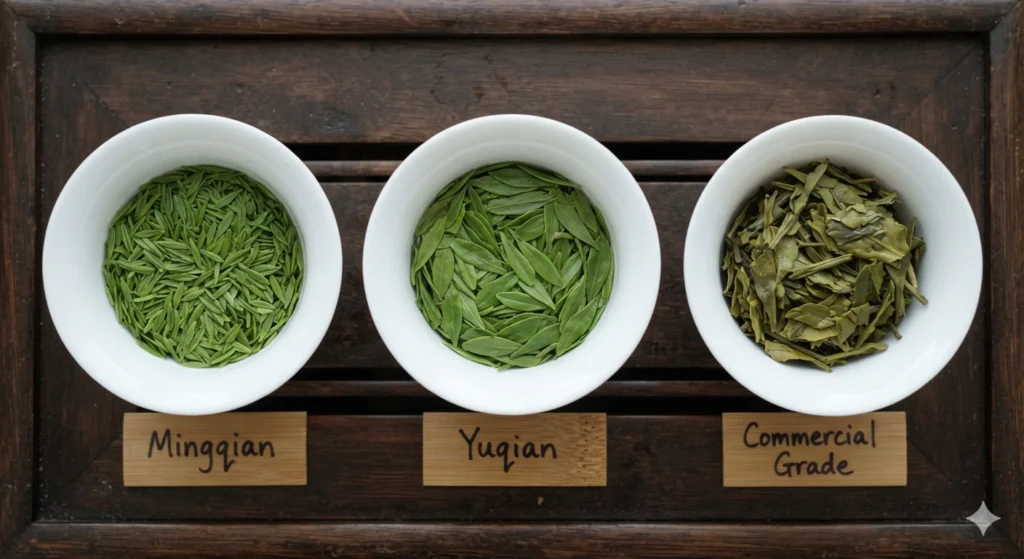
Harvest timing is one of the biggest factors affecting Longjing quality and price.
The two most commonly discussed harvest periods are Mingqian and Yuqian.
Mingqian Longjing (Before Qingming)
Mingqian Longjing means tea harvested before the Qingming Festival, usually around early April.
Because spring arrives slowly and the tea buds grow slowly during this period, the leaves are:
- Smaller and more tender
- More limited in quantity
- More delicate in flavor
Mingqian Longjing is known for:
- Softer sweetness
- More refined aroma
- Silky texture
- Elegant chestnut notes
This is why Mingqian tea is highly valued among collectors and experienced tea drinkers.
However, the higher price does not automatically mean everyone will prefer it.
Its flavor is subtle. Beginners who are used to stronger teas may actually find a later harvest Longjing easier to appreciate.
Yuqian Longjing (Before Grain Rain)
Yuqian Longjing is harvested after Qingming but before the Grain Rain Festival, usually in mid to late April.
Compared with Mingqian tea, Yuqian Longjing has:
- Slightly larger leaves
- More developed flavor
- Fuller body
- Stronger tea character
Many tea drinkers actually prefer Yuqian Longjing for daily drinking because it offers:
- A clearer chestnut aroma
- More noticeable sweetness
- Better value for money
- More forgiving brewing
For most beginners, a good Yuqian Longjing is often the best starting point.
It allows you to experience what Longjing should taste like without paying the premium price of early spring harvests.
Mingqian vs Yuqian: Quick Comparison
| Mingqian Longjing | Yuqian Longjing | |
|---|---|---|
| Harvest time | Before Qingming Festival | Before Grain Rain Festival |
| Flavor | Delicate, elegant, refined | Fuller, sweeter, stronger |
| Aroma | Soft chestnut fragrance | More noticeable nutty aroma |
| Price | Higher | More affordable |
| Best for | Collectors, special occasions | Daily drinking, beginners |
There is no universal winner.
Mingqian represents rarity and refinement.
Yuqian represents balance and value.
The best choice depends on how you plan to drink your Longjing.
If you have any questions about “Mingqian” (pre-Qingming) or “Yuqian” (pre-Grain Rain) Longjing tea, you can click here for detailed information on how to select it.
What Does High-Quality Longjing Look Like?
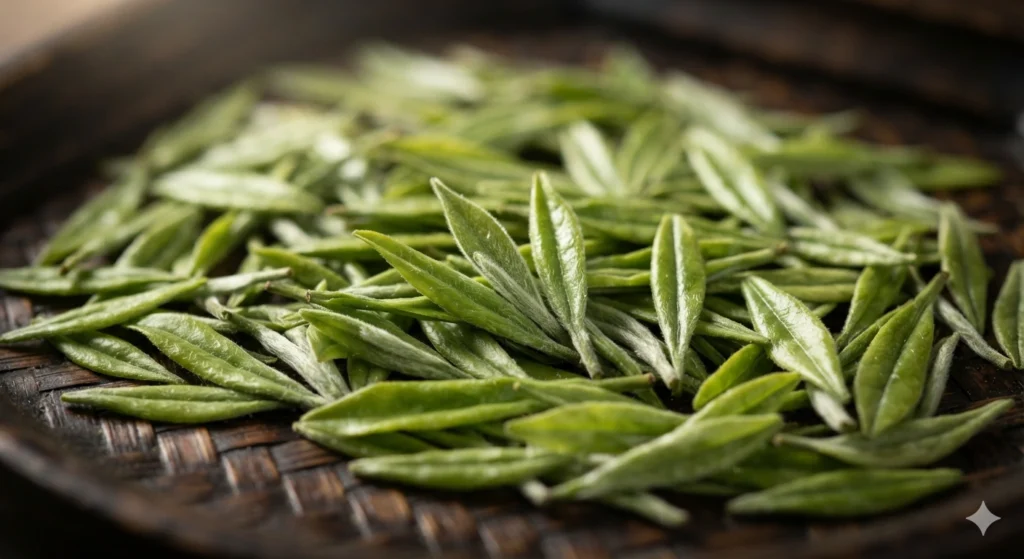
Before buying Longjing, you can learn a lot by paying attention to the leaves and aroma.
A good Longjing usually has:
Flat, Smooth Leaves
Traditional Longjing leaves are famous for their flat, sword-like shape.
The leaves should look:
- Evenly pressed
- Smooth and clean
- Bright but natural in color
Broken leaves, excessive powder, or uneven appearance may indicate lower processing quality.
Fresh Chestnut Aroma
One of Longjing’s signature characteristics is its roasted chestnut fragrance.
Good Longjing should smell:
- Fresh
- Nutty
- Slightly sweet
- Clean
Avoid teas with:
- A stale smell
- Heavy grassy odor
- Artificial fragrance
Clear, Smooth Taste
A well-made Longjing should taste:
- Smooth
- Sweet
- Lightly nutty
- Refreshing
The finish should leave a gentle sweetness rather than bitterness or dryness.
If a Longjing tastes harsh, the problem may be:
- Poor quality leaves
- Old storage
- Water that is too hot
- Over-steeping
How Much Does Good Longjing Tea Cost?
Longjing tea prices vary more than many other Chinese teas. A small 50g package can cost anywhere from around $20 to several hundred dollars.
The price difference comes from several factors:
- Growing region
- Harvest season
- Leaf quality
- Hand-processing skill
- Brand reputation
A higher price does not always mean a better drinking experience. For most tea drinkers, the goal is finding the best balance between quality and value.
Here is a practical guide:
| Longjing Type | Approximate Price (50g) | What To Expect |
|---|---|---|
| Everyday Longjing | $20–$40 | Simple, pleasant daily tea |
| Good Regional Longjing / Yuqian | $40–$80 | Smooth flavor, clear chestnut aroma |
| Premium Mingqian Longjing | $80–$150+ | More delicate sweetness and refinement |
| High-end West Lake Longjing | $150+ | Rare origin, limited production |
For most beginners, spending hundreds of dollars on your first Longjing is usually unnecessary.
A well-made Yuqian Longjing or a good-quality regional Longjing often provides a more enjoyable introduction. Once you understand the basic character of Longjing, exploring premium harvests becomes much more meaningful.
Best Longjing Tea For Beginners
If you are buying Longjing for the first time, focus less on the most expensive name and more on finding a tea with clear quality.
A good beginner Longjing should have:
- Fresh chestnut aroma
- Smooth and sweet taste
- Low bitterness
- Clear information about harvest and origin
For most beginners, we recommend starting with:
1. Quality Yuqian Longjing
This is usually the best balance of price and flavor.
Yuqian Longjing offers enough character to show what makes Dragon Well tea special, while being more forgiving than delicate early-spring teas.
It is suitable for:
- Daily drinking
- Learning how Longjing should taste
- Brewing at home without advanced skills
2. Mid-Grade West Lake Longjing
If you want to experience authentic West Lake character, a mid-grade West Lake Longjing is a better choice than chasing the highest-priced harvest.
It offers:
- Traditional origin
- Refined aroma
- Smooth texture
Without the extreme price of rare early spring batches.
How To Choose The Best Longjing Tea When Buying Online
Buying Longjing online can be difficult because appearance and marketing often tell only part of the story.
A trustworthy seller should clearly explain:
Origin
Look for specific information:
Good example:
West Lake Longjing, Hangzhou, Zhejiang
Less reliable:
Premium Chinese Dragon Well Tea
The more specific the origin information, the easier it is to understand what you are buying.
Harvest Date
Freshness matters greatly with green tea.
The best Longjing is usually from the spring harvest of the current year.
Look for information such as:
- Harvest season
- Year of production
- Storage conditions
Avoid products with no harvest information.
Processing Details
Traditional Longjing is known for its pan-firing process.
A good seller should explain:
- How the tea was processed
- Whether it was hand-fired or machine-fired
- Where the tea was produced
Processing skill has a major impact on the final flavor.
How To Avoid Fake Or Low-Quality Longjing Tea
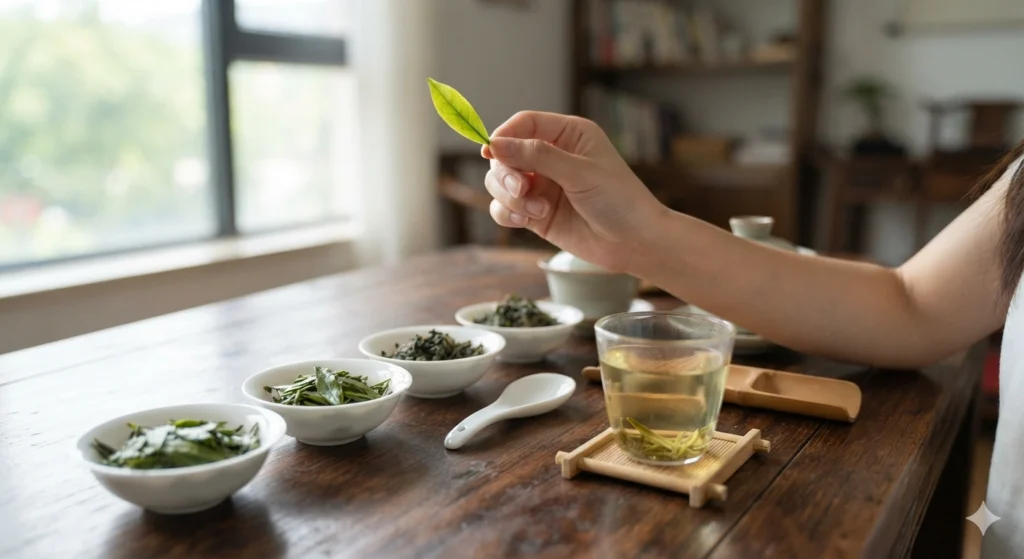
Because Longjing is one of China’s most famous teas, it is also one of the most commonly misrepresented.
Some common problems include:
Fake West Lake Longjing
West Lake Longjing production is limited, but global demand is extremely high.
Many teas sold under the name “West Lake Longjing” actually come from other regions.
This does not mean they are bad teas, but buyers should understand what they are paying for.
A transparent seller should tell you the actual origin.
Old Green Tea Sold As Fresh Longjing
Fresh Longjing should have:
- Bright aroma
- Clean flavor
- Smooth sweetness
Older tea may lose:
- Fragrance
- Freshness
- Complexity
Green tea is especially sensitive to storage because its delicate aromas fade over time.
Overpaying For Packaging
Beautiful boxes and traditional designs do not guarantee quality.
A simple package with clear information about:
- Origin
- Harvest
- Processing
is usually more valuable than expensive decoration.
Our Longjing Selection Philosophy at Tea Passage
At Tea Passage, we do not believe the best Longjing is simply the rarest or most expensive one.
What matters most is whether the tea delivers the experience people expect from Dragon Well:
A smooth texture.
A natural chestnut aroma.
A gentle sweetness.
A clean finish.
When selecting Longjing, we focus on teas with clear sourcing information and reliable craftsmanship. We look for balance — a tea that is special enough to appreciate, but approachable enough to become part of everyday life.
For someone discovering Longjing for the first time, we believe a well-made, honest tea is more valuable than an expensive label.
The best Longjing is the one you want to brew again tomorrow.
Frequently Asked Questions
What is the best Longjing tea?
The best Longjing depends on your preference and budget. West Lake Longjing from the early spring harvest is the most prestigious, but a high-quality Yuqian Longjing can offer excellent flavor and value for everyday drinking.
Is West Lake Longjing worth the higher price?
For many tea lovers, yes. West Lake Longjing offers historical importance, limited production, and often a more refined flavor. However, the price difference is not always equal to the difference in taste.
Should beginners buy Mingqian or Yuqian Longjing?
Most beginners should start with Yuqian Longjing. It offers a fuller flavor, better value, and is easier to appreciate. Mingqian Longjing is better explored after you understand the basic character of Dragon Well tea.
How much should I spend on Longjing tea?
For a first Longjing, around $40–$80 per 50g is a reasonable range. This allows you to experience good-quality tea without paying a premium for rare harvests.
How can I tell if Longjing tea is authentic?
Look for clear information about origin, harvest date, and processing. Authentic Longjing should have flat leaves, a fresh chestnut aroma, and a smooth, sweet taste.
What is the difference between Dragon Well tea and Longjing tea?
Dragon Well tea is simply the English name for Longjing tea. They refer to the same type of Chinese green tea.
Choosing the best Longjing tea is not about finding the most expensive option. It is about understanding what makes this tea special and finding the style that matches your taste.
At Tea Passage, we believe Longjing is best enjoyed slowly — one clear, sweet, and quietly refreshing cup at a time.