Yes, jasmine green tea contains caffeine.
Because jasmine green tea is made from green tea leaves, it naturally contains caffeine. The jasmine flowers used in the traditional scenting process add fragrance and floral character, but they do not add caffeine.
If you are wondering whether jasmine green tea will affect your sleep, how it compares with coffee, or whether it is suitable for daily drinking, the answer depends on both the amount of caffeine in the tea and your personal sensitivity.
Jasmine green tea offers a middle ground: enough caffeine to provide gentle alertness, but usually much less than coffee.
Does Jasmine Green Tea Contain Caffeine?
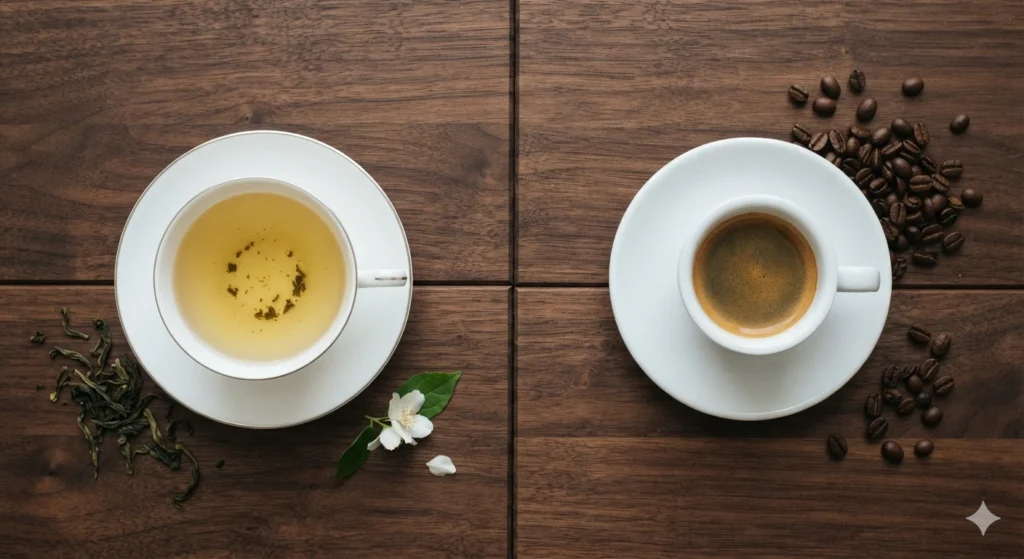
Jasmine green tea contains caffeine because it comes from the leaves of the Camellia sinensis plant.
This is an important distinction. Jasmine green tea is not an herbal tea made from jasmine flowers. It is a scented tea created by combining green tea leaves with fresh jasmine blossoms.
During traditional production, jasmine flowers are layered with tea leaves so the leaves can naturally absorb their fragrance. After the scenting process, most flowers are removed. The caffeine remains from the tea leaves themselves.
The jasmine flowers create the aroma and flavor, but the caffeine comes from the green tea base.
For anyone looking for a completely caffeine-free floral drink, jasmine green tea is not the right choice. However, for those who want a lighter source of caffeine with a refreshing floral character, it is an excellent option.
How Much Caffeine Is In Jasmine Green Tea?
A typical cup of jasmine green tea (about 8 oz / 240 ml) contains approximately 20–40 milligrams of caffeine.
The exact amount varies depending on several factors:
- Amount of tea leaves used
- Brewing temperature
- Steeping time
- Type of green tea used as the base
| Drink | Caffeine Per 8 oz Cup (Approx.) |
|---|---|
| Jasmine Green Tea | 20–40 mg |
| Green Tea | 20–45 mg |
| Black Tea | 40–70 mg |
| Brewed Coffee | 80–120 mg |
Compared with coffee, jasmine green tea contains significantly less caffeine. However, it still provides enough stimulation to help improve alertness and focus.
The caffeine level can also vary between different jasmine teas. A tea made from younger leaves or buds may contain slightly more caffeine than one made from larger, mature leaves.
For most drinkers, these differences are subtle. The more noticeable difference is the overall feeling of the tea: lighter, smoother, and less intense than coffee.
Why Does Jasmine Green Tea Feel Different From Coffee?
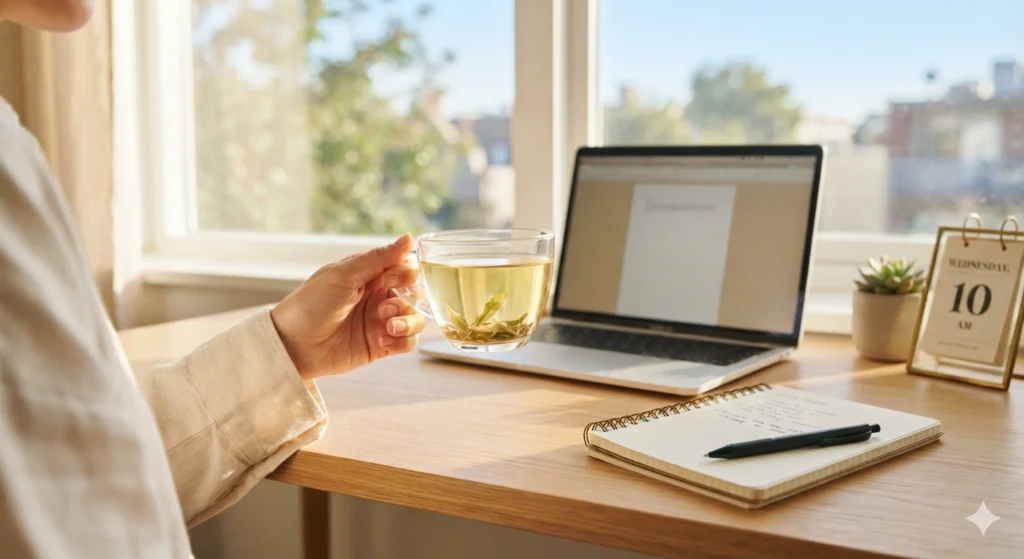
The difference between jasmine green tea and coffee is not only about caffeine numbers.
Tea leaves naturally contain L-theanine, an amino acid commonly found in green tea. Together with caffeine, it contributes to the characteristic feeling many people associate with tea: calm alertness rather than strong stimulation.
Coffee often creates a faster and stronger caffeine effect. For some people, this is exactly what they want. For others, it may feel too intense or lead to an afternoon energy drop.
Jasmine green tea offers a softer experience. The caffeine level is lower, and the floral aroma creates a more relaxing drinking ritual.
The result is a cup that feels balanced: awake enough to stay focused, but calm enough to enjoy slowly.
Does Jasmine Green Tea Keep You Awake?
It depends on your personal sensitivity to caffeine.
For many people, drinking jasmine green tea in the morning or early afternoon does not interfere with sleep. The caffeine content is moderate, and the effect is usually milder than coffee.
However, caffeine sensitivity varies greatly.
Some people can enjoy tea after dinner without any problems, while others may notice that even a small amount of caffeine affects their ability to fall asleep.
If you find jasmine green tea affects your sleep, try:
- Drinking it earlier in the day
- Using fewer tea leaves
- Choosing shorter brewing times
- Switching to caffeine-free herbal tea in the evening
Jasmine green tea itself is not a strong stimulant, but timing matters.
Best Time To Drink Jasmine Green Tea
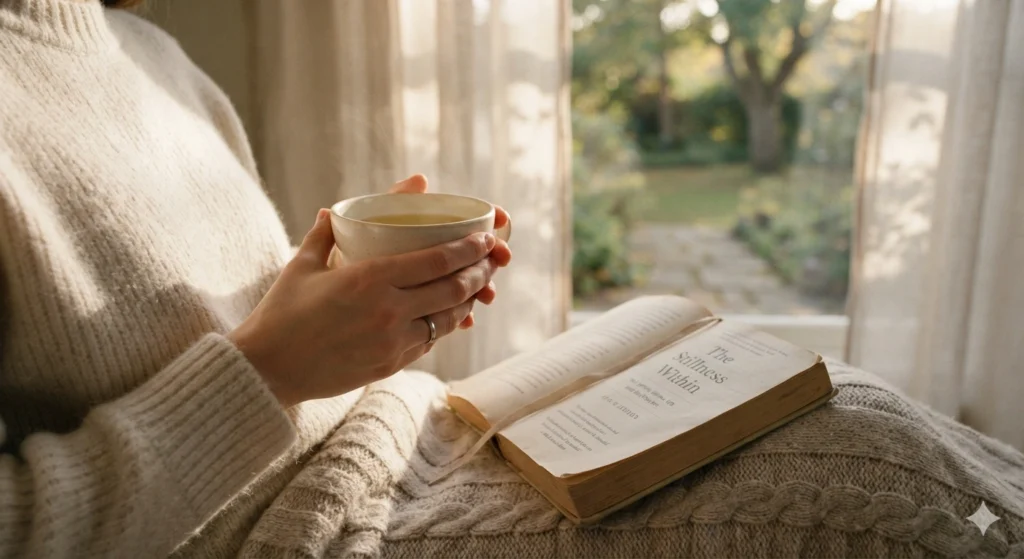
Jasmine green tea can fit naturally into different parts of the day.
Morning
A morning cup of jasmine green tea provides a gentle way to start the day.
The moderate caffeine content offers a light lift, while the floral aroma creates a slower and calmer beginning compared with a strong coffee.
It pairs especially well with quiet morning routines.
Afternoon
The afternoon is one of the most popular times to enjoy jasmine green tea.
When energy begins to decline, a cup of jasmine tea can refresh your mind without the stronger stimulation of another coffee.
The fragrance also makes the tea break feel like a small pause in the middle of a busy day.
Evening
Evening drinking depends on your caffeine sensitivity.
If you are sensitive to caffeine, jasmine green tea may be better avoided close to bedtime.
For those who tolerate caffeine well, an early evening cup may still be enjoyable. The best approach is to understand how your own body responds.
Is Jasmine Green Tea Good For People Sensitive To Caffeine?
Jasmine green tea can be a good choice for people who want less caffeine than coffee but still enjoy a mild boost of energy.
Because it usually contains around 20–40 mg of caffeine per cup, it provides a much lighter caffeine experience than coffee. Many people who find coffee too strong prefer the smoother feeling of green tea.
However, jasmine green tea is not caffeine-free. If you are highly sensitive to caffeine, even moderate amounts may cause discomfort.
A few adjustments can help create a lighter cup:
- Use fewer tea leaves
- Reduce steeping time
- Brew with slightly cooler water
- Drink it earlier in the day
These changes reduce caffeine extraction while keeping much of the jasmine aroma and flavor.
If you react strongly to caffeine, a naturally caffeine-free herbal tea may be a better choice.
Does Decaf Jasmine Green Tea Exist?
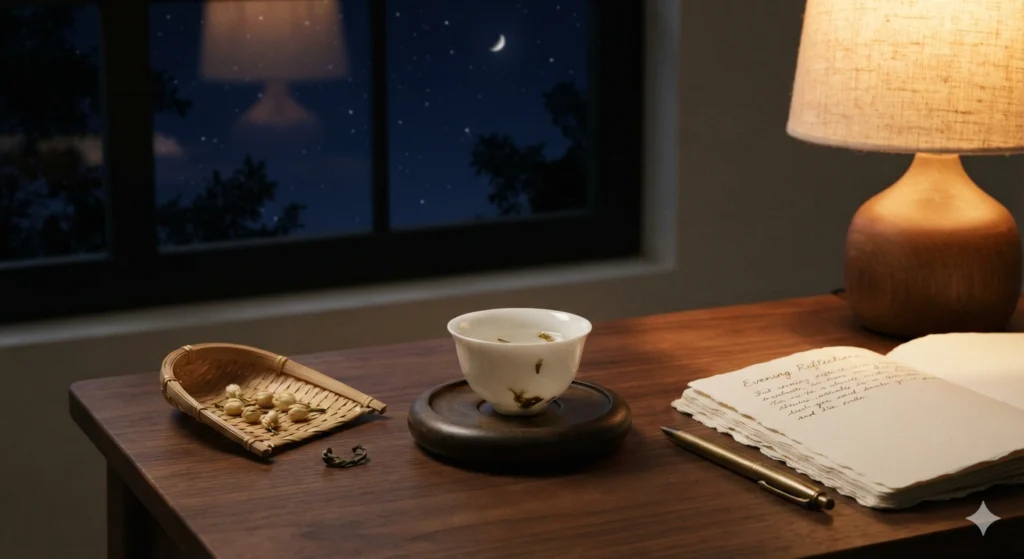
Yes, decaffeinated jasmine green tea is available.
Decaf jasmine tea is made by removing most of the caffeine from green tea leaves while attempting to preserve the floral aroma of jasmine. It allows people who enjoy jasmine fragrance to drink tea with much less caffeine.
However, the flavor is usually slightly different from traditional jasmine green tea.
The decaffeination process can affect some of the tea’s natural aroma and character, so decaf versions may taste softer or less complex than traditionally scented jasmine tea.
Traditional Chinese jasmine tea is naturally caffeinated because it is made from real tea leaves. Decaf jasmine tea is a modern alternative designed for people who need to limit caffeine intake.
How To Reduce Caffeine In Jasmine Green Tea
If you enjoy jasmine green tea but want a lower caffeine level, you can adjust your brewing method.
Use Less Tea
The amount of tea leaves directly affects caffeine content.
Using fewer leaves creates a lighter cup with a softer flavor and less caffeine.
Shorten The Steeping Time
Caffeine is extracted gradually during brewing.
A shorter infusion usually produces a lighter cup. For example, steeping for one to two minutes will generally result in less caffeine than a longer steep.
The jasmine aroma is released quickly, so a shorter brewing time can still preserve much of the floral character.steeping time affects caffeine levels, check our [brewing guide].
Lower The Water Temperature
Hotter water extracts more compounds from tea leaves, including caffeine.
Brewing jasmine green tea at around 75°C–80°C instead of higher temperatures creates a gentler cup.
This also helps preserve the delicate jasmine fragrance and reduces bitterness.
Jasmine Green Tea Compared With Other Caffeinated Drinks
Understanding jasmine green tea becomes easier when comparing it with other common beverages.
| Drink | Caffeine Level | Overall Experience |
|---|---|---|
| Jasmine Green Tea | Moderate | Smooth, floral, balanced |
| Green Tea | Moderate | Fresh, clean, vegetal |
| Black Tea | Medium | Stronger, fuller |
| Coffee | High | Fast, intense stimulation |
Jasmine green tea sits between herbal tea and coffee.
It provides the natural caffeine of true tea while offering a lighter experience than coffee. This balance is one reason it has remained popular for centuries.
Can You Drink Jasmine Green Tea Every Day?
For most people, jasmine green tea can be enjoyed as part of a daily routine.
One to three cups per day is a common amount for many tea drinkers. It provides moderate caffeine, natural tea compounds, and the simple pleasure of a fragrant daily ritual.
The best approach is to treat it as a beverage, not a supplement.
Jasmine green tea is not a replacement for sleep, exercise, or a balanced diet. Its value comes from being a healthy, enjoyable drink that fits naturally into everyday life.
How To Get The Most From Your Jasmine Green Tea
A few simple habits can improve both the flavor and the overall experience.
Choose Traditionally Scented Jasmine Tea
Quality jasmine green tea is made through traditional scenting.
Fresh jasmine blossoms are layered with green tea leaves, allowing the fragrance to naturally enter the leaves. This creates a deeper aroma that lasts across multiple infusions.
Low-quality teas may rely on artificial flavoring to create a strong initial scent, but they often lack the balance and complexity of traditionally scented tea.Learn more about its [health benefits].
Brew It Correctly
Water temperature has a major effect on jasmine green tea.
Using water that is too hot can make the green tea base taste bitter and overpower the delicate floral notes.
A temperature around 80°C–85°C usually works well for jasmine green tea.
For most brewing methods:
- Use about 3 grams of tea per 250 ml of water
- Steep for 2–3 minutes
- Adjust according to your preferred strength
Drink It Without Added Sugar
High-quality jasmine green tea has its own natural sweetness.
The combination of fresh green tea and jasmine fragrance creates a soft floral character that does not need sugar.
Drinking it without sweeteners allows you to experience the balance between the tea leaf and the flower.
Frequently Asked Questions
Does jasmine green tea have caffeine?
Yes. Jasmine green tea contains caffeine because it is made from green tea leaves from the Camellia sinensis plant.
How much caffeine is in jasmine green tea?
A typical cup contains around 20–40 mg of caffeine, depending on the amount of tea used, water temperature, and steeping time.
Is jasmine green tea stronger than coffee?
No. Coffee usually contains much more caffeine than jasmine green tea. Jasmine tea provides a gentler caffeine experience.
Can jasmine green tea help you stay awake?
Yes, the caffeine in jasmine green tea can improve alertness. However, the effect is usually milder than coffee.
Can I drink jasmine green tea before bed?
It depends on your caffeine sensitivity. People sensitive to caffeine may want to avoid it in the evening.
Is jasmine green tea caffeine-free?
No. Traditional jasmine green tea contains caffeine because it is made from green tea leaves. Only decaffeinated versions contain very little caffeine.
Final Thoughts
Jasmine green tea contains caffeine, but its character is very different from coffee.
It offers a moderate amount of natural caffeine combined with the fresh taste of green tea and the calming fragrance of jasmine. For many people, this creates a balanced drinking experience: enough energy to stay focused, but gentle enough to enjoy slowly.
At Tea Passage, we believe jasmine green tea is more than a source of caffeine. It is a daily ritual built around fragrance, craftsmanship, and the simple pleasure of taking a moment for yourself.
Whether you drink it in the morning to begin the day or in the afternoon as a quiet break, a well-made jasmine green tea is a reminder that energy does not always need to be intense.