Chinese tea is not one single flavor.
It is a landscape shaped by mountains, seasons, craftsmanship, and centuries of tradition. A cup of Longjing from Hangzhou carries the warmth of roasted chestnuts. A cup of Tieguanyin from Fujian reveals the fragrance of orchids. A cup of Lapsang Souchong brings the smoky character of pine forests.
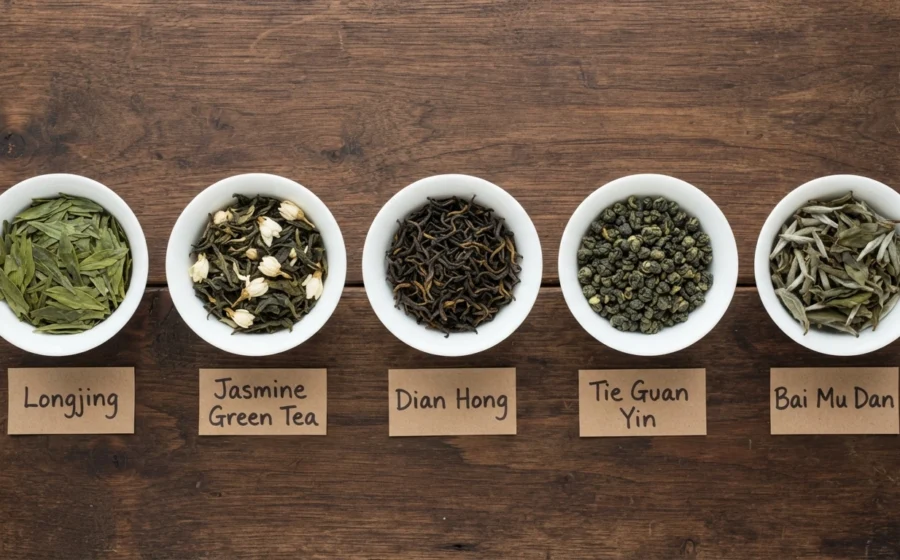
The world of Chinese tea is incredibly diverse. Different regions create different expressions of the same plant, each with its own aroma, taste, and personality.
This guide introduces 8 famous Chinese teas that every tea lover should know. They are not ranked, because Chinese tea is not about finding the “best” tea. It is about discovering the tea that matches your own taste.
Whether you are new to Chinese tea or looking to explore deeper, these are some of the most iconic teas that represent China’s tea culture.
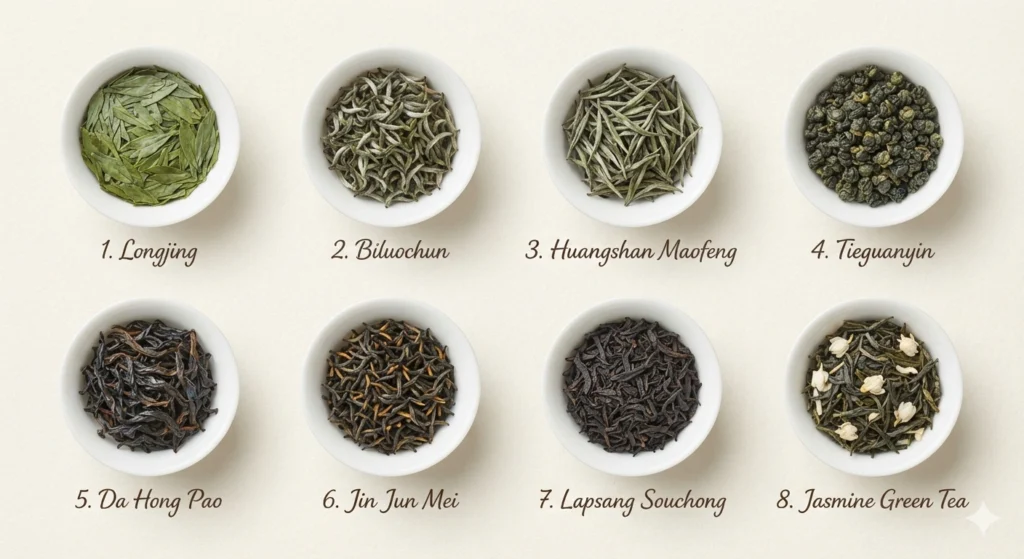
1. Longjing Tea (Dragon Well Tea)
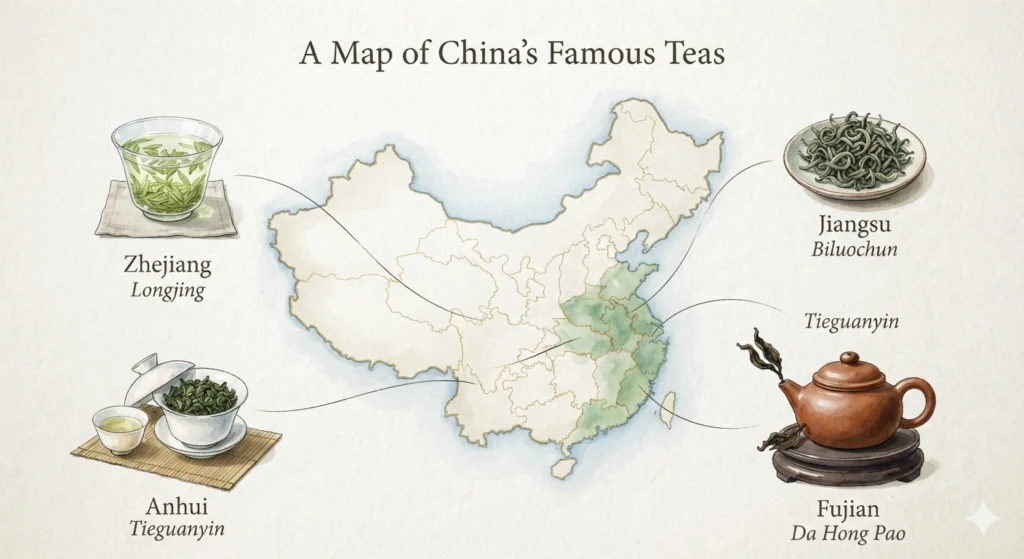
Type: Green Tea
Origin: Hangzhou, Zhejiang Province
Longjing tea is perhaps the most famous Chinese green tea in the world.
Grown near West Lake in Hangzhou, Longjing is known for its flat, smooth leaves and traditional pan-firing process. This unique production method gives the tea its signature chestnut aroma and gentle roasted character.
The taste of Longjing is fresh, smooth, and slightly sweet. Unlike many green teas that can taste grassy or sharp, a well-made Longjing has a clean, balanced flavor with a soft finish.
It is an ideal introduction to Chinese green tea and is enjoyed by beginners and experienced tea drinkers alike.
Flavor Notes:
- Chestnut
- Fresh
- Smooth
- Slightly sweet
Best For:
Morning tea, quiet afternoons, beginners exploring Chinese green tea.
2. Biluochun Tea
Type: Green Tea
Origin: Suzhou, Jiangsu Province
Biluochun is one of China’s most delicate green teas.
Its name means “Green Snail Spring,” referring to the tightly curled shape of the leaves. The tea is traditionally harvested in early spring, when the young buds are still tender and full of fragrance.
Unlike the roasted warmth of Longjing, Biluochun is known for its light, floral, and slightly fruity character. Some traditional tea gardens grow tea plants alongside fruit trees, creating a tea with a naturally fragrant and elegant profile.
Biluochun is a tea for those who enjoy subtle flavors and appreciate the finer details of tea.
Flavor Notes:
- Floral
- Fruity
- Delicate
- Fresh
Best For:
Drinkers who enjoy light, refined, and aromatic teas.
3. Huangshan Maofeng
Type: Green Tea
Origin: Huangshan (Yellow Mountain), Anhui Province
Huangshan Maofeng comes from the mist-covered mountains of Anhui, one of China’s most famous tea regions.
The tea is made from young spring buds covered with fine white hairs, giving the leaves a delicate appearance. Its high mountain environment contributes to its fresh and elegant character.
The flavor is gentle and refreshing, with soft floral notes and a naturally sweet finish. Compared with Longjing, it is less nutty. Compared with Biluochun, it is less floral.
Huangshan Maofeng represents the quiet beauty of Chinese green tea.
Flavor Notes:
- Fresh
- Light
- Floral
- Sweet
Best For:
Those looking for a gentle everyday green tea.
4. Tieguanyin Tea (Iron Goddess)
Type: Oolong Tea
Origin: Anxi, Fujian Province
Tieguanyin is one of the most famous Chinese oolong teas.
Modern Tieguanyin is usually lightly oxidized and lightly roasted, creating a bright and aromatic tea with a smooth texture.
The first thing you notice is the fragrance. Fresh orchid notes rise from the cup, followed by a creamy sweetness and a clean lingering finish.
Because of its floral aroma and approachable character, Tieguanyin is often considered one of the best oolong teas for beginners.
Flavor Notes:
- Orchid
- Floral
- Creamy
- Sweet
Best For:
Beginners who want to explore Chinese oolong tea.
5. Da Hong Pao Tea (Big Red Robe)
Type: Oolong Tea
Origin: Wuyi Mountain, Fujian Province
Da Hong Pao is one of the most legendary Chinese teas.
Produced in the rocky mountains of Wuyi, this tea belongs to the category of Wuyi rock oolong teas. The unique mountain environment creates a mineral character known as yan yun, or “rock rhyme.”
Unlike the floral freshness of Tieguanyin, Da Hong Pao is deeper and warmer. Traditional roasting creates flavors of roasted nuts, cocoa, wood, and minerals.
It is a tea with depth and character, perfect for those who enjoy darker and more complex flavors.
Flavor Notes:
- Roasted
- Mineral
- Nutty
- Deep
Best For:
Coffee drinkers and those who prefer bold flavors.
6. Jin Jun Mei Tea
Type: Black Tea
Origin: Wuyi Mountain, Fujian Province
Jin Jun Mei is one of China’s most prized black teas.
Made entirely from young tea buds, it produces a smooth and elegant cup with natural sweetness. Unlike many black teas, Jin Jun Mei is not heavy or bitter.
The flavor is rich but refined, with notes of honey, dried fruit, and gentle malt.
It represents the softer and more luxurious side of Chinese black tea.
Flavor Notes:
- Honey
- Sweet
- Fruity
- Smooth
Best For:
Those who enjoy elegant and naturally sweet black teas.
7. Lapsang Souchong
Type: Black Tea
Origin: Wuyi Mountain, Fujian Province
Lapsang Souchong is one of the most recognizable Chinese teas because of its distinctive smoky aroma.
Traditionally dried over pine wood fires, the tea develops a bold character with notes of smoke, pine, and dried fruit.
This is not a subtle tea. It has a strong personality and often creates two reactions: people either love it or need time to appreciate it.
For those who enjoy smoky flavors similar to whisky or roasted foods, Lapsang Souchong offers a completely unique tea experience.
Flavor Notes:
- Smoky
- Pine
- Rich
- Bold
Best For:
Drinkers who enjoy strong and distinctive flavors.
8. Jasmine Green Tea
Type: Scented Green Tea
Origin: Fujian Province
Jasmine green tea is one of the most beloved Chinese teas around the world.
Unlike traditional tea categories, jasmine tea is created through a special scenting process. Fresh jasmine flowers are layered with green tea leaves, allowing the leaves to naturally absorb the floral fragrance.
A high-quality jasmine tea is not simply “floral.” It has balance. The jasmine provides sweetness and aroma, while the green tea provides freshness and structure.
It is often the first Chinese tea many people try, and for many tea drinkers, it becomes a lifelong favorite.
Flavor Notes:
- Floral
- Sweet
- Fragrant
- Smooth
Best For:
Beginners and anyone who enjoys aromatic teas.
Quick Guide To 8 Famous Chinese Teas
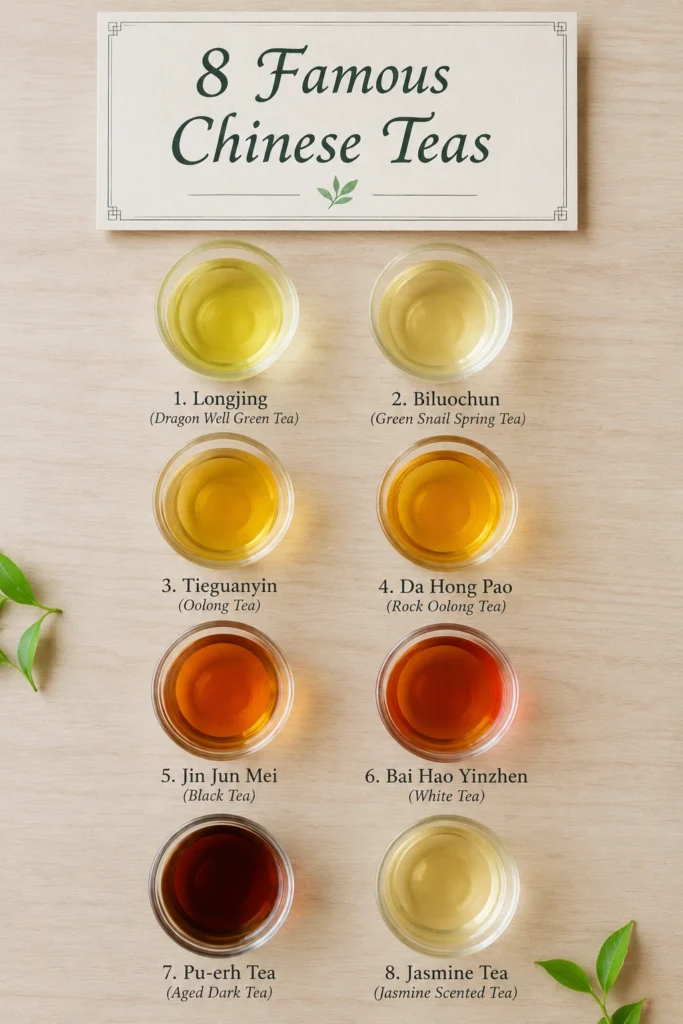
| Tea | Type | Origin | Flavor |
|---|---|---|---|
| Longjing | Green Tea | Zhejiang | Chestnut, smooth, sweet |
| Biluochun | Green Tea | Jiangsu | Floral, fruity, delicate |
| Huangshan Maofeng | Green Tea | Anhui | Fresh, light, gentle |
| Tieguanyin | Oolong Tea | Fujian | Orchid, creamy, floral |
| Da Hong Pao | Oolong Tea | Fujian | Roasted, mineral, deep |
| Jin Jun Mei | Black Tea | Fujian | Honey, fruity, smooth |
| Lapsang Souchong | Black Tea | Fujian | Smoky, rich, bold |
| Jasmine Green Tea | Scented Green Tea | Fujian | Floral, sweet, fragrant |
Where Should Beginners Start With Chinese Tea?
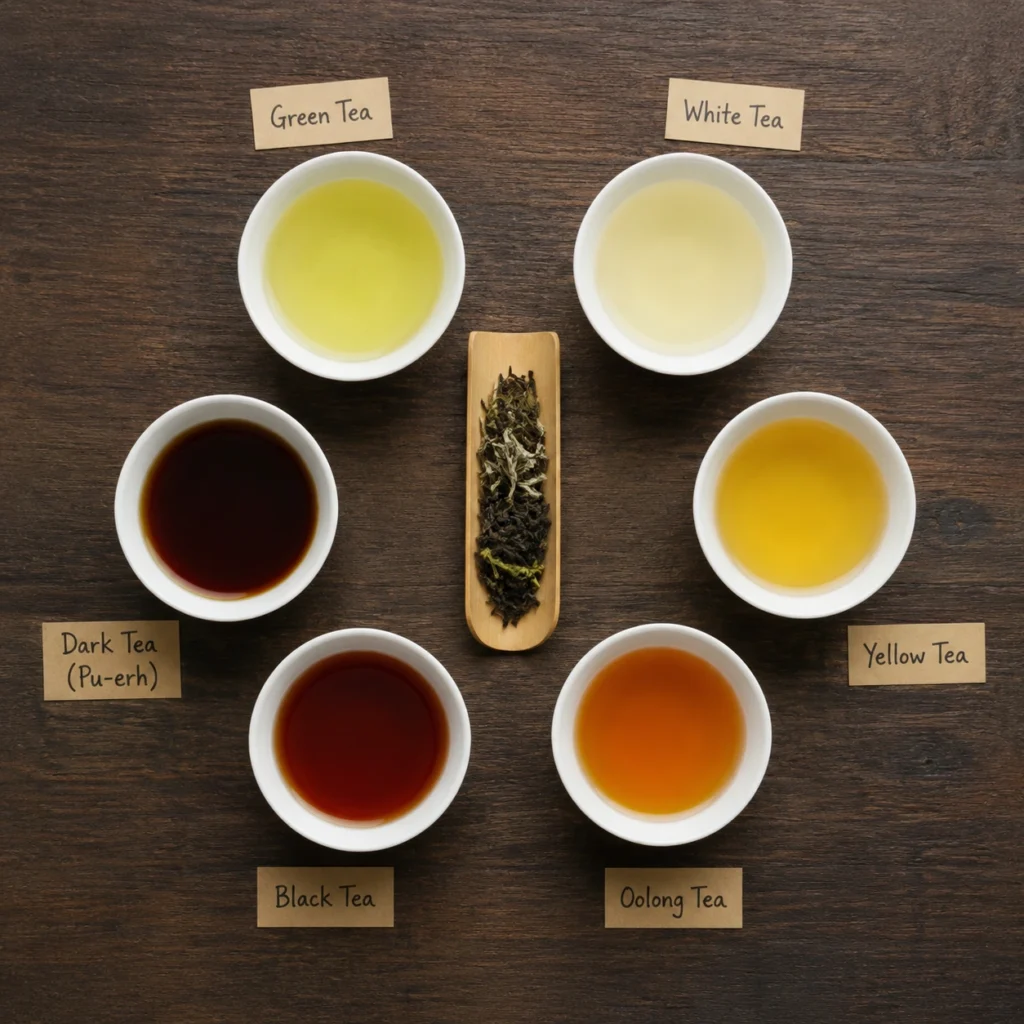
There is no single best Chinese tea for everyone. The best choice depends on the flavors you enjoy.
If you like fresh and light flavors:
Start with:
- Longjing
- Biluochun
- Huangshan Maofeng
These teas show the clean, natural character of Chinese green tea.
If you enjoy floral aromas:
Try:
- Jasmine Green Tea
- Tieguanyin
These teas are fragrant, smooth, and approachable.
If you prefer deeper flavors:
Choose:
- Da Hong Pao
- Lapsang Souchong
These teas offer roasted, smoky, and richer experiences.
If you enjoy naturally sweet tea:
Try:
- Jin Jun Mei
Its honey-like sweetness makes it one of the most approachable Chinese black teas.
Chinese tea is not a list to complete. It is a journey to explore.
Each tea tells a story about its mountain, its season, and the people who created it. At Tea Passage, we select loose leaf teas that represent the diversity of Chinese tea culture — from the fresh elegance of Longjing to the floral beauty of jasmine.
Whatever tea you begin with, there is always another story waiting in the next cup.
Explore Our Green Tea Collection →
Explore Our Oolong Tea Collection →