For centuries, people have enjoyed oolong tea not only for its flavor, but also for the experience that comes with drinking it.
Before modern research studied tea compounds and antioxidants, tea drinkers already understood something simple: a carefully brewed cup of tea can bring balance, focus, and a moment of calm to everyday life.
Today, research has helped us better understand some of the natural compounds found in oolong tea. While it is not a medicine or a replacement for a healthy lifestyle, oolong tea can be a meaningful part of a balanced daily routine.
What Are the Benefits of Oolong Tea?
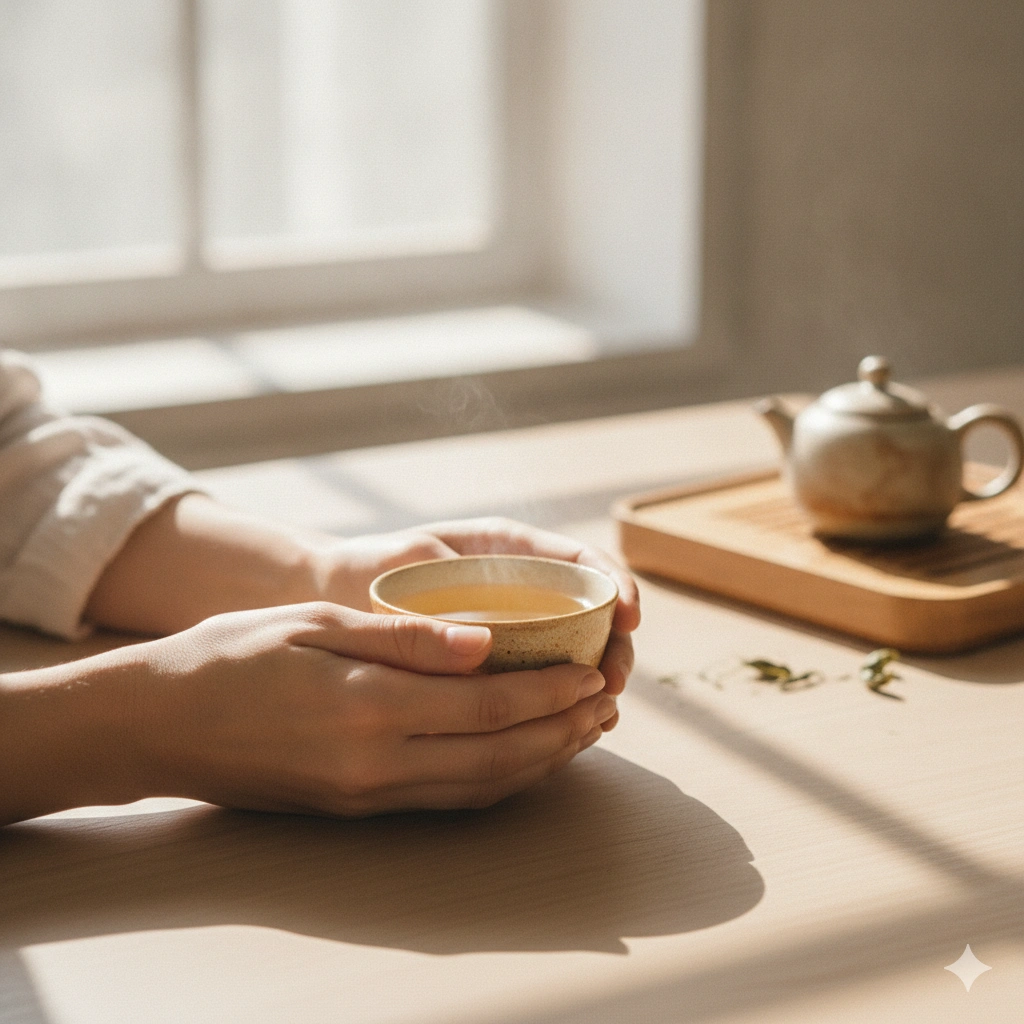
The benefits of oolong tea come from both the tea leaves themselves and the daily ritual of drinking them.
Oolong tea naturally contains:
- Tea polyphenols and antioxidants
- Moderate caffeine for gentle energy
- L-theanine that contributes to a calm focus
- A mindful drinking experience that encourages slowing down
Unlike supplements or functional drinks, oolong tea is simply a traditional beverage that fits naturally into daily life.
For many tea drinkers, the biggest benefit is not one single effect — it is the feeling of having a steady, enjoyable ritual throughout the day.
Oolong Tea and Antioxidants
Oolong tea comes from the Camellia sinensis plant, the same plant used to produce green tea and black tea.
Because oolong tea is partially oxidized, it has a unique balance of natural compounds, including polyphenols such as catechins and other tea compounds.
The oxidation process creates a different character:
- Light oolongs often maintain fresher, floral qualities
- Dark roasted oolongs develop deeper, richer profiles
This does not mean one type of tea is better than another. Instead, each tea category offers a different combination of flavor, aroma, and natural compounds.
Does Oolong Tea Help With Weight Management?
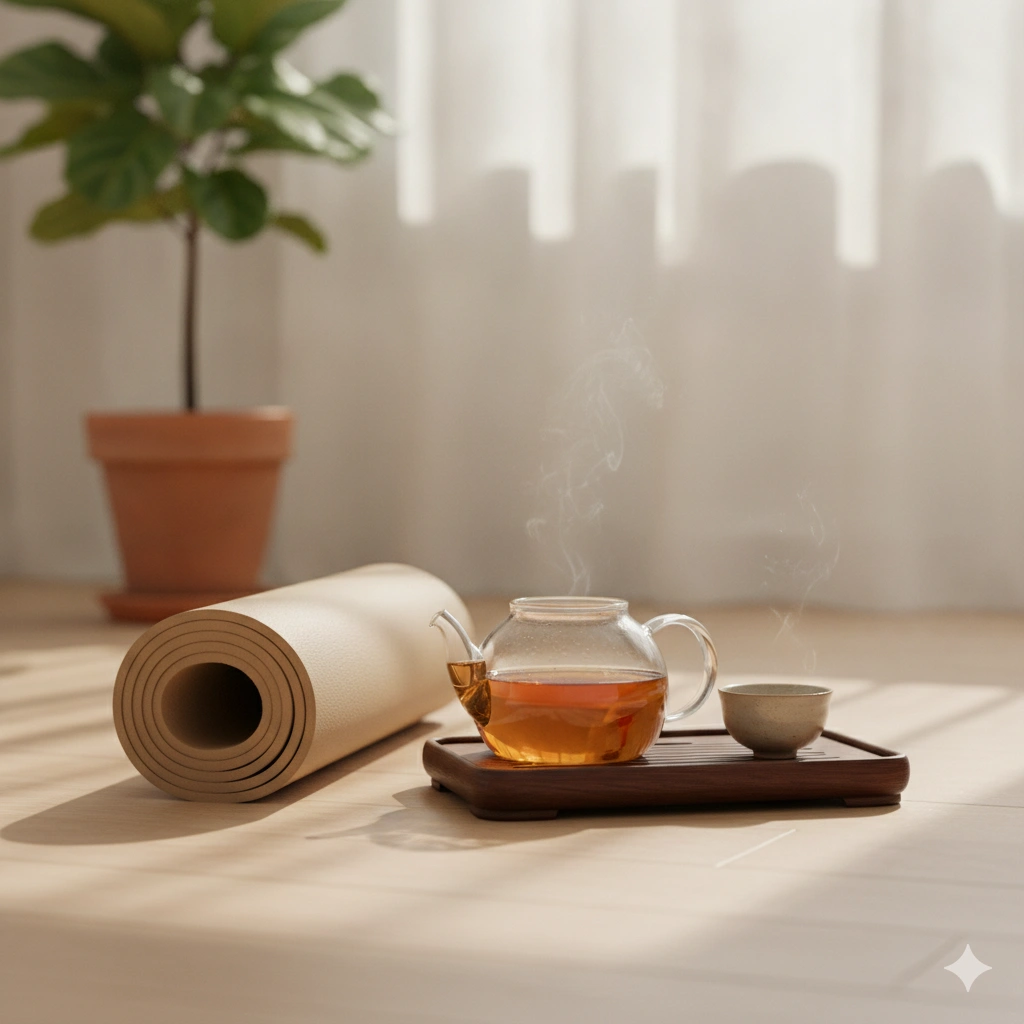
One of the most searched questions about oolong tea is whether it supports weight management.
Some research has explored how the combination of caffeine and tea polyphenols may influence energy expenditure and fat oxidation. However, oolong tea should not be viewed as a shortcut for weight loss.
The realistic perspective is simple:
Oolong tea is a naturally low-calorie drink that can replace sweeter beverages, while providing a gentle source of caffeine and enjoyable flavor.
Combined with a balanced diet and active lifestyle, it can be a supportive daily choice for people who enjoy tea.
Oolong Tea for Energy and Focus
One reason many people choose oolong tea is its balanced energy.
A typical cup of oolong tea contains around 30–50 mg of caffeine, depending on the tea type and brewing method.
Compared with coffee, the experience is often described as smoother. Oolong tea also naturally contains L-theanine, an amino acid commonly associated with a calm and focused feeling.
This combination is why many tea drinkers enjoy oolong during:
- morning routines
- afternoon work sessions
- reading or creative time
Instead of a quick burst of energy, oolong often feels more gradual and steady.
Benefits of Drinking Oolong Tea Daily

Beyond the natural compounds inside the tea leaves, one of the most overlooked benefits of oolong tea is the ritual itself.
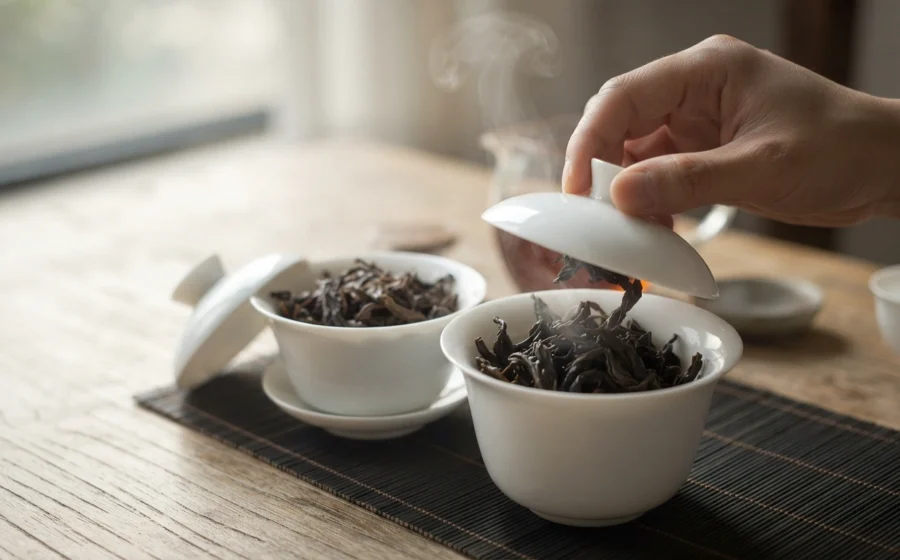
Brewing loose leaf oolong requires a little attention:
warming the teaware, watching the leaves open, noticing the aroma, and taking time between each sip.
For many people, this creates a small moment of pause during a busy day.
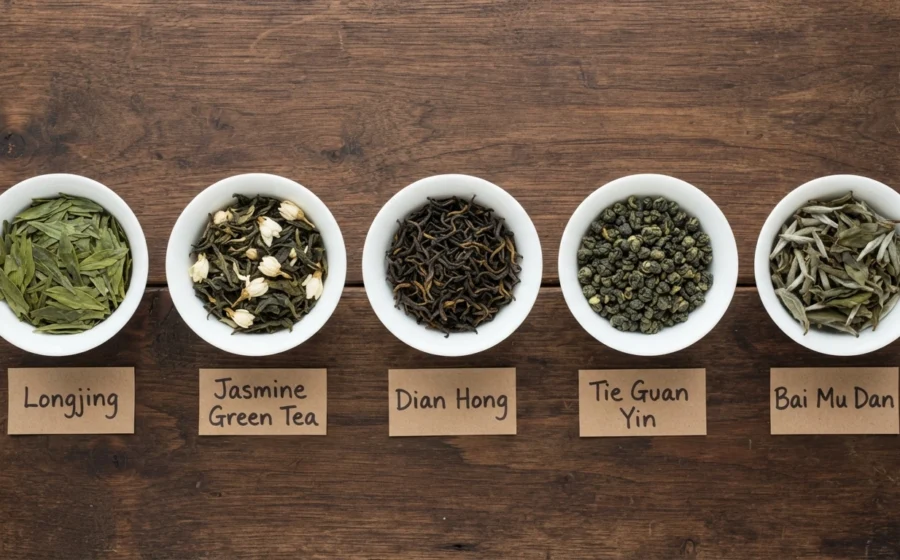
A lighter oolong such as Tie Guan Yin may feel fresh and uplifting in the morning, while a roasted oolong like Da Hong Pao can create a warmer and deeper tea experience.
The benefit is not only what is inside the cup — it is also the experience surrounding it.
Oolong Tea vs Green Tea: Benefits Comparison
| Aspect | Green Tea | Oolong Tea |
|---|---|---|
| Oxidation | Unoxidized | Partially oxidized |
| Antioxidant Profile | Rich in catechins | Balanced tea polyphenols |
| Caffeine | Usually lower | Moderate |
| Flavor | Fresh, grassy, vegetal | Floral, creamy, fruity, roasted |
| Drinking Experience | Bright and refreshing | Wide range from light to deep |
Green tea and oolong tea are not competitors.
Green tea offers freshness and simplicity, while oolong provides a broader spectrum of flavors and experiences.
Many tea lovers enjoy both depending on their mood.
Our Tea Experience: Why We Enjoy Drinking Oolong at Tea Passage
At Tea Passage, we look at oolong tea from two perspectives: what modern research tells us and what we experience through daily tea drinking.
For us, one of the most meaningful benefits of oolong tea is the connection it creates with the moment.
Preparing a cup of loose leaf oolong is a simple process, but it changes the pace of the day. The aroma, the warmth of the cup, and the gradual changes between each infusion make tea feel more intentional.
We often choose different oolongs depending on the situation.
A floral Tie Guan Yin brings a lighter and cleaner feeling. A traditional Da Hong Pao offers a deeper roasted character with warmth and complexity.
Over time, we have found that the value of oolong tea is not about expecting one dramatic result. It is about enjoying a traditional drink that brings flavor, focus, and a small moment of balance into everyday life.
That is why we continue exploring different Chinese oolong teas and sharing them with tea lovers around the world.
Frequently Asked Questions (FAQs)
Oolong tea contains natural antioxidants and provides moderate caffeine. It can be part of a balanced lifestyle and is enjoyed by many people as a daily beverage.
Yes. Many people drink oolong tea daily because of its moderate caffeine level, wide variety of flavors, and enjoyable brewing experience.
Some research suggests oolong tea may support metabolism as part of a healthy lifestyle. However, it is not a weight loss solution by itself.
Neither is simply healthier. Oolong tea and green tea have different processing methods, flavors, and natural compounds. The better choice depends on personal preference.