Phoenix Dancong tea is one of the most distinctive oolong teas in China. Unlike many teas that are defined mainly by region or processing style, Dancong is known for something more unusual: its incredible range of natural aromas.
One cup may smell like orchids and honey. Another may remind you of fruit, flowers, or roasted nuts. These aromas are not added. They come naturally from the tea variety, the mountain environment, and the skill of the tea maker.
Originating from Phoenix Mountain in Guangdong, China, Phoenix Dancong has become famous among tea lovers who appreciate complex flavors and traditional craftsmanship.
This guide explains what Phoenix Dancong tea is, why it is famous, its different aroma types, how it tastes, and how to choose one that suits you.
What Is Phoenix Dancong Tea?
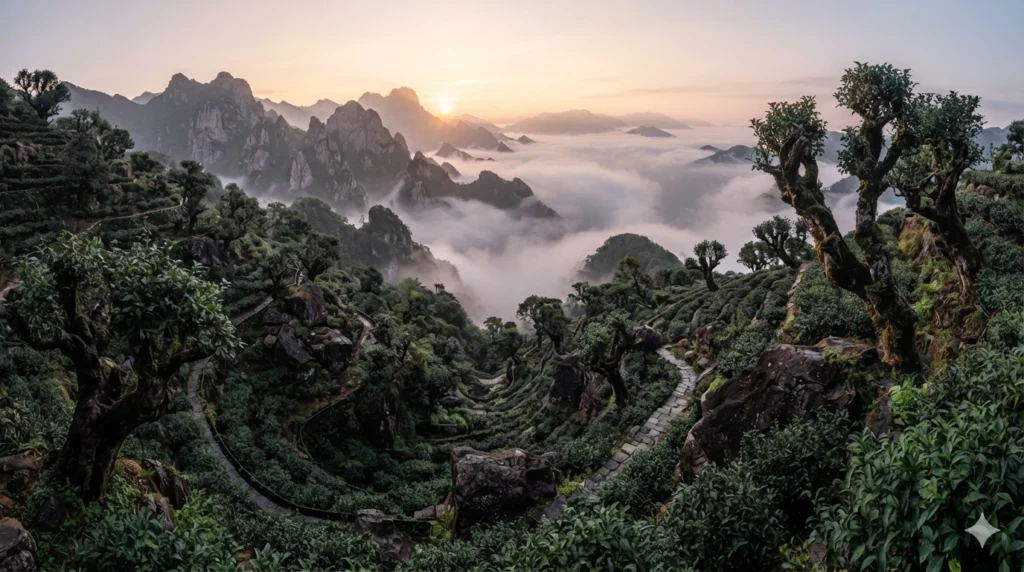
Phoenix Dancong tea is a semi-oxidized oolong tea from Phoenix Mountain (Fenghuang Mountain) in Chaozhou, Guangdong Province, China.
The name Dancong (单丛) literally means “single bush” or “single tree.”
This name comes from the traditional way the tea was produced. Historically, tea farmers on Phoenix Mountain selected individual tea trees with exceptional aromas and processed their leaves separately instead of blending them together.
Each tree could produce a different personality.
One tree might create a tea with a honey-like sweetness. Another might produce floral orchid notes. Another might have fruity or roasted aromas.
This individual character is what makes Phoenix Dancong different from many other oolong teas.
Today, not every Dancong tea comes from a single individual tree, but the tradition remains. The name represents the idea that each tea has its own unique aroma and character.
Why Is Phoenix Dancong Tea Famous?
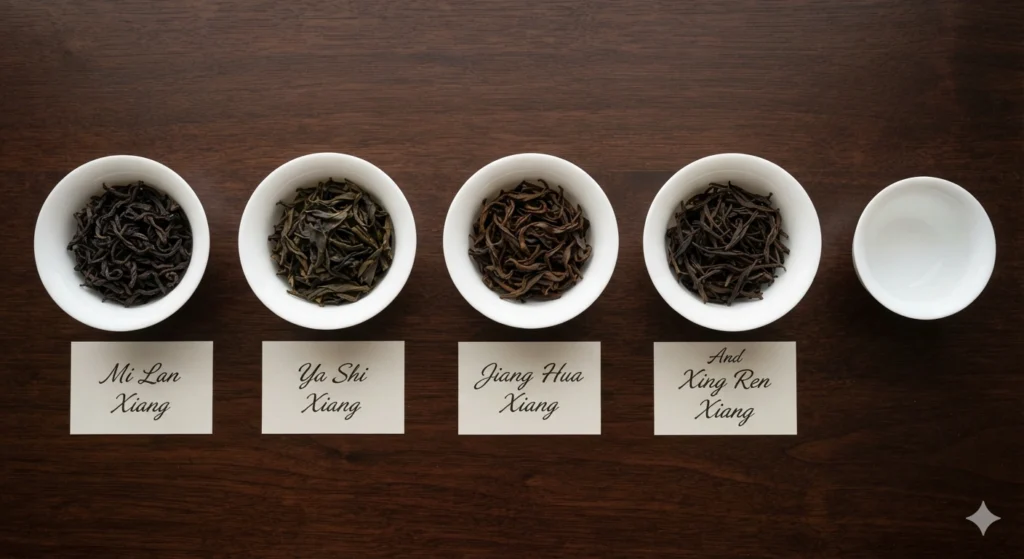
Phoenix Dancong became famous because of three qualities that make it stand apart from other teas.
1. Naturally Intense Aromas
The first thing most people notice about Dancong is the aroma.
Unlike flavored teas, Phoenix Dancong does not rely on added scents. Its fragrance develops naturally through:
- tea variety
- growing environment
- harvesting
- oxidation
- roasting techniques
This is why Dancong varieties are often named after their natural aromas:
- Honey Orchid
- Gardenia
- Magnolia
- Ginger Flower
- Osmanthus
- Almond
A well-made Dancong can fill a room with fragrance after hot water touches the leaves.
For many tea drinkers, this is the moment that makes Dancong unforgettable.
2. A Tea That Changes While You Drink It
Phoenix Dancong is not a tea with one simple flavor.
The experience changes from the first sip to later infusions.
The first infusion is often the most aromatic:
- strong floral fragrance
- bright sweetness
- fresh character
As you continue brewing, deeper flavors appear:
- honey-like sweetness
- fruit notes
- mineral tones
- smoother mouthfeel
A good Dancong can easily handle multiple infusions. The tea slowly reveals different layers instead of showing everything immediately.
This is one reason experienced tea drinkers enjoy Gongfu brewing with Dancong. Each infusion feels slightly different.
3. Traditional Craftsmanship
The flavor of Phoenix Dancong comes from careful processing.
Traditional production includes:
Withering
Fresh leaves are spread out and allowed to lose moisture naturally.
Oxidation
The leaves are gently bruised to begin oxidation, creating aroma and depth.
Roasting
The tea is roasted to develop sweetness, stability, and additional fragrance.
Experienced tea makers judge the process through:
- smell
- texture
- leaf appearance
- experience
The goal is not simply to make the tea stronger.
It is to preserve the natural aroma while creating balance.
Phoenix Dancong Flavor Profile: What Does It Taste Like?
Phoenix Dancong is difficult to describe with one flavor because different varieties can taste completely different.
However, most high-quality Dancong shares several characteristics:
- intense aroma
- smooth texture
- natural sweetness
- long-lasting aftertaste
Here are some of the most famous aroma profiles.
| Aroma Type | Flavor Profile |
|---|---|
| Honey Orchid (Mi Lan Xiang) | Sweet floral aroma, honey notes, smooth and approachable |
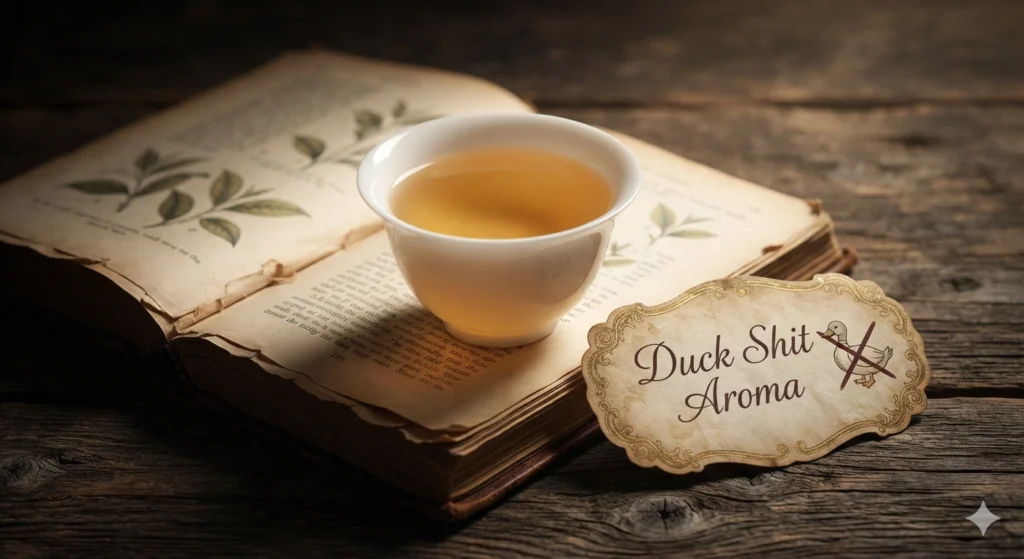
| Duck Shit Aroma (Ya Shi Xiang) | Rich orchid fragrance, creamy texture, mineral depth |
| Ginger Flower (Jiang Hua Xiang) | Warm floral aroma with a slightly spicy character |
| Magnolia (Yu Lan Xiang) | Elegant floral notes, refined and delicate |
| Osmanthus (Gui Hua Xiang) | Fruity sweetness with gentle floral tones |
Honey Orchid Dancong (Mi Lan Xiang)
Honey Orchid is the most popular Phoenix Dancong variety and often the best choice for beginners.
It has:
- sweet orchid aroma
- honey-like sweetness
- smooth body
- balanced flavor
Compared with some stronger Dancong varieties, Mi Lan Xiang is easier to appreciate and less overwhelming.
For someone trying Phoenix Dancong for the first time, this is usually the safest starting point.
Duck Shit Aroma Dancong (Ya Shi Xiang)
Despite its unusual name, Duck Shit Aroma is one of the most famous Dancong varieties.
The name often surprises international tea drinkers, but the flavor is completely different from what the name suggests.
A good Ya Shi Xiang has:
- orchid fragrance
- fruity sweetness
- creamy texture
- mineral character
The name comes from a local story and has nothing to do with the actual taste.
Today, many tea lovers seek it out specifically because of its unique aroma and complexity.
Phoenix Dancong vs Other Oolong Teas
Phoenix Dancong belongs to the oolong tea family, but its personality is very different from many famous oolongs.
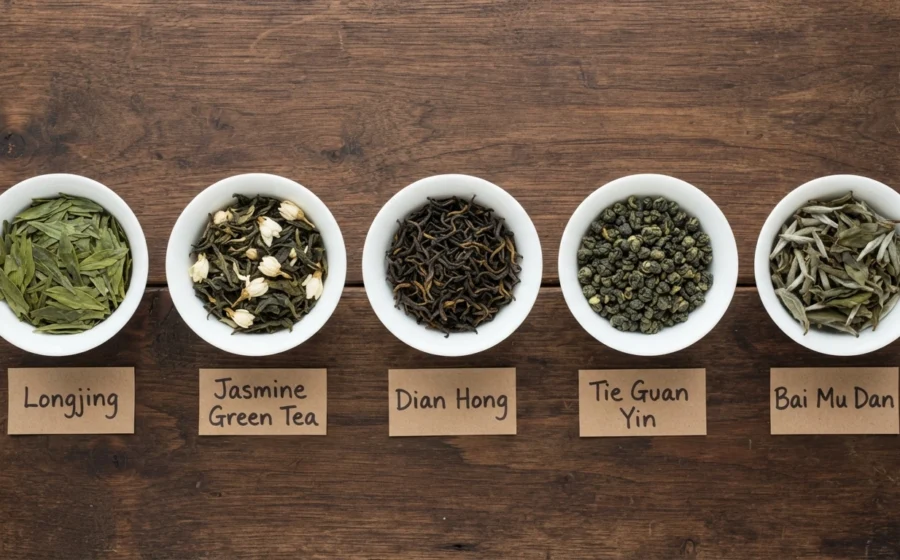
While Tie Guan Yin is known for its fresh floral character and Da Hong Pao is famous for roasted depth, Phoenix Dancong is defined by aroma intensity and complexity.
| Aspect | Phoenix Dancong | Tie Guan Yin | Da Hong Pao |
|---|---|---|---|
| Origin | Guangdong | Fujian | Fujian |
| Oxidation | Medium | Light to medium | Medium to heavy |
| Aroma | Floral, fruity, complex | Orchid, fresh, creamy | Roasted, mineral, woody |
| Flavor | Sweet, aromatic, layered | Light, smooth, refreshing | Deep, warm, roasted |
| Character | Expressive and changing | Gentle and approachable | Rich and traditional |
If you enjoy:
- floral fragrances
- fruit-like aromas
- teas that evolve through multiple infusions
Phoenix Dancong is likely to appeal to you.
If you prefer:
- softer and lighter flavors → Tie Guan Yin may be a better choice
- roasted and deeper flavors → Da Hong Pao may suit you more
Dancong sits somewhere between floral elegance and roasted complexity. It is one of the most expressive teas in the oolong category.
How To Brew Phoenix Dancong Tea
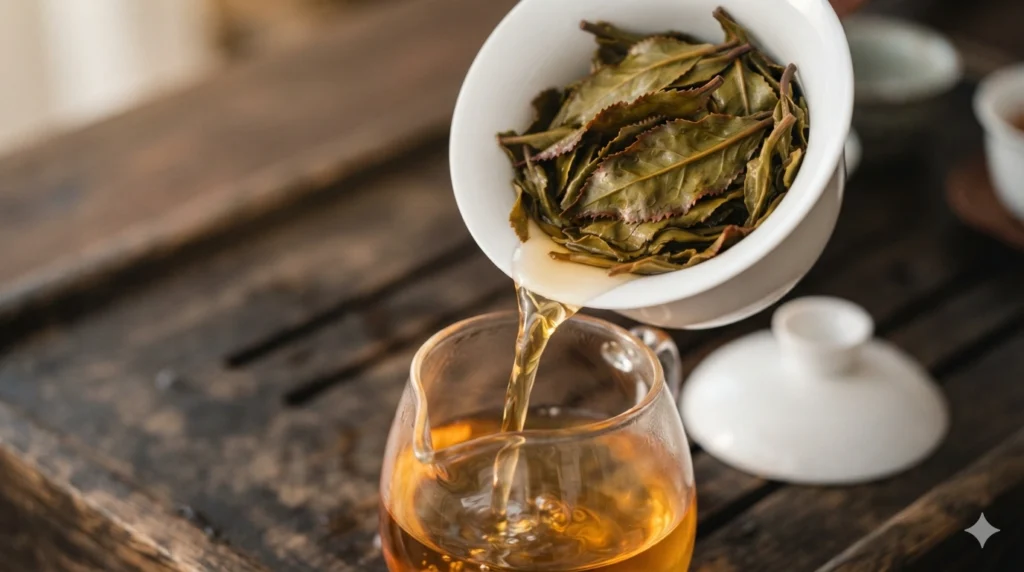
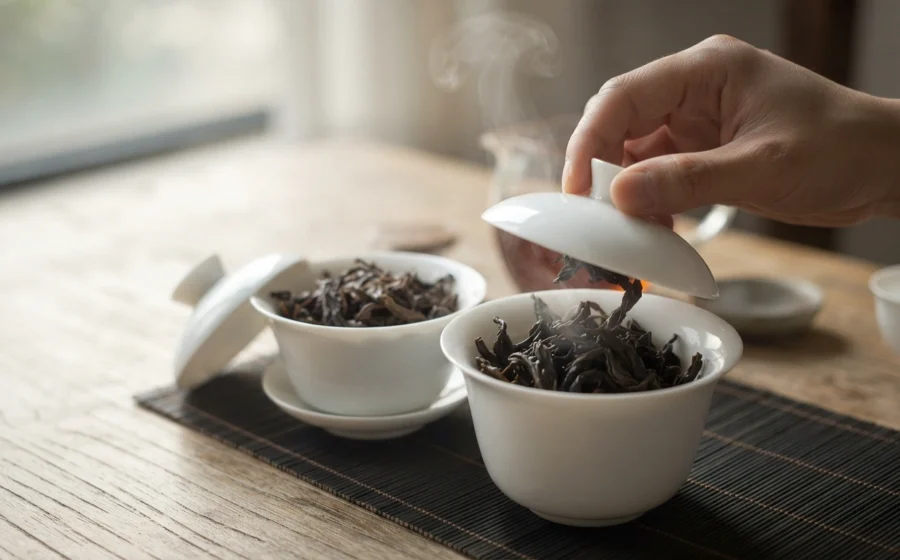
Phoenix Dancong is traditionally brewed using the Gongfu tea method, which allows the tea to slowly reveal its layers.
Compared with simple Western-style brewing, Gongfu brewing uses:
- more tea leaves
- less water
- shorter infusion times
- multiple steepings
This method is especially suitable for Dancong because the aroma changes throughout the session.
Gongfu Brewing Method
Tea Amount
Use around:
5–7 grams of tea
for a:
100–120 ml gaiwan or small teapot
Dancong leaves are usually long and twisted, so they need enough space to open.
Water Temperature
Use:
95°C–100°C (203°F–212°F)
Unlike delicate green teas, Phoenix Dancong benefits from hotter water.
High temperature helps release:
- floral aromas
- fruity notes
- deeper sweetness
Steeping Time
Start with:
10–15 seconds for the first infusion
Then gradually increase the time:
- Second infusion: 15–20 seconds
- Third infusion: 20–30 seconds
- Later infusions: increase gradually
Good Phoenix Dancong can usually be brewed:
6–10 times
depending on quality.
Should You Rinse Phoenix Dancong Tea?
Many Gongfu tea drinkers rinse Dancong before drinking.
A quick rinse of around 5 seconds can:
- warm the leaves
- awaken the aroma
- remove small particles
However, it is not absolutely necessary, especially with high-quality tea.
A gentle first infusion can also be enjoyed.
How To Choose Good Phoenix Dancong Tea
Choosing Dancong can feel overwhelming because there are many aroma names and price levels.
Focus on four things:
1. Aroma Quality
Good Dancong should have a clear and natural fragrance.
The aroma should feel:
- layered
- fresh
- elegant
Avoid teas that smell:
- overly sweet like perfume
- artificial
- flat or dusty
Natural Dancong aroma should develop gradually, not hit you like fragrance oil.
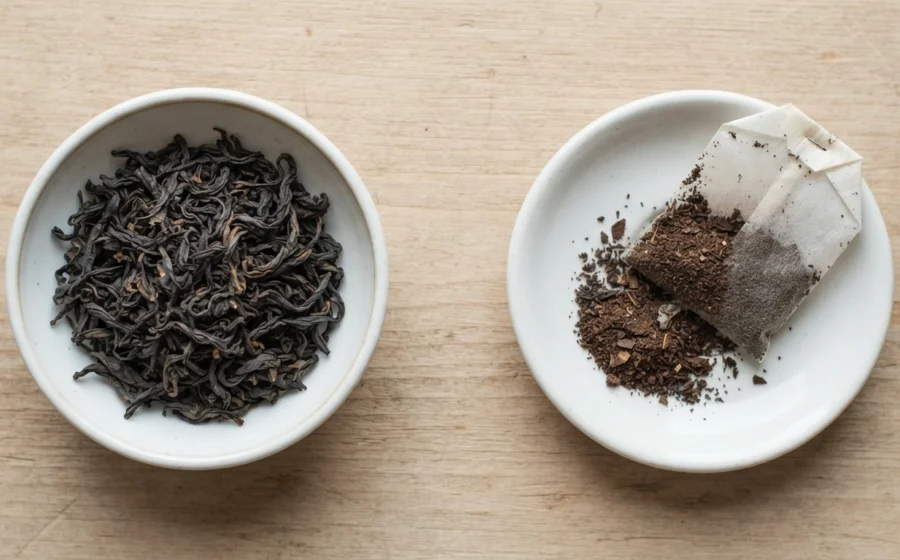
2. Leaf Appearance
High-quality Phoenix Dancong usually has:
- long twisted leaves
- relatively complete leaf structure
- consistent color
- clean appearance
Avoid tea with:
- excessive powder
- many broken pieces
- uneven processing
The leaves should look carefully made, not crushed.
3. Taste And Aftertaste
The best way to judge Dancong is in the cup.
A good tea should have:
- strong aroma but smooth taste
- natural sweetness
- clean finish
- long aftertaste
Poor-quality Dancong often feels:
- sharp
- bitter
- thin
- one-dimensional
Strong aroma alone does not mean good tea. Balance matters more.
4. Price And Quality
Phoenix Dancong prices vary widely.
A general guide:
| Level | Price per 50g | Characteristics |
|---|---|---|
| Entry level | $20–40 | Basic aroma, suitable for daily drinking |
| Good daily Dancong | $40–80 | Clear fragrance, balanced flavor |
| Premium Dancong | $100+ | Strong complexity, rare origins or old trees |
You do not need the most expensive Dancong to enjoy this tea.
For beginners, a good daily-quality Mi Lan Xiang is usually a better choice than buying an expensive tea without knowing your preference.
Is Phoenix Dancong Tea Good For Beginners?
Yes, but choosing the right variety matters.
Phoenix Dancong is a good match if you enjoy:
- jasmine tea
- floral drinks
- aromatic coffee
- Earl Grey
- fragrant oolong teas
Its strong aroma makes it exciting for people who want a tea with personality.
However, it may feel intense if you prefer very mild flavors.
For beginners, we recommend:
Start With Honey Orchid (Mi Lan Xiang)
Mi Lan Xiang is:
- aromatic but not overwhelming
- sweet and balanced
- easier to brew
- widely appreciated
It gives you the classic Dancong experience without being too challenging.
After becoming familiar with it, you can explore:
- Ya Shi Xiang for more complexity
- Ginger Flower for a unique floral profile
- Almond Aroma for a warmer, nuttier style
Our Experience With Phoenix Dancong At Tea Passage
At Tea Passage, Phoenix Dancong represents one of the most fascinating sides of Chinese tea.
What first attracts us is always the aroma.
When hot water touches the leaves, the fragrance rises immediately. A good Mi Lan Xiang can fill the room with orchid and honey notes before the first sip.
But the real beauty of Dancong is not only the first impression.
It is how the tea changes.
The first infusion is bright and aromatic. Later infusions become softer, sweeter, and more layered. The tea slowly reveals itself instead of showing everything at once.
That is why we think Dancong is a tea worth slowing down for.
It is not just a drink. It is an experience built around attention, aroma, and the relationship between the leaf and the person brewing it.
Frequently Asked Questions
What is Phoenix Dancong tea?
Phoenix Dancong is a semi-oxidized oolong tea from Phoenix Mountain in Guangdong, China. It is famous for its natural floral and fruity aromas and traditional single-bush style.
What does Phoenix Dancong tea taste like?
Phoenix Dancong tastes aromatic, floral, and complex. Depending on the variety, it may have notes of honey, orchids, fruit, nuts, or minerals.
Is Phoenix Dancong green tea or black tea?
Neither. Phoenix Dancong is an oolong tea, which means it is partially oxidized and sits between green tea and black tea.
What is the best Phoenix Dancong tea for beginners?
Mi Lan Xiang (Honey Orchid) is usually the best starting point. It has a sweet floral aroma and a balanced flavor that is easy to enjoy.
Why is Duck Shit Aroma tea called that?
The name comes from a local story about farmers trying to protect a valuable tea tree by giving it an unattractive name. The tea itself has a rich floral and fruity aroma.
How many times can Phoenix Dancong tea be brewed?
Good Phoenix Dancong can usually be brewed 6–10 times with Gongfu brewing. Each infusion reveals slightly different aromas and flavors.
Is Phoenix Dancong stronger than other oolong teas?
It is not necessarily stronger in caffeine, but its aroma and flavor are often more intense. This is why many tea lovers consider it one of the most expressive oolong teas.
Phoenix Dancong is a tea built around individuality. Every aroma, every infusion, and every growing area tells a different story.
At Tea Passage, we choose Dancong for its natural fragrance, traditional craftsmanship, and the quiet experience it creates. Whether you begin with Honey Orchid or explore the deeper character of Duck Shit Aroma, Phoenix Mountain offers a world of flavors waiting to be discovered.