Among all Chinese white teas, Silver Needle holds a special place.
Made entirely from young tea buds, it represents one of the purest expressions of traditional white tea. There are no mature leaves, no stems, no rolling, and no roasting. Only carefully selected spring buds, gently dried and preserved in their natural form.
For many tea drinkers, Silver Needle is an introduction to subtlety.
It does not have the intensity of roasted oolong or the freshness of green tea. Instead, it offers something quieter: a soft floral aroma, a silky texture, and a clean sweetness that slowly reveals itself.
This guide explores everything you need to know about Silver Needle tea, including its origin, production process, flavor profile, brewing method, and how to choose a high-quality Bai Hao Yinzhen.
What Is Silver Needle Tea?
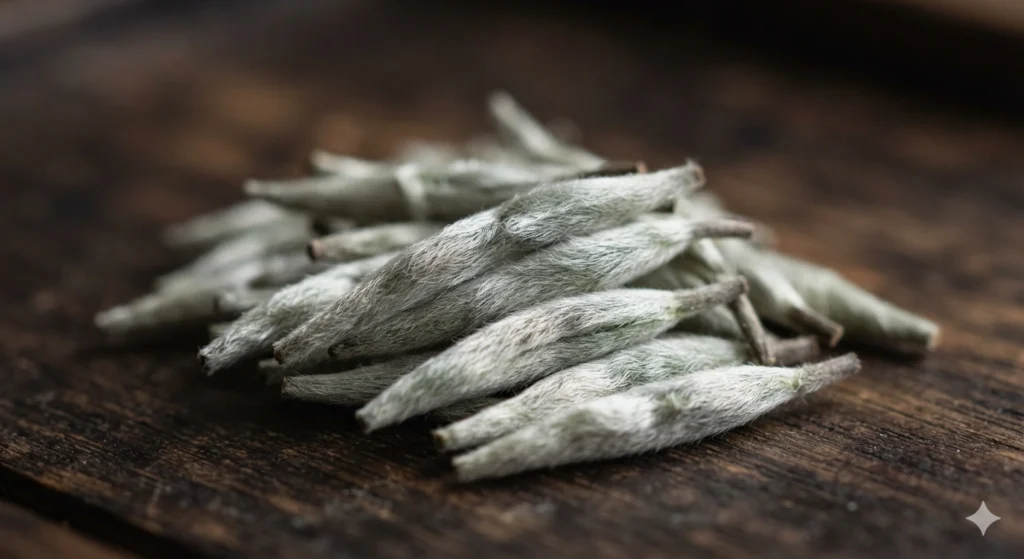
Silver Needle tea, known in Chinese as Bai Hao Yinzhen (白毫银针), is a premium white tea made exclusively from unopened tea buds.
It is one of the most treasured styles within Chinese white tea because of its strict picking standards, minimal processing, and delicate flavor.
The name Bai Hao Yinzhen literally means “white hair silver needle.”
- Bai Hao (白毫) refers to the fine white hairs covering the young buds.
- Yinzhen (银针) describes their long, slender needle-like shape.
The name perfectly describes the appearance of the tea before brewing: bright, silver-colored buds covered in soft white down.
Silver Needle belongs to the white tea category, which is known for gentle processing.
The production involves only a few steps:
- Picking
- Withering
- Drying
Unlike green tea, there is no heat fixation.
Unlike oolong tea, there is no rolling or roasting.
The goal is not to transform the leaf, but to preserve what is already naturally present in the bud.
Where Does Silver Needle Tea Come From?
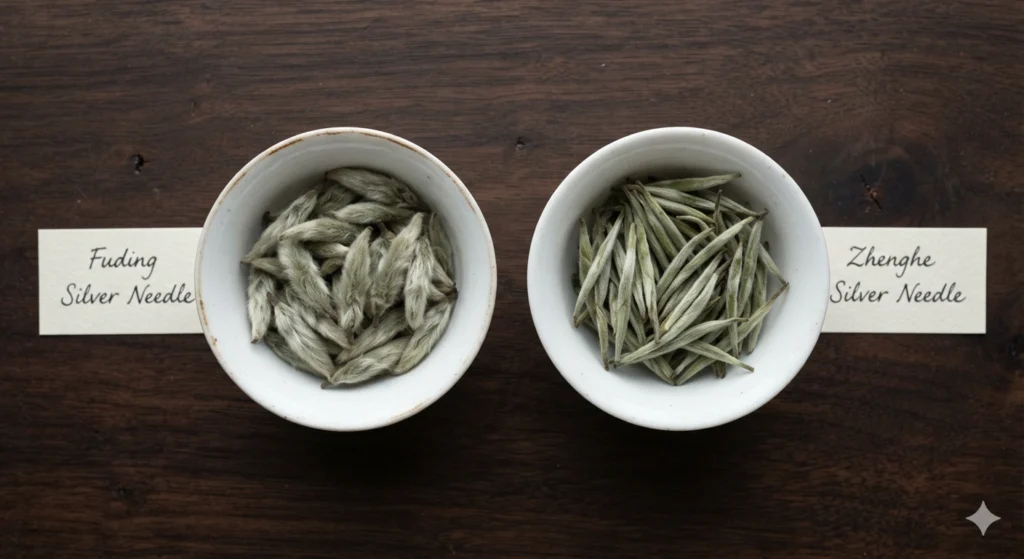
Silver Needle originates from Fujian province in southeastern China, the birthplace of traditional Chinese white tea.
Within Fujian, two regions are especially famous for producing Silver Needle:
- Fuding
- Zhenghe
Both regions create excellent tea, but they express different personalities.
Fuding Silver Needle
Fuding is the most recognized origin for Silver Needle.
The buds are typically:
- Plump
- Covered with thick silver-white hairs
- Soft and delicate
The flavor is often described as:
- Floral
- Sweet
- Fresh
- Elegant
Fuding Silver Needle represents the classic image most people have of premium white tea.
It feels light, clean, and refined.
Zhenghe Silver Needle
Zhenghe Silver Needle offers a deeper interpretation of the tea.
Compared with Fuding, it often has:
- Longer buds
- Fuller body
- Stronger sweetness
The flavor can show:
- Gentle nuttiness
- Deeper sweetness
- More noticeable structure
For drinkers who prefer a white tea with more presence, Zhenghe can be an interesting choice.
| Origin | Character |
|---|---|
| Fuding | Sweet, delicate, floral, elegant |
| Zhenghe | Fuller, deeper, stronger, more robust |
Neither style is objectively better.
They simply represent two different expressions of Silver Needle.
How Is Silver Needle Made?
Silver Needle production looks simple, but the simplicity is exactly what makes it difficult.
Because there is almost no heavy processing, the quality of the raw material becomes extremely important.
The buds are usually harvested in early spring, when they are still unopened and full of natural sweetness.
The picking process requires precision.
If harvested too early, the buds may lack maturity.
If harvested too late, they begin opening into leaves, changing the character of the tea.
After picking, the buds are carefully spread out for withering.
During this stage, moisture slowly leaves the buds, allowing their flavor and aroma to develop naturally.
The final step is gentle drying, which stabilizes the tea without adding roasted flavors.
The finished tea remains close to its original form:
- Whole buds
- Silver-white appearance
- Fine protective hairs
- Natural shape preserved
This minimal processing is one of the reasons Silver Needle is so valued.
There is no roasting to hide flaws.
There is no rolling to reshape the flavor.
The quality of the tea depends almost entirely on the quality of the buds themselves.
What Does Silver Needle Tea Taste Like?
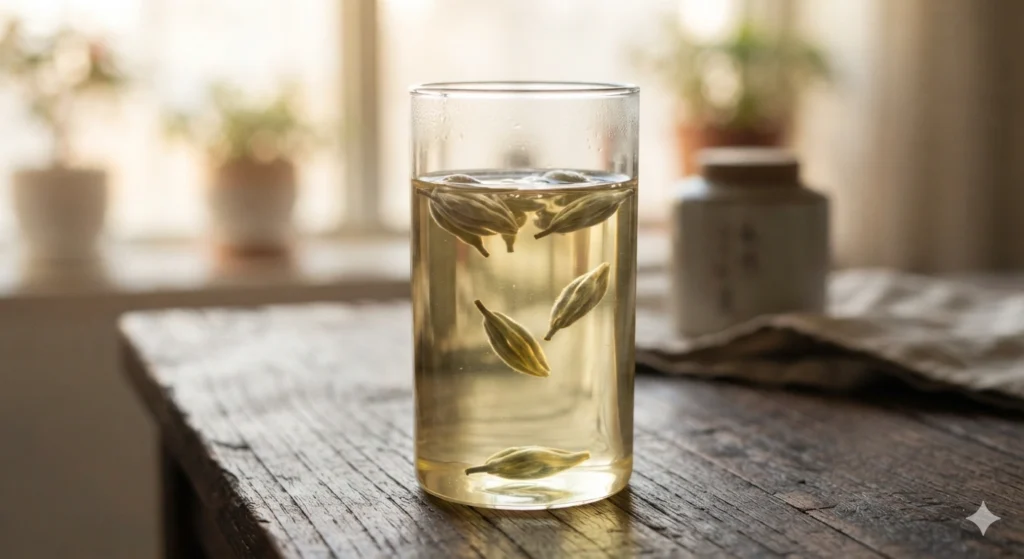
Silver Needle is a tea of subtle layers.
Its flavor is not powerful or dramatic. Instead, it reveals itself slowly through aroma, texture, and aftertaste.
| Flavor Note | Description |
|---|---|
| Floral | Fresh spring flowers, light and delicate |
| Honey | Natural sweetness with a soft finish |
| Hay | Clean, fresh dried grass notes |
| Melon | Gentle fruity sweetness |
| Mineral | Smooth, lingering finish |
The first impression is usually soft and silky.
A delicate floral aroma appears first, followed by a gentle sweetness that develops across the palate.
Unlike heavily processed teas, Silver Needle does not rely on strong flavors.
Its beauty comes from clarity.
The finish is clean and refreshing, with sweetness that remains after each sip.
Silver Needle is not a tea you rush through.
It is a tea that rewards attention.
With each infusion, different layers appear:
- The first steep highlights freshness
- The second brings more sweetness
- Later infusions reveal deeper texture and body
Why Is Silver Needle Tea Expensive?
Silver Needle is often more expensive than other white teas because of its strict production requirements.
1. Only Young Buds Are Used
Silver Needle is made almost entirely from unopened buds.
This means:
- More careful harvesting
- Lower production yield
- More labor required
A large number of individual buds are needed to produce finished tea.
2. Short Harvest Window
The best Silver Needle is harvested during a limited early spring period.
Once the buds open into leaves, they are no longer suitable for traditional Silver Needle production.
This naturally limits supply.
3. Processing Requires Excellent Raw Material
Because Silver Needle has almost no processing, there is little opportunity to correct imperfections.
The buds need to be:
- Healthy
- Whole
- Fresh
- Carefully handled
The final quality depends heavily on the original tea leaves.
4. Aging Potential
High-quality Silver Needle can also develop with age.
Over several years, fresh floral notes may gradually transform into:
- Dried fruit sweetness
- Honey-like depth
- Woody warmth
Aged Silver Needle is appreciated by many tea collectors, although fresh Silver Needle offers a completely different experience.
How To Choose High-Quality Silver Needle Tea
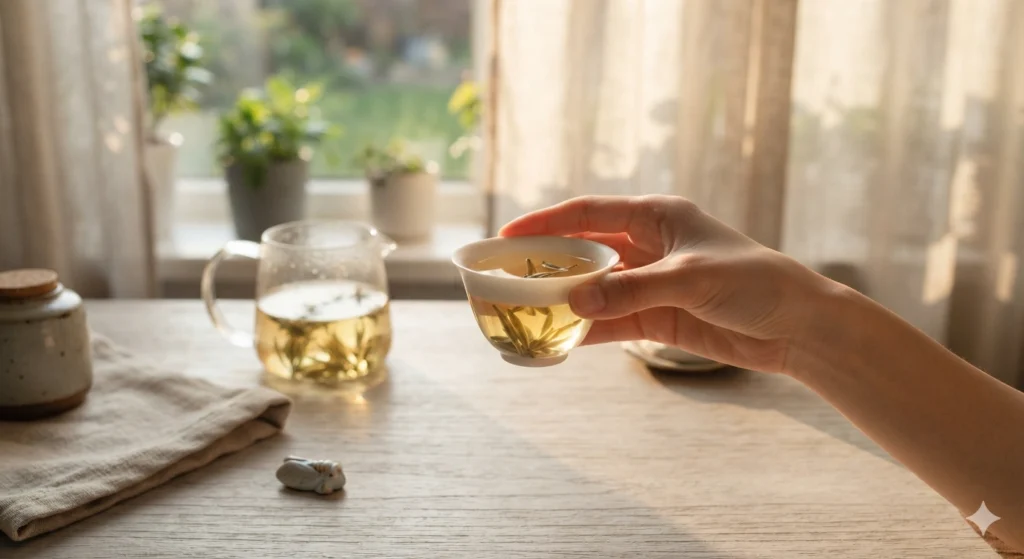
Choosing Silver Needle is not only about finding the most expensive tea. A good Silver Needle should reflect the qualities that define this style: freshness, purity, careful processing, and a naturally sweet character.
Because Silver Needle has almost no processing to hide imperfections, the quality of the raw material matters greatly. A few simple observations can help you identify a better tea.
Appearance Of The Buds
High-quality Silver Needle should have whole, plump buds covered with a visible layer of fine silver-white hairs.
The buds should look:
- Long and intact
- Uniform in size
- Naturally silvery rather than dull gray
- Clean without excessive broken pieces or dust
The white hairs are not decoration. They are a natural protective layer from the young tea buds and one of the characteristics that give Silver Needle its name.
Be careful with tea that looks overly white or artificially bright. Good Silver Needle has a natural appearance, not a polished one.
Aroma Of Dry Silver Needle
The aroma of dry Silver Needle should be gentle but clear.
A good tea often carries notes such as:
- Fresh hay
- Spring flowers
- Light honey sweetness
- Clean vegetal freshness
The fragrance should feel natural and soft. Silver Needle is not supposed to have a strong perfume-like aroma.
Avoid teas with:
- Musty smells
- Artificial floral scents
- Damp storage odors
- Flat or lifeless aromas
Because Silver Needle is minimally processed, unpleasant smells are usually signs of poor storage or processing problems.
Flavor And Aftertaste
A good Silver Needle should feel smooth from the first sip.
The flavor is usually:
- Light but not empty
- Sweet without added flavors
- Floral without being overwhelming
- Clean with a lingering finish
The sweetness of Silver Needle often appears after swallowing rather than immediately on the tongue. This delayed sweetness, known among tea drinkers as hui gan, is one of the reasons people appreciate high-quality white tea.
A lower-quality Silver Needle may taste thin, watery, or slightly rough. The problem is not that the flavor is delicate. The problem is that the tea lacks depth.
Wet Leaf Quality
After brewing, look at the opened buds.
High-quality Silver Needle should:
- Expand naturally
- Remain whole and flexible
- Have a fresh green or pale yellow appearance
The buds should not appear:
- Broken into small pieces
- Dark and lifeless
- Unevenly processed
The wet leaves reveal the care taken during harvesting and production.
Fresh Silver Needle vs Aged Silver Needle
One of the unique aspects of white tea is its ability to change with time.
Silver Needle can be enjoyed both fresh and aged, but they offer completely different experiences.
| Type | Character |
|---|---|
| Fresh Silver Needle | Floral, light, sweet, refreshing |
| Aged Silver Needle | Deeper, warmer, fruitier, smoother |
Fresh Silver Needle highlights the purity of the spring buds. The flavor is delicate, with notes of flowers, honey, and fresh hay.
Aged Silver Needle develops a richer personality. After years of careful storage, the tea can develop flavors similar to dried fruit, herbs, wood, and honey.
Neither style is automatically better.
Fresh Silver Needle is about elegance and brightness.
Aged Silver Needle is about maturity and depth.
For beginners, fresh Silver Needle is usually the better starting point because it clearly shows the natural character of the tea.
Silver Needle Tea Storage Guide
Proper storage is essential if you want Silver Needle to maintain its quality.
White tea is sometimes called a tea that “gets better with age,” but aging only works when the storage environment is suitable.
Keep Silver Needle:
- Away from direct sunlight
- Away from strong odors
- In a dry environment
- In an airtight container
Avoid storing it near:
- Coffee
- Spices
- Perfumes
- Humid areas
Tea leaves absorb surrounding aromas easily. Poor storage can damage even excellent tea.
For fresh Silver Needle, the goal is preservation: keeping the floral sweetness and freshness intact.
For aged Silver Needle, controlled aging requires patience and stable conditions.
How Much Does Silver Needle Tea Cost?
Silver Needle prices vary widely depending on origin, harvest quality, and processing.
A general guide:
| Price Range (per 50g) | Quality Level |
|---|---|
| $20–$40 | Entry-level Silver Needle, often less selective buds |
| $40–$100 | Good quality daily Silver Needle |
| $100+ | Premium harvests, famous origins, or aged teas |
The most expensive Silver Needle is not always the best choice.
For most tea drinkers, the $40–$100 range offers the best balance between quality and value. At this level, you can find tea that clearly expresses the elegance of white tea without paying mainly for rarity.
Premium Silver Needle is better suited for experienced drinkers who appreciate subtle differences in origin, harvest timing, and aging.
Best Silver Needle Tea For Different Drinkers
Different drinkers look for different things in Silver Needle.
Best Silver Needle For Beginners
Choose:
- Fresh Fuding Silver Needle
- Spring harvest
- Moderate price range
This style offers the classic Silver Needle experience: soft sweetness, floral aroma, and a clean finish.
Avoid starting with extremely expensive aged teas. Their complexity can be difficult to appreciate without understanding the basic character of fresh white tea.
Best Silver Needle For Green Tea Drinkers
If you enjoy green tea but want something softer, Silver Needle is an excellent transition.
Compared with green tea, Silver Needle has:
- Less vegetal sharpness
- More natural sweetness
- A smoother texture
- A quieter finish
It keeps the freshness of lightly processed tea but removes much of the grassy intensity.
Best Silver Needle For Oolong Drinkers
Oolong drinkers often appreciate Silver Needle for a different reason.
Unlike roasted oolong, Silver Needle does not rely on fire or oxidation for complexity. Its character comes from:
- The quality of the buds
- The growing environment
- The natural sweetness of the leaf
It is a completely different expression of craftsmanship.
Common Silver Needle Buying Mistakes
Choosing Only By Appearance
Many people assume the whitest or fluffiest buds are always the best.
Appearance matters, but it is only one factor. Origin, harvest season, and processing quality are equally important.
Buying The Cheapest Option
Silver Needle requires careful harvesting. Extremely cheap Silver Needle is often made from lower-grade material or mixed with other white tea leaves.
A lower price does not always mean bad tea, but unusually cheap prices should be approached carefully.
Assuming Expensive Means Better
Price reflects many things:
- Origin
- Harvest conditions
- Brand reputation
- Storage time
But the best tea is the one that matches your preference.
A beautiful fresh Silver Needle may be more enjoyable than a rare aged tea simply because it suits your taste better.
Ignoring Storage Information
Even excellent Silver Needle can lose quality if stored incorrectly.
A trustworthy seller should be able to explain:
- Harvest year
- Origin
- Storage conditions
- Processing method
Transparency matters.
Our Silver Needle Selection At Tea Passage
At Tea Passage, we approach Silver Needle with a simple idea: the best white tea should feel natural.
We look for Silver Needle with:
- Clear origin information
- Carefully selected spring buds
- Clean and gentle processing
- A smooth, naturally sweet finish
We are not interested in selling tea only because it is rare or expensive. We choose teas that create a meaningful drinking experience.
Silver Needle is a quiet tea. It does not rely on intensity. It does not need heavy roasting or strong aromas to make an impression.
Its beauty comes from simplicity.
A cup of Silver Needle is a reminder that sometimes the most refined things are also the most understated.
Frequently Asked Questions
What is Silver Needle tea?
Silver Needle, or Bai Hao Yinzhen, is a premium Chinese white tea made entirely from unopened tea buds. It is known for its delicate flavor, silver appearance, and gentle sweetness.
Why is Silver Needle tea expensive?
Silver Needle is expensive because it uses only young tea buds harvested during a short spring period. Each bud is hand-picked and requires careful processing.
Is Silver Needle better than Bai Mudan?
Not necessarily. Silver Needle is more delicate and refined, while Bai Mudan has a fuller body and more complex flavor. The better choice depends on personal preference.
What does Silver Needle tea taste like?
Silver Needle has a soft, floral, and naturally sweet flavor with notes of honey, fresh hay, melon, and a clean mineral finish.
How do you brew Silver Needle tea?
For Gongfu brewing, use around 5 grams of tea with water at 85°C–90°C. Steep the first infusion for about 20–30 seconds and increase gradually.
Can Silver Needle tea be aged?
Yes. Properly stored Silver Needle can develop deeper flavors over time, including dried fruit, wood, and honey-like sweetness.
Is Silver Needle good for beginners?
Yes, especially for people who enjoy gentle and subtle flavors. Beginners who prefer stronger teas may find Bai Mudan easier to start with.
Silver Needle represents one of the purest expressions of Chinese white tea. From the misty mountains of Fujian to the quiet moment when the first sip reaches the palate, it reflects patience, simplicity, and careful craftsmanship.
At Tea Passage, we select Silver Needle not because it is the most expensive white tea, but because it captures the beauty of doing less and letting the tea speak for itself.