If you have never tried oolong tea before, one of the first questions you may have is simple: what does oolong tea actually taste like?
The answer is that oolong tea does not have one single flavor. Unlike green tea or black tea, which often have more recognizable profiles, oolong covers an incredibly wide range of tastes — from light floral and creamy notes to deep roasted and mineral flavors.
This variety is what makes oolong tea one of the most interesting categories in Chinese tea.
What Does Oolong Tea Taste Like?
Oolong tea can taste floral, creamy, fruity, roasted, nutty, or mineral, depending on the style and production method.
A lightly oxidized oolong may remind you of fresh flowers, orchids, cream, and spring air. A darker roasted oolong can bring flavors of toasted nuts, caramel, cocoa, and warm wood.
Some high-quality oolongs also have a unique lingering sweetness after each sip, often called a “sweet finish” or aftertaste.
The important thing to understand is that oolong tea is a flavor spectrum rather than one fixed taste. Two oolong teas can taste completely different even though they belong to the same category.
Why Does Oolong Tea Have So Many Different Flavors?
The wide range of oolong flavors comes from how the tea is processed.
Unlike green tea, which is quickly heated to stop oxidation, or black tea, which is fully oxidized, oolong tea is partially oxidized.
Tea makers carefully control:
- oxidation level
- roasting process
- tea-growing region
- leaf style
- brewing method
A lightly oxidized oolong keeps more fresh floral characteristics, while a more oxidized or roasted oolong develops deeper flavors like toasted grains, dried fruit, and mineral notes.
This careful balance between freshness and depth is what makes oolong tea unique.
Light Oolong vs Dark Oolong: Flavor Differences
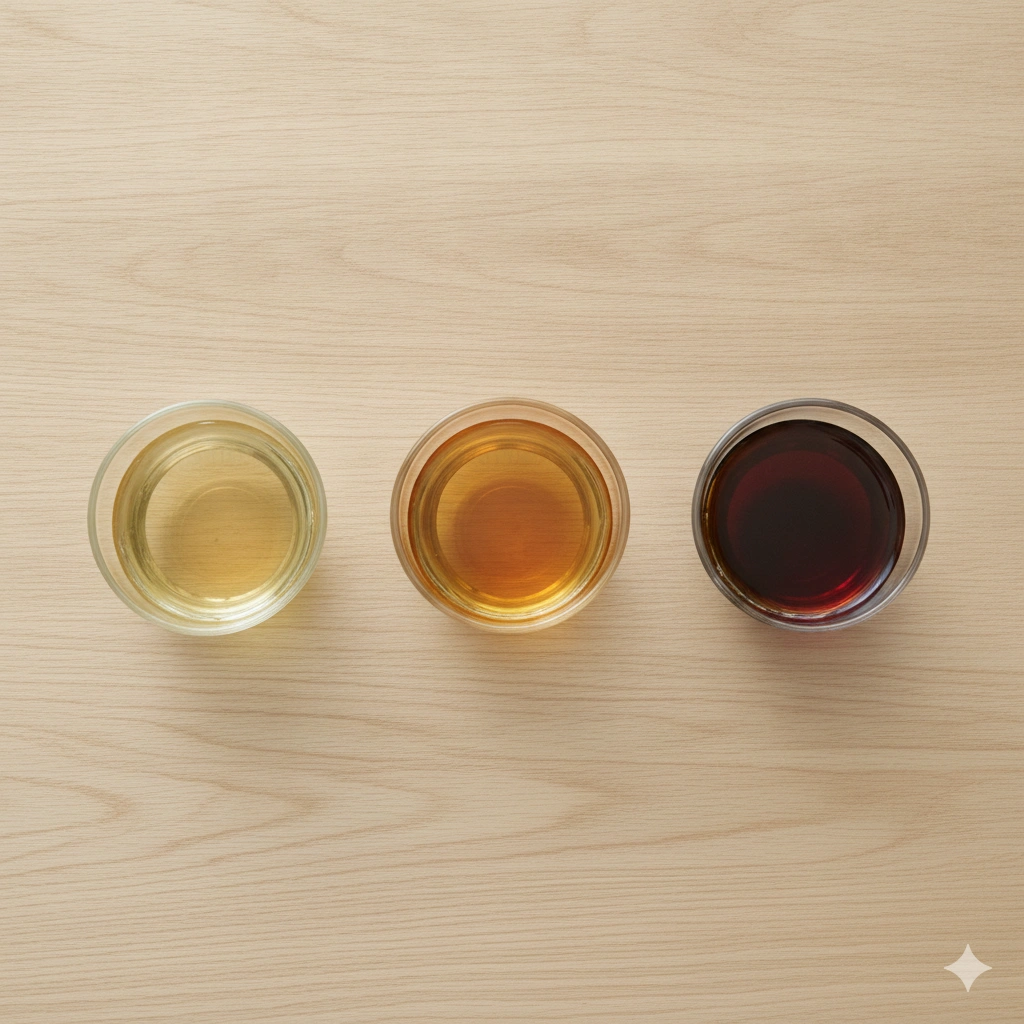
A simple way to understand oolong is to look at the difference between lighter and darker styles.
| Oolong Type | Flavor Profile |
|---|---|
| Light Oolong | Floral, fresh, creamy, delicate sweetness |
| Medium Oolong | Fruity, balanced, honey-like, slightly nutty |
| Dark Roasted Oolong | Roasted, woody, mineral-rich, deeper body |
Light oolongs are often brighter and more refreshing, making them popular among beginners.
Dark roasted oolongs feel warmer and richer, with more depth and complexity.
What Does Tie Guan Yin Taste Like?
Tie Guan Yin (Iron Goddess of Mercy) is one of the most famous Chinese oolong teas and is often recommended for beginners.
A modern lightly oxidized Tie Guan Yin usually has:
- orchid-like floral aroma
- creamy texture
- fresh sweetness
- clean and smooth finish
When brewed properly, the tightly rolled leaves slowly open and release a soft floral fragrance.
Compared with darker oolongs, Tie Guan Yin feels lighter, fresher, and more elegant — making it a great introduction to the world of oolong tea.
What Does Da Hong Pao Taste Like?
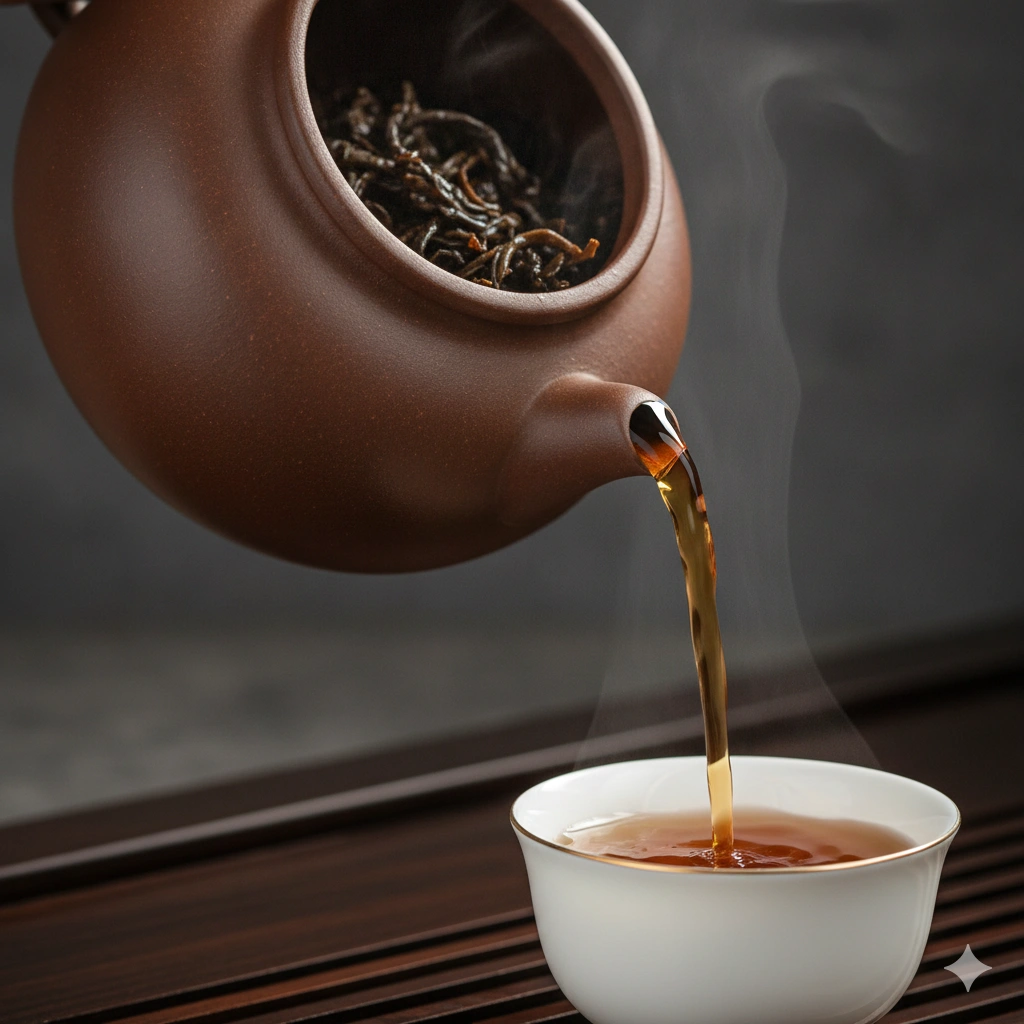
Da Hong Pao, also known as Big Red Robe, represents a completely different side of oolong tea.
Produced in the Wuyi Mountains of China, traditional Da Hong Pao is known for its roasted character and deep flavor.
A well-made Da Hong Pao may have notes of:
- roasted nuts
- dark cocoa
- toasted grains
- dried fruit
- mineral sweetness
The defining feature is often its rocky mineral character, known in Chinese tea culture as yan yun or “rock rhyme.”
Unlike a bitter or harsh tea, a good Da Hong Pao feels smooth, warm, and layered, with a long-lasting sweetness after each sip.
Is Oolong Tea Bitter?
Many beginners worry that oolong tea might taste bitter.
The answer is: high-quality oolong tea should not taste aggressively bitter when brewed correctly.
Bitterness usually comes from:
- steeping too long
- using unsuitable water temperature
- low-quality tea leaves
A carefully brewed oolong should feel balanced, aromatic, and smooth.
For example, a short Gongfu-style infusion of Tie Guan Yin will create a completely different experience from over-steeping the same leaves for several minutes.
Oolong Tea Taste Compared With Green Tea and Black Tea
| Tea Type | Taste Profile |
|---|---|
| Green Tea | Fresh, grassy, vegetal, sometimes nutty |
| Oolong Tea | Floral, creamy, fruity, roasted, mineral |
| Black Tea | Bold, malty, rich, sometimes astringent |
Green tea usually focuses on freshness and brightness.
Black tea is known for stronger, deeper flavors.
Oolong sits between them but also goes beyond them, offering one of the widest flavor ranges in the tea world.
Our Tea Experience: Tasting Da Hong Pao at Tea Passage
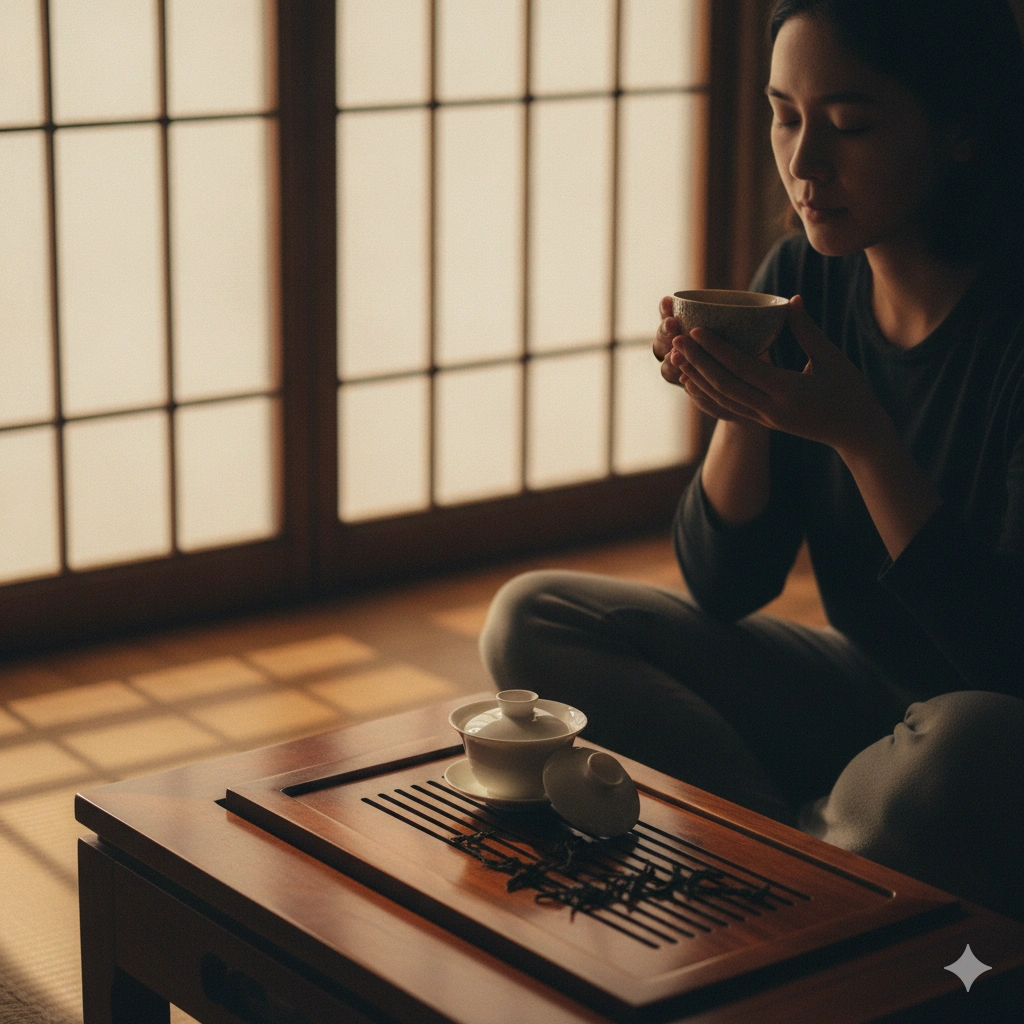
At Tea Passage, one of the most memorable oolong experiences comes from tasting traditional Da Hong Pao.
Compared with lighter oolongs like Tie Guan Yin, Da Hong Pao immediately shows a different personality. Before drinking, the dry leaves already carry a warm roasted aroma. After brewing, the tea develops deeper notes of toasted nuts, wood, and a subtle mineral character.
What stands out most is the balance.
A good Da Hong Pao is not simply “strong” or “dark.” It has warmth, depth, and a long aftertaste that gradually develops after each sip.
For us, this is one of the reasons oolong tea is so fascinating. The experience is not only about the flavor in the cup — it is also about how the tea changes as you slow down and pay attention.
At Tea Passage, we believe exploring oolong is about discovering different personalities within the same tea category, from bright floral teas to deep roasted mountain teas.
Frequently Asked Questions (FAQs)
Many oolong teas have a natural sweetness, especially high-quality Tie Guan Yin and lightly roasted varieties. This sweetness comes from the tea itself, not added sugar.
Some darker roasted oolongs share roasted and rich notes with black tea, but oolong usually has a wider range of flavors, including floral and mineral characteristics.
Good-quality oolong tea is usually smooth rather than bitter. Brewing time and temperature have a major impact on the final taste.
Tie Guan Yin is one of the most beginner-friendly oolongs because of its floral aroma, creamy texture, and gentle sweetness. Darker oolongs like Da Hong Pao are ideal for those who enjoy deeper roasted flavors.