Dahongpao tea, also known as Big Red Robe, is one of the most famous oolong teas in China. It comes from the Wuyi Mountains in Fujian Province, a region known for dramatic cliffs, rocky landscapes, and tea with a distinctive mineral character.
For many tea drinkers, Dahongpao represents the deeper side of oolong tea. It is not light and floral like some green oolongs. Instead, it offers warmth, roasted aromas, a smooth body, and a lingering sweetness that develops through multiple infusions.
But Dahongpao is more than just a famous name. Behind its reputation is a unique growing environment, a centuries-old story, and a traditional roasting process that creates one of China’s most recognizable teas.
What Is Dahongpao Tea?
Dahongpao is a type of Wuyi rock oolong tea, known in Chinese as Yancha (岩茶). It is a partially oxidized tea, placing it between green tea and black tea in terms of processing.
Unlike lightly oxidized oolongs that focus on fresh floral aromas, Dahongpao is known for its roasted, rich, and mineral character. The tea leaves undergo traditional processing that includes withering, oxidation, shaping, and repeated roasting. This roasting process creates the deep flavors that define Wuyi rock tea.
The name Dahongpao (大红袍) translates to “Big Red Robe.” According to a famous legend from the Ming Dynasty, a scholar became seriously ill while traveling to take the imperial examination. A monk gave him tea from a special tea bush growing on Wuyi Mountain, and after drinking it, he recovered.
The scholar later passed the examination and returned to thank the monk. As a sign of gratitude, he placed his red robe over the tea bushes that had helped him recover. From that story, the tea became known as Dahongpao.
Whether the legend is historical or symbolic, the story reflects the special status this tea has held in Chinese culture for centuries.
Where Does Dahongpao Tea Come From?
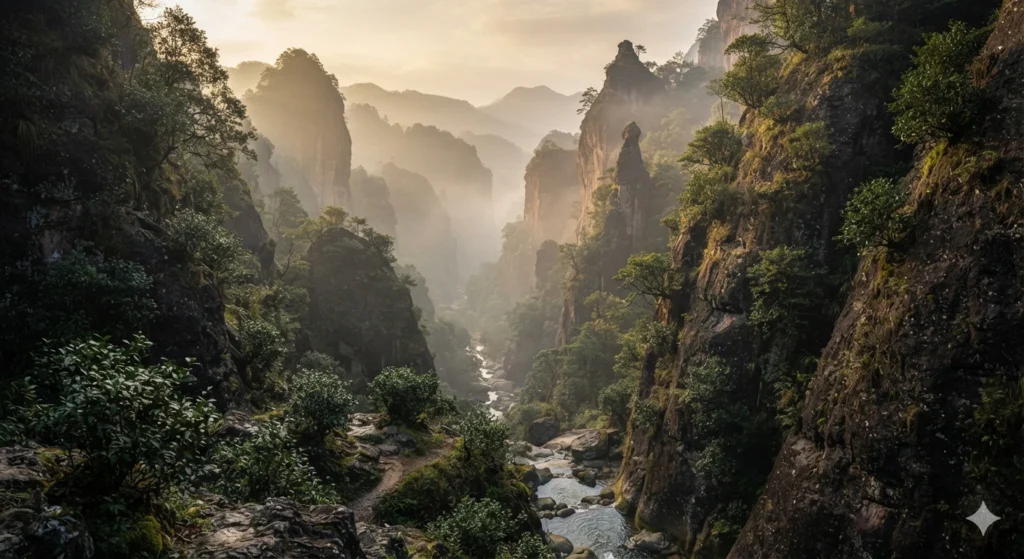
Dahongpao comes from the Wuyi Mountains in northern Fujian, China. This region is famous for producing some of the world’s most respected rock oolong teas.
The environment of Wuyi Mountain plays an important role in the tea’s character. Unlike flat tea-growing regions, Wuyi is a landscape of:
- Rocky cliffs
- Mineral-rich soil
- Misty valleys
- Cool mountain air
- Limited growing areas
Tea bushes grow between rocks and along narrow mountain paths. This unique environment contributes to a quality known as yan yun (岩韵), often translated as “rock rhyme.”
Yan yun is not a single flavor. It is a combination of mineral depth, texture, and a lingering sensation that appears after drinking. It is one of the qualities that makes Wuyi rock teas different from other oolongs.
The famous original Dahongpao mother trees still grow on a cliff in Wuyi Mountain. These ancient bushes are considered cultural treasures, and the tea produced from them is extremely rare and not commercially available.
Modern Dahongpao on the market usually comes from carefully cultivated descendants of these original trees or from carefully crafted blends of Wuyi rock teas made in the traditional Dahongpao style.
Why Is Dahongpao Tea Famous?
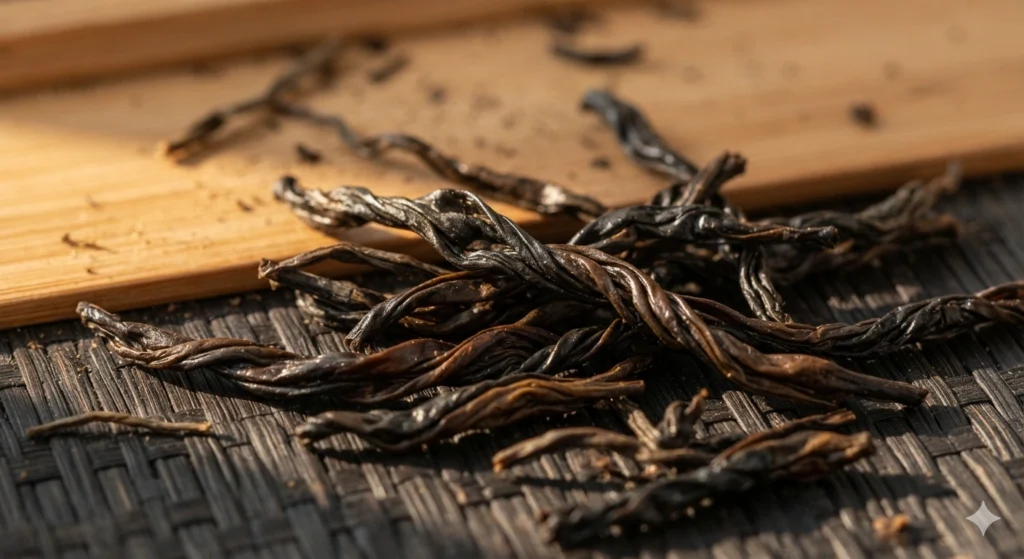
Dahongpao became famous because of three things: history, craftsmanship, and flavor.
Its history gives the tea a legendary status. The story of the scholar and the red robe has been passed down for generations, making Dahongpao one of the most recognizable names in Chinese tea culture.
But history alone does not explain its popularity. The real reason people continue to seek out Dahongpao is the tea itself.
The flavor comes from a demanding production process. Traditional Dahongpao requires careful roasting, sometimes repeated over many months. Skilled tea makers adjust the heat and timing to develop layers of flavor without overwhelming the natural character of the leaves.
A well-made Dahongpao can reveal notes of:
- Roasted nuts
- Dark fruit
- Cocoa
- Warm minerals
- Subtle sweetness
The result is a tea that feels deep and comforting rather than bright and refreshing. It is a tea that invites slow drinking and attention.
What Does Dahongpao Tea Taste Like?
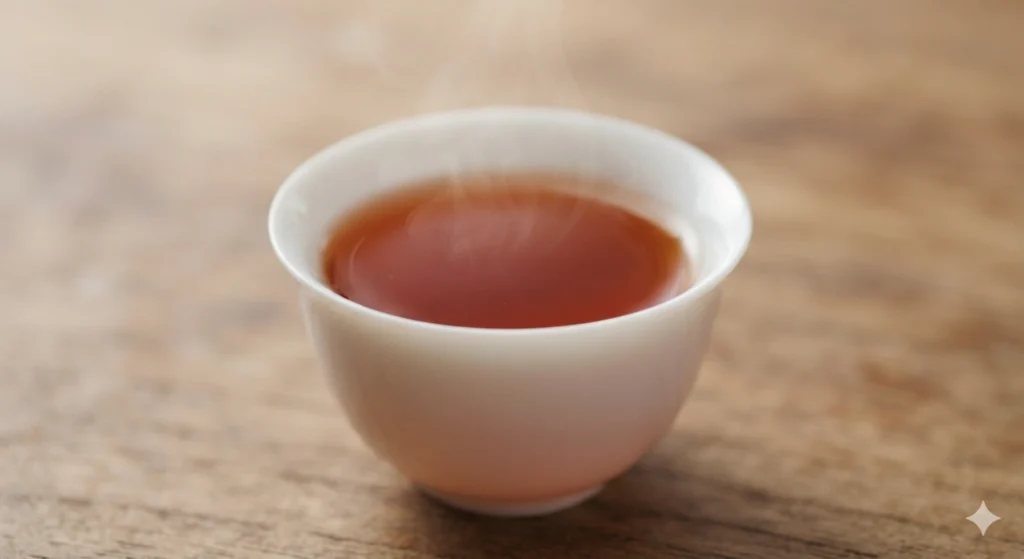
Dahongpao has a flavor profile that is very different from lighter oolong teas.
The first impression is usually roasted and warm. Many drinkers notice aromas similar to toasted nuts, roasted grains, or dark chocolate.
Behind the roasted character is a gentle sweetness. Good Dahongpao should not taste burnt or harsh. The roasting adds depth while keeping the tea smooth and balanced.
| Character | Description |
|---|---|
| Aroma | Roasted nuts, cocoa, dark fruit, warm stone |
| Taste | Rich, smooth, slightly sweet, mineral |
| Body | Full, warming, and coating |
| Finish | Long-lasting sweetness with mineral depth |
One of Dahongpao’s most enjoyable qualities is how it changes during brewing.
The first infusion often highlights the roasted aroma. Later infusions become softer, sweeter, and more mineral, revealing different layers of the tea.
This gradual transformation is part of what makes Wuyi rock tea so interesting. It is not just a drink; it is an experience that unfolds over time.
Is Dahongpao Green Tea Or Black Tea?
Dahongpao is neither green tea nor black tea. It is an oolong tea.
The difference comes from oxidation:
- Green tea is not oxidized, resulting in fresh and vegetal flavors.
- Black tea is fully oxidized, creating stronger, darker flavors.
- Oolong tea is partially oxidized, creating a wide range of flavors between the two.
Dahongpao sits on the darker side of the oolong spectrum. Its oxidation level and roasting give it the richness often associated with black tea, while still maintaining the complexity and layered character of oolong.
If you enjoy black tea but want something more nuanced, Dahongpao can be an interesting transition. It offers depth without the heaviness of many fully oxidized teas.
Dahongpao Tea Compared With Other Oolong Teas
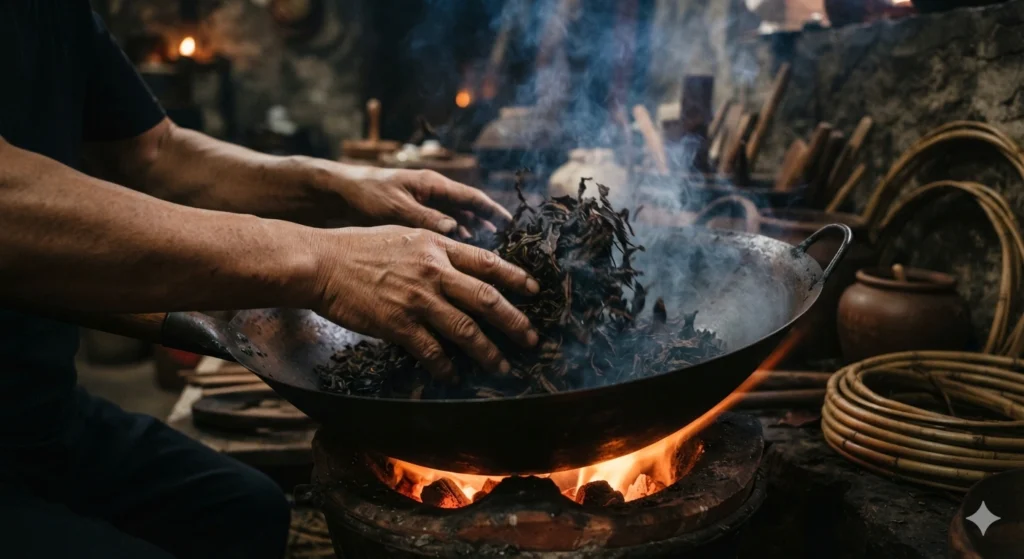
Oolong tea covers a wide range of styles. Dahongpao represents the roasted, deeper side of the category.
| Tea | Flavor Character |
|---|---|
| Dahongpao | Roasted, mineral, deep, warming |
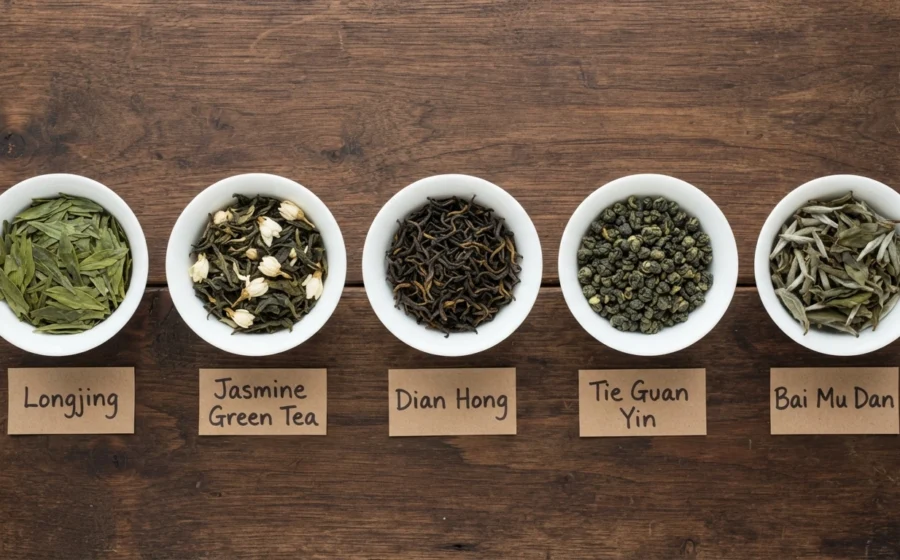
| Tie Guan Yin | Floral, creamy, fresh |
| Phoenix Dancong | Aromatic, fruity, complex |
| Oriental Beauty | Honey-like, sweet, smooth |
Compared with Tie Guan Yin, Dahongpao feels darker and more grounding. Tie Guan Yin focuses on fresh floral notes, while Dahongpao focuses on roasted depth.
Compared with Phoenix Dancong, Dahongpao is less about intense fragrance and more about texture, warmth, and mineral complexity.
If you enjoy flavors like roasted nuts, dark chocolate, coffee, or aged spirits, Dahongpao may naturally appeal to you.
Is Dahongpao Tea Good For Beginners?
Dahongpao can be an excellent tea for beginners, but it depends on what kind of flavors you already enjoy.
Unlike light green teas or floral oolongs, Dahongpao has a stronger personality. Its roasted aroma, mineral depth, and fuller body make it feel closer to a warm, slow-drinking experience.
You may enjoy Dahongpao if you like:
- Coffee but want a smoother tea experience
- Roasted nuts or dark chocolate flavors
- Rich, warming drinks
- Teas with a long aftertaste
Many coffee drinkers find Dahongpao approachable because the roasted character feels familiar. It has the depth and warmth of roasted flavors without the bitterness that some people associate with coffee.
However, if you prefer very fresh, light, and floral teas, Dahongpao may feel too heavy at first. In that case, starting with a lighter oolong such as Tie Guan Yin or a green tea like Longjing may be easier.
Dahongpao is often a tea that people grow into. The more you drink it, the more you notice the subtle differences in roast, texture, and mineral character.
How To Brew Dahongpao Tea
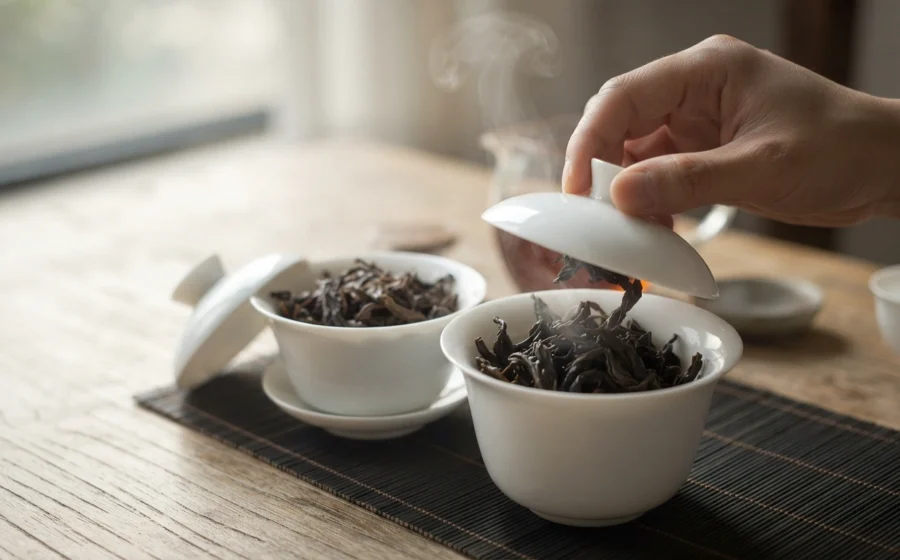
Dahongpao is traditionally brewed using the Gongfu tea method, which uses a small vessel, a higher amount of leaves, and multiple short infusions.
This method works especially well because it allows the roasted flavors and mineral notes to develop gradually.
Recommended Brewing Parameters
| Parameter | Recommendation |
|---|---|
| Tea Amount | 5–7 grams |
| Water Temperature | 95°C–100°C (203°F–212°F) |
| Vessel Size | 100–120 ml gaiwan or small teapot |
| First Infusion | 10–15 seconds |
| Later Infusions | Increase gradually |
Start by warming your gaiwan or teapot with hot water. Add the leaves, then pour in near-boiling water.
The first infusion is usually short. This allows the tea to release its aroma without extracting too much bitterness.
As you continue brewing, increase the steeping time slightly. Good Dahongpao can easily produce 6 to 10 enjoyable infusions, with each steep revealing something different.
Early infusions often highlight:
- Roasted aromas
- Toasted flavors
- Mineral character
Later infusions usually become:
- Softer
- Sweeter
- Smoother
The changing character across multiple cups is one of the reasons Wuyi rock tea is so appreciated.
Why Is Dahongpao Tea Expensive?
Dahongpao has a reputation for being an expensive tea, but the reasons are more complicated than simply rarity.
Several factors influence its price:
1. Limited Growing Region
Authentic Wuyi rock tea comes from a very small geographical area. The mountains, soil, and climate cannot be easily replicated elsewhere.
Limited production combined with high demand naturally increases value.
2. Traditional Processing
Making high-quality Dahongpao requires experience and patience.
The roasting process is especially important. Skilled tea makers carefully control temperature, timing, and repetition to develop the right balance between aroma and depth.
A poorly roasted tea can taste flat or overly smoky. A well-made Dahongpao feels smooth, layered, and balanced.
3. Reputation And History
Dahongpao has centuries of cultural importance in China. Its connection to Wuyi Mountain, historical legends, and traditional craftsmanship all contribute to its reputation.
However, expensive does not always mean better.
For most tea drinkers, a well-made daily-quality Dahongpao offers a much better experience than chasing extremely rare or expensive versions.
How To Choose Good Dahongpao Tea
When buying Dahongpao, focus on quality rather than price or reputation alone.
Here are a few things to look for:
Clear Origin Information
A trustworthy seller should explain:
- Where the tea was grown
- Harvest season
- Processing style
- Roast level
Avoid teas with vague descriptions or exaggerated claims.
Balanced Roasting
Good Dahongpao should smell roasted but not burnt.
You should find aromas like:
- Toasted nuts
- Cocoa
- Warm wood
- Sweet minerals
A smoky or charred smell can indicate overly aggressive roasting.
Smooth Taste
Quality Dahongpao should have:
- A full but smooth body
- Gentle sweetness
- A clean finish
- A lingering aftertaste
It should not feel harsh, bitter, or dry.
Buy Based On Your Preference
Different Dahongpao teas can have very different styles.
Some are:
- More heavily roasted
- More aromatic
- Softer and sweeter
- More mineral-driven
The “best” Dahongpao is not always the most expensive one. It is the one that matches your taste.
Dahongpao Tea vs Other Dark Teas
Some people compare Dahongpao with black tea or roasted teas because of its darker flavor profile.
| Tea | Main Character |
|---|---|
| Dahongpao | Roasted, mineral, layered |
| Black Tea | Malty, sweet, bold |
| Pu-erh | Earthy, aged, deep |
| Roasted Oolong | Toasty, smooth |
Dahongpao differs because its depth comes from both oxidation and roasting.
Black tea gets its richness mainly from full oxidation. Dahongpao develops complexity through a combination of partial oxidation, roasting, and the mineral environment of Wuyi Mountain.
This creates a flavor that feels deep but still elegant.
Our Experience With Dahongpao At Tea Passage
At Tea Passage, Dahongpao is the tea we reach for when we want something slower and more grounding.
It is not usually the first tea of a busy morning. Instead, it fits moments when the day becomes quieter — an afternoon break, a thoughtful conversation, or an evening spent reading.
The first thing we notice is the aroma. Before tasting, the cup already carries warmth: roasted nuts, gentle sweetness, and a subtle mineral character.
The flavor develops slowly. The first sip feels rich and comforting. Later infusions become softer, revealing more sweetness and depth.
What makes Dahongpao special is not only its history or reputation. It is the feeling it creates. It is a tea that encourages you to slow down and pay attention.
Frequently Asked Questions
What is Dahongpao tea?
Dahongpao, also called Big Red Robe, is a famous Wuyi rock oolong tea from Fujian, China. It is known for its roasted aroma, mineral character, and rich flavor.
Is Dahongpao green tea or black tea?
No. Dahongpao is an oolong tea. It is partially oxidized, placing it between green tea and black tea.
What does Dahongpao tea taste like?
Dahongpao tastes roasted, smooth, and mineral-rich, with notes of toasted nuts, cocoa, dark fruit, and a sweet lingering finish.
Why is Dahon expensive?
Some Dahongpao teas are expensive because of limited production and skilled craftsmanship. However, good daily-quality Dahongpao can still be affordable.
Is Dahongpao good for beginners?
Yes. It is especially suitable for people who enjoy roasted flavors, coffee, or richer teas. Beginners who prefer lighter floral teas may prefer a softer oolong first.
Dahongpao is a tea shaped by stone, fire, and time. Its story explains why people admire it, but its flavor explains why people continue drinking it.
At Tea Passage, we select Dahongpao for the qualities that matter most: balanced roasting, clear mineral character, smooth texture, and a finish that invites another cup.