Quick Answer
Da Hong Pao can be expensive for several reasons, including its Wuyi growing area, limited high-quality production, selective leaf material, complex craftsmanship, grading, cultivar, reputation, and market demand. The most prestigious Zhengyan production areas are relatively small, which limits the supply of tea from those locations. At the same time, making high-quality Wuyi Rock Tea requires considerable skill, especially during roasting.
But expensive does not automatically mean better. Price can reflect scarcity, origin, craftsmanship, and reputation, while the actual value of a tea still comes down to what you experience in the cup.
The price of Da Hong Pao can be confusing. One package may cost only a few dollars, while another carrying the same name can cost several hundred. The difference is not usually one single thing. It comes from a long chain of factors, from where the tea was grown and what leaves were used to how it was processed, stored, and eventually valued by the market.
Understanding those factors makes the price difference much easier to understand.
Why Is Da Hong Pao So Expensive?
Several factors work together to determine the price of Da Hong Pao.
The first is growing area. Wuyi Rock Tea is closely associated with the Wuyi Mountains, and the core production area is relatively small. Within that area, some gardens and locations are considered especially prestigious. Tea from these places is limited by geography, which naturally makes it more expensive.
The second factor is raw material. Da Hong Pao is made using Wuyi Rock Tea cultivars, and tea production can involve selective picking and careful sorting. When fewer leaves are suitable for a particular style or quality level, the cost of the finished tea rises.
Then there is craftsmanship. Wuyi Rock Tea goes through several stages of processing, including withering, oxidation, shaping, and roasting. Roasting requires particular care because heat changes the aroma, texture, and overall balance of the finished tea. The 2026 national standard for Wuyi Rock Tea also defines processing parameters, including ranges for withering and kill-green temperatures and different roast levels.
Finally, there is reputation and demand.
Da Hong Pao has a long history and an unusually strong reputation in the Chinese tea market. That reputation creates demand, and when demand meets limited supply from prestigious areas, prices can rise considerably.
No single factor explains the price on its own. Origin, raw material, craftsmanship, scarcity, and reputation all interact.
Does Wuyi Origin Make Da Hong Pao More Expensive?
Yes, but it is more accurate to say that specific Wuyi growing areas influence price, rather than simply saying “Wuyi means expensive.”
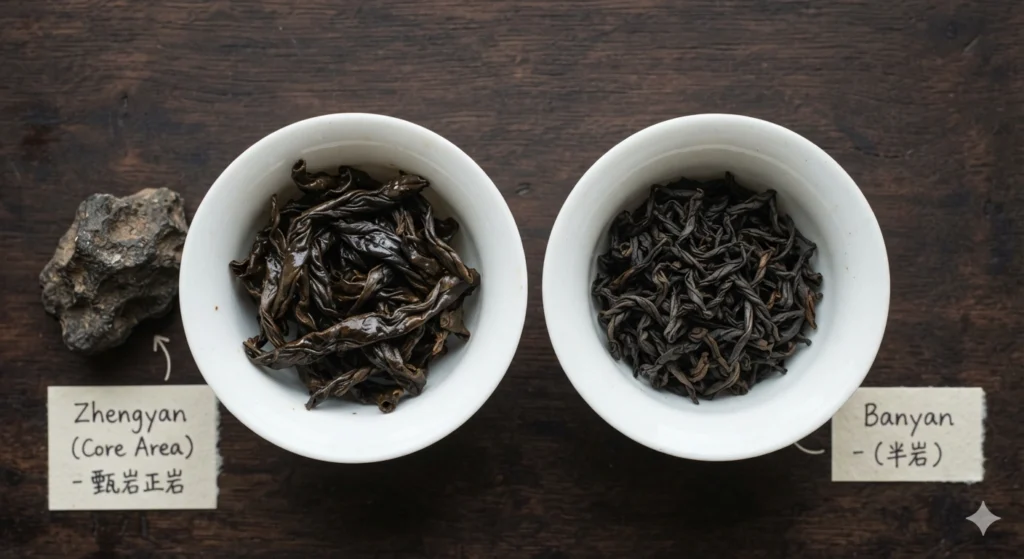
Wuyi Rock Tea is commonly discussed through different production areas, including Zhengyan (正岩), Banyan (半岩), and Zhoucha (洲茶).
Zhengyan refers to the core rock-tea area within the Wuyi region. Banyan describes surrounding areas, while Zhoucha refers to tea grown in flatter areas farther from the core landscape.
These distinctions matter because the growing environment, local reputation, and scarcity are all reflected in the market price.
Tea from the Zhengyan core area generally commands a higher premium than tea from Banyan areas, while Zhoucha tea is usually positioned lower.
However, origin is not a guarantee of quality.
A Zhengyan tea can be poorly processed or poorly stored. A carefully made Banyan tea can be excellent. The premium attached to Zhengyan reflects the value placed on that particular growing environment and its limited availability. It does not mean every tea from that area will taste better to every drinker.
Why Is Zhengyan Da Hong Pao More Expensive?
Two things help explain the higher price of Zhengyan Da Hong Pao: limited production and strong demand.
The Zhengyan production area is relatively small, and the most famous sub-zones within it are smaller still. Areas often discussed by Wuyi tea drinkers, such as the “three pits and two streams,” occupy only a fraction of the broader Zhengyan area.
One reported core garden measures only about 0.0467 square kilometers and produces around 1,500 kilograms of tea per year. That scale helps explain why tea from particularly prestigious gardens can command a significant premium.
There is also a strong reputation effect.
For many tea drinkers, Zhengyan represents the traditional heart of Wuyi Rock Tea. Famous gardens and locations carry their own history and prestige, and some buyers are willing to pay for that provenance.
But this is an important distinction:
You are not only paying for flavor. You may also be paying for location, scarcity, history, and reputation.
A well-made Banyan tea can still provide roasted depth, mineral character, and a satisfying finish without carrying the same Zhengyan premium.
Whether that premium feels worthwhile is ultimately a personal decision.
Does Da Hong Pao Have Limited Supply?
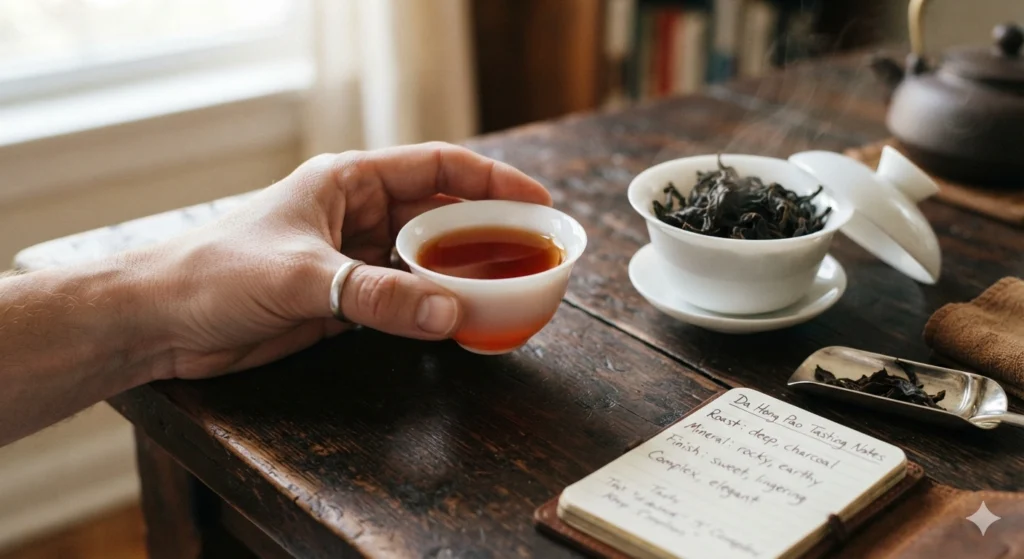
High-quality Da Hong Pao does have limited supply, but it is important to be precise about what is actually scarce.
The original mother trees are a good example.
The six historic mother-tree bushes in the Wuyi Mountains are protected and are not commercially harvested. Commercial harvesting was permanently banned in 2006. As a result, tea sold today should not be treated as though it comes directly from those original bushes.
Modern commercial Da Hong Pao is produced using propagated Wuyi Rock Tea cultivars and is defined as a blended tea under the national standard. That means the overall supply of Da Hong Pao is not limited in the same way as tea from a single surviving group of historic trees.
What is genuinely limited is high-quality Da Hong Pao from desirable growing areas, made with suitable leaf material and careful processing.
That distinction matters.
The scarcity is not simply in the name “Da Hong Pao.” It is in the combination of desirable origin, suitable raw material, skilled production, and high final quality.
How Does Processing Affect the Price of Da Hong Pao?
Processing is one of the biggest reasons two teas made from similar raw material can end up with very different prices.
Wuyi Rock Tea goes through a relatively involved production process. The leaves are withered, bruised to encourage oxidation, fixed, rolled, and then roasted.
Roasting is especially important.
Traditional roasting can require multiple sessions over an extended period, and the tea maker needs to judge how the leaves are responding rather than simply applying heat for a fixed amount of time. The 2026 national standard formalizes different roast categories and includes specific processing parameters.
This kind of work takes time and experience.
A mistake during roasting can change the balance of a finished tea or obscure the character of the leaves. Skilled roasting therefore adds both labor and value to the final product.
It is also important to remember that roasting is not the same as quality.
A darker roast is not automatically better, and a lighter roast is not automatically inferior. Roast level is a processing choice that changes the way the tea tastes.
A well-roasted Da Hong Pao should allow the roast to support the tea’s character rather than simply overwhelm it.
Does Grade Make Da Hong Pao More Expensive?
Grade can affect price, but it is only one part of the picture.
The Wuyi Rock Tea national standard divides Da Hong Pao into Special Grade, First Grade, and Second Grade. These classifications are based on sensory characteristics across areas such as leaf shape, integrity, cleanliness, color, aroma, taste, liquor color, and infused leaf quality.
Higher grades often cost more because they must meet more demanding sensory requirements and may involve more selective raw material.
However, grade should not be confused with overall market value.
A Special Grade tea from a less prestigious growing area may cost less than a First Grade tea from a highly sought-after Zhengyan garden. Similarly, a higher-grade tea may not be the one you personally enjoy most.
Grade tells you how the tea was classified. It does not tell you how much you will enjoy drinking it.
For a closer look at this topic, see our Da Hong Pao Tea Grades Explained article.
Does the Cultivar Affect Da Hong Pao Price?
Cultivar and plant material can influence price, although the relationship is not simple.
Da Hong Pao is a blended tea made from multiple Wuyi Rock Tea cultivars. The cultivars used in the blend can influence the aroma, texture, and overall character of the finished tea, and some varieties are more sought after than others.
Rou Gui, for example, is well known for its distinctive cinnamon-like aroma. Shui Xian is another important Wuyi cultivar and is often associated with a smoother, more mellow character.
The age and condition of the tea bushes can also affect how a tea is valued. Older, established bushes may attract a premium because of their history and perceived character, but age by itself does not guarantee better tea.
A younger, well-tended bush can produce excellent leaves. An older bush that is poorly managed can still produce a disappointing tea.
Claims involving famous mother trees or historical trees deserve particular caution. The original mother trees are protected and are not part of normal commercial harvesting.
Is Older Da Hong Pao More Expensive?
Not necessarily.
Some Wuyi Rock Teas can develop different characteristics through careful storage and resting, and aged rock tea has become a recognized category within the developing standards for the style. The 2026 national standard also provides a framework that allows producers to establish shelf life according to product type and storage conditions.
But age alone does not create value.
A tea that has been stored poorly can lose aroma and sweetness even after many years. A well-stored tea may develop greater depth and complexity, but the result depends on the original tea, storage conditions, and the preferences of the person drinking it.
So when you see an older Da Hong Pao carrying a higher price, do not assume that age is the reason it is better.
Age is one factor. It is not the whole story.
Why Do Some Da Hong Pao Teas Cost Much More Than Others?
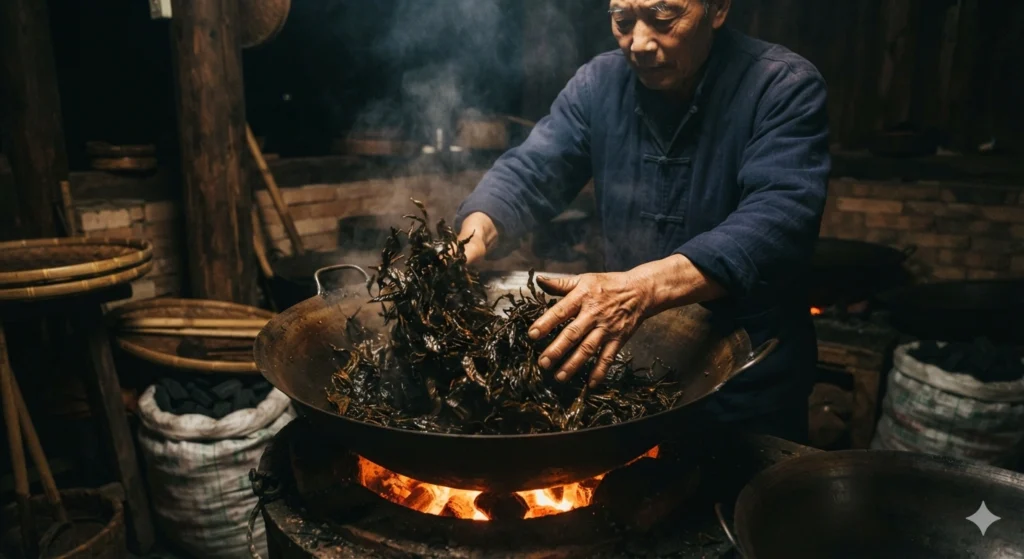
The price difference between two Da Hong Pao teas can be surprisingly large, even when both are simply labeled “Da Hong Pao.”
Usually, several factors are responsible.
| Factor | Lower Price | Higher Price |
|---|---|---|
| Origin | Banyan or Zhoucha area | Zhengyan core area or famous gardens |
| Leaf Material | Less selective material | More selective material |
| Production | Faster or more standardized processing | More labor-intensive traditional processing |
| Grade | First or Second Grade | Special Grade |
| Scarcity | More widely available | Limited production from prestigious areas |
| Reputation | General market positioning | Famous producer, garden, or provenance |
A tea can be expensive because of one factor or because several of them come together.
For example, a Da Hong Pao from a prestigious Zhengyan location, made with carefully selected material and traditional roasting, will naturally occupy a different price category from a more widely available Banyan tea.
The difficult part for buyers is that not every part of that value is visible in the cup.
Some of what you pay for is tangible: better raw material, careful processing, or limited production. Some of it comes from reputation and provenance.
That does not make the latter meaningless. It simply means you should know what you are paying for.
Is Expensive Da Hong Pao Actually Better?
Not necessarily.
This is perhaps the most important thing to understand about Da Hong Pao pricing.
A more expensive tea may come from a more prestigious growing area, use more selective material, involve more careful roasting, or have a reputation that makes it highly sought after. Those are real forms of value.
But market value and personal enjoyment are not the same thing.
A drinker who prefers a lighter roast may enjoy a moderately priced tea more than a heavily roasted Special Grade tea. Someone who values a smooth, approachable cup may prefer a well-made Banyan tea over a more expensive Zhengyan tea with a stronger and more demanding character.
Storage also matters.
An expensive tea that has been exposed to moisture or strong odors can lose the aroma and sweetness that justified its original price. Meanwhile, a more affordable tea that has been stored carefully may remain expressive and enjoyable.
Brewing can make another difference.
Even an excellent Da Hong Pao will not show its full character if the water, leaf quantity, or steeping time are poorly matched to the tea.
The price tag tells you what the market is asking.
The cup tells you what you are actually getting.
How Much Should You Spend on Da Hong Pao?
There is no single price that makes a Da Hong Pao worth buying. The right amount depends on what you want from the tea.
For beginners, a well-made Banyan Da Hong Pao at a moderate price can be a good starting point. It lets you experience the roasted character, mineral structure, and lingering finish of Wuyi Rock Tea without immediately paying for the prestige of a famous Zhengyan garden.
For regular drinkers, a good Banyan or blended Da Hong Pao can offer an attractive balance of quality and value. A tea you enjoy often does not need to be reserved for special occasions.
For enthusiasts, exploring Zhengyan Da Hong Pao can be worthwhile. The growing environment, craftsmanship, and variation between locations can make these teas interesting to compare over multiple brewing sessions.
The key is to match your spending with your purpose.
You do not need the most expensive tea to learn about Da Hong Pao. In fact, tasting several teas at different price points can teach you more than buying one expensive package and assuming its price explains everything.
Start with a smaller quantity, buy from a transparent seller, and let the tea guide your next purchase.
How To Tell If Expensive Da Hong Pao Is Worth the Price
The best way to judge an expensive Da Hong Pao is to taste it carefully.
Price can tell you about origin, scarcity, reputation, and production. The cup tells you about the tea itself.
Start With the Dry Leaves
Look at the leaves before adding water.
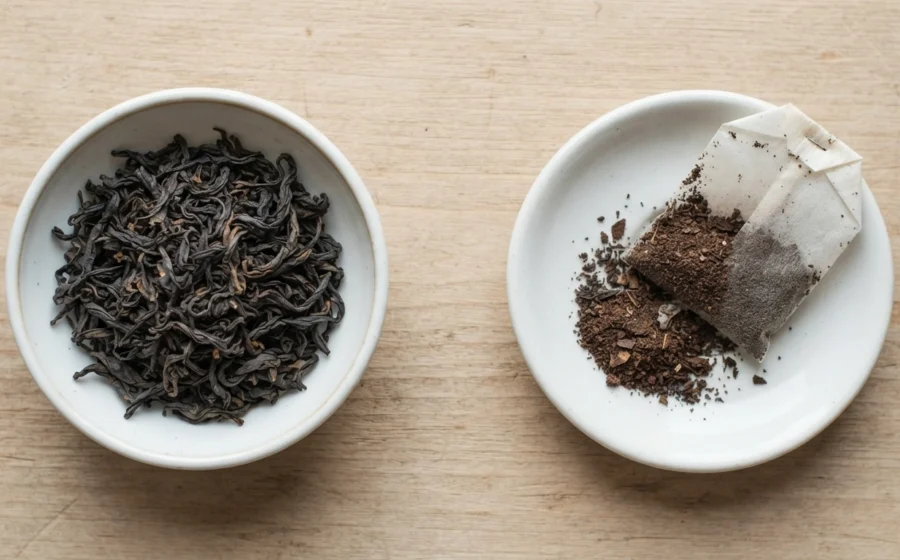
Da Hong Pao is usually made up of dark, tightly twisted strips with some natural variation in shape and size. Look for clean, well-processed leaves with a natural sheen rather than excessive dust or broken material.
Appearance is only the first step.
Warm the Leaves
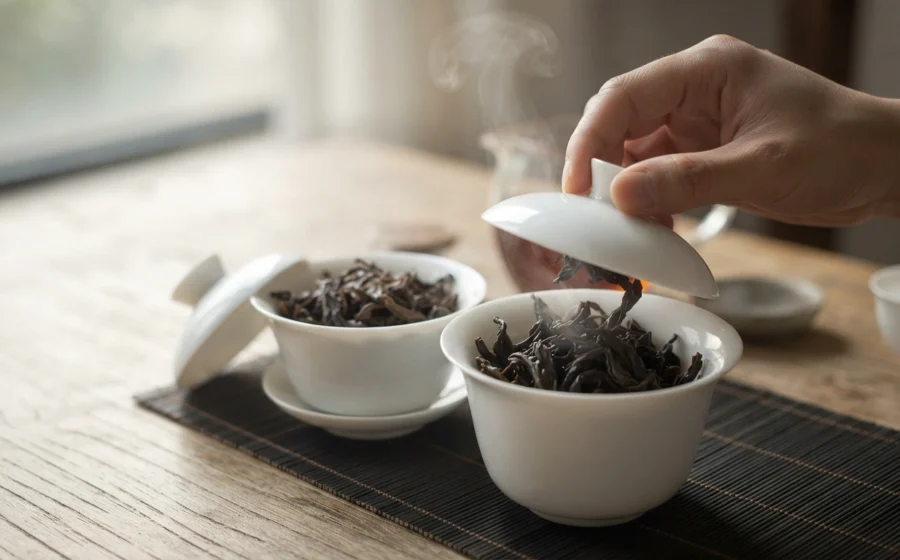
If you are brewing with a gaiwan, rinse the vessel with hot water, add the dry leaves, close the lid, and let them warm for a few seconds.
Then open the lid and smell.
This is one of my favorite parts of tasting Wuyi Rock Tea.
The warmth can bring out aromas that are difficult to notice from the dry leaves. You may find toasted nuts, cocoa, wood, dried fruit, or a gentle mineral impression.
The important thing is not simply intensity.
A strong roast aroma is easy to notice. A well-integrated aroma is more interesting.
Taste the First Infusion
For a Gongfu-style tasting, start with water around 95–100°C and a relatively short first steep of around 10–15 seconds.
Pour the tea completely and take a moment to smell it before drinking.
The first infusion often introduces the tea’s roast character most clearly. A well-made Da Hong Pao should feel rich without becoming harsh, with the roast working together with the underlying tea rather than covering it completely.
Notice the texture.
Does the tea feel smooth? Does it fill the mouth? Is there sweetness underneath the roast?
Evaluate the Roast
Roasting deserves special attention because it is such an important part of Wuyi Rock Tea.
A good roast should feel integrated.
The toasted character should support the tea’s aroma, body, and mineral qualities. It should not simply taste burnt or ashy.
At the other extreme, a tea should not taste raw underneath the roast.
This is one reason two teas can have similar origins and grades but very different prices. Processing skill can be difficult to see from the package, yet it becomes obvious once you taste the tea.
Notice the Mouthfeel
After the first sip, pay attention to the physical sensation in your mouth.
A well-made Da Hong Pao can feel smooth, rounded, and coating without becoming heavy. It may create a sense of depth that lingers after the liquid is gone.
Some teas are powerful because they are intense.
Others are powerful because they have texture.
The second quality is often easier to appreciate with experience.
Pay Attention to the Finish
After swallowing, wait a few seconds.
Does sweetness return? Does the aroma remain? Is there a mineral sensation at the back of the palate? Does the mouth feel refreshed rather than dry?
The finish is particularly important when evaluating expensive tea.
A tea that tastes impressive for a few seconds but disappears immediately may not offer as much depth as its price suggests.
A tea that continues to develop after you swallow can feel much more complete.
Brew the Second and Third Infusions
Then return to the leaves.
The second infusion often tells you more than the first.
As the leaves open further, the roast may soften slightly. Mineral, woody, fruity, or sweet notes can become easier to notice.
The third infusion gives you another point of comparison.
A good Da Hong Pao should still have character. It may become softer and sweeter, but the tea should not suddenly feel empty.
This is where the tea appreciation experience becomes more important than the label.
You begin to notice not just what the tea tastes like, but how it changes.
That is something a grade, price, or prestigious origin cannot fully describe.
The question is not whether an expensive tea is objectively worth a certain amount.
It is whether the tea gives you something that makes the price meaningful to you.
A tea that costs three times more but offers noticeably greater aroma, texture, persistence, and development may feel worthwhile.
A tea that costs three times more but tastes almost identical to a cheaper alternative may not.
Frequently Asked Questions
Why is Da Hong Pao tea expensive?
Da Hong Pao can be expensive because of growing area, scarcity, selective raw material, craftsmanship, roasting, grade, cultivar, reputation, and market demand. The highest-priced teas often combine several of these factors.
Does Wuyi origin make Da Hong Pao more expensive?
Yes, but the price premium is closely linked to the specific growing area. Zhengyan generally commands a higher premium than Banyan or Zhoucha, although origin alone does not guarantee better tea.
Why is Zhengyan Da Hong Pao more expensive?
The Zhengyan production area is limited, and some of its most famous gardens are particularly small. Their reputation and scarcity create additional market value.
Is high-quality Da Hong Pao actually scarce?
High-quality tea from the most desirable growing areas is limited, especially when it also meets demanding standards for raw material and craftsmanship. The overall Da Hong Pao market, however, is much broader than the small amount of prestigious Zhengyan tea.
Does grade affect Da Hong Pao price?
Yes. Higher grades often cost more because they need to meet higher sensory standards and may use more selective material. However, grade is only one factor in the final price.
Does older Da Hong Pao cost more?
It can, but age alone does not guarantee higher value. Properly stored tea may develop interesting characteristics over time, while poorly stored tea can lose quality regardless of age.
Why can two Da Hong Pao teas have dramatically different prices?
Differences in origin, leaf material, processing, grade, scarcity, cultivar, and reputation can all contribute. Two teas with the same name may therefore occupy very different price ranges.
Is expensive Da Hong Pao necessarily better?
No. A more expensive tea may offer greater scarcity, prestige, or craftsmanship, but it may not suit your taste better. Storage, brewing, and personal preference all matter.
How much should I spend on Da Hong Pao?
Beginners can start with a well-made moderate-priced tea. Regular drinkers may prefer a good Banyan or blended tea for everyday use, while enthusiasts may enjoy exploring Zhengyan teas. Your budget should match how seriously you want to explore the category.
The price of Da Hong Pao can tell you about where the tea was grown, how it was made, how scarce it is, and how the market values it.
But it cannot tell you everything.
At Tea Passage, we believe the most meaningful part begins when the leaves meet the water. Look at the leaf. Warm it and smell it. Taste the first infusion, then return for the second and third. Notice the roast, the texture, the mineral character, and what remains after the sip.
A prestigious origin can make a tea more valuable.
But the cup is where that value has to become real.
References and Sources
- GB/T 18745—2026: Geographical Indication Product Quality Requirements — Wuyi Rock Tea — The revised national standard for Wuyi Rock Tea, effective April 2027. Quantifies withering temperature (35°C–39°C), kill-green temperature (220°C–300°C), defines light/medium/full roast levels, sets minimum tea polyphenol content at 12.0%, and establishes six core terms including the definition of Da Hong Pao as a blended tea.
- Wuyi Rock Tea Standard Sample and Grade System — Provides the standard sample grading system for Wuyi Rock Tea, including the division of Da Hong Pao into Special, First, and Second Grades.
- Wuyi Rock Tea Production Area Division and Zhengyan Definition — Describes the Zhengyan (true rock), Banyan (half rock), and Zhoucha (outer) production tiers and explains how the Zhengyan distinction drives pricing premiums.
- Zhengyan Production Area Size and Output Data — Reports that the Zhengyan tea production area is approximately 72 square kilometers, with one specific core garden measuring only 0.0467 km² and producing about 1,500 kg annually.
- Da Hong Pao Mother Tree Protection Status — Confirms that commercial harvesting of the six original mother trees was permanently banned in 2006 to protect them for future generations.