Jasmine green tea is a delicate balance between two things: the freshness of the green tea leaves and the soft fragrance of jasmine blossoms.
Many people think brewing jasmine tea is simply adding hot water and waiting. But the difference between a flat, bitter cup and a fragrant, balanced cup often comes down to three small details:
water temperature, steeping time, and tea-to-water ratio.
Use water that is too hot, and the green tea becomes bitter. Steep it too long, and the jasmine fragrance disappears behind astringency. Brew it gently, and the tea reveals its natural sweetness, floral aroma, and refreshing finish.
This guide explains exactly how to brew jasmine green tea, whether you are using a mug, teapot, or traditional gaiwan.
What Is The Best Temperature For Jasmine Green Tea?

The ideal temperature for jasmine green tea is:
80°C–85°C (176°F–185°F)
This lower temperature protects the delicate green tea base while allowing the jasmine aroma to fully open.[Jasmine Green Tea Storage Method]
Unlike black tea, green tea contains delicate compounds that can become harsh when exposed to boiling water. Water at 100°C may extract too many bitter elements, creating a sharp taste that hides the floral fragrance.
A gentle temperature allows the tea to express what makes good jasmine tea special:
- soft jasmine aroma
- fresh green tea sweetness
- smooth mouthfeel
- clean finish
If you do not have a temperature-controlled kettle, simply boil the water and let it rest for 2–3 minutes before brewing.
That small adjustment can completely change the cup.
How Long Should Jasmine Green Tea Steep?
The ideal steeping time depends on your brewing style.
Western Style Brewing
For a mug or teapot:
| Amount | Water | Temperature | Time |
|---|---|---|---|
| 3g tea | 250ml water | 80–85°C | 2–3 minutes |
Start with two minutes and taste.
If the tea feels too light, increase the time slightly. If it tastes bitter, reduce the steeping time rather than adding more heat.
Jasmine tea releases fragrance quickly. Longer steeping does not create more jasmine aroma. It usually creates more bitterness.
Gongfu Brewing
For a gaiwan:
| Amount | Water | Temperature | First Steep |
|---|---|---|---|
| 5g tea | 100ml water | 80–85°C | 20–30 seconds |
The shorter infusion time allows you to experience the tea changing through multiple rounds.
A typical progression:
First infusion:
Bright jasmine fragrance and fresh floral notes.
Second and third infusion:
More green tea sweetness and a smoother body.
Later infusions:
Softer floral notes with a gentle lingering finish.
Jasmine Green Tea Brewing Guide Step By Step

Step 1: Warm Your Teaware
Before brewing, rinse your cup, teapot, or gaiwan with hot water.
This helps maintain a stable brewing temperature and prevents the tea from cooling too quickly.
Step 2: Measure Your Jasmine Tea
For loose leaf jasmine green tea:
3 grams per 250ml water is a good starting point.
For jasmine dragon pearls:
3–5 pearls per cup usually works well.
The goal is not to use more tea for a stronger aroma. Good jasmine tea should already carry fragrance inside the leaf.
Step 3: Prepare The Water
Heat fresh water to 80°C–85°C.
Avoid repeatedly boiling the same water. Fresh water contains more oxygen and helps preserve the tea’s brighter aroma.
Step 4: Brew The Tea
Pour the water gently over the leaves.
Do not stir aggressively. Let the leaves slowly absorb the water and release their fragrance naturally.
For a mug:
- Steep 2–3 minutes
For Gongfu:
- Start with 20–30 seconds
Step 5: Taste And Adjust
Every jasmine tea is slightly different.
If your tea tastes:
Too bitter
→ Lower the temperature or shorten the steeping time.
Too weak
→ Add more leaves instead of increasing the steeping time.
Too floral but lacking tea flavor
→ The tea may have a weaker green tea base.
The best jasmine tea should taste like both flower and leaf.
Common Jasmine Green Tea Brewing Mistakes

Using Boiling Water
This is the most common mistake.
Boiling water can overwhelm the green tea base, creating bitterness and hiding the jasmine fragrance.
A softer temperature brings out sweetness instead of harshness.
Steeping Too Long
More time does not always mean more flavor.
Jasmine aroma is released quickly. Excessive steeping mainly extracts bitterness.
A shorter, gentler infusion usually creates a cleaner cup.
Using Too Little Tea
Many beginners use too few leaves because they are afraid of making the tea strong.
The result is usually a thin cup with little aroma.
For loose leaf jasmine tea, using enough leaves is important because whole leaves release flavor gradually.
Expecting More Jasmine Flowers To Mean Better Tea
Visible jasmine petals do not always indicate higher quality.
Traditional jasmine tea gets its aroma from fresh jasmine blossoms during the scenting process. The fragrance is absorbed into the tea leaf itself.
A few petals may remain for appearance, but the true quality comes from:
- tea leaf quality
- scenting technique
- number of scenting rounds
How Many Times Can You Reuse Jasmine Green Tea?

High-quality loose leaf jasmine green tea can usually be steeped:
3–5 times
Each infusion reveals something different.
The first cup usually has the strongest jasmine aroma.
The second and third cups often show more of the green tea character.
Later infusions become softer, sweeter, and more subtle.
Jasmine dragon pearls can often be brewed even more because the tightly rolled leaves open gradually.
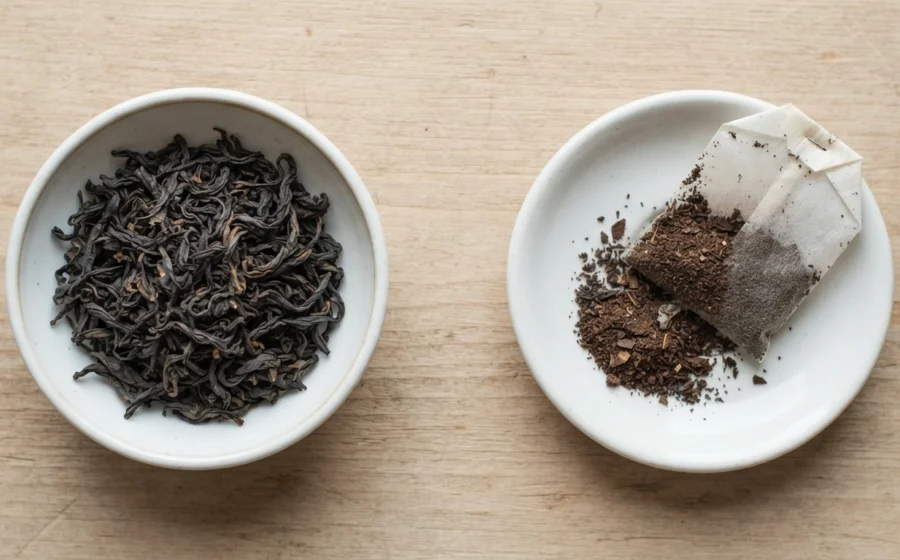
Tea bags usually do not perform the same way because broken leaves release most of their flavor in one infusion.
How To Make Jasmine Green Tea Taste Better
A few simple improvements can make a noticeable difference.
Use Good Water
Water quality affects delicate teas more than many people expect.
Strong mineral flavors or chlorine can cover the jasmine fragrance.
Use Loose Leaf Tea
Loose leaf jasmine tea generally provides:
- better aroma
- smoother flavor
- more infusions
- clearer tea character
Whole leaves release their flavor slowly, while tea dust releases everything quickly.[Bulk Jasmine Green Tea Selection Guide]
Use The Right Teaware
A glass cup is especially enjoyable for jasmine tea because you can watch the leaves open.
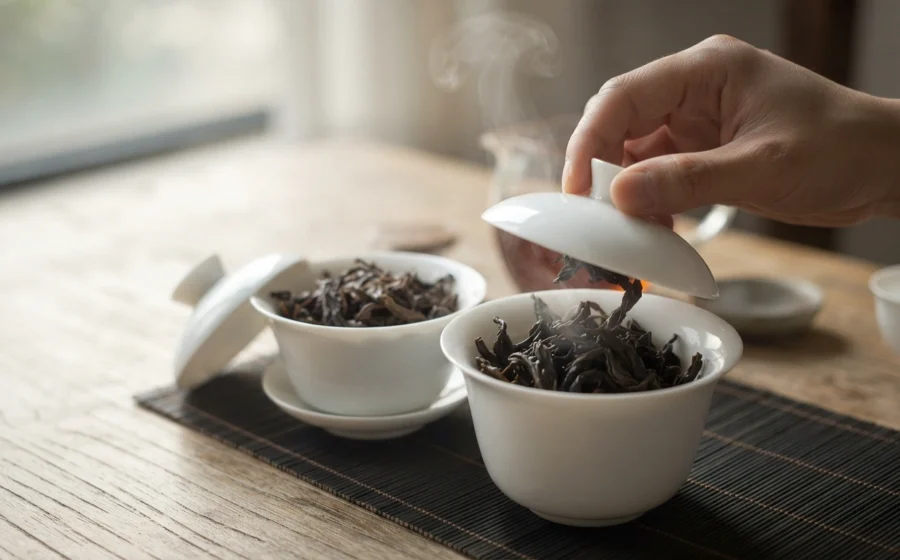
A gaiwan is ideal if you enjoy multiple short infusions and want to explore how the tea changes.
Drink It Without Sugar First
High-quality jasmine green tea naturally has:
- floral sweetness
- fresh green notes
- a clean finish
Try tasting it plain before adding sweeteners.
Frequently Asked Questions
What temperature should jasmine green tea be brewed at?
The ideal temperature is 80°C–85°C (176°F–185°F). Hotter water can make the tea bitter and reduce the jasmine aroma.
How long should jasmine green tea steep?
For Western brewing, steep for 2–3 minutes. For Gongfu brewing, start with 20–30 seconds and adjust gradually.
Can you use boiling water for jasmine tea?
It is not recommended. Boiling water can make the green tea base bitter and overpower the delicate jasmine fragrance.
How many times can jasmine green tea be reused?
Good loose leaf jasmine green tea can usually be brewed 3–5 times, while jasmine pearls may last even longer.
Why does my jasmine tea taste bitter?
The most common reasons are water that is too hot or steeping for too long.
Brewing jasmine green tea is not about following a strict formula. It is about understanding the relationship between the leaf, the water, and the fragrance that has been carefully preserved inside the tea.
A good jasmine tea does not need to be complicated. The leaves have already carried the work of many hands — from the farmers who harvested the spring tea, to the makers who patiently layered fresh jasmine blossoms through the night.
At Tea Passage, we select jasmine teas that reflect this traditional approach: carefully crafted leaves, natural floral fragrance, and a balance between the character of the tea and the beauty of the flower.
We believe brewing is not just a preparation step. It is the moment when the story of the tea finally reaches your cup.