Two tins of jasmine green tea can look completely different.
One contains small, tightly rolled pearls that slowly open in hot water. The other contains loose, twisted leaves that immediately release their floral aroma when brewed.
Both are jasmine tea. Both can be excellent. But they offer completely different experiences.
The choice between jasmine pearl tea and loose leaf jasmine tea is not simply about which one is better. It is about how you prefer to enjoy tea.
Jasmine pearls offer a slower, more visual experience. Loose leaf jasmine tea offers simplicity, flexibility, and a more direct connection with the tea itself.
Understanding the differences will help you choose the jasmine tea that best fits your taste, lifestyle, and brewing habits.
What Is Jasmine Pearl Tea?
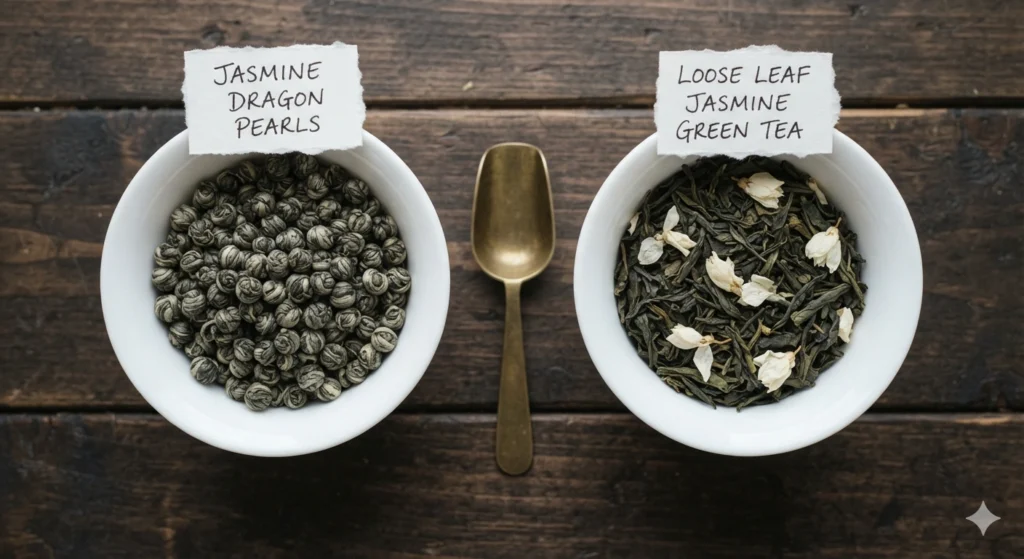
Jasmine pearl tea, also known as Jasmine Dragon Pearls, is a type of jasmine green tea where the leaves are carefully rolled into small, round shapes.
The tea leaves are usually hand-rolled into pearls after being scented with fresh jasmine blossoms. This process requires additional craftsmanship compared with ordinary loose leaf tea.
The shape is not only for appearance. The tightly rolled leaves slowly open when exposed to hot water, gradually releasing their aroma and flavor.
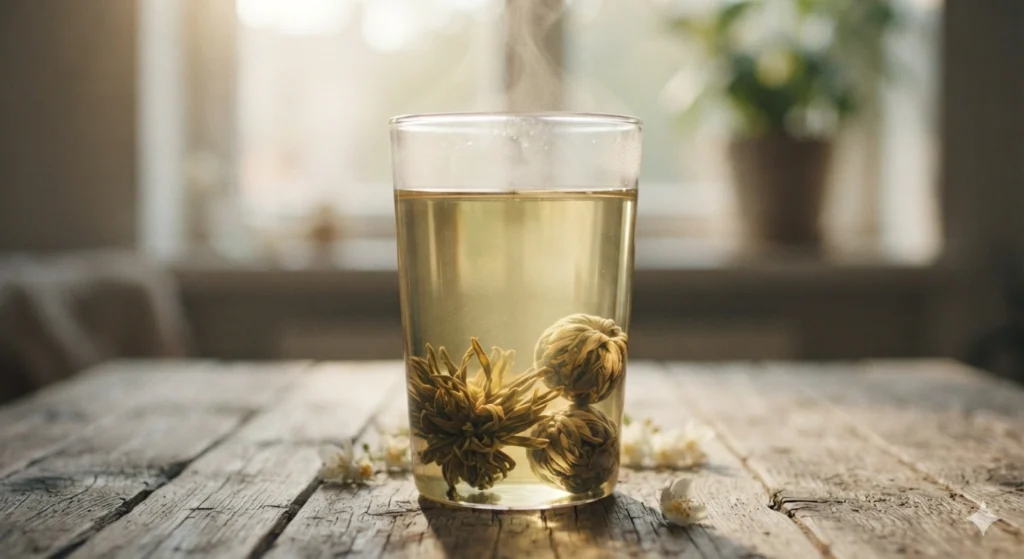
Watching jasmine pearls unfold is part of the experience. A small green sphere transforms into full tea leaves, releasing layers of floral fragrance with each infusion.
This slow opening process makes jasmine pearl tea especially popular for Gongfu brewing, glass cups, gifts, and moments when tea becomes more than just a drink.
However, the pearl shape itself does not automatically mean higher quality. The quality still depends on the tea leaves, jasmine scenting process, and craftsmanship behind the tea.
What Is Loose Leaf Jasmine Tea?
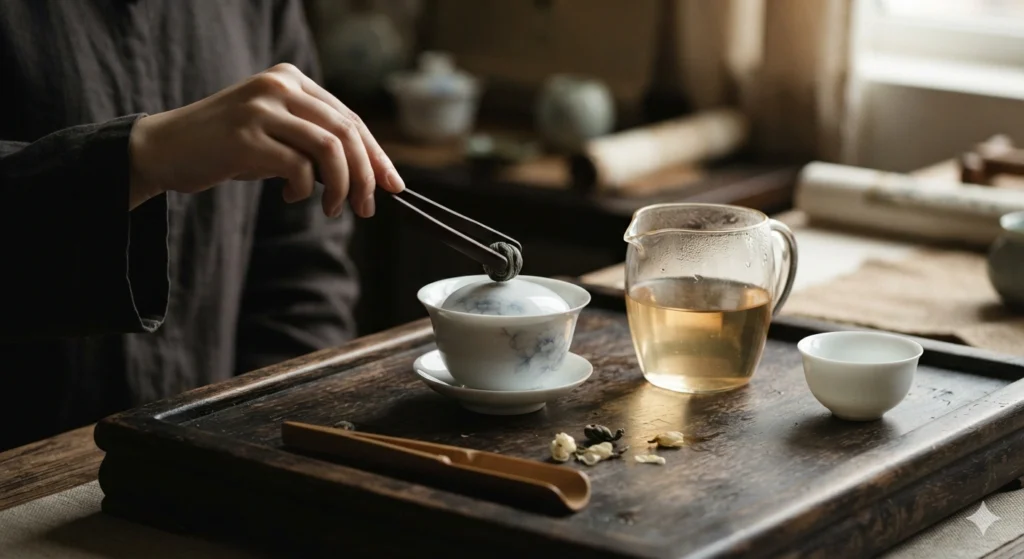
Loose leaf jasmine tea is the more traditional and common form of jasmine green tea.
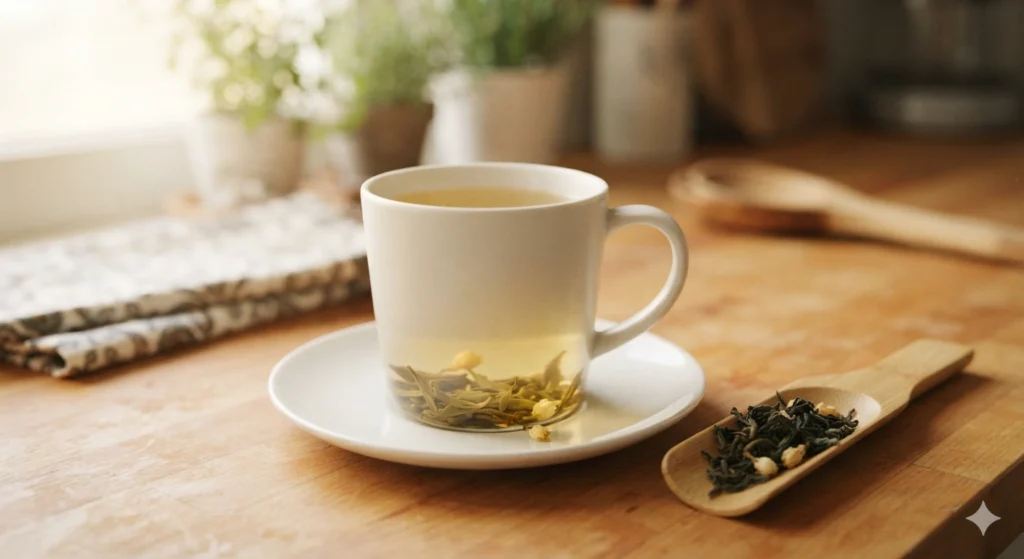
Instead of being rolled into pearls, the leaves remain in their natural shape after processing and scenting. The tea leaves may appear twisted, curled, or slightly open depending on the production style.
Because the leaves are not tightly compressed, they release their fragrance more quickly during brewing.
Loose leaf jasmine tea is practical, easy to brew, and often more affordable than jasmine pearls of similar quality.
It is important to understand that loose leaf jasmine tea is not a lower-grade version of jasmine pearl tea.
Many high-quality jasmine teas are sold as loose leaf. The difference is not the quality level — it is the shape, processing style, and drinking experience.
Jasmine Pearl Tea vs Loose Leaf Jasmine Tea: Key Differences
| Aspect | Jasmine Pearl Tea | Loose Leaf Jasmine Tea |
|---|---|---|
| Shape | Hand-rolled into small pearls | Natural twisted or curled leaves |
| Craftsmanship | More labor-intensive | Less shaping after scenting |
| Aroma Release | Slow and gradual | Faster and more direct |
| Brewing Experience | Visual and ceremonial | Simple and practical |
| Price | Usually higher | Usually more affordable |
| Best For | Gifts, Gongfu brewing, special moments | Daily drinking and casual brewing |
The difference between the two is not about good versus bad.
They represent two different ways of enjoying jasmine tea.
Jasmine Pearl Tea vs Loose Leaf Jasmine Tea: Flavor Difference
Many people wonder:
Does jasmine pearl tea taste better than loose leaf jasmine tea?
The answer depends on what kind of tea experience you enjoy.[In-depth experience of jasmine green tea]
Jasmine pearl tea usually releases its flavor more slowly. Because the leaves are tightly rolled, the first infusion may be softer and more subtle. As the pearls continue opening, later infusions reveal deeper floral notes and more of the green tea character.
The experience feels gradual and layered.
Loose leaf jasmine tea releases more quickly. The floral aroma appears immediately, and the relationship between jasmine and green tea is easier to notice from the first cup.
It feels more direct and accessible.
A well-made jasmine pearl tea can be beautiful and complex. A well-made loose leaf jasmine tea can be equally enjoyable.
The difference is not quality.
It is the rhythm of the tea.
Brewing Difference: Jasmine Pearls vs Loose Leaf Jasmine Tea
Both teas can be brewed using similar temperatures, but their different shapes create slightly different experiences.
Brewing Jasmine Pearl Tea
Jasmine pearls are ideal for glass cups or Gongfu brewing because the leaves slowly expand during steeping.
Recommended:
- Water temperature: 80°C–85°C
- Amount: 3–5 pearls per cup
- Gongfu brewing: around 5g per 100ml gaiwan
- First infusion: slightly longer to allow the pearls to open
The visual process is part of the enjoyment.
Watching the pearls gradually unfold allows you to appreciate the craftsmanship behind the tea.
Brewing Loose Leaf Jasmine Tea
Loose leaf jasmine tea is more flexible and beginner-friendly.
Recommended:
- Water temperature: 80°C–85°C
- Amount: about 3g per 250ml water
- Steeping time: 2–3 minutes
It works well in mugs, teapots, and gaiwans.
Because the leaves open faster, it is ideal for everyday drinking.[Jasmine Green Tea Brewing Guide]
Which One Has Better Quality?
A common misunderstanding is:
Jasmine pearls are always higher quality than loose leaf jasmine tea.
This is not true.
The shape of the tea does not determine its quality.
The real factors are:
- Quality of the green tea base
- Harvest season
- Number of jasmine scenting rounds
- Use of fresh jasmine flowers
- Skill of the tea maker
A premium loose leaf jasmine tea made from spring-harvested leaves and scented multiple times can easily be better than an average jasmine pearl tea.
Likewise, a carefully crafted jasmine pearl tea can offer an exceptional experience.
Look beyond the shape.
The aroma, taste, and quality of the leaves matter more.
Jasmine Pearl Tea vs Loose Leaf Jasmine Tea: Which Should Beginners Choose?
The best choice depends on how you plan to drink your tea.
Choose Jasmine Pearl Tea If You:
- Enjoy tea rituals
- Like beautiful presentation
- Want a gift-worthy tea
- Enjoy watching the brewing process
- Prefer Gongfu-style brewing
Jasmine pearls turn tea preparation into a small ceremony.
They are especially enjoyable when you have time to slow down and appreciate the process.
Choose Loose Leaf Jasmine Tea If You:
- Drink jasmine tea every day
- Want better value
- Prefer simple brewing
- Want to explore jasmine tea naturally
- Are new to loose leaf tea
Loose leaf jasmine tea fits easily into daily routines.
It is simple, approachable, and lets you experience the character of jasmine tea without extra ceremony.
Can Jasmine Pearls Be Reused More Than Loose Leaf Jasmine Tea?
Both jasmine pearls and loose leaf jasmine tea can be brewed multiple times.
A good jasmine pearl tea can often produce 4–6 infusions because the tightly rolled leaves gradually open.
Good loose leaf jasmine tea usually provides around 3–5 enjoyable infusions.
The exact number depends on:
- Leaf quality
- Scenting method
- Brewing style
- Water temperature
More important than the number of infusions is how the tea changes over time.
A good jasmine tea should continue revealing new layers rather than simply becoming weaker.
Frequently Asked Questions
Are jasmine pearls better than loose leaf jasmine tea?
Not necessarily. Both can be high-quality. The difference is mainly the shape, craftsmanship, and brewing experience. Quality depends on the tea leaves and jasmine scenting process.
Is jasmine pearl tea more expensive?
Usually yes. The hand-rolling process requires more labor, and jasmine pearls are often made with carefully selected leaves.
Does jasmine pearl tea taste stronger?
Not always. Jasmine pearls often release aroma more slowly, creating a layered experience. Loose leaf jasmine tea usually offers a more immediate floral aroma.
Can you drink jasmine pearls every day?
Yes. However, loose leaf jasmine tea is often more practical and affordable for everyday drinking.
Final Thoughts: Jasmine Pearls Or Loose Leaf Jasmine Tea?
Jasmine pearl tea and loose leaf jasmine tea are two expressions of the same tradition.
One is shaped by hand and designed for a slower experience. The other keeps the tea leaf in its natural form, offering simplicity and everyday enjoyment.
Neither is automatically better.
If you want a tea moment with beauty, patience, and ritual, jasmine pearls are a wonderful choice.
If you want a reliable daily jasmine tea with great flavor and flexibility, loose leaf jasmine tea may be the better fit.
At Tea Passage, we believe the best jasmine tea is the one that matches your own rhythm — whether that means watching pearls slowly unfold or enjoying a simple cup of fragrant loose leaf tea.