No, oolong tea is not black tea. Oolong tea is a separate category of Chinese tea made from the same Camellia sinensis plant, but processed with partial oxidation.
If you have ever seen a dark amber oolong and wondered whether it belongs to the black tea family, you are not alone. Some oolong teas look and taste similar to black tea, especially darker roasted styles. However, they are different categories with different production methods, flavors, and traditions.
Understanding this difference is the first step to appreciating what makes oolong tea unique.
Is Oolong Tea Black Tea?
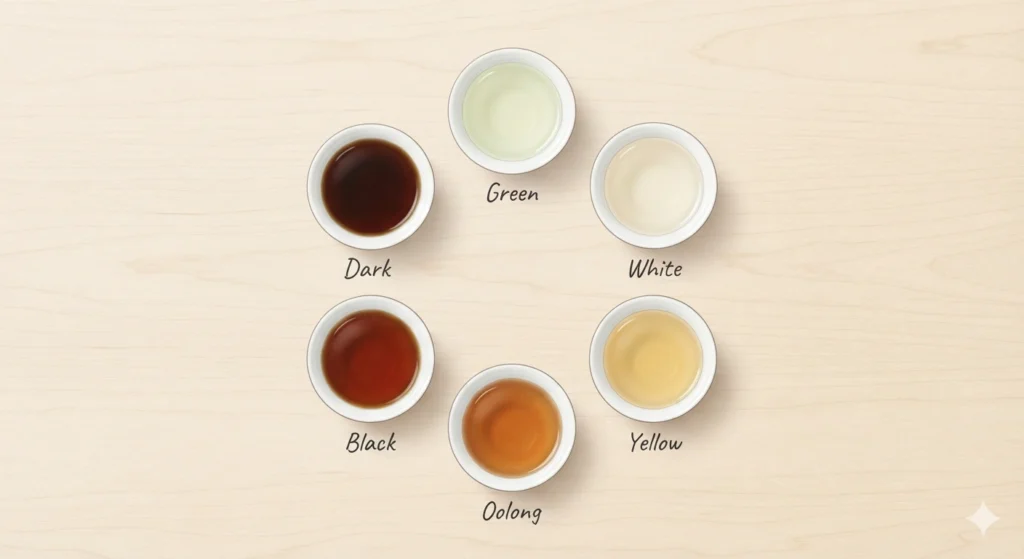
Oolong tea is not black tea. It is an independent category within the traditional Chinese tea classification system.
Chinese tea is commonly divided into six major categories:
- Green tea
- White tea
- Yellow tea
- Oolong tea
- Black tea
- Dark tea
Each category is defined mainly by how the tea leaves are processed, especially the level of oxidation.
Green tea is not oxidized, while black tea is fully oxidized. Oolong tea sits between them with controlled partial oxidation, creating a huge range of flavors from light and floral to dark and roasted.
Oolong is not a type of black tea, a blend, or a variation of black tea. It is its own tea category with centuries of history across regions such as Fujian, Guangdong, and Taiwan.
Why Do People Think Oolong Tea Is Black Tea?
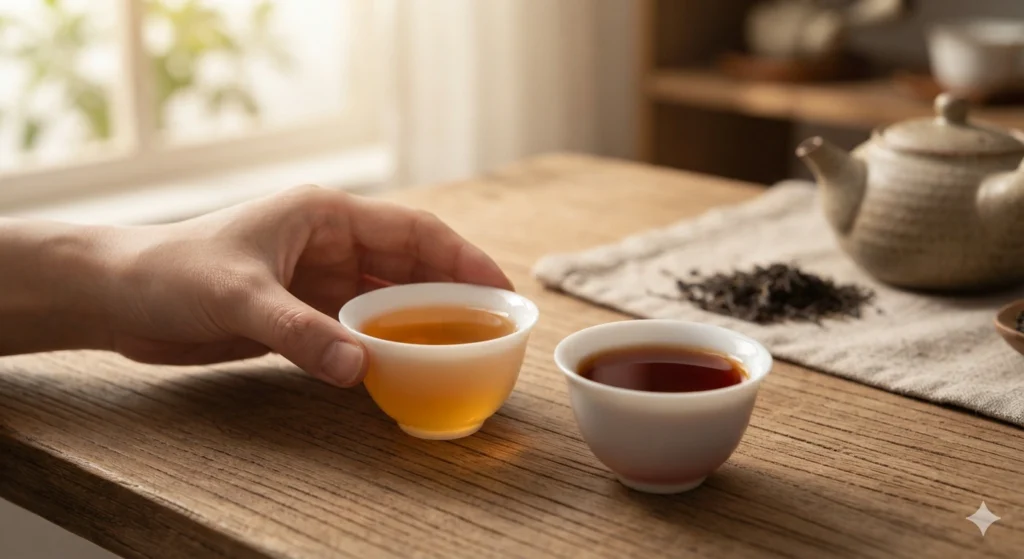
The confusion usually comes from two things: appearance and flavor.
Some oolong teas produce a deep amber, reddish, or brown liquor that looks very similar to black tea. Traditional roasted oolongs, especially Wuyi rock teas like Da Hong Pao, can appear almost identical to some black teas when brewed.
The flavor can also create confusion.
Dark roasted oolongs may have notes of:
- Roasted nuts
- Honey
- Dried fruit
- Toasted wood
- Cocoa
These flavors overlap with some black teas, especially richer varieties. However, the similarity ends there. Tea category is determined by processing, not simply by color or taste.
A dark oolong may look like black tea, but the leaf tells a different story.
Oolong Tea vs Black Tea: Key Differences
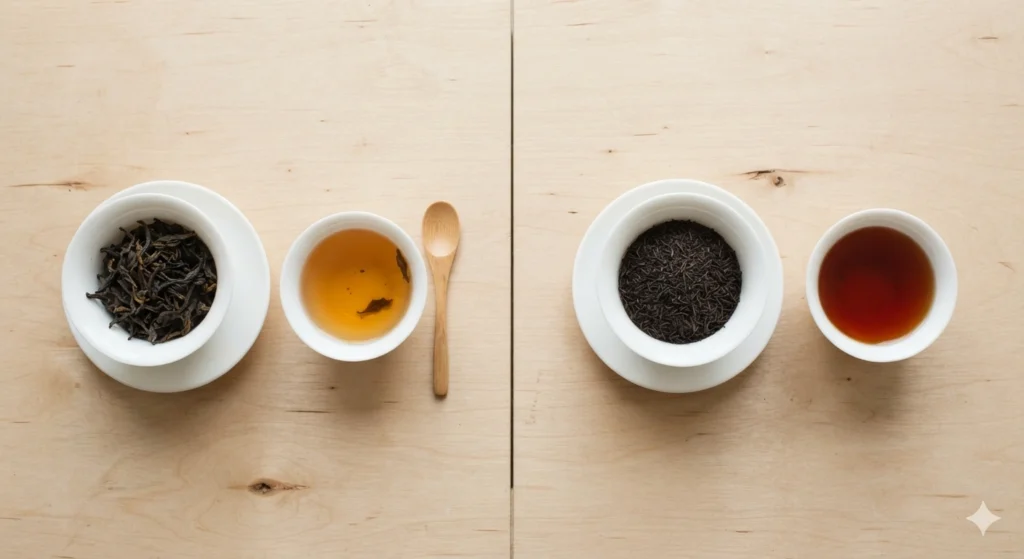
The biggest difference between oolong and black tea comes down to oxidation and processing.
| Aspect | Oolong Tea | Black Tea |
|---|---|---|
| Category | Separate tea category | Fully oxidized tea category |
| Oxidation | Partial oxidation | Full oxidation |
| Flavor | Floral, creamy, fruity, roasted, mineral | Malty, bold, rich |
| Color | Golden to dark amber | Deep red to brown |
| Main Regions | China and Taiwan | China, India, Sri Lanka, worldwide |
| Mouthfeel | Layered, smooth, evolving | Strong, direct, full-bodied |
The unique feature of oolong is its range.
A lightly oxidized Tie Guan Yin can taste floral and fresh, while a roasted Da Hong Pao can taste deep, warm, and mineral-rich. Both are oolong, yet they feel like completely different teas.
Black tea generally has a more consistent flavor direction: stronger, richer, and more fully developed through complete oxidation.
Oolong Tea vs Black Tea Caffeine
Many people also wonder whether oolong tea has more caffeine than black tea.
Generally, a typical cup contains approximately:
- Oolong tea: 30–50 mg caffeine per 8 oz cup
- Black tea: 40–60 mg caffeine per 8 oz cup
The difference is usually moderate, and the final amount depends on:
- Tea leaf quantity
- Brewing temperature
- Steeping time
- Tea variety
A strongly brewed oolong can sometimes have caffeine levels close to black tea.
However, caffeine is only part of the experience. Many tea drinkers describe oolong as having a smoother and more balanced feeling because of its combination of caffeine, aroma compounds, and natural amino acids such as L-theanine.
Does Oolong Tea Taste Like Black Tea?
Some oolong teas can remind people of black tea, but they are not the same.
Dark roasted oolongs, especially Wuyi rock teas such as Da Hong Pao, share some characteristics with black tea:
- Rich body
- Roasted flavors
- Sweet warmth
But oolong usually reveals more layers as you drink it.
Black tea often feels bold and direct. Oolong tends to change throughout the session — the aroma, texture, and aftertaste can continue evolving from one infusion to the next.
If you enjoy black tea but want something with more aromatic complexity, a darker oolong can be a fascinating next step.
Our Experience: Discovering The Difference Between Oolong and Black Tea
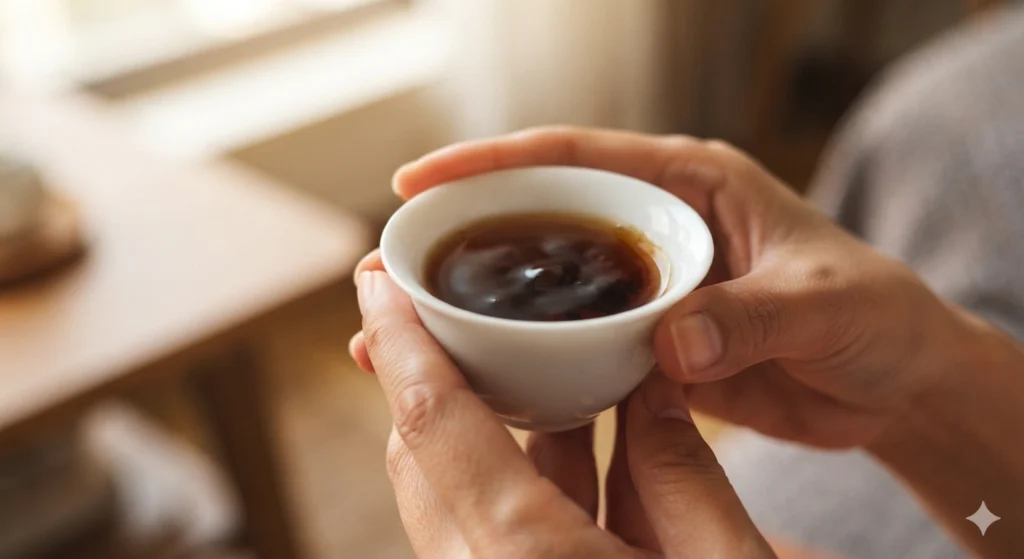
At Tea Passage, one tea that helped us understand this difference clearly was traditional Da Hong Pao.
When we first brewed it, the deep amber color immediately reminded us of a strong black tea. The aroma was rich and roasted, with notes that felt familiar to anyone who enjoys darker teas.
But after the first sip, the difference became obvious.
Black tea often gives a strong first impression. Da Hong Pao feels slower and more layered. We noticed roasted nut flavors, a subtle cocoa-like depth, and a mineral character that stayed on the palate. The finish was gentle and lingering rather than sharp.
That experience showed us why comparing oolong directly to black tea can only go so far.
A roasted oolong may share some similarities with black tea, but it offers a completely different journey — one built around aroma, texture, and gradual discovery.
This article provides a wealth of information about Oolong tea; if you would like to learn more about what Oolong tea is, please continue reading.
Frequently Asked Questions
Is oolong tea the same as black tea?
No. Oolong tea is a separate Chinese tea category made through partial oxidation. Black tea is fully oxidized, creating different flavors and characteristics.
Why does some oolong tea look like black tea?
Some heavily roasted oolongs produce a dark amber or brown tea color that resembles black tea. The appearance is similar, but the processing is different.
Does oolong tea have more caffeine than black tea?
Usually no. Black tea generally contains slightly more caffeine, but brewing method and tea style can change the final amount.
Which oolong tea is closest to black tea?
Dark roasted oolongs such as Da Hong Pao and other Wuyi rock teas are often the closest in flavor because of their roasted, rich, and full-bodied character.
If you enjoy black tea but want to explore something with more aroma, complexity, and depth, oolong tea is a fascinating place to begin.
At Tea Passage, we select oolong teas that showcase the full diversity of this unique tea category — from floral Tie Guan Yin to traditional roasted Da Hong Pao.