The first thing people notice about jasmine tea is not the taste.
It is the fragrance.
Before the tea reaches your lips, the aroma rises from the cup — soft, floral, and instantly recognizable. It reminds many people of warm evenings when jasmine flowers begin to open, releasing their scent into the air.
But good jasmine tea is not simply a tea that smells like flowers.
Behind the jasmine fragrance is the character of the tea leaf itself. The flower provides the aroma. The leaf provides the structure, sweetness, and depth. When these two elements are balanced, jasmine tea feels natural and complete. The fragrance does not overpower the tea. It becomes part of the tea.
Understanding the jasmine tea flavor profile helps you recognize what makes a cup elegant, balanced, and worth returning to.
What Does Jasmine Tea Taste Like?

Jasmine tea is known for its floral aroma, gentle sweetness, and fresh green character.
Most jasmine teas use a green tea base, traditionally scented with fresh jasmine blossoms. The result is a tea that combines the freshness of green tea with the soft fragrance of flowers.
A well-made jasmine tea should feel:
- Floral, but not perfume-like
- Sweet, but not sugary
- Fresh, but not sharp
- Light, but still full of character
The first impression is usually the jasmine aroma. Then the tea leaf begins to appear: a clean green freshness, a smooth texture, and a subtle sweetness that remains after each sip.
The best jasmine teas are not defined by the strength of their fragrance. They are defined by the balance between the flower and the leaf.
The Main Flavor Notes Of Jasmine Tea
Floral Notes: The Signature Character Of Jasmine Tea
The floral aroma is the defining feature of jasmine tea.
However, not all floral aromas are the same.
A high-quality jasmine tea does not smell like perfume or artificial fragrance. Instead, the aroma is softer and more natural — similar to fresh jasmine blossoms in a garden.
This natural fragrance comes from the traditional scenting process. Fresh jasmine flowers are layered with tea leaves during the blooming season, allowing the leaves to slowly absorb the flower’s aroma.
The result is a fragrance that feels integrated into the tea rather than added on top.
When you taste a well-made jasmine tea, the floral note should feel:
- Soft and natural
- Slightly sweet
- Clean and refreshing
- Present throughout multiple infusions
The jasmine should invite you closer, not overwhelm your senses.
Sweet Notes: The Quiet Depth Behind The Aroma
Many people think jasmine tea tastes sweet because of the flowers.
The reality is more interesting.
The sweetness comes from both the jasmine blossoms and the tea leaves themselves.
High-quality green tea leaves naturally contain compounds that create a smooth, sweet impression. When combined with jasmine flowers, this creates the gentle sweetness that many tea drinkers associate with premium jasmine tea.
This sweetness is not like sugar or honey.
It appears more subtly:
- A smooth feeling on the palate
- A soft sweetness after swallowing
- A lingering floral finish
This lingering sweetness is often one of the biggest differences between ordinary jasmine tea and carefully crafted jasmine tea.
Fresh Green Notes: The Tea Leaf Behind The Flower
Jasmine tea is not only about jasmine.
The tea underneath matters just as much.
Because most jasmine tea uses green tea as its base, it carries the fresh character of green tea leaves:
- Light vegetal notes
- Clean texture
- Refreshing finish
- Gentle spring-like freshness
These green notes prevent the tea from becoming too floral. They give the jasmine fragrance a foundation.
A good jasmine tea is not a flower-flavored drink.
It is tea first, with jasmine becoming part of the experience.
Why Does Jasmine Tea Taste Different From One Tea To Another?

Jasmine tea is not a single flavor.
The final taste depends on three things:
- The tea base
- The quality of jasmine flowers
- The scenting process
Different jasmine tea styles create completely different experiences.
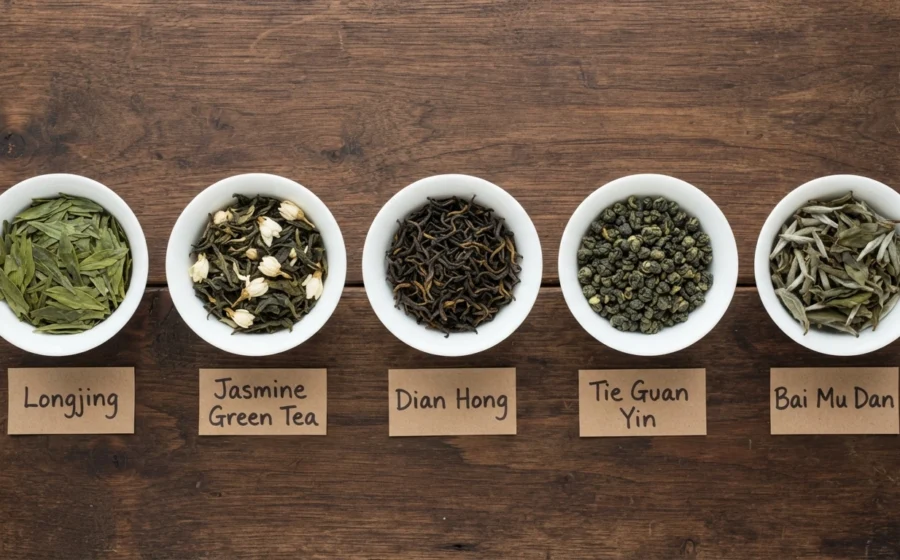
Jasmine Green Tea: Bright, Fresh, And Classic
Jasmine green tea is the most traditional and widely enjoyed style.
The green tea base gives it a clean, refreshing character, while jasmine provides the familiar floral aroma.
Typical tasting notes:
- Fresh jasmine blossoms
- Light vegetal sweetness
- Clean finish
- Gentle refreshing bitterness
This is the style most people imagine when they think of jasmine tea.
It is approachable, easy to brew, and suitable for everyday drinking.
Jasmine Dragon Pearls: Layered And Elegant
Jasmine Dragon Pearls are made by hand-rolling tea leaves into small pearls.
Their flavor develops more slowly because the leaves gradually open during brewing.
Typical tasting notes:
- Soft floral aroma
- Smooth sweetness
- Layered fragrance
- Longer finish
The experience is not only about taste. Watching the pearls slowly unfold is part of the enjoyment.
This style is especially suited for Gongfu brewing or moments when you want to slow down.pearls vs loose leaves offer different [flavor experiences]
Jasmine Silver Needle: Delicate And Refined
Jasmine Silver Needle uses young tea buds as the base.
Compared with jasmine green tea, it is softer, sweeter, and more delicate.
Typical tasting notes:
- Honey-like sweetness
- Gentle floral notes
- Silky texture
- Elegant finish
It is a style for tea drinkers who enjoy subtle flavors rather than strong aromas.
How To Recognize High Quality Jasmine Tea
A strong jasmine aroma does not always mean better tea.
Quality is found in the balance.
1. Natural Floral Aroma
Good jasmine tea should smell fresh and natural.
The fragrance should remind you of jasmine flowers, not perfume.
Aroma should feel layered rather than simply intense.
2. Balanced Tea Body
The jasmine should complement the tea leaves.
If the fragrance completely covers the tea, the leaf quality may not be strong enough.
A good jasmine tea allows you to notice both:
- The flower
- The tea itself
3. Lingering Finish
One of the clearest signs of quality is what happens after you swallow.
A good jasmine tea leaves:
- A gentle sweetness
- A soft floral aftertaste
- A clean feeling in the mouth
The flavor continues quietly instead of disappearing immediately.
Traditional Jasmine Tea vs Artificial Jasmine Flavor

Not every jasmine tea on the market is made the same way.
Traditional jasmine tea relies on fresh jasmine blossoms and careful scenting. Some commercial teas use added flavors to create a stronger initial aroma.
| Aspect | Traditional Jasmine Tea | Flavor-Enhanced Jasmine Tea |
|---|---|---|
| Aroma | Soft, layered, natural | Strong, immediate |
| Taste | Balanced with tea character | Mainly focused on fragrance |
| Finish | Sweet and lingering | Often shorter |
| Experience | Flower and leaf together | Aroma-focused |
The difference is not simply strength.
It is complexity.
Traditional jasmine tea reveals itself slowly. The fragrance changes from the first cup to later infusions, showing more of the tea underneath.
How To Taste Jasmine Tea Like A Tea Drinker

You do not need special knowledge to appreciate jasmine tea.to bring out the best taste, follow our [brewing instructions].
A little attention is enough.
Smell The Dry Leaves
Before brewing, notice the aroma.
Is it fresh and floral?
Does it feel natural?
Taste The First Infusion
The first cup shows the jasmine character.
Notice:
- How strong is the fragrance?
- Is the tea smooth?
- Does the flower and leaf feel balanced?
Pay Attention To The Finish
After swallowing, wait a moment.
A quality jasmine tea often reveals itself here.
The sweetness and floral notes should slowly return rather than disappear immediately.
Try A Second Infusion
The second and third infusions often tell you more than the first.
A good jasmine tea does not disappear after one cup.
It becomes softer and more balanced.
Frequently Asked Questions
What does jasmine tea taste like?
Jasmine tea tastes floral, fresh, and gently sweet. The jasmine fragrance provides the main aroma, while the tea leaves create the body and finish.
Is jasmine tea sweet?
Jasmine tea has a natural sweetness from the flowers and tea leaves, but it does not contain added sugar. The sweetness is subtle and lingering.
Does jasmine tea taste like perfume?
A high-quality jasmine tea should not taste like perfume. The aroma should feel natural, soft, and connected to the tea leaf.
Why does my jasmine tea taste bitter?
Bitterness usually comes from brewing problems, especially water that is too hot or steeping for too long. Jasmine green tea usually tastes best around 80–85°C.
Which jasmine smine tea not smell strong?
Aroma strength is not always a sign of quality. Traditional jasmine tea often has a softer fragrance that develops through balance rather than intensity.
Jasmine tea is not simply a tea that tastes like flowers.
It is the meeting point between two traditions: the freshness of the tea leaf and the fragrance of the jasmine blossom.
The flower brings the first impression. The leaf creates the lasting memory.
At Tea Passage, we look for jasmine teas where these two elements remain in harmony — teas that do not rely on intensity, but reveal their character slowly through aroma, sweetness, and balance.