Discover our tea gardens, craftsmanship, and dedication — perhaps you’ll understand the flavor in your cup a little better.
Walk into any tea shop or browse an online tea store, and you will quickly notice that jasmine tea prices can vary dramatically.
One jasmine tea may cost only a few dollars, while another may be several times more expensive. Both may be labeled as “jasmine green tea,” and both may have a floral aroma. So what actually separates them?
The difference is not always visible from the packaging. It appears in the leaf quality, the scenting process, the balance between jasmine and tea, and the experience after brewing.
Unlike wine or coffee, jasmine tea does not have a universal grading system recognized worldwide. Instead, experienced tea makers and drinkers judge quality through several practical factors.
Understanding these factors helps you choose a jasmine tea that offers real flavor rather than simply a strong floral smell.
Does Jasmine Tea Have Different Grades?
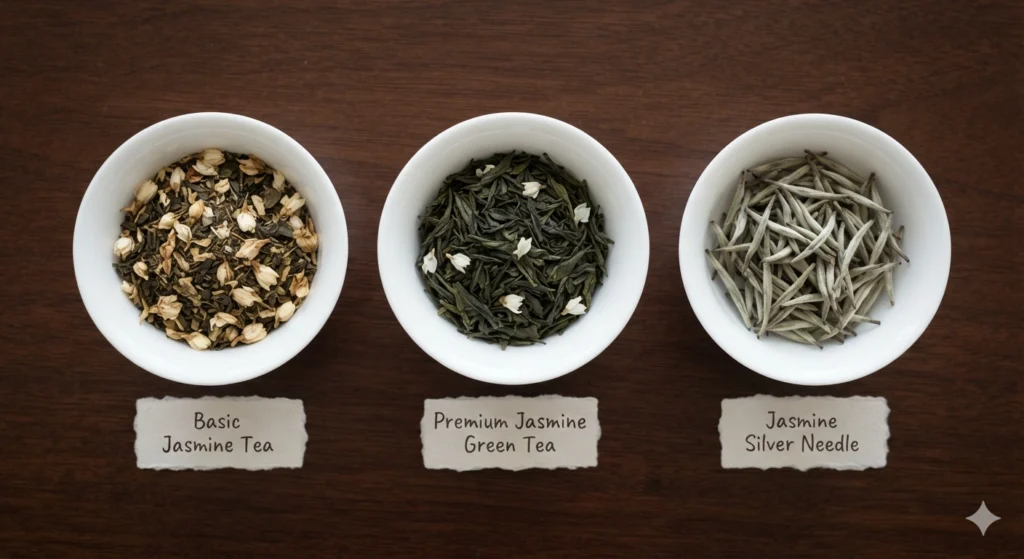
Jasmine tea does not have official international grades, but different qualities of jasmine tea do exist.
The quality of jasmine tea is usually determined by four main elements:
- The quality of the green tea base
- The number of jasmine scenting rounds
- The appearance of the tea leaves
- The quality and character of the aroma
A basic jasmine tea may provide a simple floral flavor for everyday drinking. A premium jasmine tea offers something more complex: a smooth tea body, natural fragrance, and an aroma that continues through multiple infusions.
The difference is not about being a tea expert. It is about knowing what details matter before making a purchase.
The Main Factors That Determine Jasmine Tea Quality
1. The Green Tea Base
High-quality jasmine tea always starts with high-quality green tea.
The jasmine flowers create the aroma, but they cannot improve a weak tea base. If the original green tea is flat, bitter, or poorly processed, the final tea will still lack depth.
Premium jasmine teas usually use:
- Whole tea leaves
- Spring-harvested leaves
- Young and tender buds
- Clean, fresh-looking leaves
When brewed, good leaves slowly unfurl and reveal their original shape. The tea should have a smooth body, gentle sweetness, and a clean finish.
Lower-quality jasmine teas often use broken leaves or tea dust. They may smell strongly floral at first, but the actual tea underneath can taste thin, harsh, or overly astringent.
A good jasmine tea is not just fragrant. It should also taste like good green tea.
2. Number Of Jasmine Scenting Rounds
The traditional scenting process is one of the most important factors that separates ordinary jasmine tea from premium jasmine tea.
During production, fresh jasmine blossoms are layered with green tea leaves at night when the flowers naturally open and release their fragrance.
The next morning, the flowers are removed, the tea is dried, and the process may be repeated again.
Each repetition is called a scenting round.
Basic Jasmine Tea
Lower-cost jasmine teas may be scented once or twice.
They usually have a noticeable floral aroma, but the fragrance may disappear quickly after brewing.
Mid-Grade Jasmine Tea
Better-quality jasmine teas are often scented three to four times.
The aroma becomes smoother, more balanced, and better integrated with the green tea base.
Premium Jasmine Tea
High-quality jasmine teas may be scented five, six, or even seven times.
Each round requires fresh jasmine flowers and another night of careful work. The result is not simply a stronger fragrance, but a deeper and more natural one.
The goal of repeated scenting is balance. The jasmine should become part of the tea, not sit on top of it.
3. Leaf Appearance
The appearance of jasmine tea leaves can reveal a lot about quality before you even brew the tea.
Good Jasmine Tea Leaves
High-quality leaves are usually:
- Whole and intact
- Relatively uniform in size
- Clean and free from excessive dust
- Naturally green in color
A few jasmine petals are normal. They may remain after the scenting process or be added for appearance.
Lower-Quality Jasmine Tea Leaves
Be cautious with teas that contain:
- Large amounts of broken leaves
- Tea dust
- Excessive dried jasmine flowers
Many petals do not automatically mean better jasmine tea.
In traditional jasmine tea, the fragrance comes from the tea leaves absorbing the aroma during scenting. The flowers are used during production, but the final quality depends on what remains inside the leaf.
4. Aroma Quality
The aroma is one of the easiest ways to judge jasmine tea.
A high-quality jasmine tea should smell:
- Fresh
- Floral
- Soft
- Natural
The fragrance should remind you of real jasmine blossoms, not perfume or artificial sweetness.
A lower-quality jasmine tea often has a strong but one-dimensional smell. The aroma may feel sharp, overly sweet, or similar to synthetic fragrance.
The same difference appears after brewing.
A good jasmine tea gradually changes:
- First infusion: bright jasmine aroma
- Second infusion: more green tea character
- Third infusion: softer floral sweetness
A tea that loses almost all fragrance after the first cup may rely more on artificial flavoring rather than traditional scenting.
Premium Jasmine Tea vs Ordinary Jasmine Tea
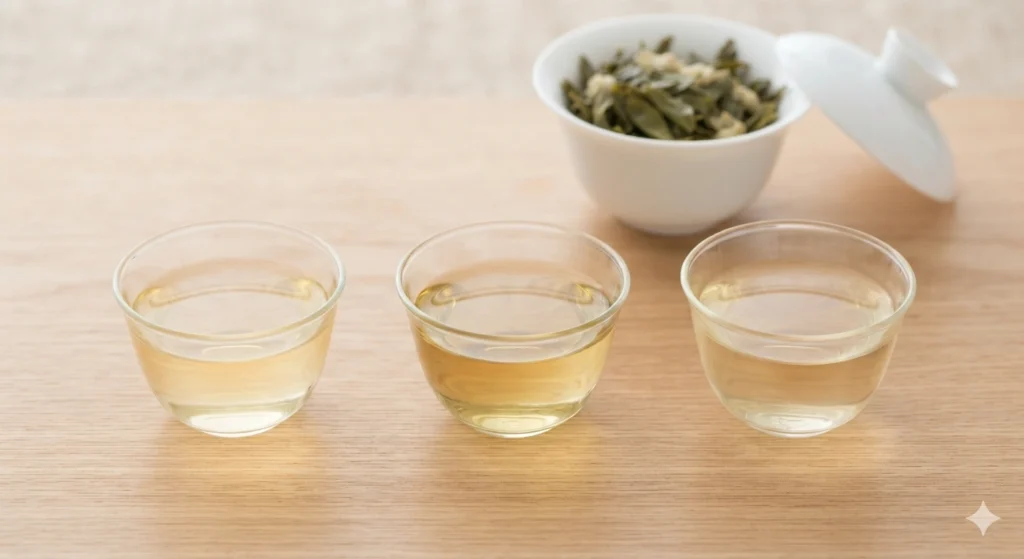
The difference between premium jasmine tea and ordinary jasmine tea appears in every part of the experience.
| Aspect | Premium Jasmine Tea | Ordinary Jasmine Tea |
|---|---|---|
| Tea Base | Whole, spring-harvested green tea leaves | Broken leaves or tea dust |
| Scenting | Multiple rounds with fresh jasmine flowers | Fewer scenting rounds or added flavor |
| Aroma | Natural, layered, long-lasting | Strong but simple, fades quickly |
| Flavor | Smooth, balanced, naturally sweet | Flat, bitter, or astringent |
| Infusions | Usually 3–5 or more | Often one main infusion |
| Brewed Leaves | Whole and clearly shaped | Broken and inconsistent |
Premium jasmine tea is not simply a more expensive version of ordinary jasmine tea.
It is made from different materials and through a more careful process.
Jasmine Tea Grades Explained
Although jasmine tea does not have an official grading system, it can be roughly understood through different quality levels.
| Type | Characteristics | Best For |
|---|---|---|
| Basic Jasmine Tea | Simple floral aroma, fewer scenting rounds | Everyday casual drinking |
| Premium Jasmine Green Tea | Better leaves, balanced fragrance, smooth taste | Daily loose leaf tea |
| Jasmine Dragon Pearls | Hand-rolled leaves, rich aroma, elegant appearance | Gongfu brewing and gifts |
| Jasmine Silver Needle | Young buds, delicate sweetness, refined fragrance | Premium tea experiences |
These categories are not official industry grades. They are practical ways to understand the difference between styles and quality levels.
The best choice depends on how you drink tea.
How To Tell If Jasmine Tea Is High Quality
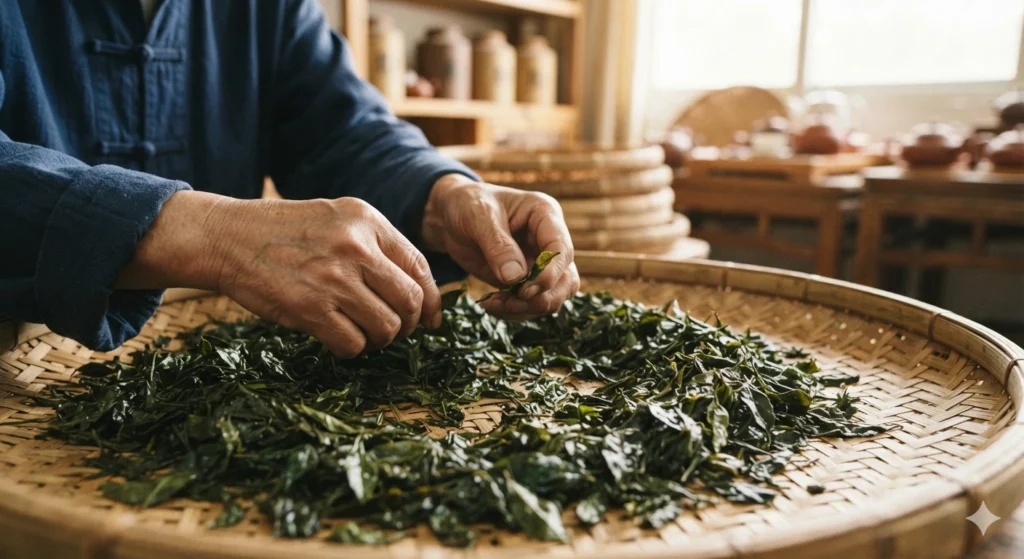
You can judge most jasmine teas through a few simple steps.
Smell The Dry Leaves
The aroma should be:
- Natural
- Floral
- Clean
Avoid teas that smell like:
- Perfume
- Candy
- Artificial fragrance
Look At The Leaves
Good jasmine tea should have:
- Whole leaves
- A clean appearance
- Consistent quality
Avoid tea that contains excessive dust or large amounts of decorative petals.
Brew And Taste The Tea
A good jasmine tea should have:
- A smooth texture
- A balanced floral aroma
- No harsh bitterness
The jasmine should support the tea rather than completely cover it.
Try Multiple Infusions
One of the best ways to judge jasmine tea is to brew it more than once.
A high-quality jasmine tea continues to evolve:
- First cup: floral and aromatic
- Second cup: sweeter and more balanced
- Later cups: softer with a lingering finish
A tea that disappears after one infusion usually lacks depth.
Which Jasmine Tea Grade Should Beginners Choose?
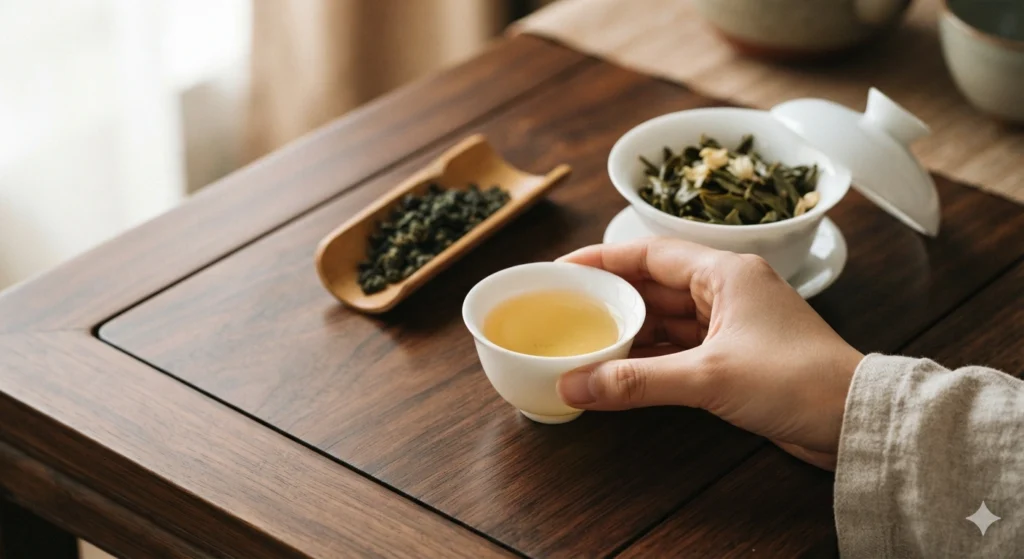
For most beginners, the best place to start is a premium jasmine green tea.
It offers the most balanced introduction to what jasmine tea can truly taste like. The leaves are usually higher quality, the fragrance is natural, and the tea is forgiving to brew. You can enjoy the floral aroma without needing advanced brewing skills.
If you want something more visually impressive and aromatic, jasmine dragon pearls are a great next step.
The hand-rolled pearls slowly open in hot water, releasing layers of jasmine fragrance. They are especially enjoyable when brewed in a glass cup or with Gongfu brewing, where you can watch the leaves slowly unfold.
For experienced tea drinkers who already appreciate jasmine tea, jasmine silver needle offers the most delicate expression.
Made from young tea buds, it has a lighter body, refined sweetness, and a softer floral character. It is not a tea for rushing. It is best enjoyed during quiet moments when you can focus on the aroma and texture.
Why Does Higher Quality Jasmine Tea Cost More?
The price difference between jasmine teas is not only about branding or packaging. It comes from the materials, time, and craftsmanship behind the tea.
Better Green Tea Leaves Cost More
Premium jasmine tea begins with better tea leaves.
Spring-harvested young leaves require careful picking and processing. Whole leaves and young buds are more valuable than broken leaves or tea dust because they produce a smoother and more complex infusion.
A cheap jasmine tea can create a strong aroma, but the quality of the tea underneath determines whether the cup feels balanced and enjoyable.
Fresh Jasmine Flowers Require More Labor
Traditional jasmine tea production depends on fresh jasmine blossoms.
The flowers must be harvested at the right moment, usually during the day before they fully open. They are then used at night when they release their strongest fragrance.
Every scenting round requires a new batch of fresh flowers.
A tea scented five times requires five separate rounds of flower harvesting, preparation, and careful monitoring. This is one of the main reasons premium jasmine tea costs more.
Traditional Scenting Takes Time
Jasmine tea is not produced by simply mixing tea leaves with flowers.
The tea maker must carefully control:
- Temperature
- Humidity
- Timing
- Flower-to-tea ratio
The process happens over multiple nights, and each batch requires experience.[Jasmine tea making process]
A skilled tea maker understands when the tea has absorbed enough fragrance and when the balance between flower and leaf is right.
This patience is what creates the smooth, natural aroma found in high-quality jasmine tea.
Is Expensive Jasmine Tea Always Better?
A higher price does not automatically mean a better tea.
The most expensive jasmine tea may not be the best choice for every drinker.
Quality depends on what you value:
- If you want everyday drinking, a good premium jasmine green tea is often the best balance.
- If you enjoy fragrance and presentation, jasmine dragon pearls may be worth choosing.
- If you prefer subtle flavors and delicate teas, jasmine silver needle may suit you better.
The goal is not to buy the most expensive jasmine tea.
The goal is to find a tea where the leaf quality, jasmine fragrance, and price feel balanced.
Common Mistakes When Buying Jasmine Tea
Many people choose jasmine tea based on appearance alone. This can lead to disappointing purchases.
Mistake 1: Choosing Tea With Too Many Jasmine Flowers
A common assumption is:
More jasmine petals = better jasmine tea.
This is usually not true.
The flowers are used during the scenting process, but the final fragrance should come from the tea leaves themselves.
A tea filled with large amounts of dried petals may look attractive but does not necessarily have better aroma or flavor.
Mistake 2: Buying The Strongest-Smelling Tea
A very strong floral smell is not always a sign of quality.
Premium jasmine tea usually has a soft, natural fragrance that develops gradually.
Artificially flavored teas often smell powerful immediately but lack depth. The aroma can feel sharp and disappear quickly after brewing.
Mistake 3: Ignoring The Tea Base
Jasmine is only one part of jasmine tea.
The green tea underneath still matters.
A good jasmine tea should taste pleasant even after the floral notes become softer. If the tea base is bitter, thin, or rough, the jasmine cannot hide the problem.
If you would like to learn more, you can refer to this guide.[Jasmine Tea Selection Guide].
How To Store Jasmine Tea After Buying
Even a high-quality jasmine tea can lose its character if stored incorrectly.
To protect the aroma:
- Keep the tea in an airtight container
- Store it away from sunlight
- Avoid heat and moisture
- Keep it away from strong smells such as spices or coffee
Jasmine tea naturally absorbs aromas from its environment. Proper storage helps preserve the delicate floral fragrance inside the leaves.
A cool, dry, dark place is usually the best environment.
Final Thoughts: Choosing The Right Jasmine Tea
Choosing jasmine tea is not about finding the most expensive option.
It is about understanding what creates quality.
A good jasmine tea begins with a good green tea base. It uses real jasmine flowers. It is scented patiently over multiple rounds. The final tea should offer a fragrance that feels natural, a flavor that feels balanced, and a finish that invites another sip.
For beginners, start with a quality jasmine green tea. For a more special experience, explore dragon pearls or silver needle.
Once you understand the difference between a simple floral scent and a carefully crafted jasmine aroma, you will never look at jasmine tea the same way again.
At Tea Passage, we select jasmine teas that respect the traditional craft — teas where the fragrance of jasmine blossoms meets the character of the leaf naturally, creating a cup that is smooth, balanced, and worth slowing down for.